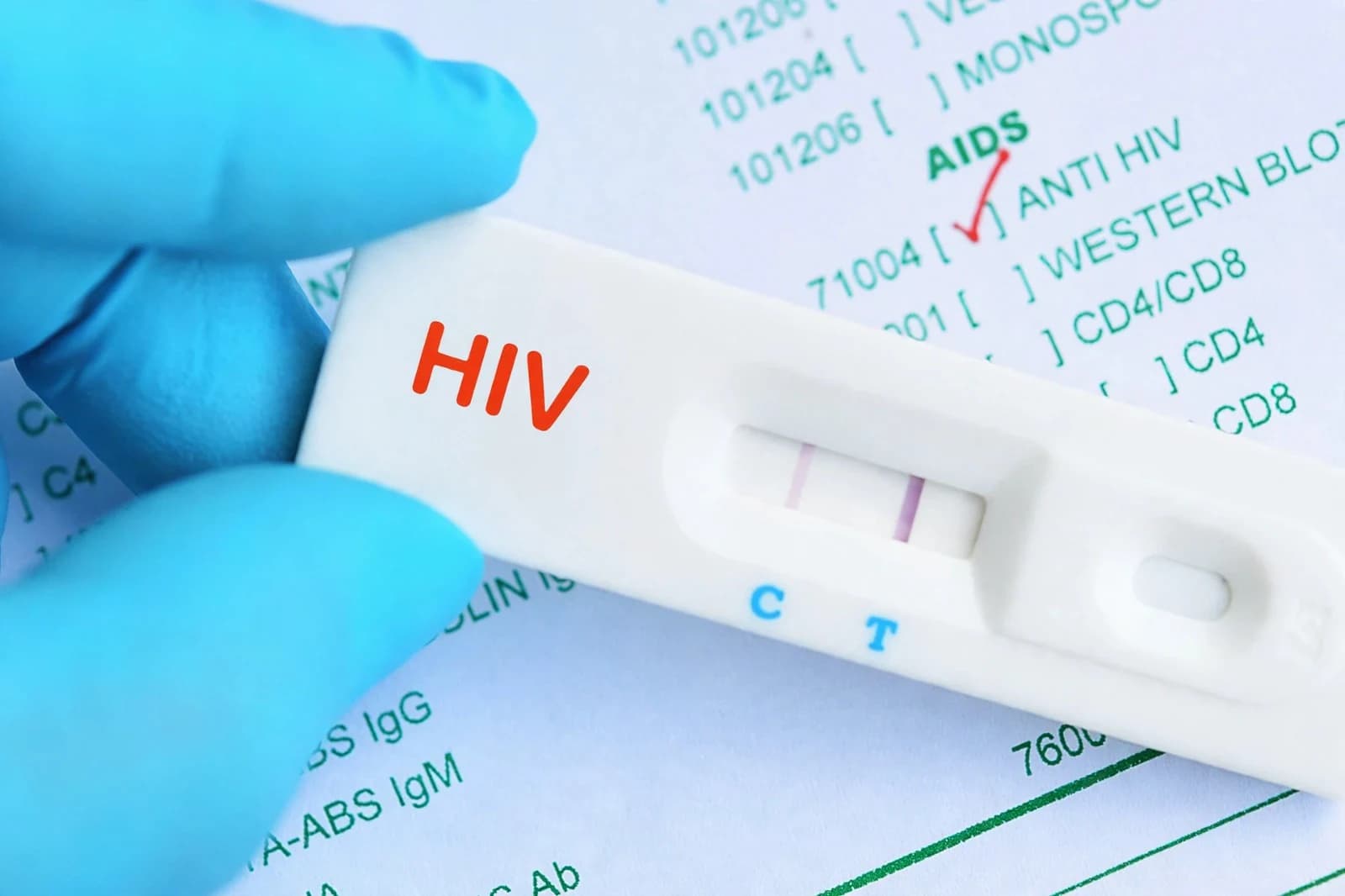



A secondary school in Kajiado County and its principal have been ordered to pay a minor Sh1.2 million for unlawfully disclosing her HIV status, in a ruling that puts school administrators and teachers on notice over the handling of learners' confidential medical information.
The decision by the HIV and AIDS Tribunal shows the legal consequences of sharing a learner's private medical condition among teachers and fellow students without proper authorisation.
The case centred on the disclosure of the girl's HIV status and her use of antiretroviral drugs (ARVs). School administrators and teachers reportedly discussed the sensitive information without the necessary consent, exposing the learner to a breach of privacy over a condition that requires confidentiality, understanding and appropriate support.
In its determination, the tribunal found that the disclosure violated the minor's right to medical confidentiality and privacy, leading to the Sh1.2 million compensation order.
The HIV and AIDS Prevention and Control Act, 2006, restricts the disclosure of another person's HIV status without consent, except in circumstances permitted by law. The Constitution of Kenya also guarantees the right to privacy, including protection against the unnecessary disclosure of private information.
Schools hold substantial amounts of sensitive information about children, including medical records, family circumstances, disabilities and other personal details. Access to such information for administrative or welfare purposes does not give teachers and school managers the freedom to discuss it with unauthorised individuals.
For educational institutions, these protections must translate into practical safeguards. A learner's medical condition is not a matter for classroom discussion, staffroom talk or informal communication with fellow students. Even where a school must make arrangements to support a learner taking medication, the process should be handled discreetly and in consultation with the appropriate authorised persons.
The consequences of violating medical confidentiality can extend beyond the courtroom. A learner whose HIV status becomes public may face ridicule, bullying, isolation and discrimination from classmates, which can undermine confidence, interfere with learning and leave a child feeling unsafe in an institution that should protect them. Schools are expected to promote inclusive education, protect children's dignity and ensure that every learner enjoys equal opportunities regardless of personal circumstances.
The ruling is therefore expected to prompt school heads to strengthen confidentiality policies and sensitise teachers on the legal obligations surrounding learners' personal and medical information. Guidance and counselling departments also need to understand the importance of maintaining professional boundaries when dealing with sensitive matters involving children.
A school's responsibility goes beyond ensuring that learners attend lessons, sit examinations and achieve good grades. It must also protect their dignity, personal rights and wellbeing.

Reader Discussion (0)
Sign in to comment