







- More than 9,000 Chuka University freshers have been cautioned against risky sexual behaviour.
- Health stakeholders say students face heightened vulnerability while transitioning from secondary school to university life.
- The warning comes as Kenya records declining HIV infections but faces pressure from reduced donor support.
Students joining universities and other institutions of higher learning have been warned against engaging in risky sexual behaviour amid declining support for medical programmes.
Speaking during a three-day orientation-cum-sensitisation programme at Chuka University, National Syndemic Diseases Control Council (NSDCC) official Jenny Gakii Miriti said new students joining universities are more vulnerable to such infections as they transition from secondary school to university life.
Gakii, who is listed by NSDCC as the Acting Coordinator of Regional Offices, cautioned the more than 9,000 first-year students against engaging in risky sexual behaviour, noting that it could jeopardise their future plans, especially their education and career progression.
“Let me caution the new students joining universities and other institutions of higher learning against engaging in risky sexual behaviour, especially amid declining support for medical programmes. This is because they are more vulnerable to such infections as they transition from secondary school to university life. They also lack much exposure in life and older learners might take advantage of it,” said Gakii.
However, there was a sign of relief after stakeholders announced a fall in new HIV infections.
They attributed the decline to regular HIV and AIDS awareness campaigns, noting that new infections in Kenya have fallen substantially from historical levels.
The latest NSDCC 2026 estimates put new HIV infections nationally at 13,936, down from 19,991 in the 2025 estimates. The data also show that an estimated 1.48 million people are living with HIV in Kenya.
“The Kenyan budget for HIV medical care has gone up to Sh25 billion annually for ARVs and other medicines, with 80 per cent of medical funding coming from the US government,” said Gakii.
She noted that the Kenyan government currently caters for only about 23 to 25 per cent of the HIV treatment budget, warning that reduced foreign funding could place additional pressure on the country’s health system.

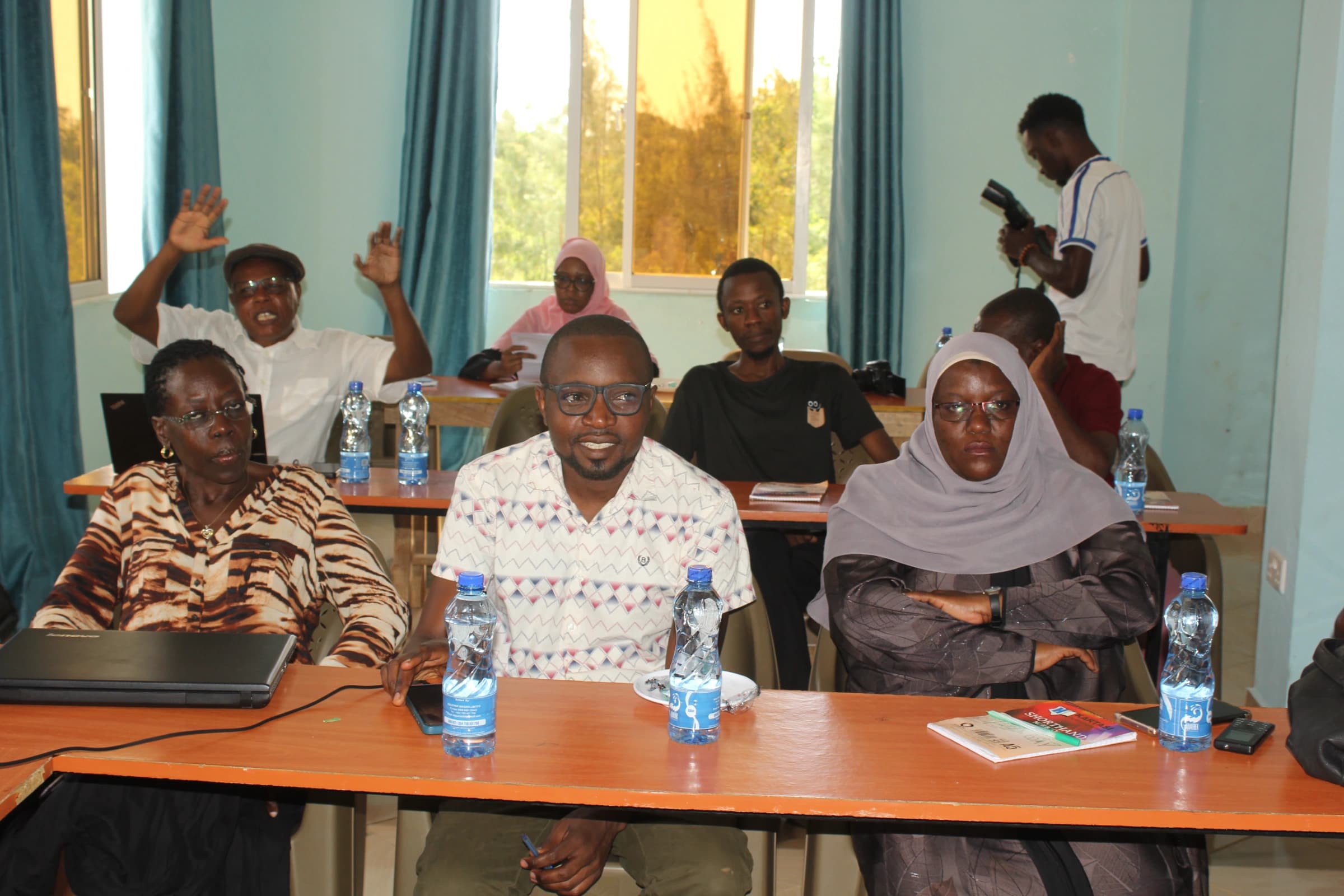
Jennie Gakii from NSDCC speaks during the orientation forum at Chuka University.
Concerns over the shrinking donor envelope have also featured in NSDCC’s HIV response, with stakeholders calling for sustainable financing to protect access to prevention and treatment services.
Expressing similar sentiments, Chuka University officials urged the new students to focus on their education and avoid choices that could jeopardise their future.
Condom-use advocate Stanley Ngara, popularly known as “The African King of Condoms”, urged the students to exercise responsibility in their relationships.
“Let not the seven minutes of pleasure lead you to eternal regrets,” Ngara cautioned.
The three-day sensitisation programme focused on HIV prevention and other emerging health and social threats affecting young people and the community.
Young people remain vulnerable
The NSDCC has warned that infections among young people remain a concern despite the progress recorded nationally.
Recent Council data show that young people aged 10 to 34 account for 72 per cent of new adult HIV infections, while women and girls account for about 65 per cent of new infections.
NSDCC Chief Executive Officer Douglas O. Bosire has said Kenya must intensify prevention efforts to prevent infections among young people from undermining progress made in the HIV response.
Bosire has also pointed to the transformation of Kenya’s HIV response over the decades, as expanded testing, treatment and prevention interventions have changed outcomes for people living with HIV.
The NSDCC currently coordinates the country’s response to HIV alongside other syndemic diseases and is pursuing interventions aimed at ending AIDS as a public health threat by 2030.
READ ALSO: Police teargas Bomet University students protesting water, safety concerns
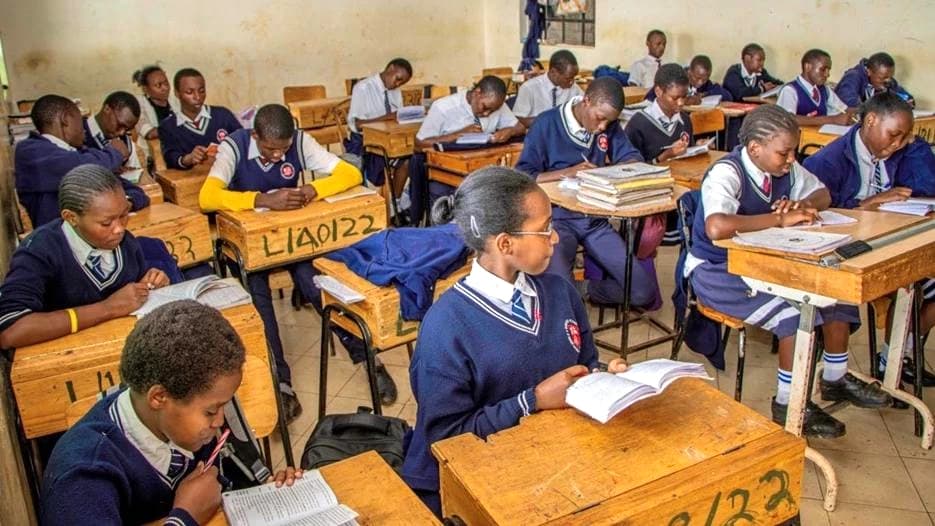
Chuka University first-year students during an orientation and sensitisation programme on HIV prevention and other health and social risks. Health stakeholders caution the students against risky sexual behaviour as they adjust to university life.
By John Majau
Get more stories from our website: Education News
To write to us or offer feedback, you can reach us at: editor@educationnews.co.ke
You can also follow our social media pages on Twitter: Education News KE and Facebook: Education News Newspaper for timely updates.
>> Click here to stay up-to-date with trending regional stories



Reader Discussion (0)
Sign in to comment