




India has donated 11 tonnes of medical supplies and specialised equipment to Kenya to strengthen disease surveillance, protect frontline health workers and improve the country's capacity to respond to Ebola and other public health emergencies.
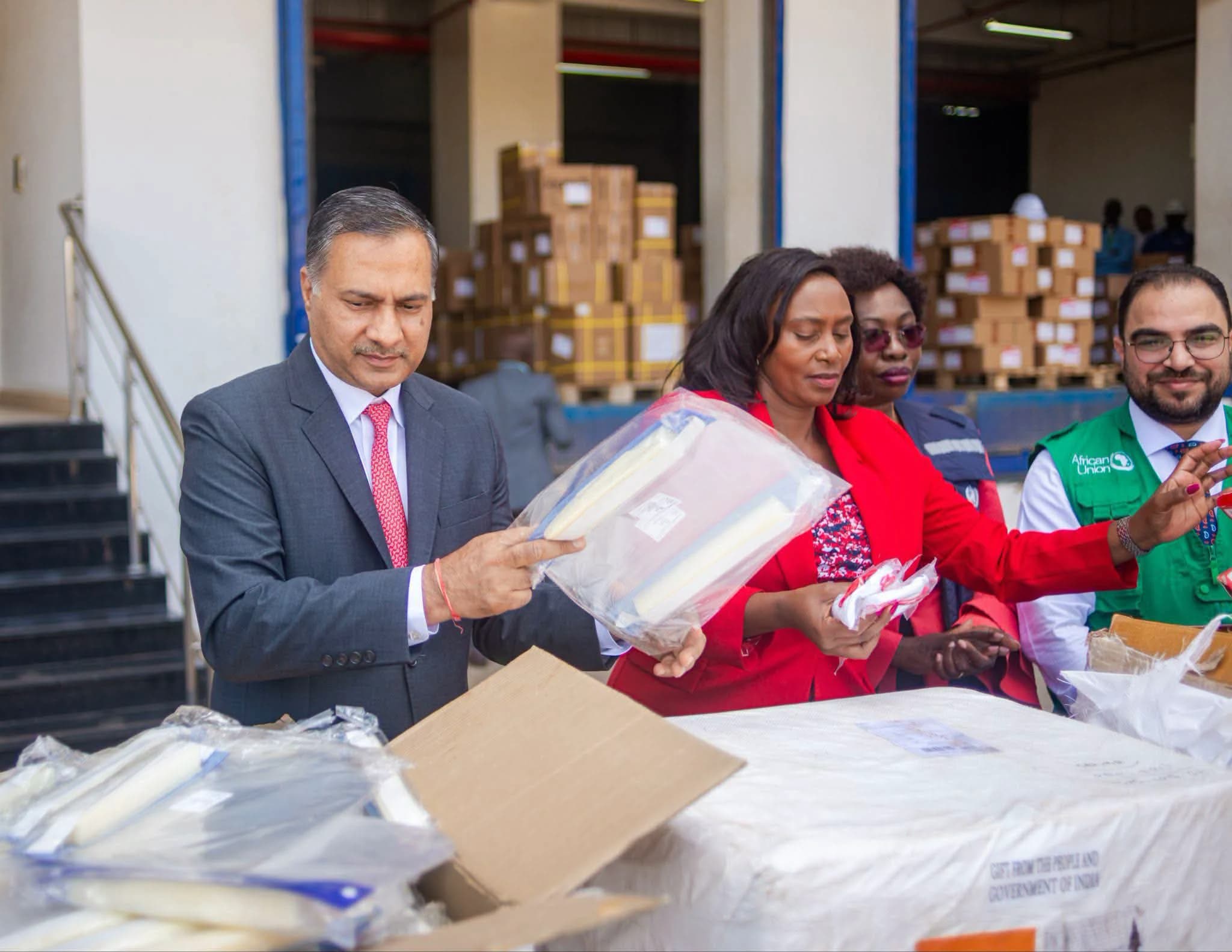
The consignment, handed over in Nairobi on Monday, October 19, 2026, includes protective clothing, laboratory safety equipment and specialised refrigeration facilities designed to support infection prevention and control.
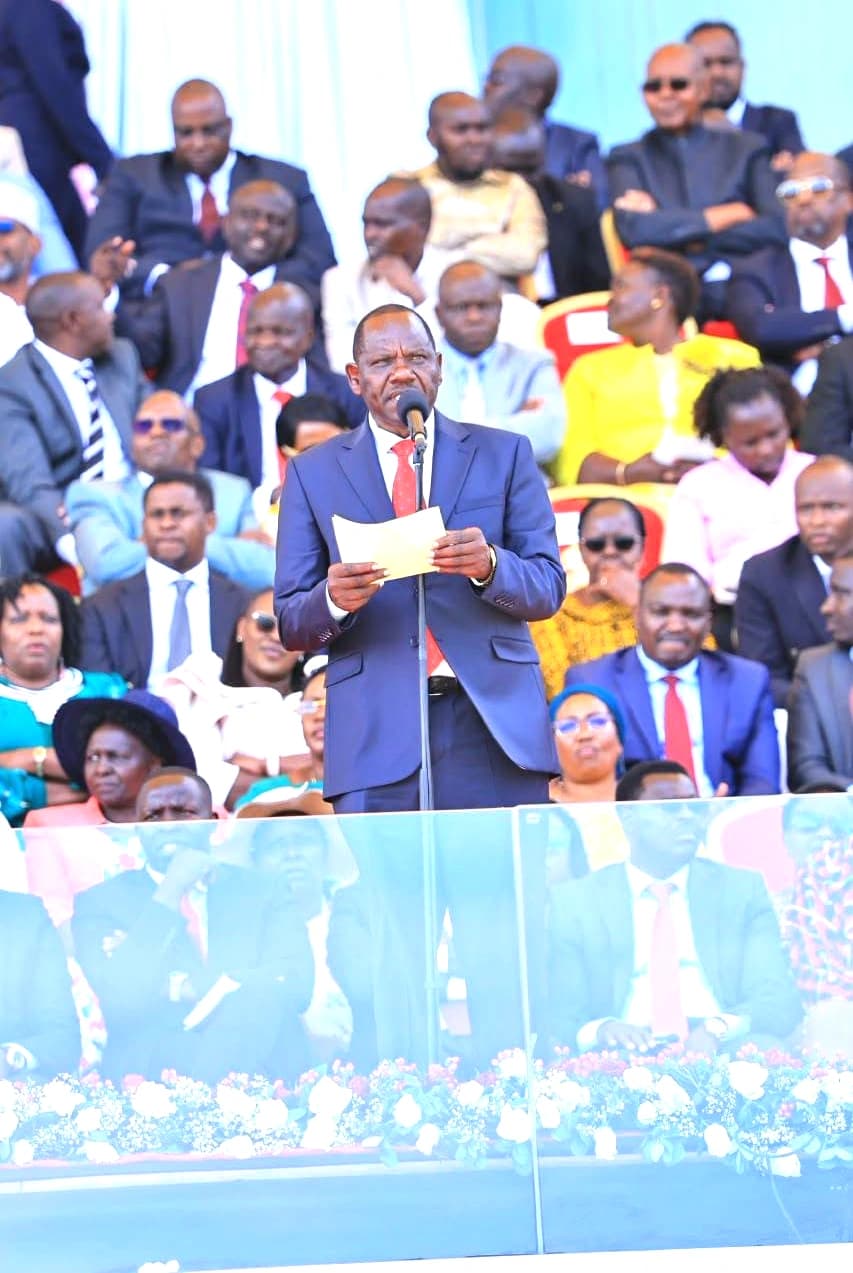
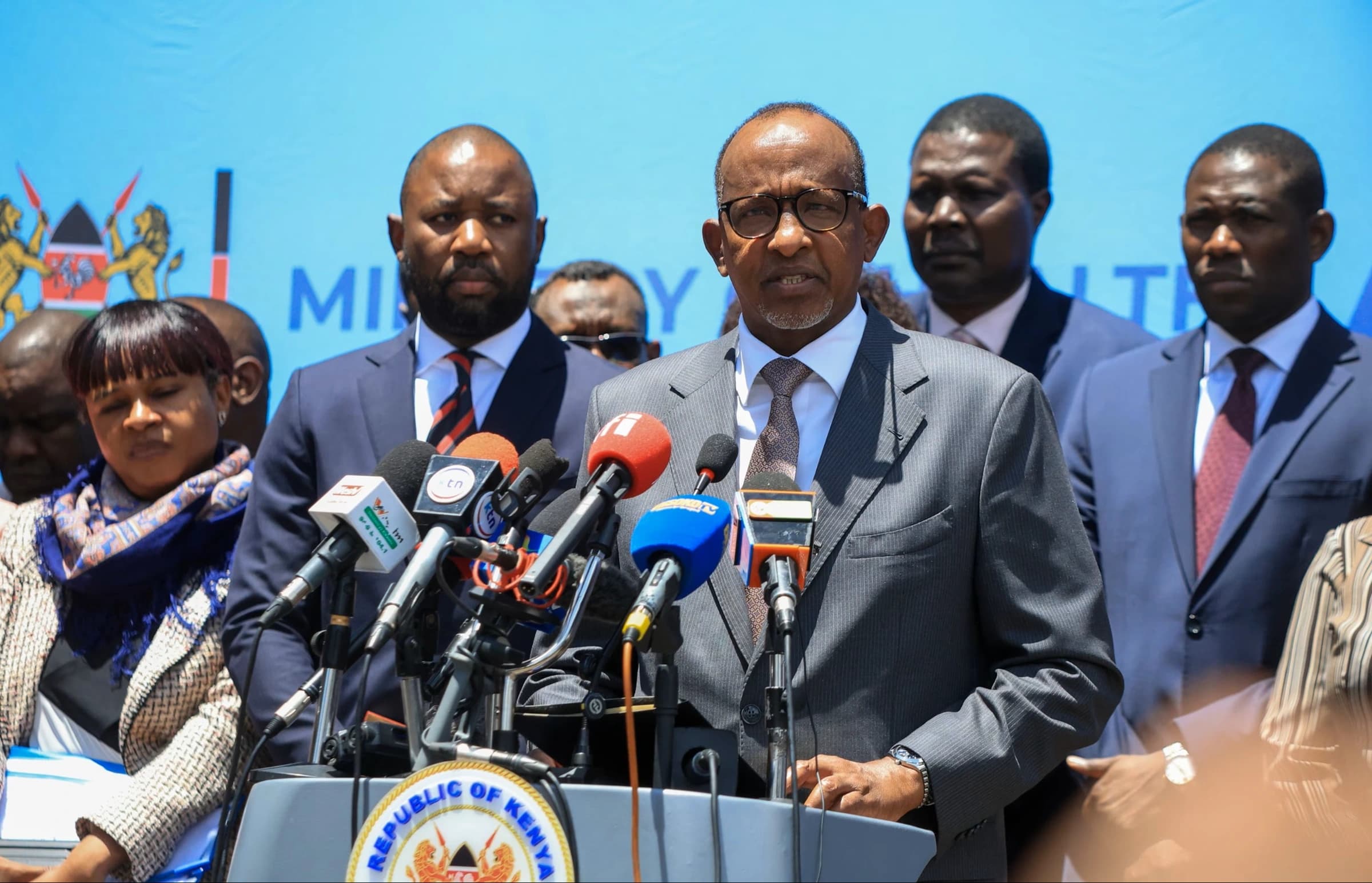
India's High Commissioner to Kenya, Dr Adarsh Swaika, presented the supplies to Public Health Principal Secretary Mary Muthoni at the Kenya Medical Supplies Authority (KEMSA) headquarters.
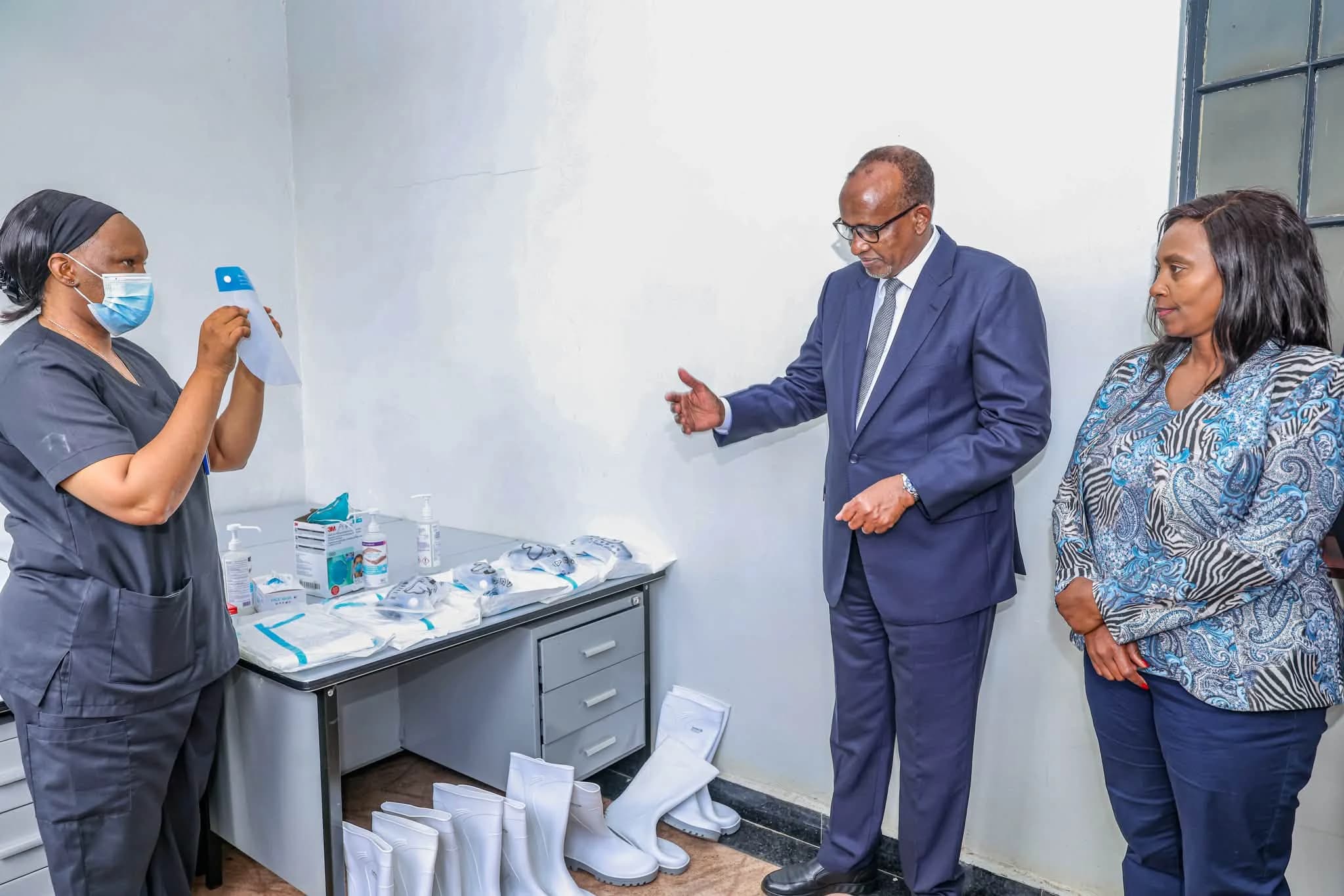
The donation comprises 30,000 N95 masks, more than 7,000 impermeable protective gowns and approximately 10,000 heavy-duty nitrile gloves intended to improve the safety of medical personnel handling suspected or confirmed infectious disease cases.
It also includes 60 powered air-purifying respirators, six Class II/III biosafety cabinets and four cold-chain refrigerators to strengthen laboratory safety and the handling and storage of temperature-sensitive medical materials.
The equipment is expected to enhance the capacity of healthcare facilities to manage infectious disease threats while reducing the risk of exposure among health workers involved in emergency response operations.
India builds on earlier medical assistance
The latest consignment builds on India's previous assistance to Kenya's Ebola preparedness efforts. On July 22, 2026, the Asian country delivered approximately five tonnes of essential medical supplies to support the country's response capacity.
India has also extended its support beyond Kenya, donating more than 45 tonnes of medical supplies to the Africa Centres for Disease Control and Prevention in May 2026 to strengthen preparedness and response efforts across the continent.
The latest assistance comes as Kenya continues to strengthen its public health emergency systems, with adequate protective equipment, laboratory infrastructure and reliable storage facilities remaining critical components of disease prevention and control.
The supplies are expected to support healthcare workers and facilities tasked with detecting, preventing and managing infectious disease threats, while reinforcing cooperation between Kenya and India in public health preparedness.

Reader Discussion (0)
Sign in to comment