A child may sit comfortably at home, seemingly safe under the watch of family members, yet still face dangers adults cannot immediately see. Behind a smartphone screen, an innocent-looking interaction can turn into cyberbullying, online grooming, sexual exploitation or exposure to inappropriate content. This is the reality of raising children in an increasingly connected society.
The Sunday Nation headline of November 8, 2026, "Tough Social Media Rules", brings an important national conversation into focus. Kenya's proposed Online Safety Bill, 2026, seeks to strengthen safeguards for children accessing social media and other regulated online services. It is a timely intervention that deserves serious parliamentary consideration, particularly as digital access increasingly shapes how young people learn, communicate and spend their leisure time.
The Bill, introduced by Embakasi West MP Mark Mwenje, proposes mandatory age verification or age estimation and parental consent before children below 18 access regulated online services. Parents and guardians would also be able to withdraw consent. Platforms would be required to assess risks, address harmful content and strengthen their child-protection measures.
The proposed penalties are significant. Companies that breach their statutory duties could face fines of up to Sh500 million or 10 per cent of their annual global turnover, whichever is higher. Senior executives whose consent, connivance or gross negligence contributes to an offence could face personal penalties, including imprisonment of up to five years.
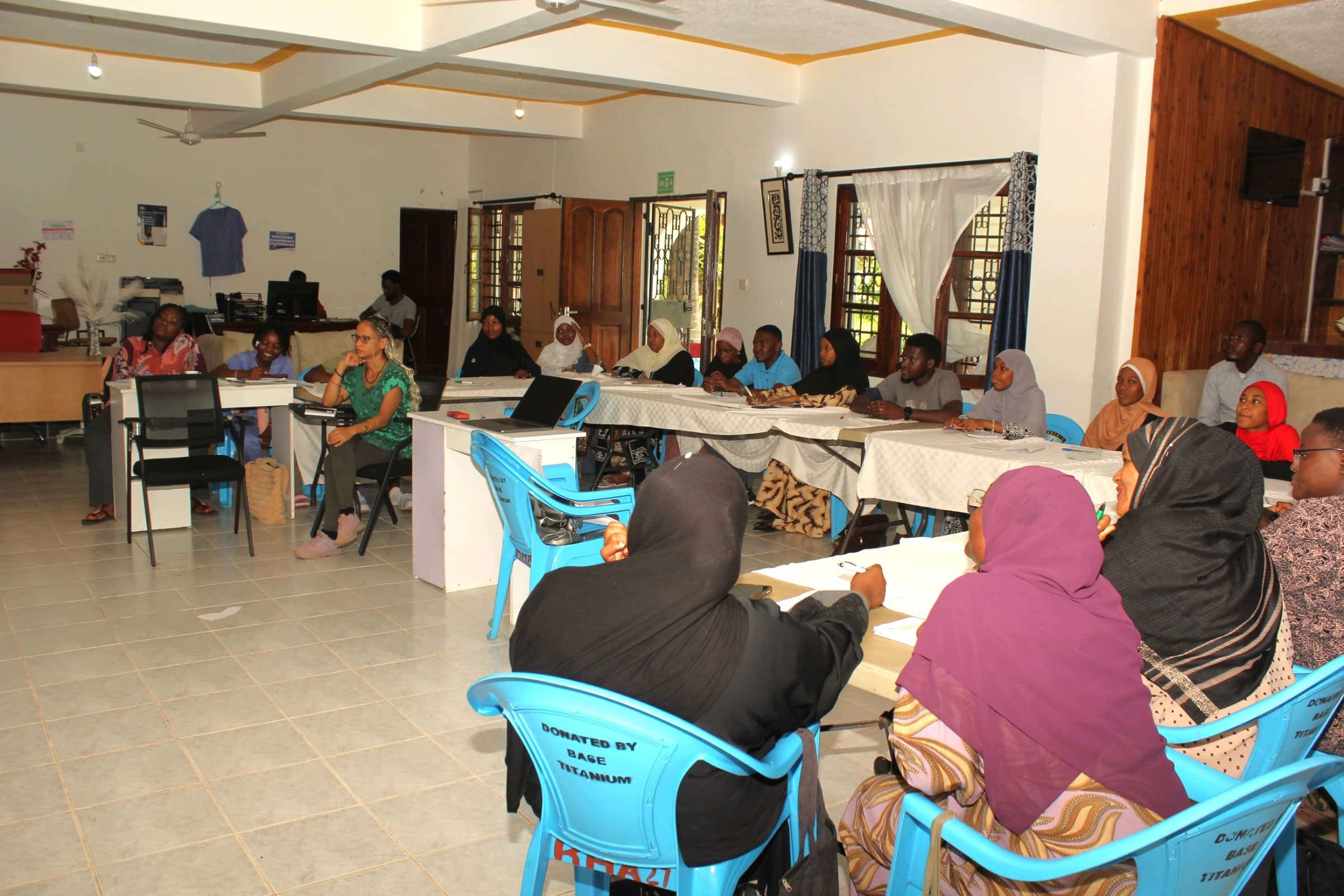
These are proposals, not yet provisions of an enacted law. Parliament must therefore examine their practicality, enforceability and implications for children's rights, privacy and access to information. Public participation should include parents, teachers, child psychologists, technology companies, legal experts and young people themselves.(Education News Kenya — https://educationnews.co.ke/news/a-generation-online-needs-responsible-adults-accountable-technology-and-strong-values)
The urgency of this debate is supported by research. A UNICEF report released in September 2026, Through Children's Eyes: How Digital Technologies Enable Child Sexual Abuse, estimated that 20 million children aged 12 to 17 across 21 countries had experienced at least one form of technology-facilitated sexual exploitation or abuse within a year.
The study found that nearly 60 per cent of reported experiences occurred through mainstream social media platforms. Equally disturbing, 57 per cent involved someone the child already knew. These are international findings, not Kenya-specific prevalence figures, but they expose the scale and nature of the threat.
Kenya has its own evidence. The 2021 Disrupting Harm in Kenya study by UNICEF, ECPAT International and INTERPOL documented online child sexual exploitation and abuse, including coercion, grooming and the circulation of sexual images without consent. It also highlighted the reluctance of many victims to report their experiences.
These findings challenge the assumption that online danger comes exclusively from strangers. Sometimes perpetrators exploit existing relationships, trust and emotional vulnerability. The implications for parents and educators are profound.
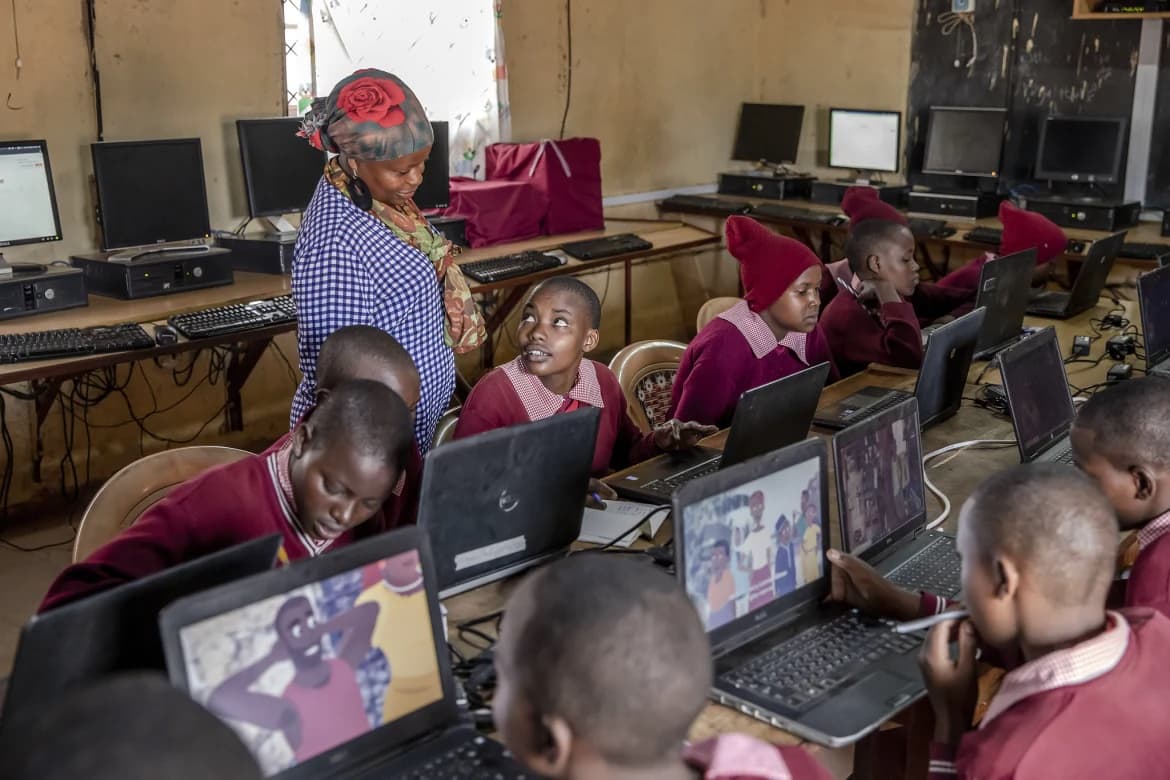
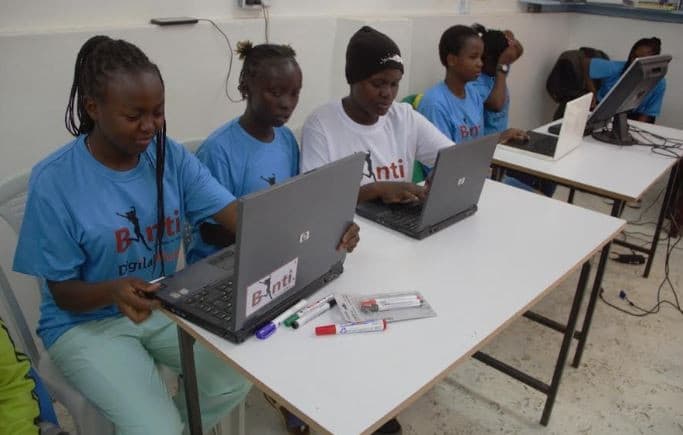
However, protecting children should not translate into treating technology as an enemy. The internet has opened valuable learning opportunities that previous generations could hardly imagine. Learners access academic resources, conduct research, collaborate, develop communication skills and discover opportunities beyond their immediate communities.
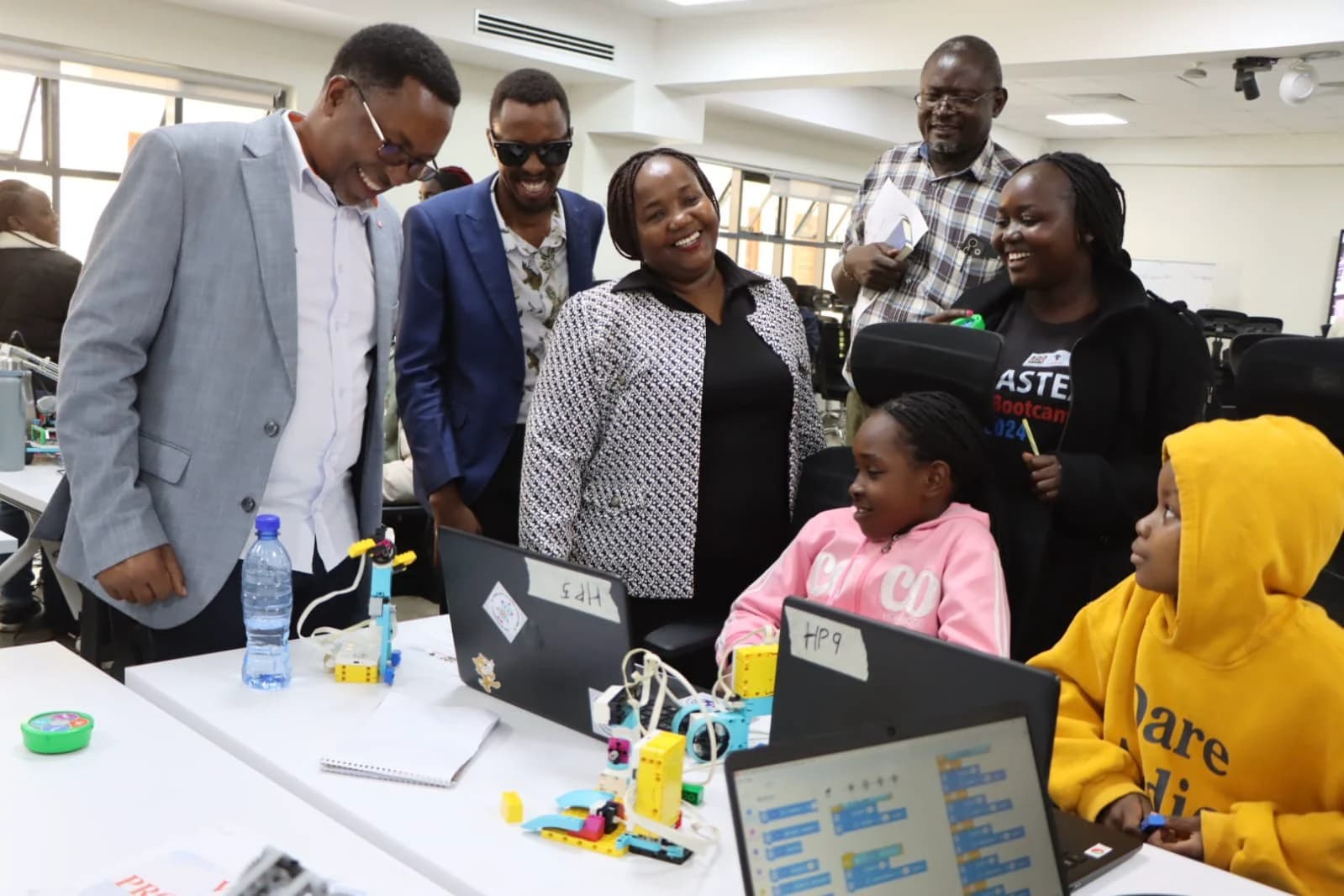
In the implementation of Competency-Based Education (CBE), responsible digital engagement can strengthen creativity, research, collaboration and independent learning. Digital literacy is no longer an optional skill; it is an essential part of preparing learners for an evolving world.
UNICEF's 2025 report, Childhood in a Digital World: Screen Time, Digital Skills and Mental Health, offers an important perspective. Its findings do not establish that screen time alone directly damages children's mental health. Instead, online sexual abuse and cyberbullying show much stronger associations with adverse mental-health outcomes.
This distinction matters. The objective should not simply be to count the hours a child spends online, but to examine the quality of those experiences, the content encountered and the relationships formed. We must raise children who can use technology productively while recognising manipulation, misinformation and inappropriate contact.
Parents and guardians remain children's earliest teachers. Yet parenting in the digital age requires more than providing a smartphone and assuming that a child will use it responsibly.
Adults need to understand the platforms their children frequent, establish age-appropriate boundaries and discuss online behaviour openly. Children should understand the dangers of sharing personal information, private photographs, passwords and location details with unverified contacts.
However, supervision should not become an atmosphere of intimidation. A child who fears punishment or immediate confiscation of a device may conceal an uncomfortable online encounter. Parents must create an environment where children can disclose troubling experiences without being blamed. Trust, communication and consistent guidance are more sustainable than control without conversation.
Schools must also recognise that digital safety is part of learner protection and character formation. Guidance and counselling departments should incorporate digital citizenship into their programmes, addressing cyberbullying, online privacy, sexual exploitation, misinformation, responsible communication and reporting procedures.
Teachers should help learners understand that values do not change when communication moves from the classroom to a digital platform. Respect, honesty, empathy, self-control and accountability must apply both online and offline. School administrators should establish appropriate procedures for responding to reported online abuse, supporting affected learners and involving parents and relevant child-protection agencies.
The long school holidays make this responsibility particularly pressing. With learners spending extended periods away from structured classroom routines, some have increased access to personal devices and unsupervised online activity.
Parents should deliberately balance digital entertainment with reading, sports, family interaction, creative activities, mentorship and community engagement. Religious institutions and youth organisations can also provide constructive alternatives. A young person needs opportunities to discover talents, build relationships and develop interests beyond the screen.
Child development experts recognise that adolescence is a period of continuing emotional, social and cognitive development. Decision-making, impulse control and the assessment of long-term consequences are still maturing. Consequently, young people may struggle to recognise manipulation, peer pressure and the risks associated with online attention.
This is why digital education must go beyond issuing warnings. Children need practical guidance on consent, personal boundaries, emotional regulation and seeking help when uncomfortable situations arise. They must also understand that forwarding humiliating photographs, spreading rumours or participating in online harassment can cause real harm. The absence of physical contact does not make digital cruelty harmless.
At the national level, government agencies, technology companies and child-protection organisations must coordinate their efforts. The Communications Authority and the Office of the Data Protection Commissioner have important roles in ensuring that enforcement safeguards children's interests without exposing their personal information to unnecessary collection or misuse.
The proposed law must also be accompanied by public education, accessible reporting channels and support for families with limited digital literacy. Age-verification requirements should be implemented with particular attention to privacy, affordability and the rights of children with disabilities.
Kenya already has a National Child Helpline, accessible through the toll-free number 116, which provides counselling, referrals and child-protection support. Such existing mechanisms should be strengthened and made more familiar to parents, teachers and learners.
Parliament, meanwhile, must approach this matter with the seriousness it deserves. Protecting children should transcend political affiliations and become a shared national responsibility. Public participation must be meaningful, and the final legislation must strike a reasonable balance between protection, privacy, freedom of expression and educational access.
Ultimately, legislation can establish boundaries, parents can supervise, schools can teach and technology companies can improve their platforms. But the most enduring protection comes from raising children who understand their dignity, respect others and have the confidence to seek help.
Our children are growing up in a world where the classroom, playground and social environment increasingly extend into the digital space. We cannot afford to prepare them academically while leaving them vulnerable socially and emotionally. A generation online needs responsible adults, accountable technology and values strong enough to guide it when no one is watching.










Reader Discussion (0)
Sign in to comment