


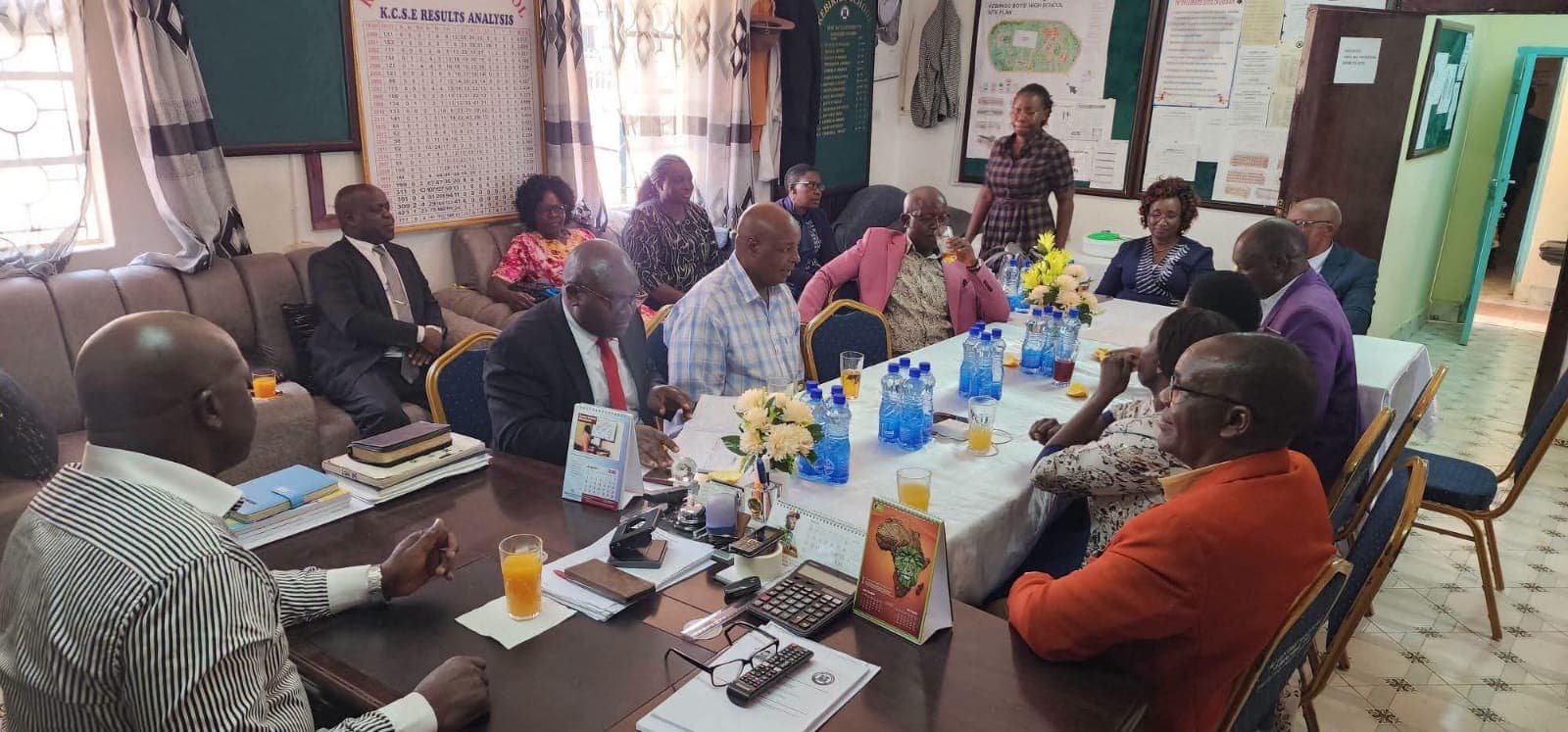
Kenya's transition to comprehensive schools is set to take centre stage as school heads converge in Mombasa for their 2026 national conference, with the leadership structure of the emerging education model becoming one of the most contentious issues.
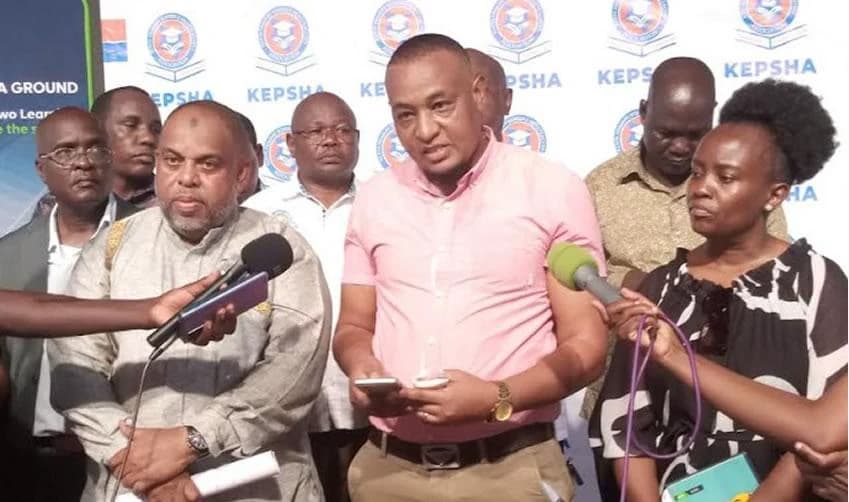
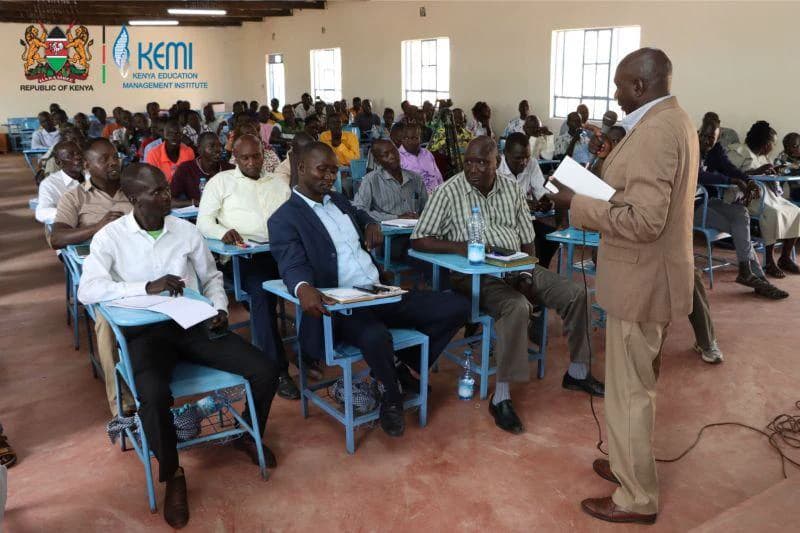
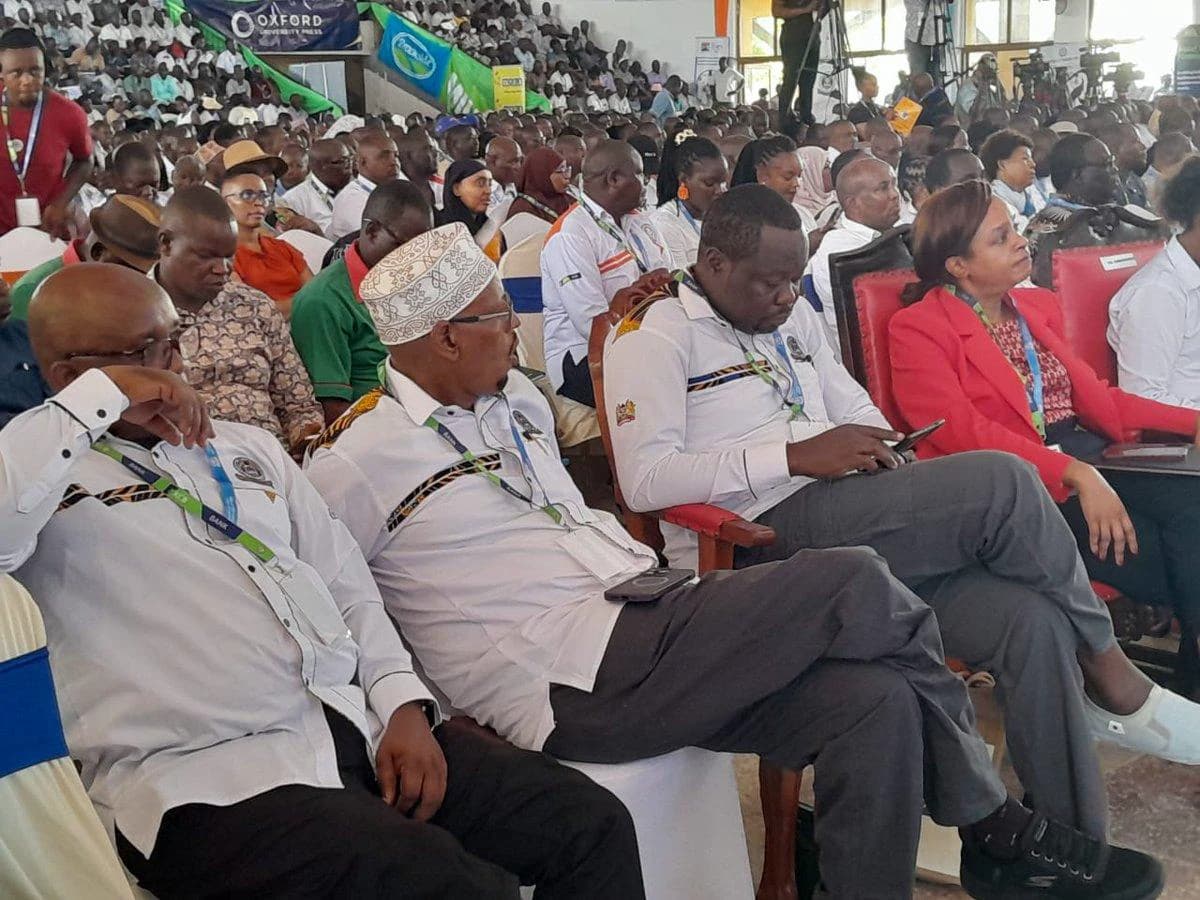
The Kenya Comprehensive Schools Heads Association (KECSHA), formerly the Kenya Primary School Heads Association (KEPSHA), begins its annual conference on Monday, November 9, at the Sheikh Zayed Children Welfare Centre.
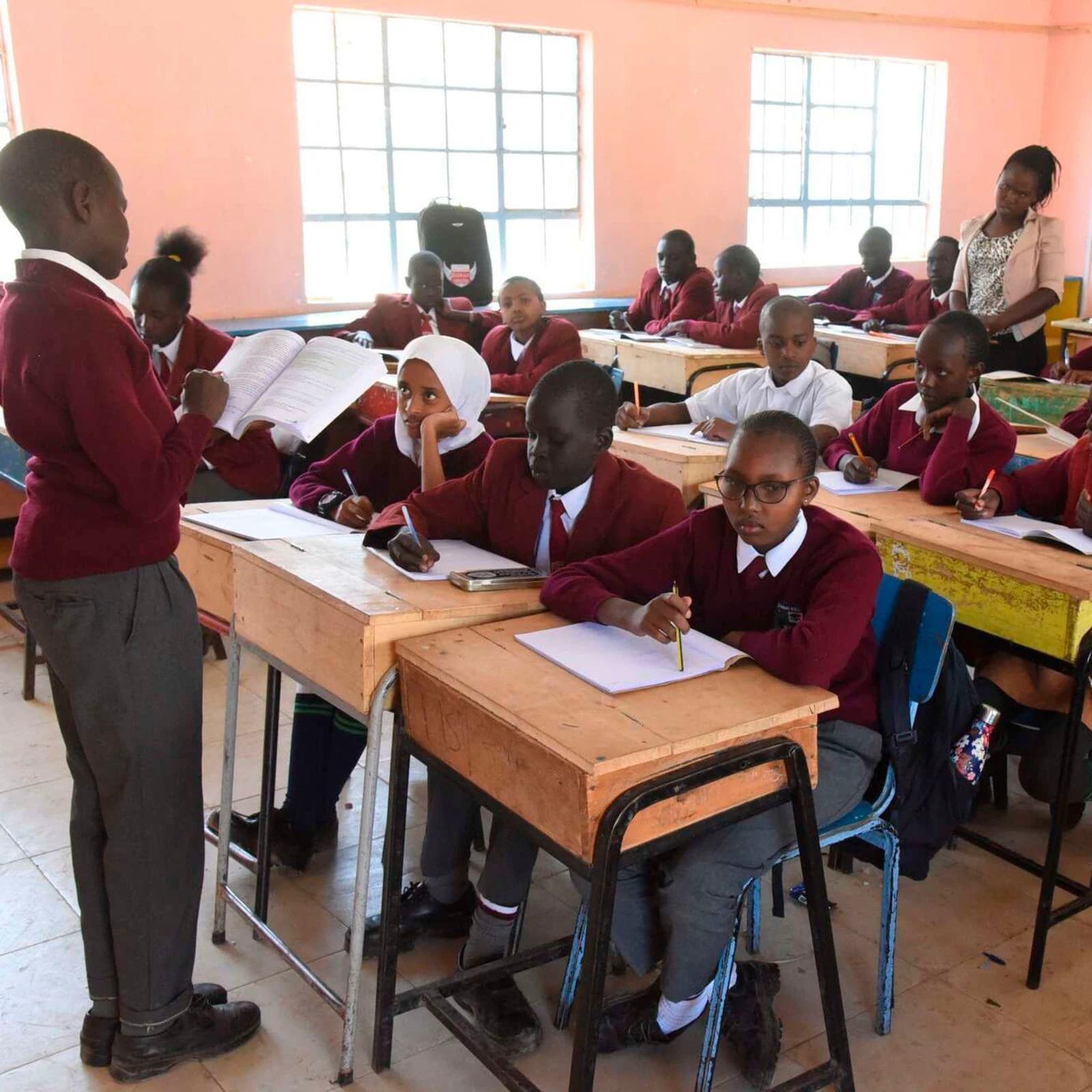
The conference comes at a defining moment for the education sector as the government continues implementing Competency-Based Education (CBE) and restructuring the management of institutions offering early childhood, primary and junior school education.
Three major issues are expected to dominate the discussions: unified management of comprehensive schools, teachers' career progression and improved remuneration.
One comprehensive school, one head of institution
At the heart of KECSHA's demands is a proposal to have every comprehensive school managed by one head of institution, assisted by deputies responsible for the different sections.
The association wants Early Childhood Development and Education (ECDE), primary education and junior school to operate as components of one institution rather than separate administrative entities.
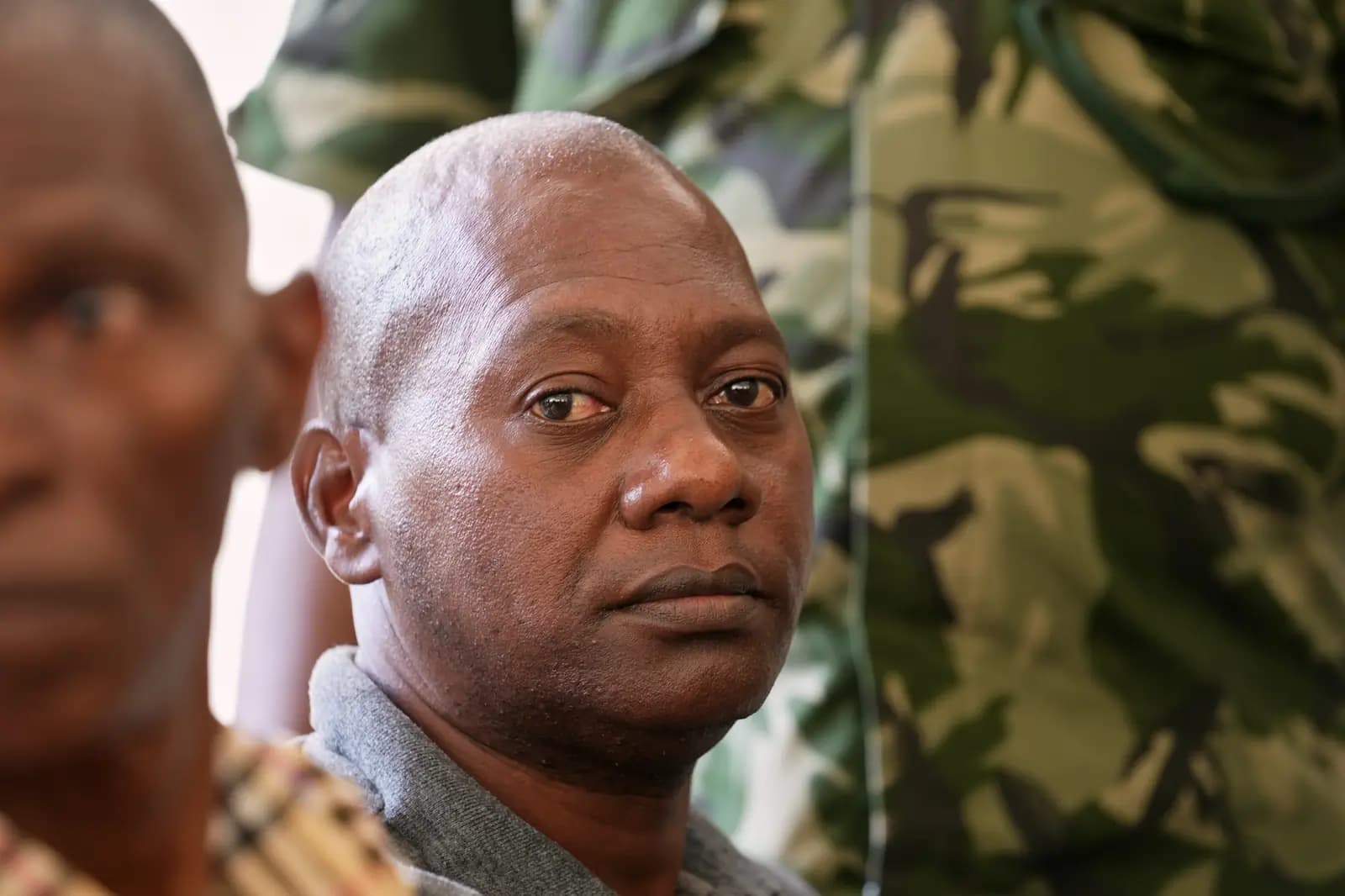
KECSHA National Chairman Fuad Ali has indicated that the association does not support institutional autonomy for individual sections of comprehensive schools.
The proposed arrangement is intended to eliminate fragmented administration, strengthen accountability and ensure that resources are managed within a coordinated institutional framework.
The demand also raises an important question about the future of school leadership: Should a comprehensive school have several independent heads or one principal overseeing the entire institution?
For KECSHA, the answer is a unified leadership structure.
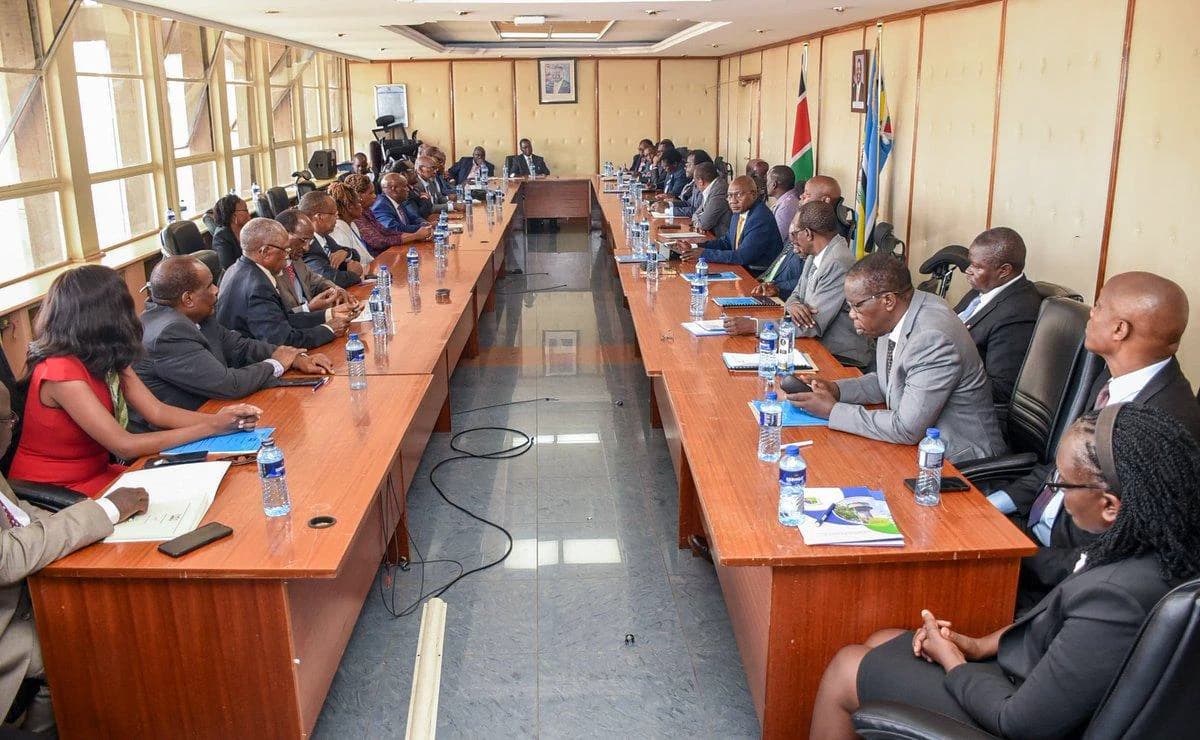
The association's position appears to align with resolutions adopted during the National Conference on Education held at Lake Naivasha Resort from May 7 to 9, 2026.
The conference recommended that comprehensive schools should have one Board of Management, one head of institution and two deputy headteachers, with one overseeing the primary section and the other managing junior school.
The Ministry of Education also proposed establishing a Directorate of Comprehensive School Education to coordinate the management and supervision of these institutions.
Additionally, the resolutions proposed harmonising school fees and capitation arrangements across the different sections.
Education Cabinet Secretary Dr Julius Ogamba signed the resolutions, providing a policy foundation for the proposed reforms.
However, translating these recommendations into an effective management system will require clear guidelines defining the responsibilities of the principal, deputies and Boards of Management.
The government must also address staffing, financial accountability and the distribution of resources to ensure that no section is disadvantaged.
TSC's 2027 career reforms offer new opportunities
Career progression is another major issue expected to attract attention during the Mombasa conference.
The Teachers Service Commission (TSC) has announced a revised Career Progression Guidelines (CPG) framework that will replace the 2018 guidelines from July 2027.
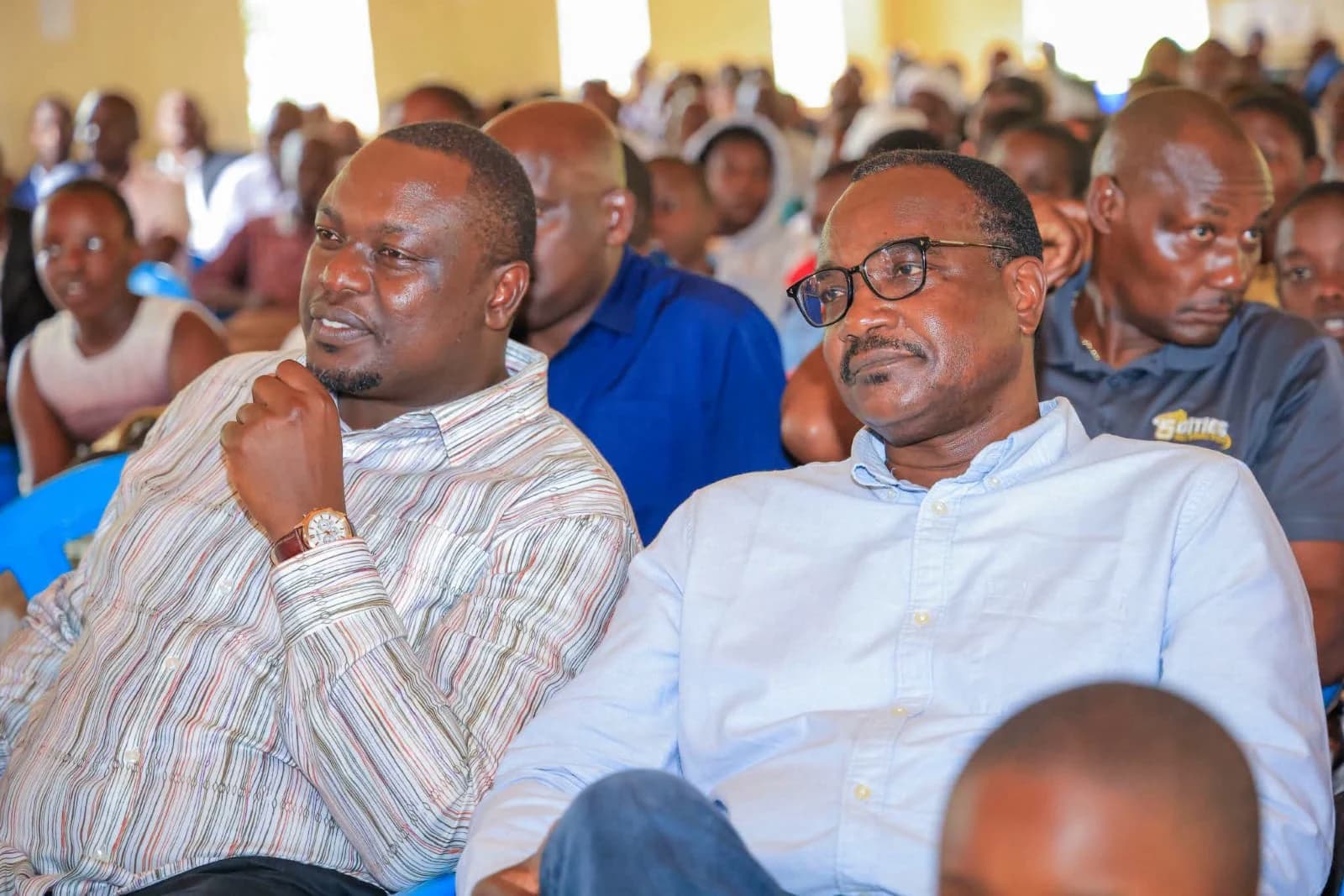
The changes, announced by TSC Commissioner Timon Oyucho during the Nyanza regional World Teachers' Day celebrations in Seme, Kisumu County, introduce separate professional pathways for classroom teachers and school administrators.
One of the most significant changes is the redesignation of all heads of institutions as principals from July 1, 2027.
The development will extend the principal designation to primary school heads, bringing greater uniformity to leadership titles across the education system.
More importantly, classroom teachers will have an opportunity to progress to the Chief Principal grade without necessarily taking administrative positions.
Under the proposed arrangement, classroom Chief Principals and administrator Chief Principals will earn the same basic salary.
This represents a significant shift from a career structure in which advancement to the highest professional grades has traditionally been closely associated with administrative appointments.
The revised guidelines have been forwarded to the Salaries and Remuneration Commission (SRC) for advice on their financial implications.
The demand for principal status is not new.
During the 2024 national conference, KEPSHA called for primary and junior school headteachers to be accorded principal status, alongside improved remuneration and better career progression opportunities.
The proposed 2027 changes appear to address part of that longstanding demand.
For years, primary school administrators have carried significant institutional responsibilities, including supervising teachers, managing school resources, coordinating learning activities and ensuring compliance with education policies.
However, differences in career structures and professional designations have continued to generate concerns about recognition and equity across the teaching profession.
The introduction of a common principal designation could help bridge some of these historical differences.
Nevertheless, the title alone will not resolve the underlying concerns unless it is accompanied by appropriate grading, remuneration and clearly defined responsibilities.
While the new career guidelines offer hope for improved professional mobility, remuneration remains a major concern among school administrators.
Running a comprehensive school will involve greater coordination responsibilities, particularly where one principal oversees ECDE, primary and junior school sections.
The workload will extend beyond ordinary classroom supervision to include financial management, teacher deployment, curriculum implementation, infrastructure development and learner welfare.
School heads will therefore expect the government to ensure that additional responsibilities are reflected in appropriate compensation and administrative support.
The new framework's promise of equal basic salaries for classroom and administrator Chief Principals is significant, but questions surrounding allowances and other benefits remain important.
The SRC's assessment will be central to determining the financial sustainability of the proposed changes.
Capitation and institutional autonomy also in focus
The 2026 conference builds on concerns raised during previous KECSHA gatherings.
At the 2025 conference in Mombasa, which attracted 12,829 delegates compared with 16,031 in 2024, members adopted the association's new identity to reflect the expanded responsibilities of school heads under the comprehensive school model.
Delegates also raised concerns about institutional autonomy, delayed capitation and the need for timely release of implementation guidelines by the Ministry of Education.
During the meeting, a Ministry of Education official disclosed that junior school capitation had accumulated to approximately Sh111 billion since 2022.
The funding question remains critical because the success of comprehensive schools cannot be achieved through administrative restructuring alone.
Schools require predictable funding, adequate teachers, classrooms, laboratories, learning materials and other essential facilities to deliver quality education.
Kenya's comprehensive school model represents a major shift in the organisation and management of basic education.
Bringing ECDE, primary and junior school under one administrative structure could improve coordination, reduce duplication and strengthen accountability.
However, the transition must be carefully managed to avoid creating an overly centralised system in which the needs of individual sections are overlooked.
A principal overseeing an entire comprehensive school will require competent deputies, clearly defined mandates and sufficient administrative support.
Equally, the government must resolve outstanding teacher shortages, infrastructure gaps, funding challenges and differences in the management of the various learning levels.
The Mombasa conference therefore presents an opportunity for school heads to influence the practical implementation of reforms that will shape the future of basic education.
Ultimately, comprehensive schools should not merely represent a change in institutional names or administrative arrangements. They should create a more coordinated, adequately funded and professionally managed education system that gives every learner an opportunity to succeed.
Reader Discussion (0)
Sign in to comment