
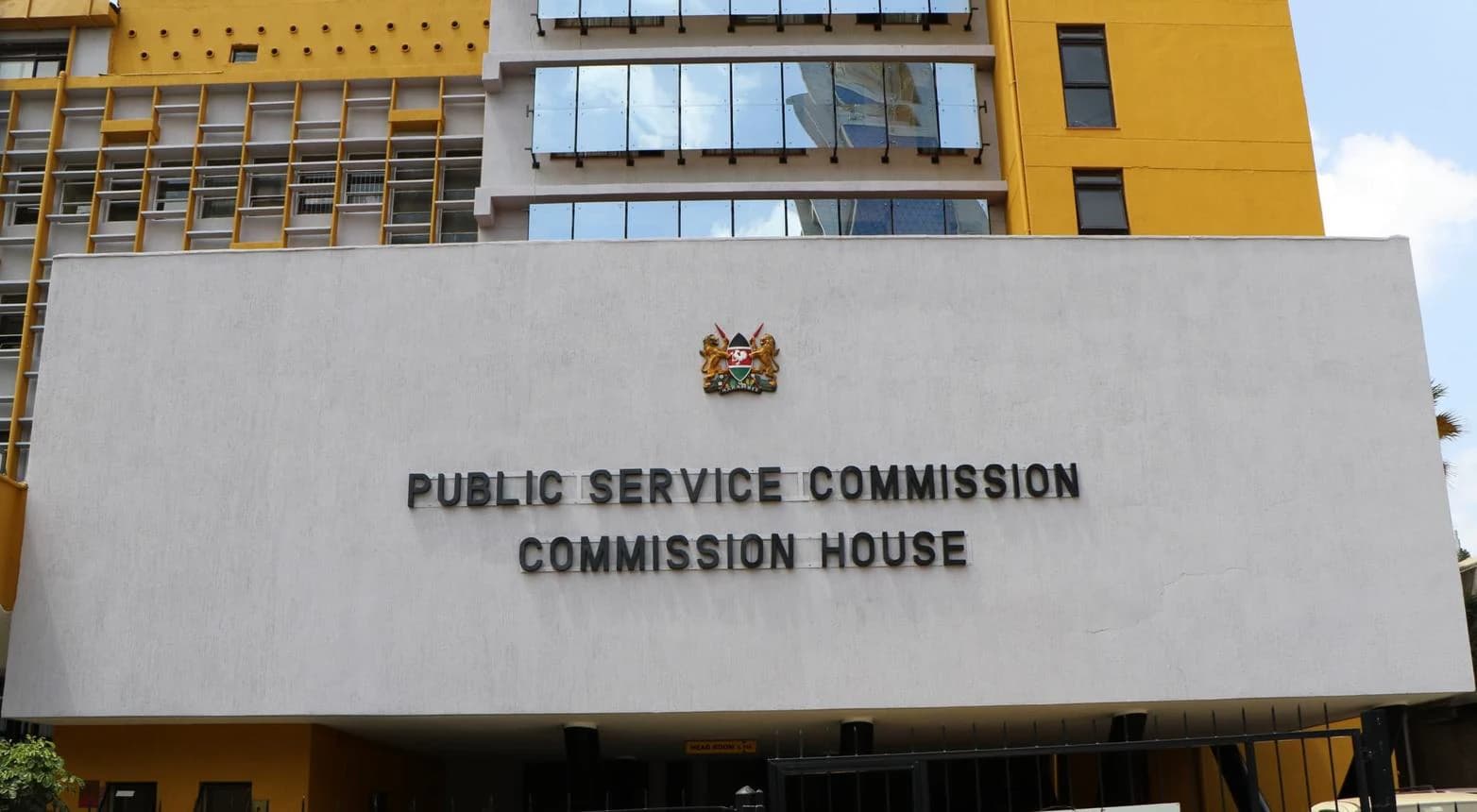







At the centre of the debate is Clause 28 of the Teachers Service Commission (Amendment) Bill, 2026 (National Assembly Bill No. 64 of 2026), which seeks to repeal and replace Section 35 of the principal TSC Act.
Under the proposed changes, the commission would be empowered to require every registered teacher to undertake prescribed professional development programmes and issue practising certificates only to those who meet the stipulated requirements.
Teachers who fail to complete the mandatory training could face administrative action under regulations issued by the commission.
The proposal comes amid wider efforts by TSC to strengthen professional standards and equip teachers with the competencies required under the Competency-Based Education (CBE) system.
Under the broader licensing framework being reviewed, teachers would be required to renew their practising licences periodically, with a proposed five-year cycle tied to professional development benchmarks under the Kenya Professional Teaching Standards (KePTS).
Concerns over TSC’s expanding regulatory powers
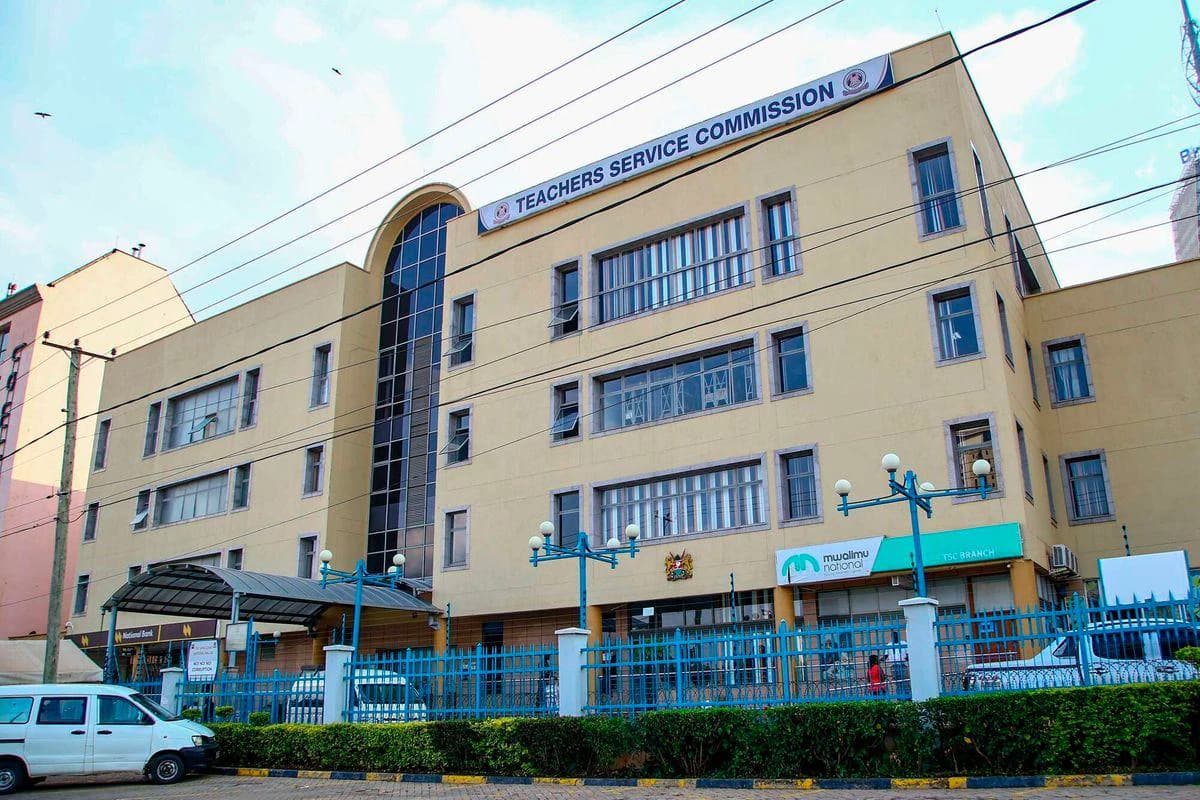
However, the proposed changes have reignited questions about whether TSC, which is the employer of public school teachers, should also serve as the sole institution responsible for licensing and regulating the entire teaching profession.
Critics and education analysts argue that concentrating recruitment, employment, disciplinary and licensing powers within one institution could create a conflict of interest.
They have drawn comparisons with professions such as law, medicine and engineering, where independent statutory bodies play a significant role in regulating practitioners separately from their employers.
Beyond the governance concerns, the proposed licensing system has raised questions about the cost and accessibility of professional development programmes, the consequences of failing to meet the requirements and how the new framework would affect experienced teachers approaching retirement.
Teachers and education stakeholders are also seeking clarity on who would finance the mandatory training and whether the programmes would be readily accessible to educators serving in remote areas.
Proposed institute to coordinate teacher professional development
To support the proposed reforms, the Bill also seeks to establish an Institute of Teacher Support and Professional Development within the commission.
The institute would coordinate teacher induction, in-service training and professional development programmes aimed at improving teaching standards and strengthening professional competencies.
The proposed changes are expected to generate further debate within the education sector, particularly over the balance between professional accountability, institutional independence and teachers’ welfare.
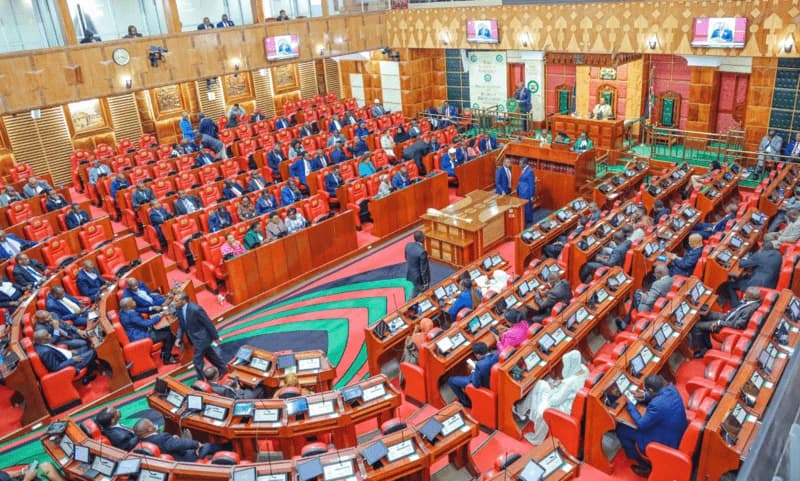
Sponsored by National Assembly Majority Leader Kimani Ichung’wah and published in September 2026, the Bill remains at the legislative review stage.
It must undergo committee scrutiny, public participation and parliamentary debate before being considered for presidential assent.
The proposed mandatory practising certificates will, therefore, only become enforceable if the Bill is passed into law and the relevant provisions take effect.

Reader Discussion (0)
Sign in to comment