







The new arrangement places ministries, State departments, State corporations and other public institutions at the centre of the expanded internship programme, requiring them to establish how many graduates they can accommodate based on their authorised staffing levels, operational needs and available financial resources.
Under the framework, institutions will also be required to make budgetary provisions for the 12-month internship programme, marking a shift towards greater institutional responsibility in financing and implementing graduate placements.
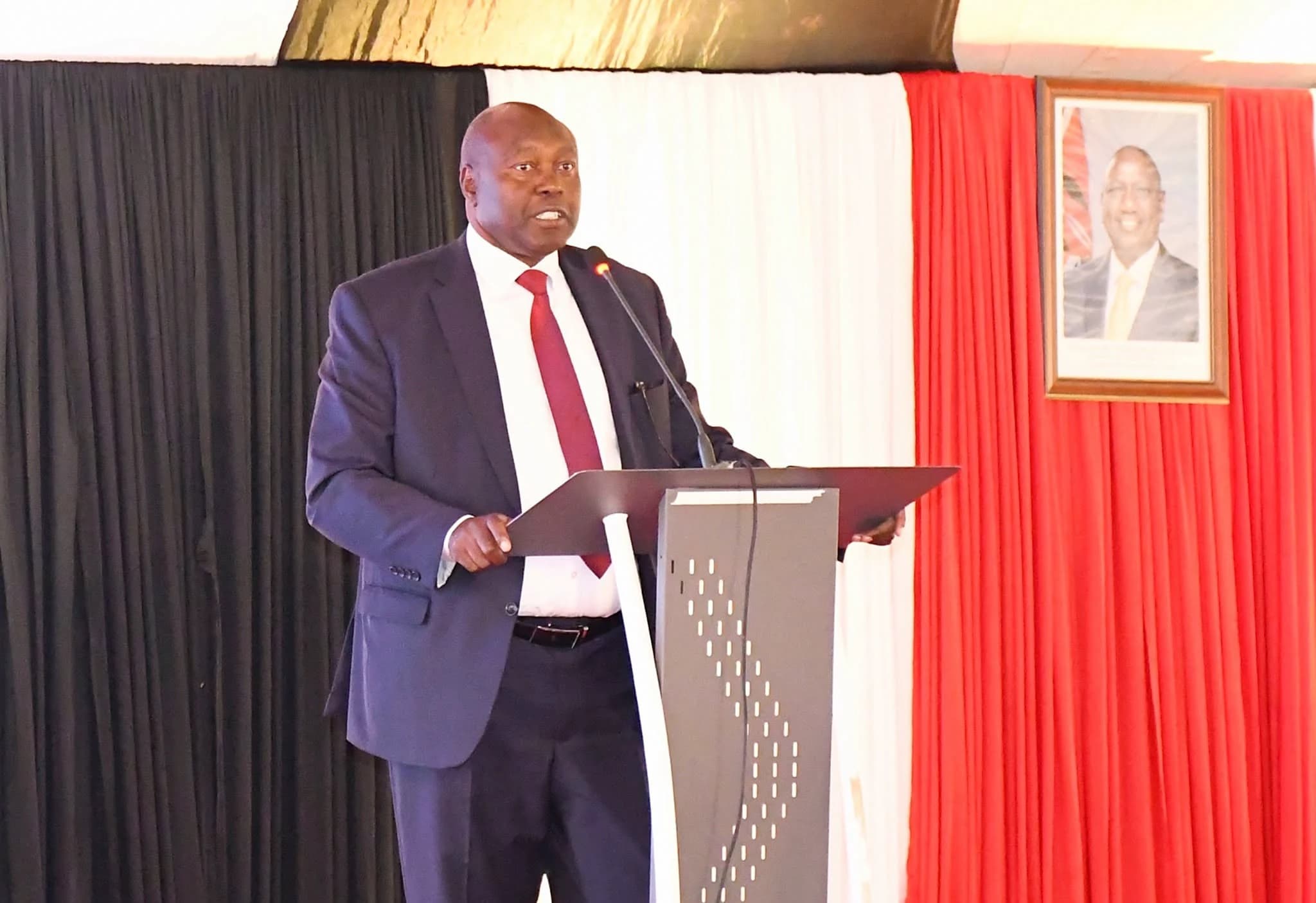
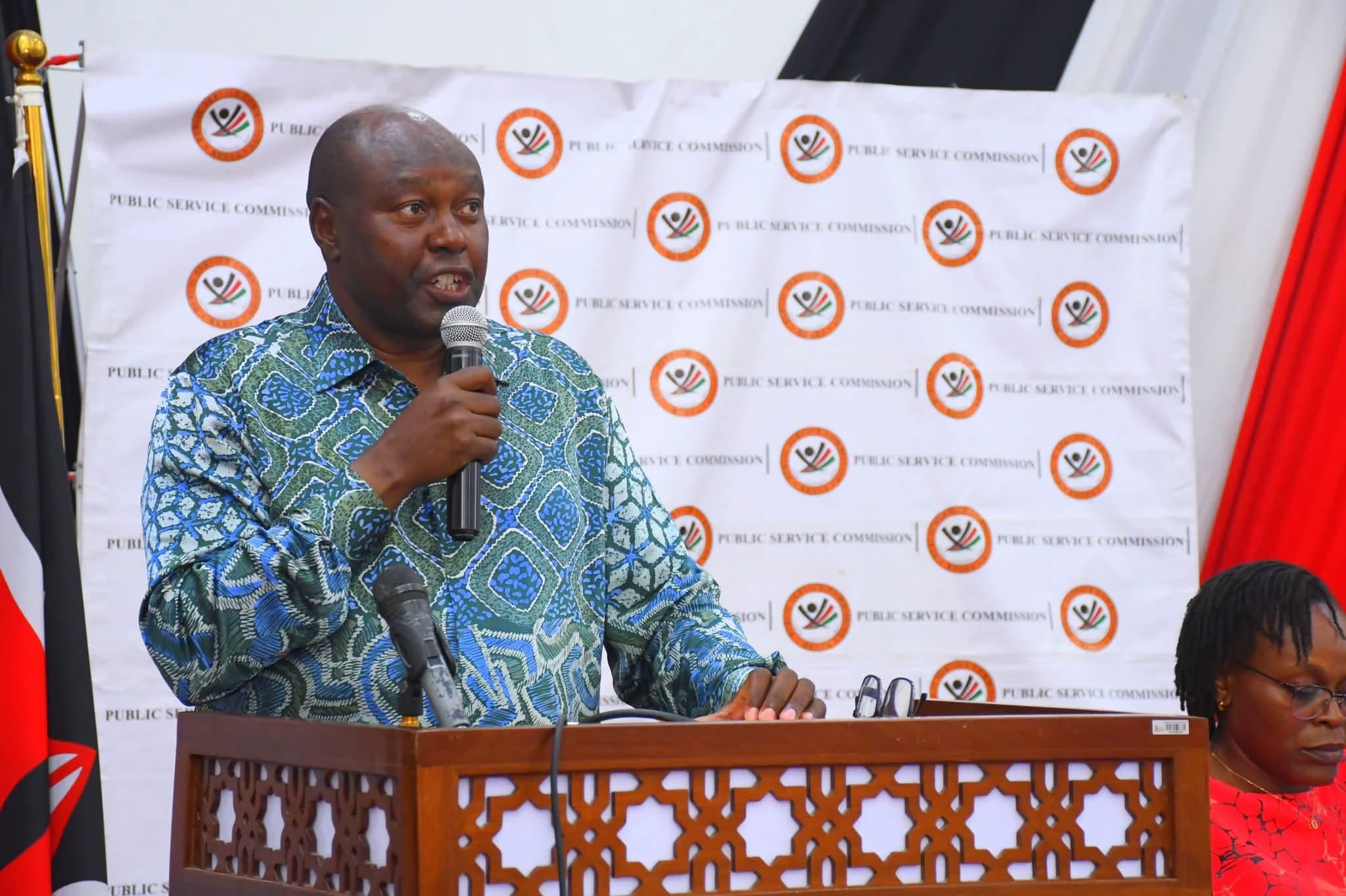
The policy was highlighted during a high-level consultative meeting at the Kenya School of Government in Lower Kabete on November 26, 2026. The meeting brought together PSC Chairperson Francis Meja, Head of Public Service Felix Koskei and Public Service Cabinet Secretary Geoffrey Ruku.
New formula to determine internship allocations
The 10 per cent threshold is expected to provide a uniform basis for determining the number of interns that public institutions can accommodate.
For example, an institution with an approved establishment of 500 employees would be expected to provide approximately 50 internship positions, subject to its operational requirements and budgetary capacity.
The approach is intended to distribute opportunities across government institutions while ensuring that internship recruitment is linked to actual workplace capacity.
Participating institutions will be expected to identify relevant departments, establish available training opportunities and set aside resources to support the interns throughout their placement.
The 12-month placements will be non-renewable, meaning beneficiaries will not automatically qualify for an extension after completing the programme.
Graduate demand outstrips available opportunities
The expanded programme comes against the backdrop of growing competition among university and college graduates seeking opportunities to gain professional experience.
Previously, approximately Sh2 billion was allocated annually to support about 8,000 interns. However, an earlier recruitment exercise attracted approximately 41,000 applications, demonstrating the significant gap between available positions and graduate demand.
PSC Chairperson Francis Meja emphasised that the programme should not become a numbers-driven exercise in which institutions simply accommodate interns without providing meaningful professional development.
He called on participating agencies to provide structured mentorship, career guidance and practical assignments that expose graduates to the demands of their respective professions.
Head of Public Service Felix Koskei indicated that the government intends to progressively increase the annual intake towards 100,000 internship opportunities, with private sector participation expected to support the expansion.
Who qualifies for the 50,000 opportunities?
The programme targets holders of bachelor’s degrees and diplomas from recognised institutions.
Applicants must also demonstrate computer proficiency and should not have previously benefited from a similar government internship programme.
The recruitment exercise is open through the official Public Service Commission application platforms, with the deadline set for December 14, 2026.
Successful candidates will undertake a 12-month internship designed to provide practical workplace exposure and improve their prospects of securing employment.
Funding and mentorship will determine success
Although the 50,000-placement target signals an expansion of government efforts to address graduate unemployment, the new financing arrangement raises important questions about the ability of individual institutions to implement the programme effectively.
Requiring ministries and State corporations to make their own budgetary provisions could create disparities between institutions with substantial financial resources and those operating under tighter budgetary constraints.
There is also the question of whether institutions have enough qualified personnel to supervise, mentor and assess thousands of interns without compromising their existing responsibilities.
The government must, therefore, ensure that the programme is supported by clear implementation guidelines, transparent recruitment procedures and proper accountability mechanisms.
More importantly, internship opportunities should translate into measurable professional skills rather than becoming temporary placements that offer little beyond office attendance.
For thousands of graduates who have spent years pursuing academic qualifications without securing meaningful employment, the initiative could provide an important entry point into the labour market.
However, the real measure of success will not simply be the number of interns recruited but the quality of training, professional exposure and employment opportunities created after the 12-month placements.
Kenya’s challenge is no longer just creating internship opportunities. It is building a credible transition from education to employment for a generation of graduates seeking a foothold in the labour market.


Reader Discussion (0)
Sign in to comment