








The Public Service Commission (PSC) has moved to dispel uncertainty surrounding the government’s planned recruitment of 50,000 interns, confirming that the much-anticipated programme is genuine and is expected to begin in January 2027.
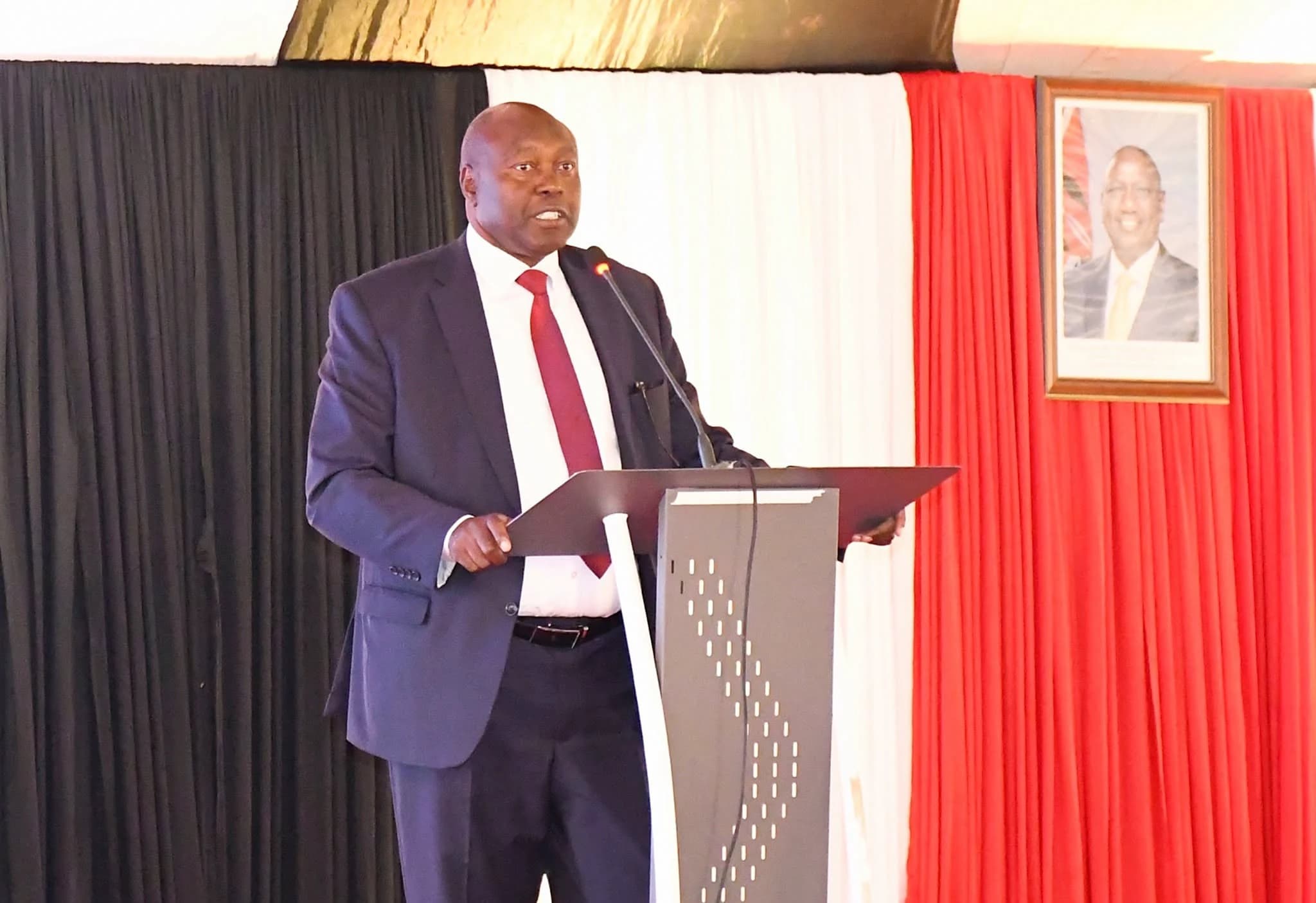
PSC Chairperson Francis Meja has dismissed claims circulating on social media questioning the authenticity of the recruitment exercise, assuring unemployed graduates that the initiative is a legitimate government programme aimed at widening access to workplace experience.
Speaking in Nairobi, Meja described the initiative as a deliberate intervention to address the growing demand for internship opportunities among young Kenyans graduating from universities and other institutions of higher learning.
He said the programme followed President William Ruto’s directive during this year’s Mashujaa Day celebrations in Eldoret, with the first cohort expected to report in January.
The announcement comes at a time when thousands of graduates are struggling to transition from academic institutions into the employment market, with many lacking the practical experience increasingly demanded by employers.
Major departure from the previous internship model
The proposed recruitment represents a significant expansion of the government’s previous internship arrangement, which was constrained by limited funding.
Meja explained that PSC had previously relied on an annual National Treasury allocation of approximately Sh2 billion, which supported only about 8,000 interns.
However, the demand for placements consistently exceeded the available opportunities, leaving thousands of qualified applicants without access to workplace exposure.
Under the new arrangement, ministries, State departments, government agencies and State corporations will be required to provide internship opportunities equivalent to 10 per cent of their approved staff establishments.
The approach is intended to compel public institutions to incorporate internship programmes into their annual budgets and workforce plans rather than depend entirely on central funding.
According to Meja, decentralising the financial responsibility will make the programme more sustainable and enable institutions to accommodate more graduates.
41,000 graduates competed for 8,000 places
The pressure facing the internship programme is illustrated by the number of applications received during previous recruitment exercises.
Meja revealed that the commission received approximately 41,000 applications for just 8,000 advertised positions, demonstrating the enormous demand for professional opportunities among young graduates.
He argued that the 50,000 target was achievable, maintaining that the previous recruitment figures showed how many applicants had missed out because of limited capacity.
The expanded programme is expected to provide beneficiaries with practical workplace experience, professional mentorship and opportunities to develop competencies that can improve their competitiveness in the employment market.
Private sector targeted for another 50,000 internships
In an additional development, the commission is engaging the private sector to explore the possibility of creating another 50,000 internship opportunities.
If successful, the proposed expansion could raise the combined target to 100,000 placements, significantly widening the opportunities available to graduates.
The involvement of private employers would also expose young professionals to different working environments, industries and career pathways.
However, the success of this proposal will depend on actual commitments from participating companies and the establishment of sustainable arrangements for financing and supervising interns.
Internship does not automatically guarantee employment
While the programme offers graduates an opportunity to gain valuable professional experience, successful applicants should distinguish between internship placement and permanent employment.
Meja indicated that graduates completing the programme would be better equipped to compete for advertised vacancies within public institutions.
However, completing an internship should not be interpreted as an automatic route into permanent government employment. Recruitment into established positions remains subject to applicable public service procedures and available vacancies.
The commission also disclosed that it was considering a performance-oriented approach to career progression, under which demonstrated productivity would receive greater consideration alongside years of service.
Implementation will be the real test
Although the announcement of 50,000 internship opportunities offers considerable hope to unemployed graduates, its success will ultimately depend on transparent recruitment, adequate funding and meaningful workplace engagement.
The government must ensure that the programme does not become merely a numerical exercise in which institutions advertise placements without providing proper supervision, mentorship and relevant professional responsibilities.
There must also be clear guidelines on eligibility, application procedures, selection criteria, duration of internships and the responsibilities of participating institutions.
For many graduates, the greatest frustration has been the disconnect between academic achievement and access to employment. An internship programme of this scale could help narrow that gap by giving young people an opportunity to translate classroom knowledge into practical competence.
Nevertheless, the government must move beyond ambitious targets and demonstrate that the opportunities are accessible, fairly distributed and properly implemented.
The credibility of the initiative will ultimately be judged by how many graduates benefit from meaningful professional exposure, not simply by the number of positions announced.



Reader Discussion (0)
Sign in to comment