
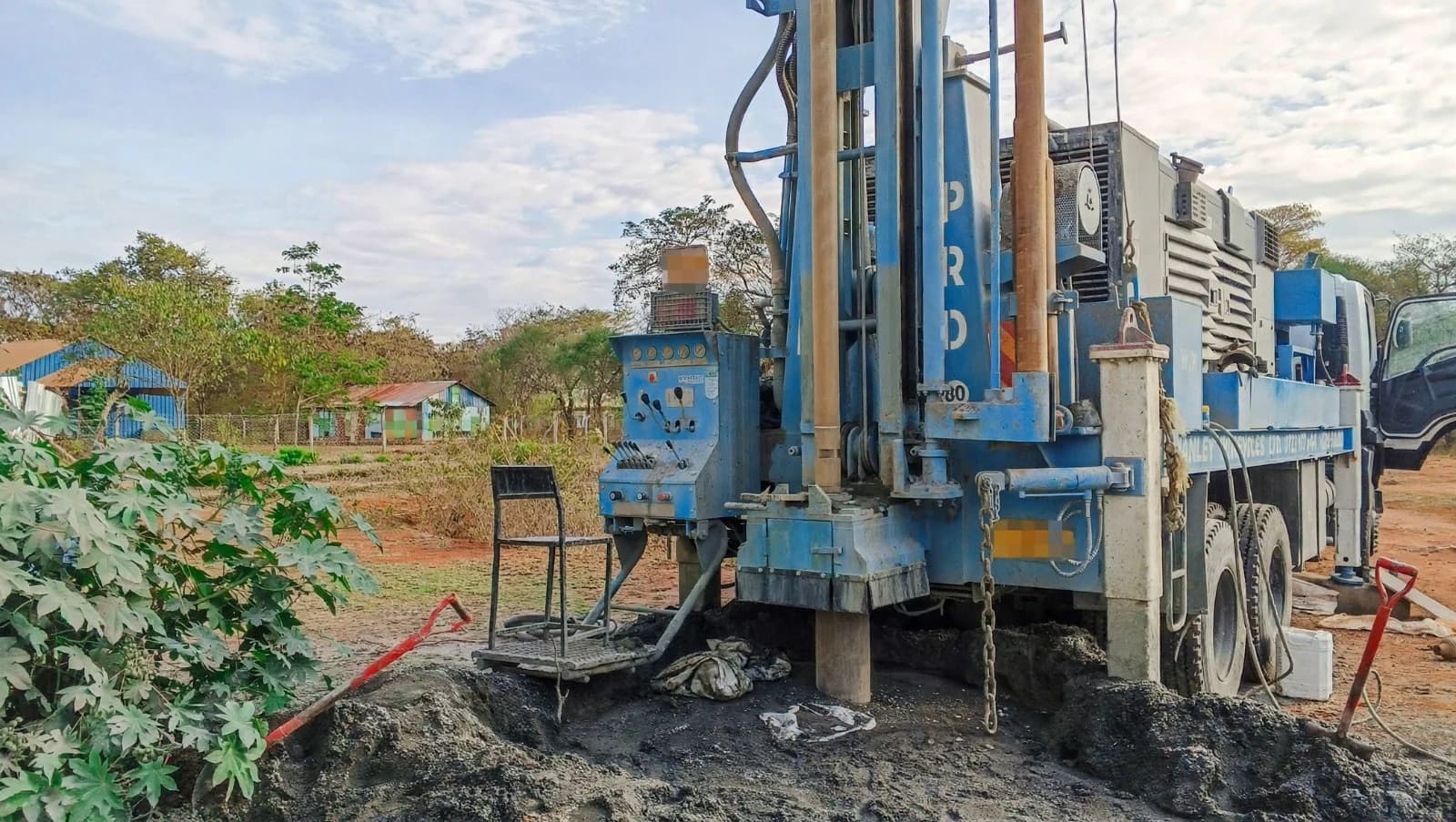




A newly drilled borehole at Mukima Secondary School in Laikipia East Sub-County is expected to give learners and more than 500 households in the surrounding community access to water after years of shortages that forced residents to depend on seasonal rivers.
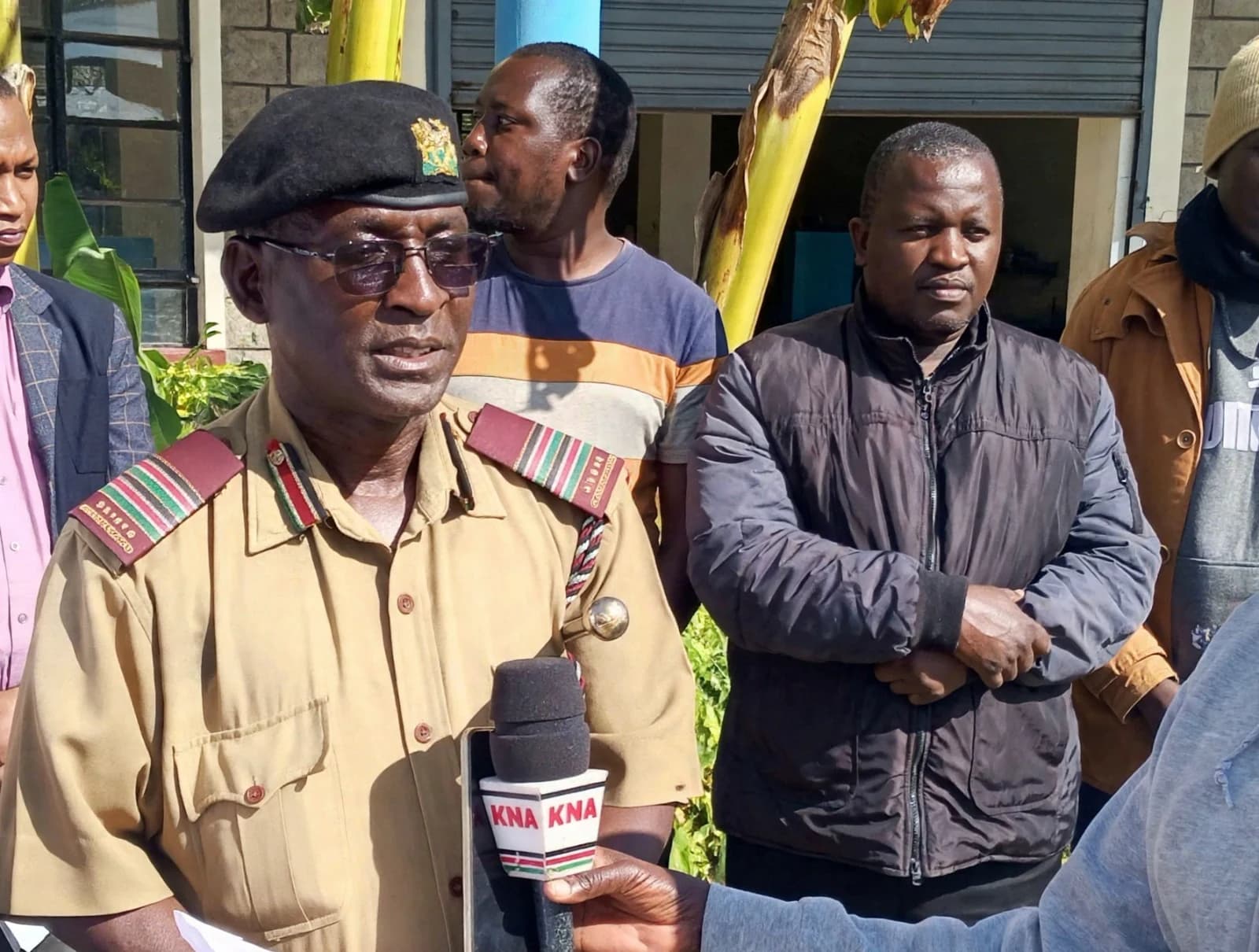
School Principal Bundi Mucheke said the school had struggled for years to access clean and reliable water, with learners and staff relying on streams that were sometimes polluted by livestock.
"We have a lot of challenges accessing water, and tap water has not been reliable. Most of the time, we have been using stream water, which in many instances is polluted by livestock," he said.
Mucheke said the borehole was supported by philanthropist Koome Kiragu, who is also the chairperson of the school's Board of Management.
He said the school plans to start a farming project to grow vegetables and other crops to supplement learners' meals.
"With the availability of water, we will now be able to farm cabbages, kale and other crops, giving our students nutritious meals, which will translate into improved school enrolment and academic progress," he said.
Kiragu said the project was meant to address the school's water challenges and also benefit the wider Mukima community, where households have endured prolonged shortages. He said more than 500 households, many of them dependent on farming, are expected to benefit. He urged residents to use the water responsibly and take advantage of the improved supply to strengthen agricultural production and livelihoods.
The borehole is expected to supply water for domestic use, livestock and irrigation.
Nancy Muringi, a beneficiary, said water scarcity had affected families and livestock, with some residents losing animals during prolonged shortages.
She said the community had for years relied on seasonal rivers, which frequently dry up during extended droughts, despite repeated political promises to drill boreholes.
Maina Munini said women had been particularly affected, often walking long distances to fetch water for domestic use.
"This is a dry place, and the only source of water is a seasonal river which has since dried up. Women could walk for more than 10 kilometres to fetch water, with an entire day dedicated to that task," he said.



Reader Discussion (0)
Sign in to comment