




Kenya's education sector is facing growing pressure to address prolonged acting appointments, with teachers increasingly raising concerns over delayed promotions, inadequate compensation and uncertainty surrounding their career progression.
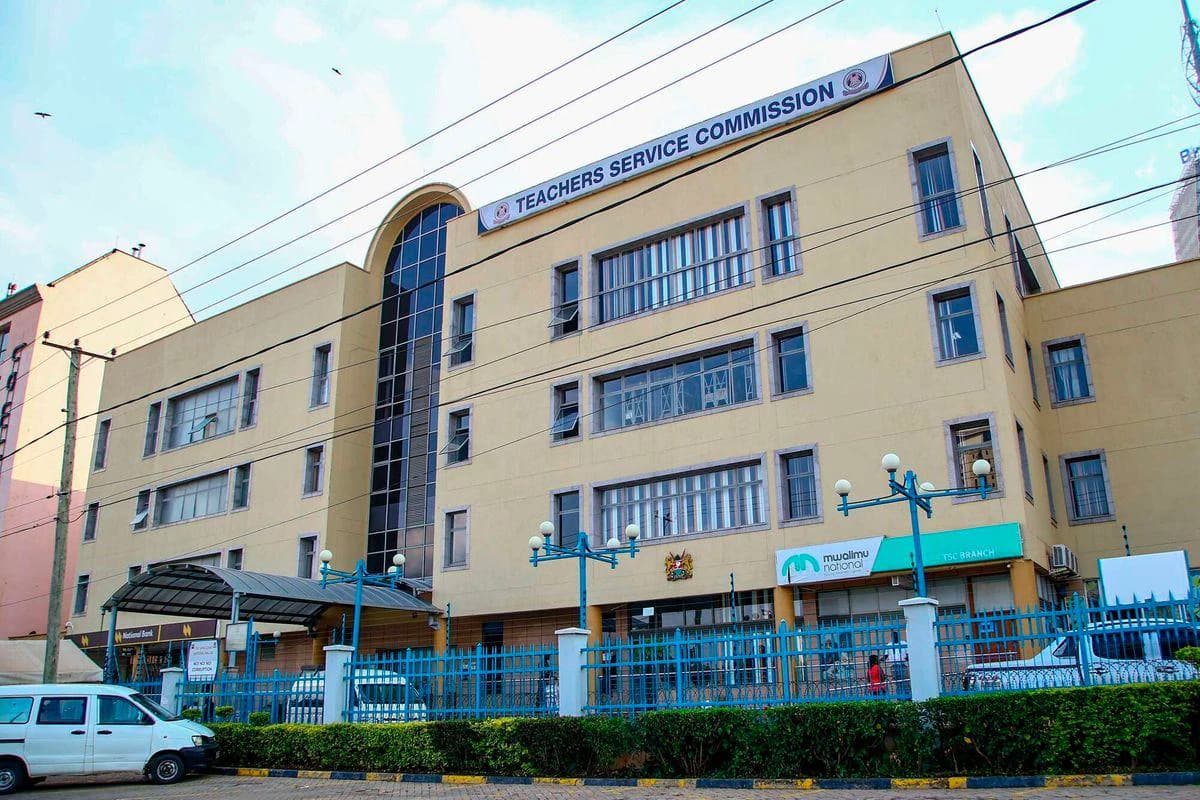
The issue has put the Teachers Service Commission (TSC) under renewed scrutiny over how it fills administrative vacancies and recognises teachers assigned responsibilities beyond their substantive positions.
Across public schools, some teachers have continued performing duties of senior administrators, including deputy headteachers, principals and headteachers, without corresponding changes in their job grades. The arrangement has left affected teachers carrying the burden of institutional management while waiting for substantive appointments and the financial benefits attached to the positions they occupy.
The concerns have gained fresh attention following a court ruling that challenged the commission's treatment of teachers deployed to higher positions for extended periods without additional compensation.
In a judgment delivered on October 30, 2026, the Employment and Labour Relations Court directed TSC to compensate affected teachers who had performed higher administrative duties without corresponding acting allowances. Judge Jemimah Keli ruled that retaining teachers in higher positions beyond six months without appropriate compensation amounted to an unfair labour practice.
The case involved 22 teachers who had challenged their deployment to higher administrative offices without corresponding remuneration and recognition. Some of the petitioners said they had served in acting positions for several years, with some assignments dating back to 2012.
Although the court directed TSC to address the compensation issue, it did not order automatic promotions, maintaining that substantive appointments fall within the commission's constitutional mandate. The ruling has intensified calls for a more predictable system of filling vacancies and managing temporary appointments within the teaching profession.
The financial implications also present a challenge for the commission. TSC has faced a Sh2.2 billion funding shortfall for acting allowances in the 2026/2027 financial year, raising questions about how it will meet its obligations to affected teachers.
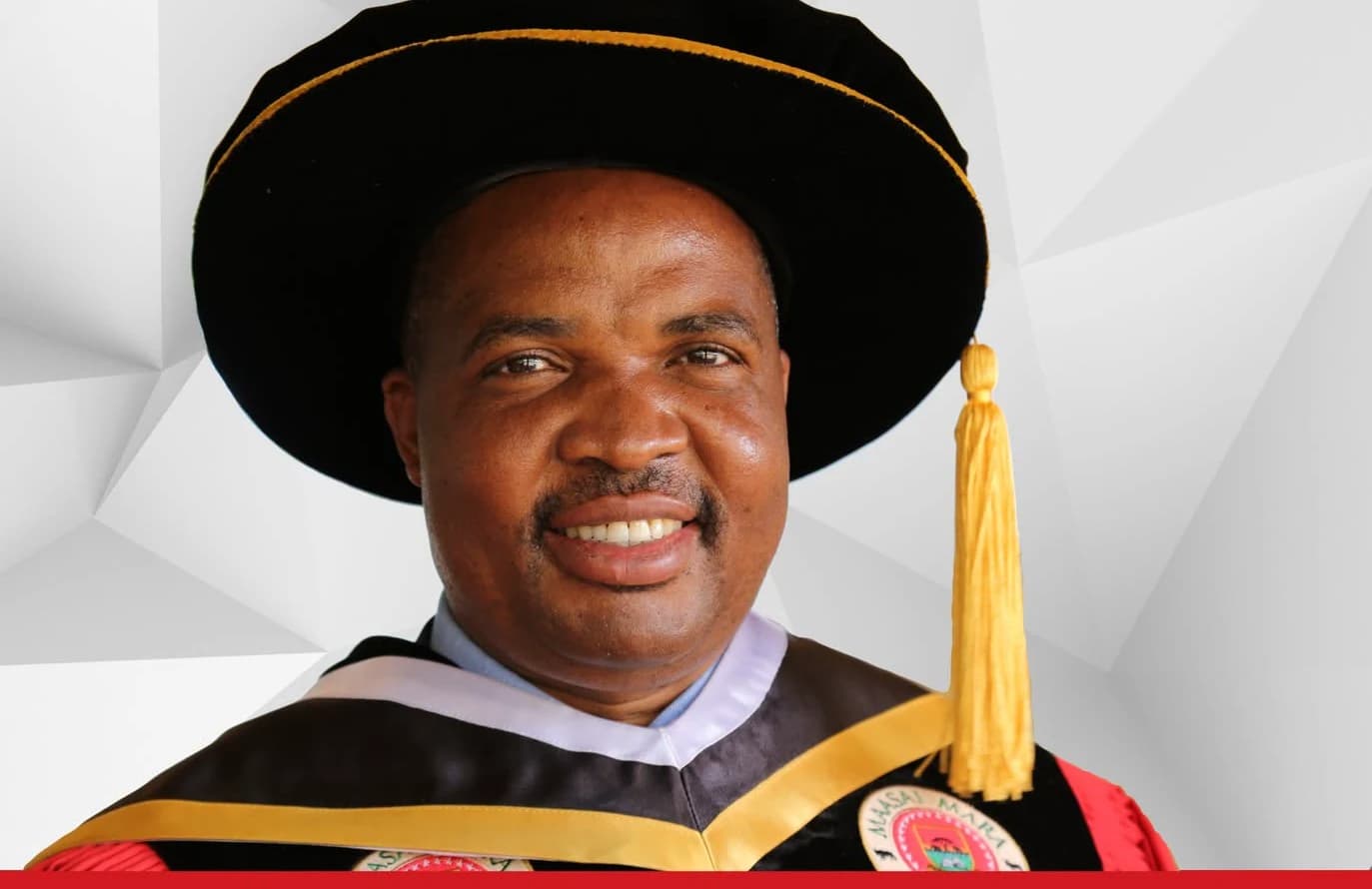
The debate comes at a time when the commission is undergoing changes at its highest level. Cheptumo Ayabei was appointed the new TSC Secretary and Chief Executive Officer following a competitive recruitment process, succeeding Evaleen Mitei, who had served in an acting capacity for approximately 17 months. His appointment ended a prolonged leadership transition at the commission following the retirement of former CEO Nancy Macharia in June 2025.
Ayabei now takes charge of an institution facing demands to strengthen teacher welfare, improve promotion opportunities and address concerns surrounding administrative appointments.
The issue is particularly important as schools take on additional responsibilities under the Competency-Based Education reforms, which require effective leadership, resource management and coordination of curriculum implementation. A predictable promotion system is also critical in motivating teachers and ensuring that experienced professionals are willing to take up administrative responsibilities.
While acting appointments remain necessary to maintain continuity whenever vacancies arise, concerns persist over arrangements that leave teachers in temporary positions for years. The challenge facing TSC is therefore to balance operational needs with fairness, ensuring that teachers entrusted with additional responsibilities receive appropriate recognition and compensation.

Reader Discussion (0)
Sign in to comment