




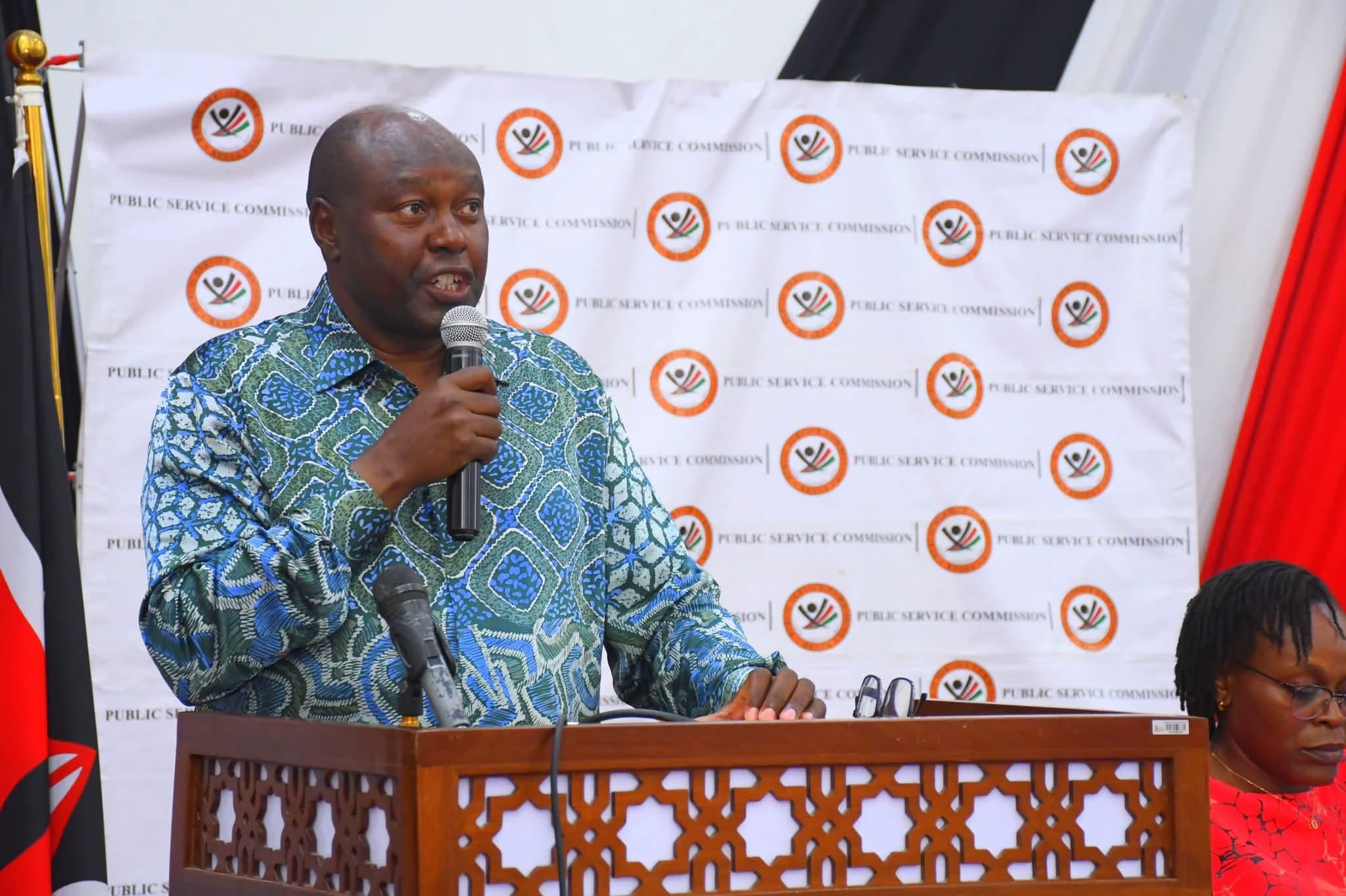



Public Service Commission (PSC) Chairperson Francis Meja has called on state corporations and public universities to identify employment gaps and provide meaningful opportunities for interns as the government prepares to increase the number of beneficiaries under the Public Service Internship Programme (PSIP) from 8,000 to 50,000 by January 2027.
Mr Meja said the expansion would require public institutions to assess their staffing needs and declare available vacancies to ensure the programme is effectively implemented. He announced that the Commission would formally write to government ministries and agencies seeking information on their vacancies and human resource requirements.
He also challenged chief executives of state corporations and vice-chancellors to ensure interns are assigned duties that build their professional skills and prepare them for future employment.
The PSC chairperson expressed concern over cases where interns had been assigned menial responsibilities, including running office errands, instead of gaining practical experience in their areas of training. He said such practices undermined the programme's objective of equipping young graduates with relevant workplace skills.
"The purpose of this programme is to prepare these young people for the job market. They are professionals in their own right, and reducing them to messengers is really missing the bigger point," he said.
Mr Meja spoke in Mombasa while officially opening a two-day capacity-building forum for state corporations and public universities at the Kenya School of Government (KSG), Mombasa Campus.
The meeting focused on human resource management challenges arising from disciplinary appeals submitted to the Commission. He said the PSC was seeking to strengthen the capacity of public institutions to handle disciplinary matters in accordance with established procedures and minimise disputes that end up in court.
He warned that failure to observe due process could expose institutions to costly legal battles and financial penalties. He cited a case in which an institution was ordered to pay Sh10 million for failing to comply with basic procedural requirements, describing such losses as avoidable.
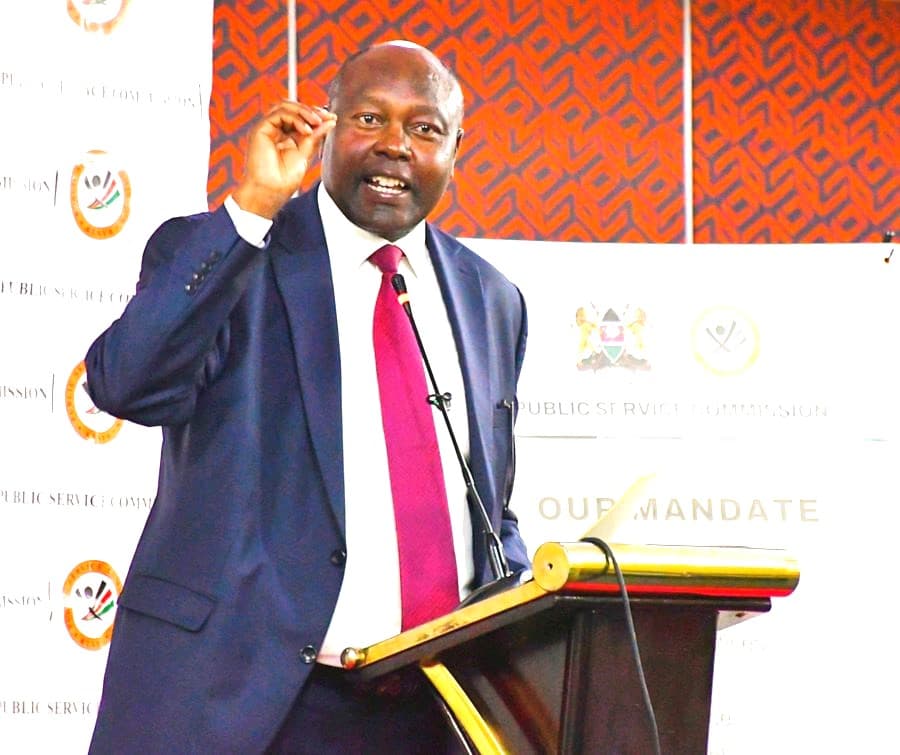
The chairperson said the training was intended to equip human resource officers and institutional leaders with the knowledge needed to handle disciplinary cases fairly, professionally and within the law.



Reader Discussion (0)
Sign in to comment