






Australia’s world-first ban on social media accounts for children under 16 has reduced the number of young users holding accounts on restricted platforms, but early findings suggest that enforcement gaps continue to allow many children to access the services.
An evaluation by Australia’s online safety regulator found that the proportion of children aged 10 to 15 with at least one account on a restricted platform fell from 52.4 per cent to 42.1 per cent during the first three months of the law’s implementation.
However, the findings show that the legislation has not significantly reduced children’s use of social media. About 81.5 per cent of the children surveyed said they had used at least one restricted platform in the previous four weeks, compared with 85.9 per cent before the ban.
The results have renewed debate over whether legal restrictions can effectively protect children from online risks when technology companies struggle to enforce age limits.
How Australia’s social media ban works
The legislation took effect on December 10, 2025, requiring ten major platforms to prevent children under 16 from opening or retaining accounts.
The affected services include Facebook, Instagram, Threads, Snapchat, TikTok, YouTube, X, Reddit, Twitch and Kick.
The law places responsibility on technology companies rather than children or their parents. Platforms that fail to take reasonable steps to comply face substantial financial penalties.
By mid-December 2025, companies had reported revoking access to approximately 4.7 million accounts belonging to Australian children, according to figures released by the regulator in January 2026.
Despite the initial account closures, authorities have continued to express concern about young users who retain access or create new accounts.
The Australian government subsequently strengthened enforcement provisions, with legislation increasing the maximum penalty for systemic non-compliance. The regulator currently cites penalties of up to A$109.2 million.
Age-verification gaps undermine enforcement
The regulator’s findings suggest that inadequate age-verification systems remain a major obstacle to enforcing the restrictions.
Among children who still had accounts on restricted platforms, 50.2 per cent said they had not been asked to confirm their age. Another 18.2 per cent reported that an age-checking system had incorrectly estimated their age.
Australia’s eSafety Commissioner, Julie Inman Grant, expressed disappointment with the level of compliance by social media companies.
Her office is investigating Facebook, Instagram, Snapchat, TikTok and YouTube over possible breaches of the law.
The difficulties are illustrated by accounts of teenagers finding ways around the restrictions, including opening new accounts using false dates of birth.
A separate study involving 408 adolescents, published in *The BMJ*, also found that more than 85 per cent of participants under 16 continued using restricted platforms at follow-up.
The researchers reported little evidence of an immediate, substantial reduction in social media use, reinforcing questions about whether account restrictions alone can achieve the intended results.
Supporters argue that the ban establishes a clear community standard and gives parents greater backing when limiting their children’s social media access.
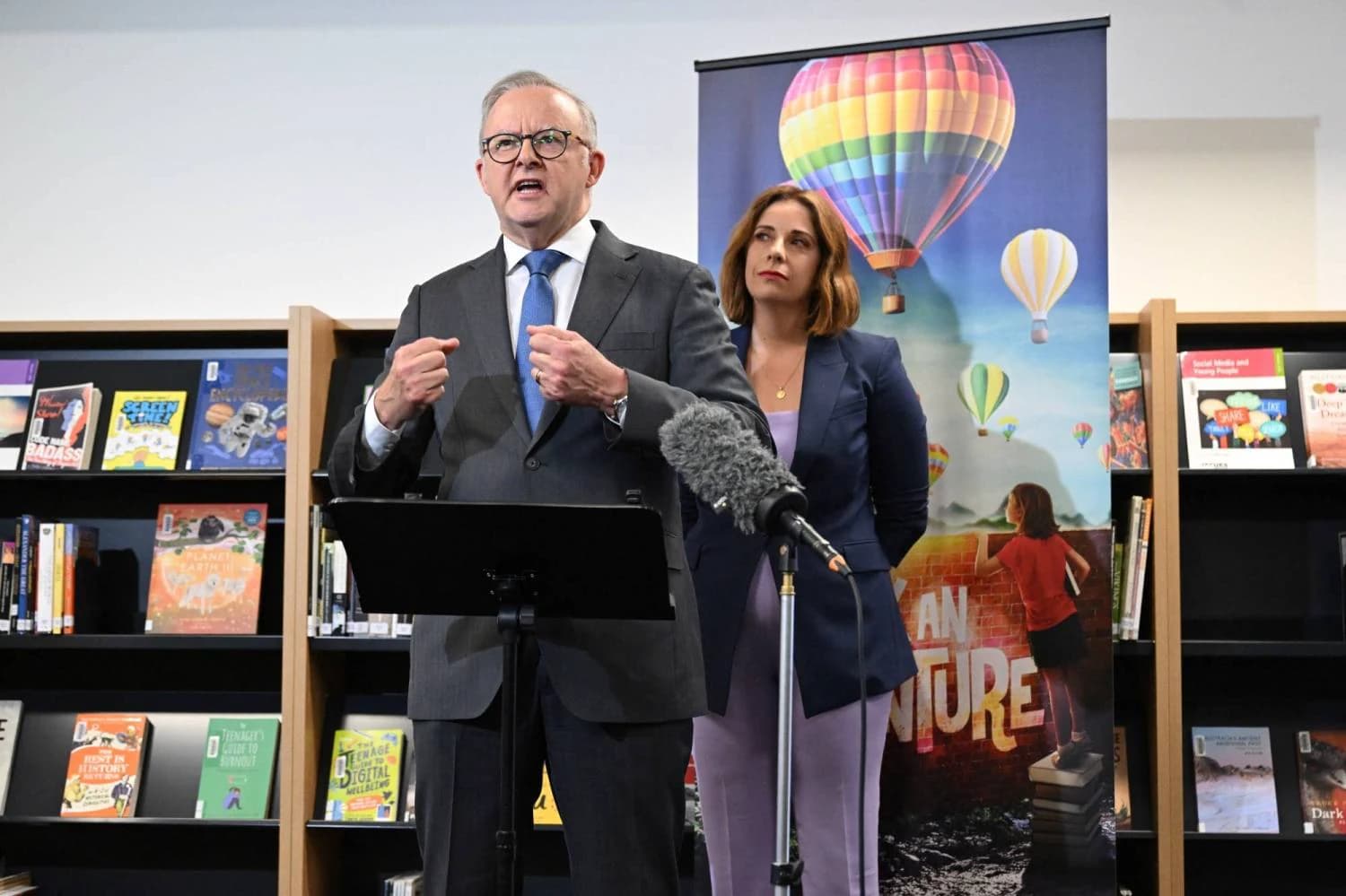
South Australian Premier Peter Malinauskas, who advocated for the restrictions, has acknowledged that the law is not a complete solution but maintains that it can encourage children to spend less time on social media.
Prime Minister Anthony Albanese has also criticised technology companies over compliance.
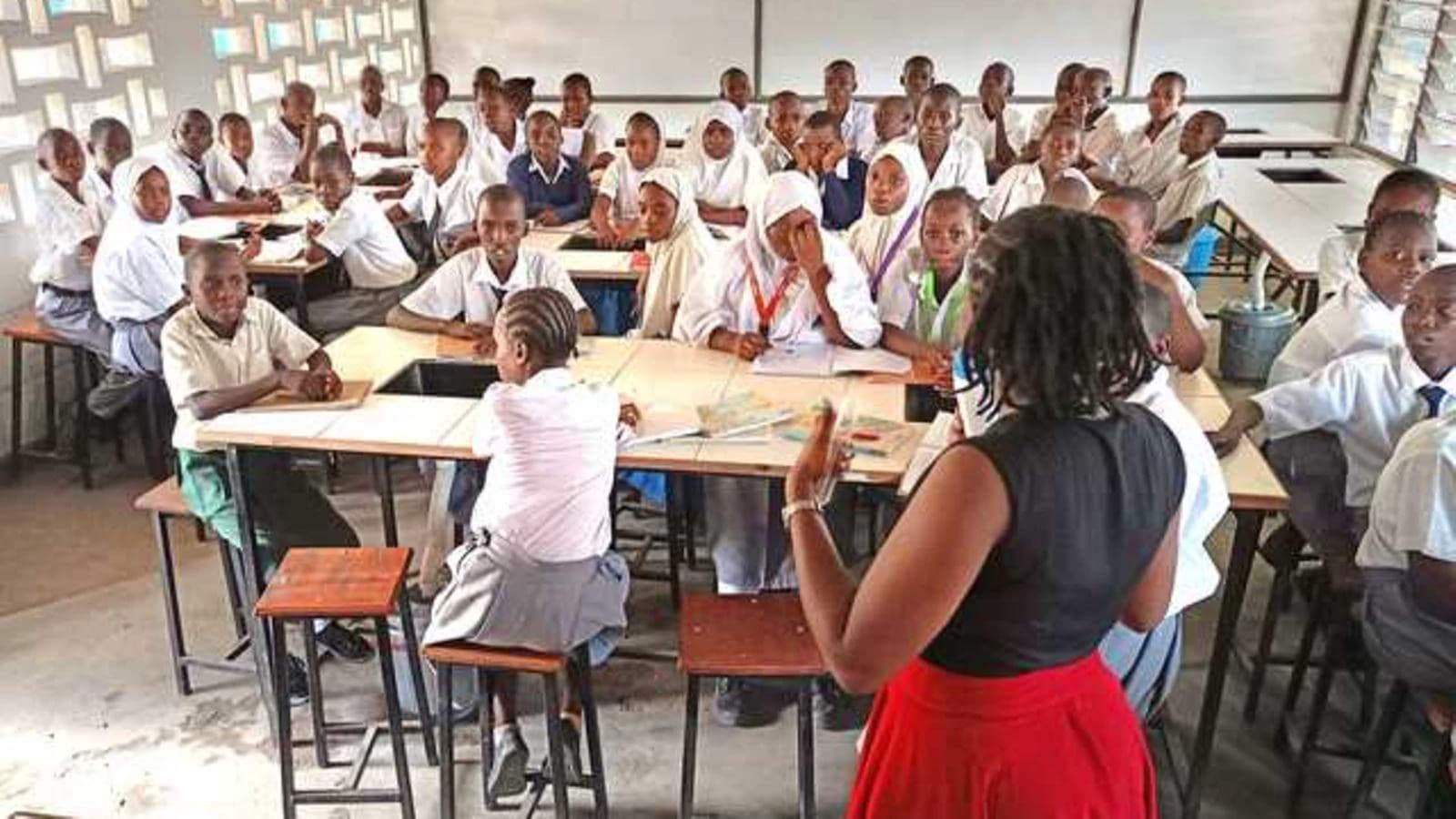
Some teachers have reported positive changes among pupils, saying the restrictions may give children more opportunities to engage in offline activities and experience childhood without constant social media pressures.
Public opinion has provided further support for the policy. A Pew Research Center analysis reported that 82 per cent of Australian adults supported restrictions on children’s social media access.
In the United States, 56 per cent of adults supported banning social media use by anyone under 16, according to a separate Pew survey.
The Australian experience is therefore attracting attention internationally as governments consider whether similar restrictions could help address concerns about children’s online safety.
Technology companies and rights groups raise concerns
Critics argue that blanket restrictions could push teenagers towards less regulated online services rather than eliminate the risks associated with internet use.
Meta has said it is complying with the law while warning that restrictions could drive young users to less regulated parts of the internet. Snap has also said it takes the legislation seriously, while TikTok has highlighted its approach to platform safety.
Reddit and a digital rights organisation have challenged the law in Australia’s High Court, arguing that it places an unjustified burden on political communication.
The legal challenges could have significant implications for how governments regulate young people’s access to digital platforms.
The debate also raises questions about how authorities can balance child protection, privacy, freedom of communication and the practical difficulties of verifying users’ ages online.
One of the most important questions is whether the ban will improve children’s mental health.
Australia’s regulator is conducting a longer-term evaluation involving more than 4,000 children and families over two years. The early findings do not establish whether the restrictions have improved mental health outcomes.
In the United States, a 2023 advisory by the Surgeon General highlighted research associating more than three hours of daily social media use with twice the risk of depression and anxiety symptoms among adolescents.
However, an association between social media use and mental health problems does not prove that removing accounts will reverse those problems.
Researchers will need more evidence to determine whether restrictions produce lasting benefits for children’s emotional well-being, sleep, relationships and educational performance.
Lessons for Kenya and other countries
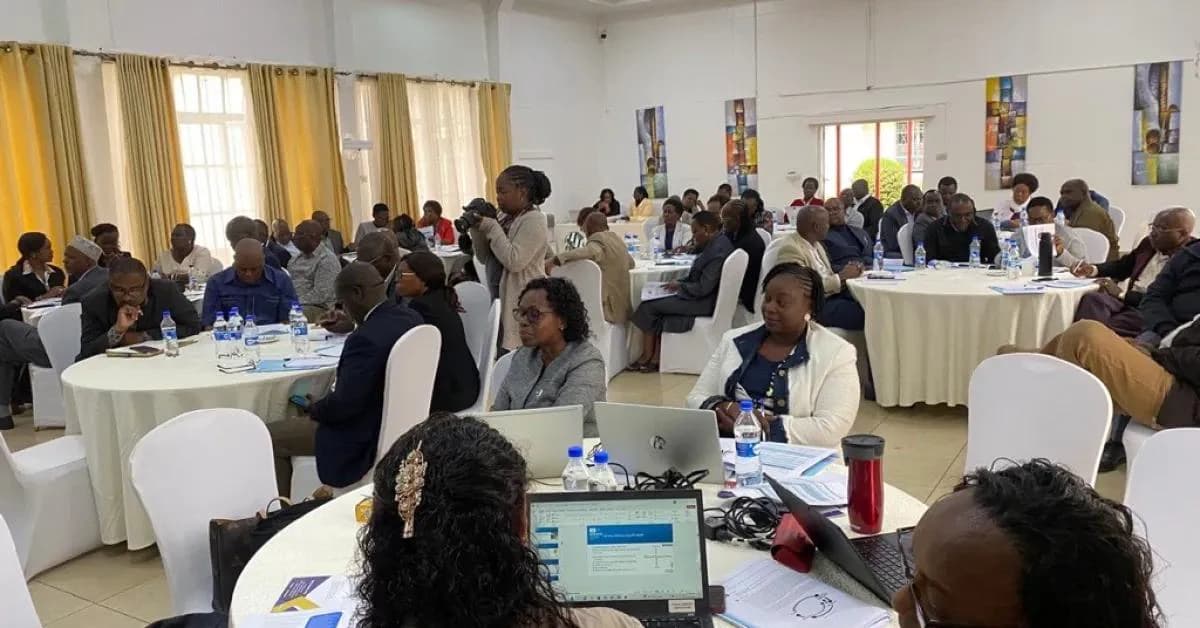
Australia’s experience offers important lessons for countries considering stricter controls on children’s social media use, including Kenya.
The early findings suggest that legislation can reduce account ownership and establish new expectations for technology companies. However, the persistence of high usage levels shows that restrictions are difficult to enforce without reliable age-verification systems and effective monitoring.
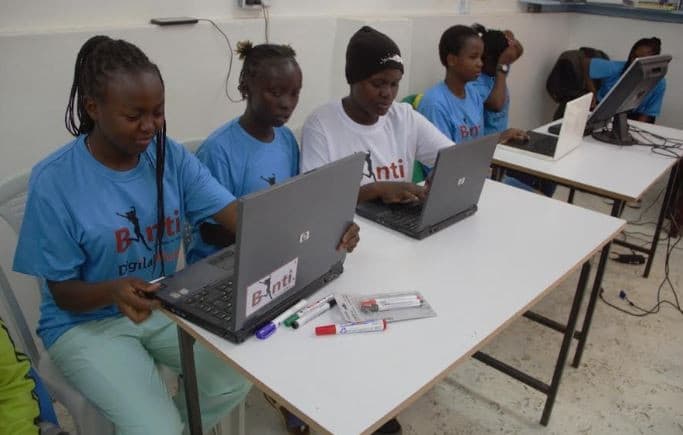
For parents and schools, the findings also underline the importance of digital literacy and open conversations about online risks.
Children need guidance on cyberbullying, exploitation, harmful content, privacy and excessive screen time. Parents can also review privacy settings, monitor age-appropriate access and establish reasonable limits on nighttime phone use.
Schools can reinforce these efforts through digital safety education and clear policies governing device use during learning hours.
Australia’s ongoing investigations and court cases will help determine how effectively the restrictions can be enforced and whether the law will withstand legal challenges.
The United Kingdom has also announced plans for similar restrictions beginning in spring 2027, potentially expanding the international debate over whether age-based social media bans are an effective way to protect children.
For now, Australia’s early results point to a central challenge: reducing children’s access to social media accounts is possible, but keeping them off restricted platforms requires more than legislation alone.


Reader Discussion (0)
Sign in to comment