







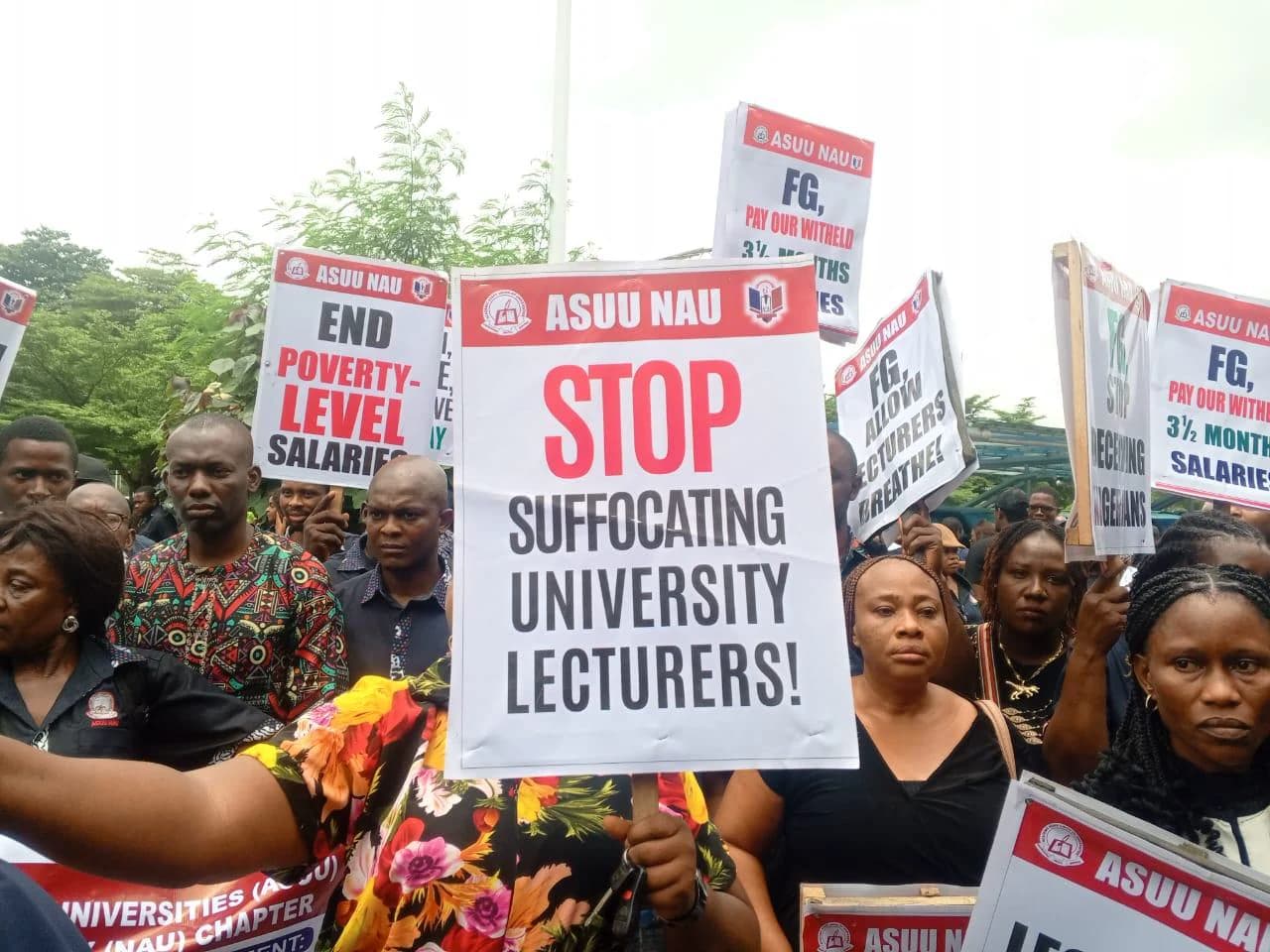
The Universities’ Academic Staff Union (UASU) is pushing for legal guarantees requiring the government to finance salaries, pensions and essential operations in public universities, warning that student fees, loan repayments and commercial borrowing should not replace predictable state funding.
The union has proposed amendments to the Tertiary Education, Placement and Funding Bill, 2026, seeking to protect university employees’ benefits, collective bargaining agreements and institutional financial stability under the proposed education reforms.
The proposals were presented on Wednesday, October 28, during the second day of stakeholder engagement convened by the National Assembly Departmental Committee on Education to examine six proposed education sector Bills.
UASU argued that public universities require a reliable funding framework to sustain teaching, research and employment obligations without exposing staff and institutions to financial uncertainty.
The union proposed a new clause requiring salaries, allowances, pensions and other employment benefits for academic staff in public universities to be financed through parliamentary appropriations.
Under the proposal, these obligations would not depend on student fees, loan repayments or commercial borrowing, which UASU considers unsuitable substitutes for direct government funding.
The union maintained that public universities need predictable and adequate allocations to support teaching, research, laboratories, libraries, information and communication technology, and other essential operations.
The proposed safeguards are intended to separate the financing of university employees and institutional operations from the arrangements used to support individual students.
UASU also called for the Tertiary Education Fund to be restricted to student financing unless Parliament expressly appropriates money for a clearly defined institutional purpose.
The proposal seeks to establish a clearer distinction between funds intended to support learners and those required to maintain university operations.
On student financing, the union called for transparent eligibility criteria, timely disbursement of funds, accessible appeals mechanisms and safeguards for vulnerable learners.
These provisions, it argued, would help make student funding more predictable and equitable while improving accountability in the administration of public resources.
University governance and borrowing under scrutiny
The union proposed that public university management and UASU be represented on the boards of the Kenya Universities and Colleges Central Placement Service (KUCCPS) and the proposed Tertiary Education Financing Authority (TEFA).
It also sought parliamentary oversight of significant borrowing by TEFA, alongside mandatory consultation with recognised trade unions on regulations affecting employees’ working conditions and institutional funding.
The proposals would give university administrators and staff representatives a greater role in decisions that could influence the financial sustainability of institutions and the welfare of employees.
UASU further called for statutory protection of existing employment status, pension entitlements and collective bargaining rights as the proposed legal framework is implemented.
The union urged lawmakers to include transitional provisions protecting current students, existing loan commitments and institutional liabilities accumulated before the new law takes effect.
It also proposed that the Cabinet Secretary responsible for Education present a five-year fiscal and institutional impact statement to Parliament before the Bill’s commencement.
Such an assessment would provide lawmakers with an opportunity to examine the proposed reforms’ financial implications, including their effect on university budgets, staffing obligations and the sustainability of student financing.
The proposals come amid wider debates over how public universities should be funded, how employment agreements should be honoured and how the government can balance student support with the operational needs of higher education institutions.
Education stakeholders present views on six Bills
The National Assembly Departmental Committee on Education, chaired by Tinderet MP Julius Melly, also received submissions from a broad range of education sector organisations.
Those who presented their views included the Kenya Private Schools Association (KPSA), Kenya Association of International Schools (KAIS), Kenya National Union of Teachers (KNUT), Kenya Primary Schools Heads Association (KEPSHA), National Parents Association and United Association of APBET Schools (UASA), alongside UNESCO and other education associations.
The consultations form part of the parliamentary process for examining the proposed legislation and assessing its implications for learners, teachers, university staff, parents, school operators and other stakeholders.
The committee is expected to consider the submissions alongside views collected during public participation forums conducted across all 47 counties before preparing its report on the six Bills.
The outcome of the legislative process will help determine whether UASU’s proposals for guaranteed university funding, stronger employment protections and greater oversight of tertiary education financing are incorporated into the final legislation.

Reader Discussion (0)
Sign in to comment