








Many Kenyan men still believe breast cancer affects only women, says Nakuru cancer advocate Elizabeth Lagat. A study at Kenyatta National Hospital (KNH) found that about four in ten men in the group studied had stage IV breast cancer when they were diagnosed.
Lagat, a consultant with Cancer Community Consultant Linkage (C3 Link), says men often organise transport, help pay medical bills and accompany their wives, mothers or sisters to cancer appointments. Yet some of those same men rarely consider that they could develop breast cancer themselves.
She says campaigns that have mainly addressed women have left some men unfamiliar with the signs of the disease. Fear of ridicule can also make men reluctant to discuss breast swelling or changes around the nipple. C3 Link plans to expand its outreach in 2027 to include men.
Lagat recalled a man who sought care at Nakuru Teaching and Referral Hospital after developing chest pain and difficulty breathing. He suspected pneumonia, but further tests revealed breast cancer.
More than half did not present with a noticeable lump
The IMANI-KNH study by oncologist Dr Peula Wanjiru King’ori examined 37 confirmed cases of male breast cancer, according to Talk Africa. The average age at diagnosis was 60.8 years, and just over one in five patients was younger than 50.
In the group studied, 56.8 per cent did not present with a noticeable breast lump and 35.1 per cent had severe breast ulceration. The median time from when symptoms began to when patients sought medical care was 18 months.
At diagnosis, 40.6 per cent had stage IV breast cancer, meaning it had spread to distant parts of the body. Estimated survival for that group was 50.3 per cent at one year and 42 per cent at two years. For the full group, the estimates were 79.5 per cent and 74.8 per cent, respectively. The figures describe patients treated at one hospital.
Breast and nipple changes that warrant a check
A new breast lump or swelling, skin dimpling or flaking, nipple discharge, a nipple that pulls inward, or persistent pain around the nipple should be assessed by a health professional. These changes can have several causes, including conditions unrelated to cancer.
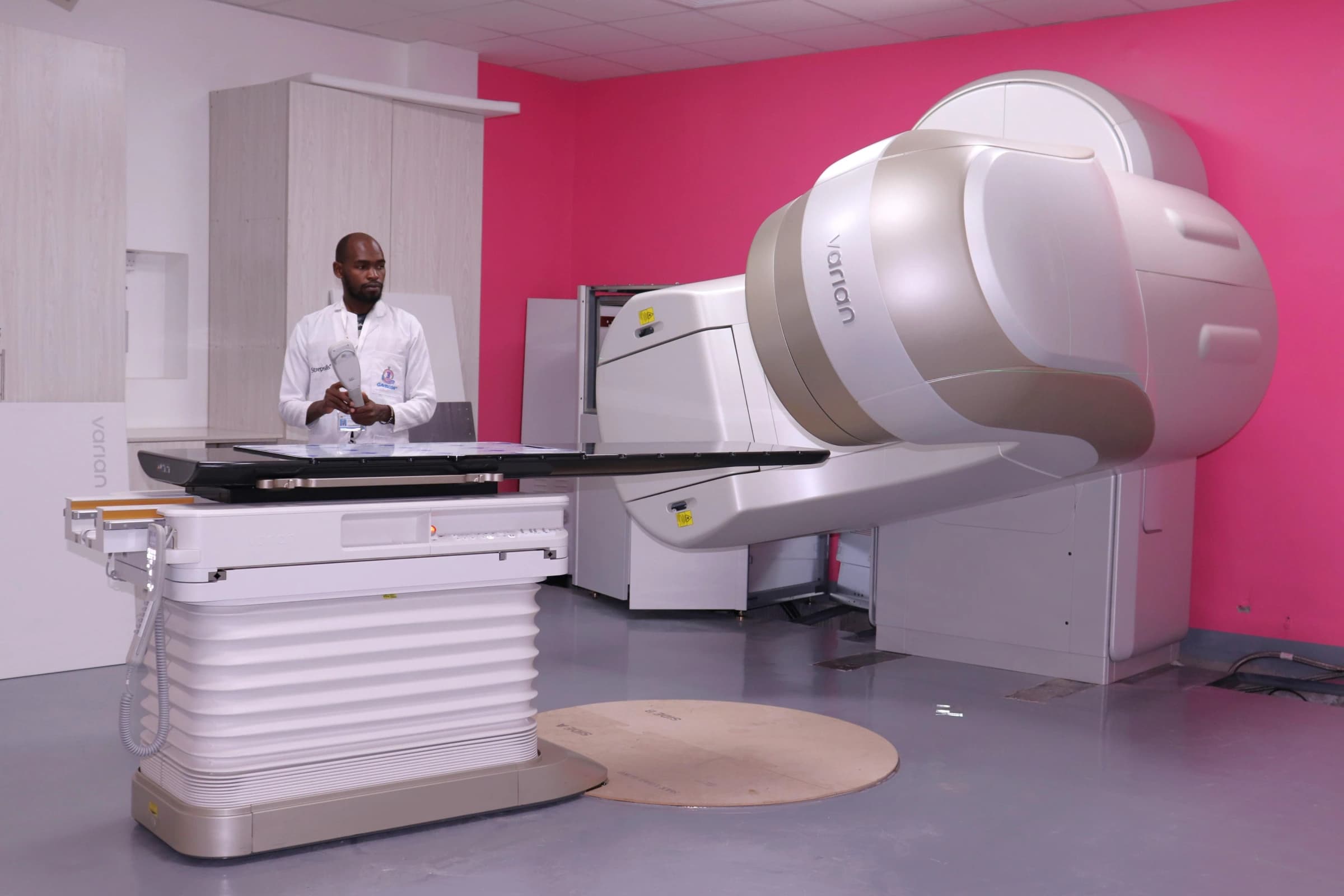
Treatment depends on how far the cancer has spread and on the characteristics of the tumour. Options include surgery, radiotherapy, chemotherapy and, for some hormone receptor-positive tumours, hormone therapy such as tamoxifen.



Reader Discussion (0)
Sign in to comment