
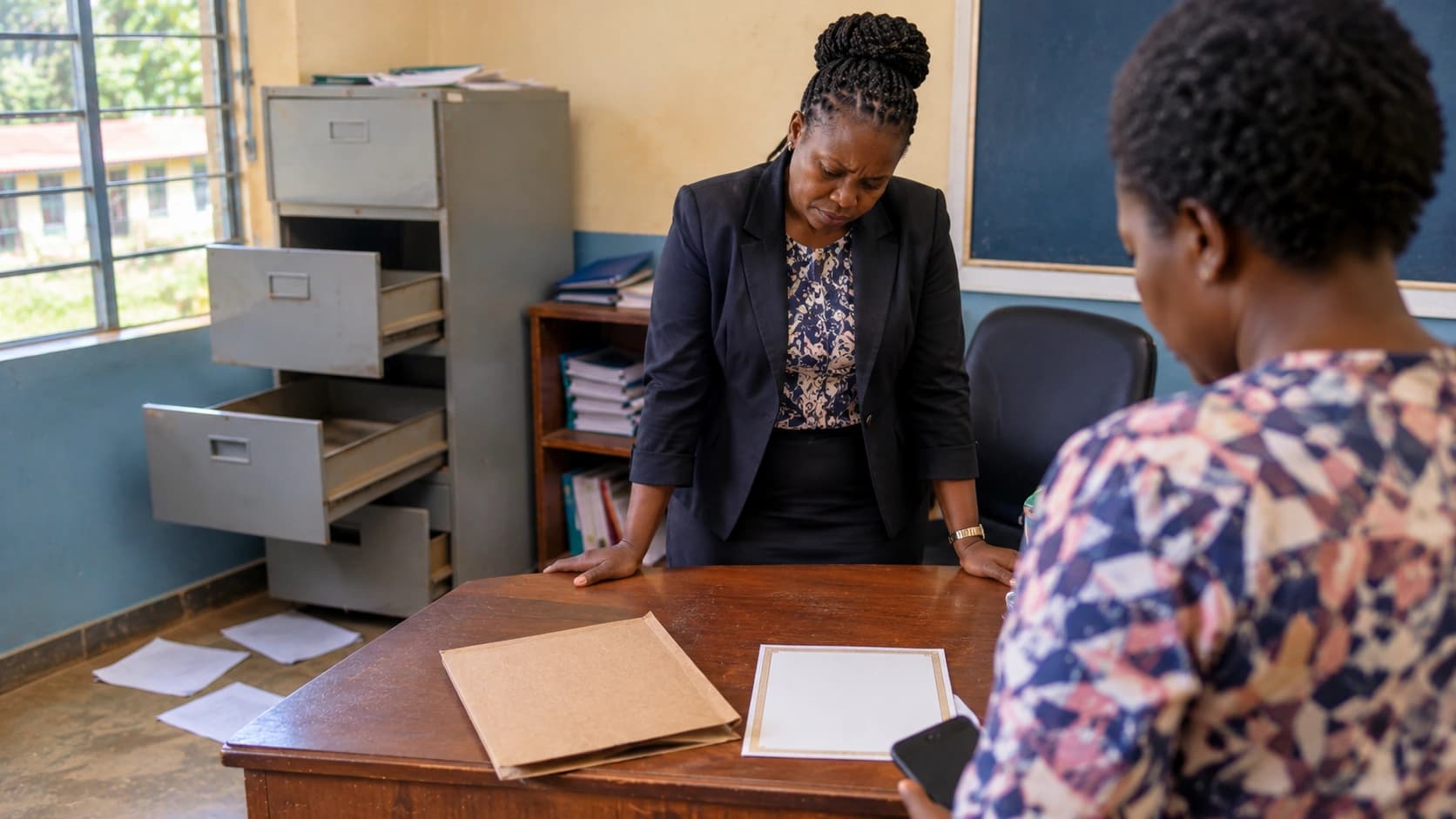







Nakuru County's Early Childhood Development and Education (ECDE) programme is facing significant infrastructure and resource challenges, raising concerns over the quality of learning environments provided to young children, an audit has found.
The audit of the county's ECDE services identified shortcomings in essential facilities, including inadequate classrooms, insufficient sanitation facilities, a shortage of learning materials and a lack of furniture suitable for young learners. It also raised concerns over delays in completing infrastructure projects meant to improve conditions in the centres.
The findings point to gaps in the county government's efforts to provide a conducive environment for children in their formative years, with some institutions reportedly operating without basic facilities required for effective teaching and learning.
A report by Auditor-General Nancy Gathungu established that only 404 of Nakuru's 1,062 ECDE centres met the recommended limit of 25 learners per classroom, leaving the majority struggling with overcrowding.
The audit found that 573 centres, or 54 per cent, did not have separate toilet facilities for boys, while 584 centres, or 55 per cent, lacked dedicated toilets for girls.
An inspection of 18 sampled institutions established that none had disability-friendly latrines, while some facilities had dangerously wide openings that could expose young learners to accidents.
In centres with designated toilets, the ratio stood at one facility for every 41 boys and one for every 42 girls, against recommended standards of one toilet for every 30 boys and 10 girls. The shortage of sanitation facilities was linked to long queues, lost learning time and hygiene risks among pupils.
The report further established that 424 centres, or 40 per cent, lacked adequate furniture suitable for young children.
Staffing was another concern, with 57 per cent of the centres failing to meet the recommended teacher-to-learner ratio of one instructor for every 25 pupils.
Nakuru County had employed 847 ECDE teachers, while school Boards of Management (BOM) had recruited an additional 1,383, accounting for 62 per cent of the teaching workforce. The reliance on teachers employed by individual schools has also placed additional financial pressure on parents, with some institutions collecting fees to pay their salaries.
Learning materials were also insufficient, with the distribution of activity books ranging from one book for every 81 learners to one for every 166 pupils, instead of the recommended one book per child.
The findings raise questions about the county's investment in foundational education, which is a devolved function. They also highlight the need for improved infrastructure, adequate staffing, proper sanitation and sufficient learning resources so that children receive quality education in safe and supportive environments.

Reader Discussion (0)
Sign in to comment