





A new audit report has exposed significant gaps in the provision of Early Childhood Development and Education (ECDE) services in Murang'a County, raising concerns over the quality of learning, working conditions for teachers and the financial burden placed on parents.
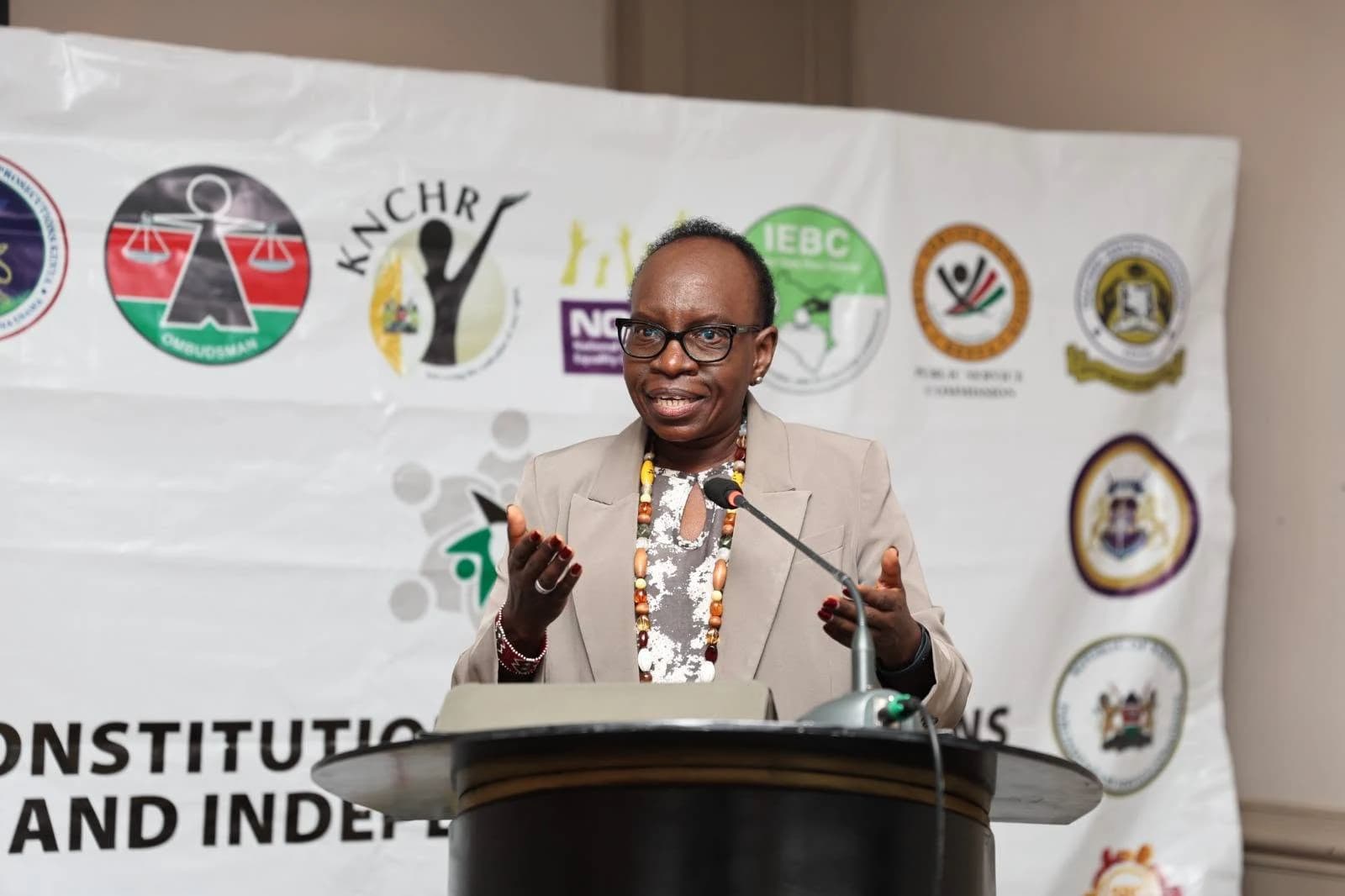
The performance audit by Auditor-General Nancy Gathungu, covering the 2022/2023 financial year to March 2026, found public ECDE centres struggling with inadequate staffing, overcrowded classrooms, deteriorating infrastructure and insufficient sanitation facilities. The findings suggest that thousands of young learners could be accessing early childhood education in environments that fall below recommended national standards.
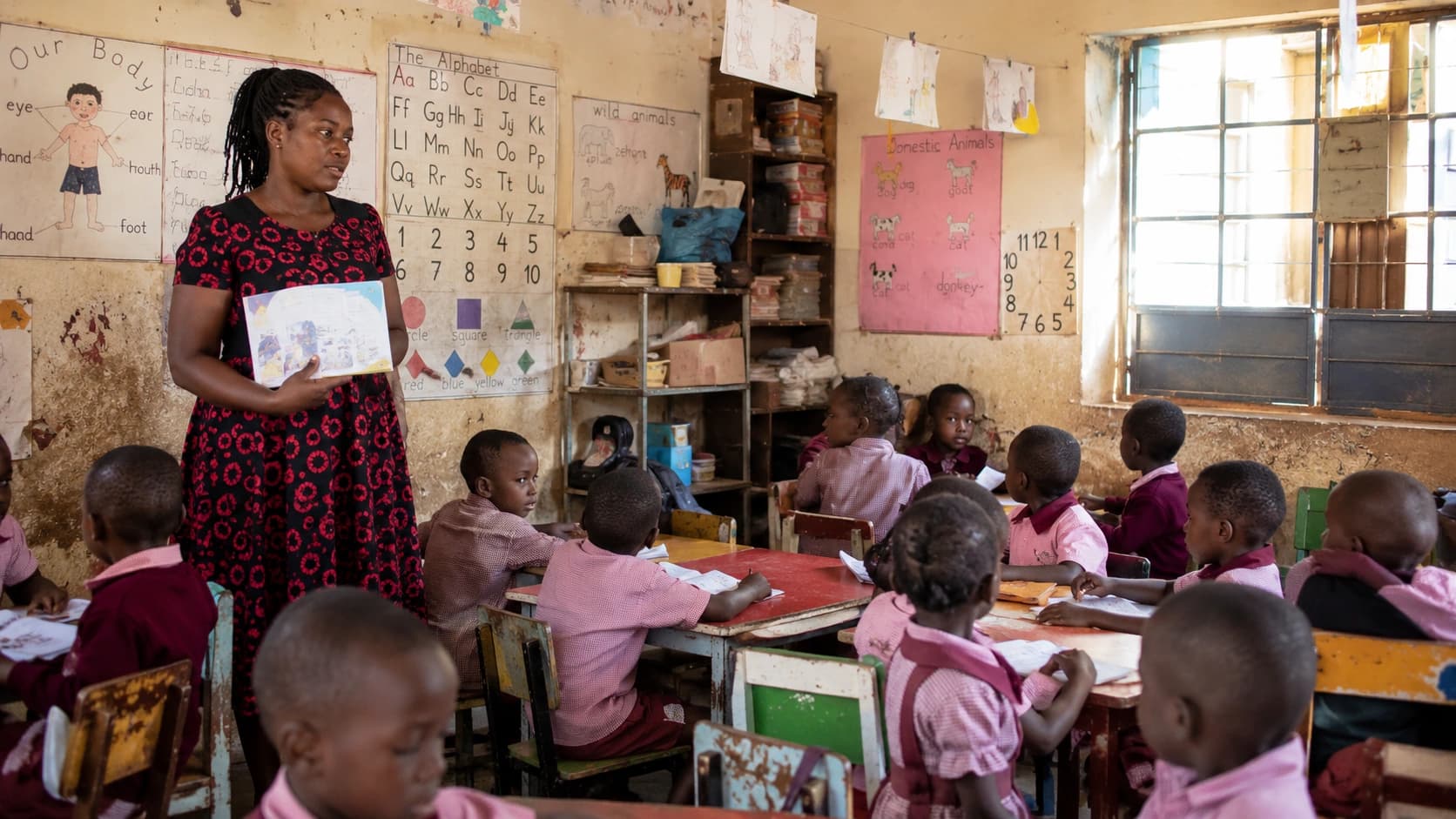
One of the most significant concerns is the shortage of ECDE teachers. According to the report, only 204 of the 669 public ECDE centres in the county met the recommended teacher-to-learner ratio of one teacher for every 25 children. The rest failed to meet the standard, limiting teachers' ability to give individual attention and deliver the early childhood curriculum effectively.
The audit also established that each pre-primary class had only one teacher instead of the recommended two, placing additional pressure on the available workforce.
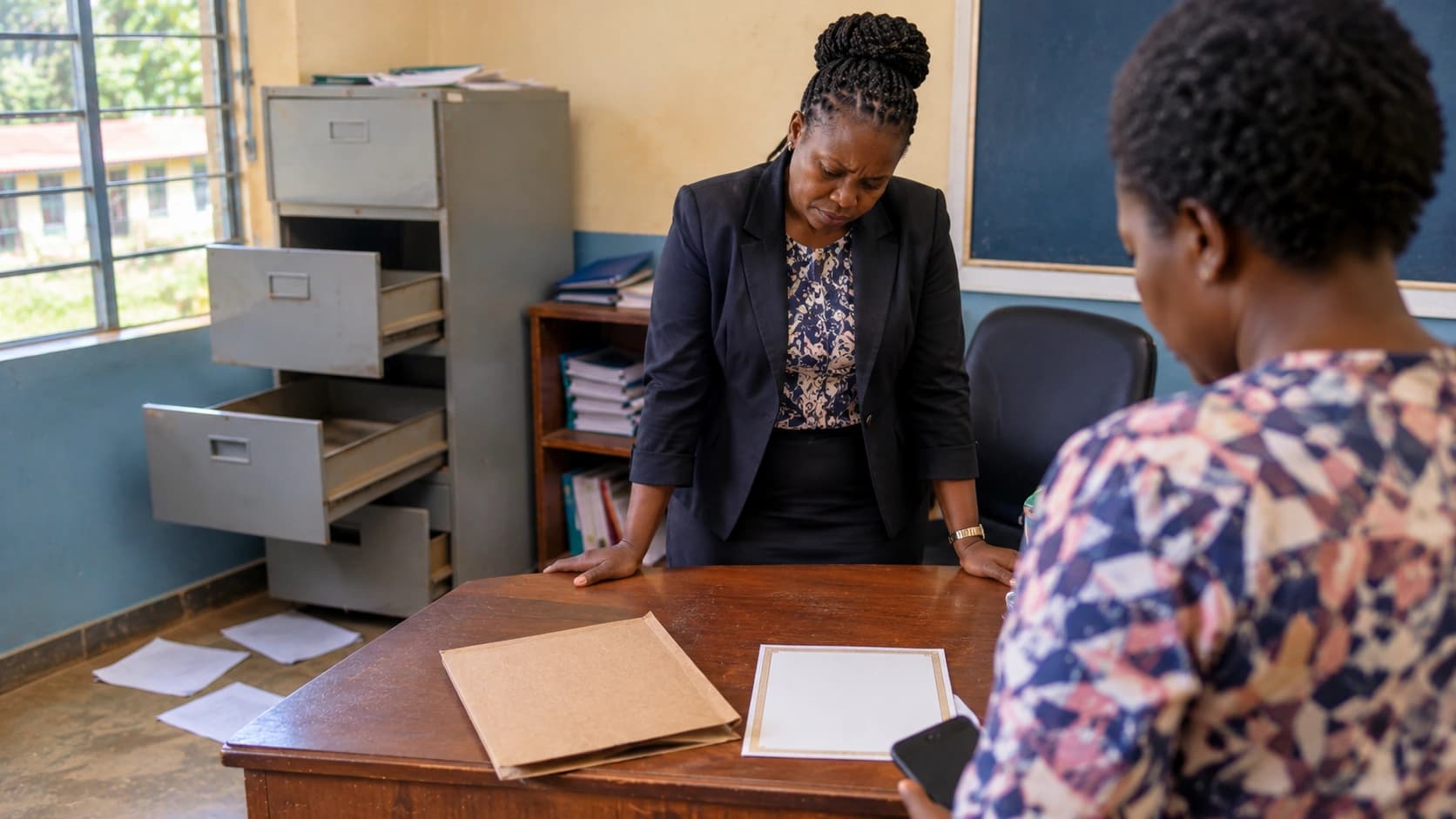
The report also questioned the employment arrangements for ECDE teachers. By September 2025, Murang'a County had employed 1,052 ECDE teachers, of whom about 93 per cent were on contract and the remaining seven per cent were interns.
Interns earned Sh10,000 monthly, while contract teachers received Sh17,520 without additional allowances or employment benefits. The audit questioned why teachers with different academic qualifications received similar salaries despite differences in their professional training.
It noted that the ECDE Teachers Scheme of Service provides for permanent and pensionable employment, with a starting salary of about Sh20,000 for the lowest cadre.
The county invested in ECDE infrastructure between the 2022/2023 and 2024/2025 financial years, constructing classrooms in 161 centres, rehabilitating facilities in 327 centres and building 60 ablution blocks. The audit found that the investments have not adequately addressed the infrastructure deficit.
An assessment of 10 sampled centres found that all except two had fewer classrooms than required. At Matindi ECDE Centre, 141 learners were sharing two classrooms, about 70 children in each room. The audit also identified classroom shortages at Mukuria and other facilities.
Physical inspections revealed cracked walls, damaged and uneven floors and leaking roofs in three centres. Eight of the sampled centres had not painted their classrooms in the recommended primary colours, and none had disability-friendly classrooms.
Only three of the 10 sampled centres had furniture in good condition. The other seven had broken or unstable desks, rough surfaces, sharp edges and protruding nails that could expose young learners to injuries.
The report also highlighted sanitation shortcomings, particularly in centres within primary school compounds. A total of 518 public ECDE centres, or 77 per cent of all such facilities in the county, were located within primary schools and shared latrines with older learners. This was found to be inconsistent with the National Pre-primary Policy requirement for separate sanitation facilities.
Even centres with dedicated toilets struggled to meet the recommended standards. None of the five sampled centres with dedicated toilets met the recommended ratio of one toilet for every 10 girls, and only two met the required ratio of one toilet for every 30 boys. The facilities also lacked sufficient handwashing stations and disability-friendly sanitation infrastructure.
The audit also established that parents in six of the 10 sampled centres were contributing money to support Board of Management (BOM) teachers, cleaners, cooks, learning materials and other operational expenses, despite the prohibition on such charges in public ECDE centres.
At Mukuria ECDE Centre, parents paid Sh1,265 per term to support a BOM teacher and a watchman. Parents at Ngurwe-ini contributed Sh400, while those at Kimorori paid Sh500 to support a teacher, cleaner and learning materials. At Majikiboko, the contribution was Sh800 per term, while parents at Mangi paid Sh1,500 to cater for lunch, learning materials, a teacher and minor repairs.
The Auditor-General warned that such payments could undermine equal access to early childhood education, particularly for children from poor households.
The findings place the county's management of ECDE services under scrutiny, particularly on teacher recruitment, infrastructure, employment conditions and the provision of basic learning facilities.
The report points to the need for an intervention that goes beyond constructing classrooms, including recruiting adequate teachers, improving their employment terms, renovating dilapidated facilities, providing appropriate furniture, establishing child-friendly sanitation facilities and ensuring that parents are not subjected to prohibited charges.
Reader Discussion (0)
Sign in to comment