The government's 2028 clean cooking target faces a major financial hurdle as thousands of learning institutions struggle with the cost of switching to modern energy technologies.
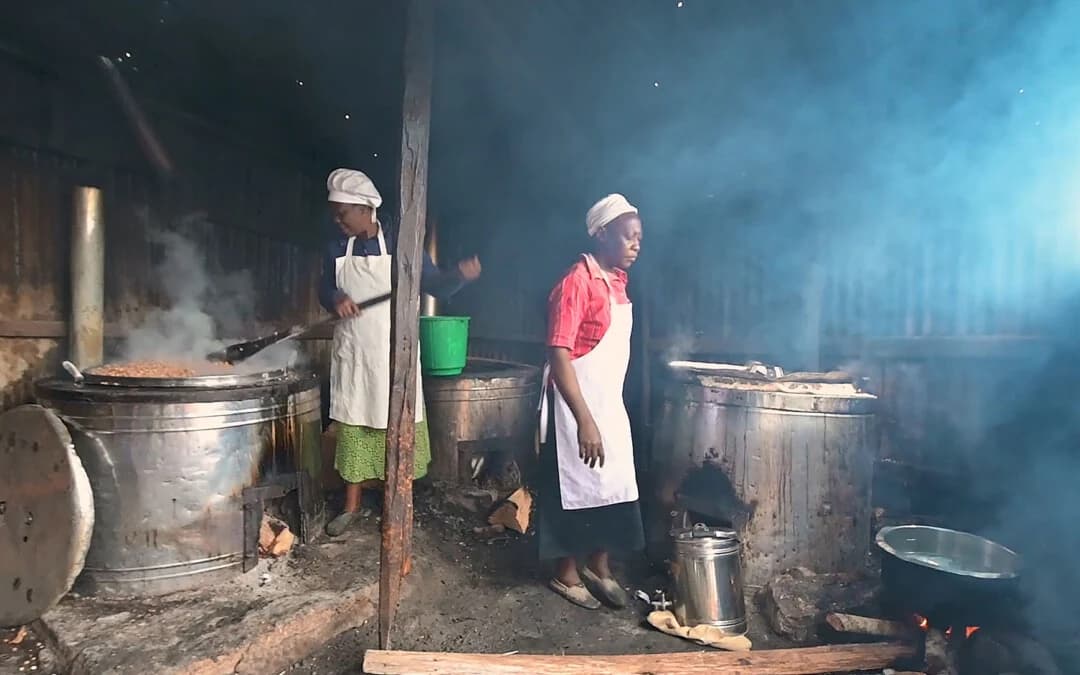
More than nine out of every 10 schools in Kenya still use firewood to prepare meals for learners, exposing a significant gap in efforts to move public institutions to cleaner and more sustainable energy. Thousands of schools must prepare meals daily for hundreds or even thousands of learners, which makes cooking fuel a critical part of institutional spending.
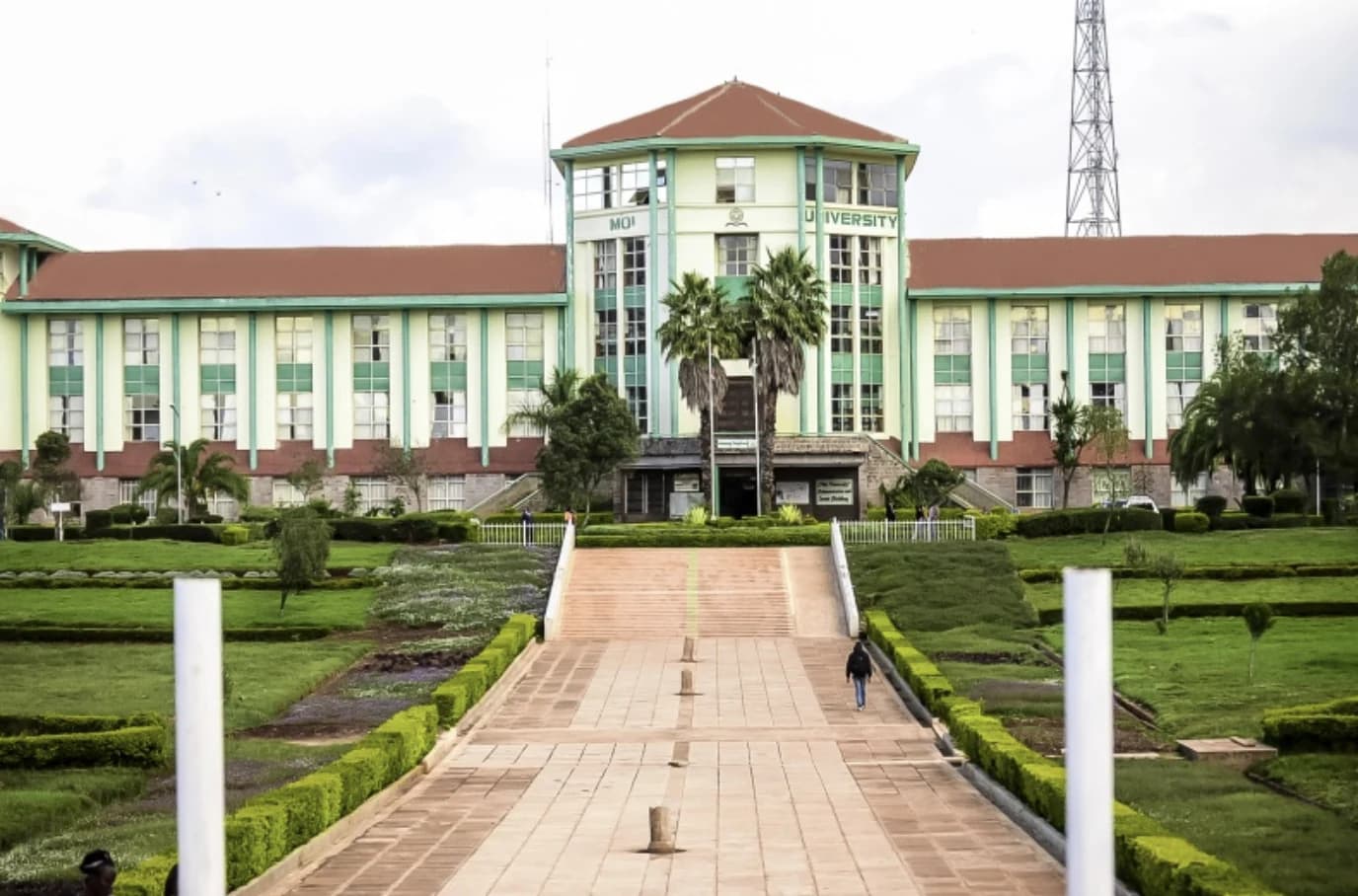
Moving schools from traditional biomass fuels to cleaner cooking technologies will require substantial investment. An estimated Sh59.3 billion is needed to support 10,000 secondary schools, 250 Technical and Vocational Education and Training (TVET) institutions and 42 universities. The requirement highlights the scale of the challenge facing the government as it pursues its clean cooking agenda while trying to protect already stretched institutional budgets.
According to KCB Bank Kenya's November 2026 update, more than 90 per cent of schools still depend on firewood for cooking. Earlier findings cited in the bank's 2023 integrated report, drawing on a 2018 Clean Cooking Alliance of Kenya study, indicated that up to 97 per cent of primary and secondary schools relied on firewood.(Education News Kenya — https://educationnews.co.ke/news/kenya-faces-sh59-3-billion-clean-cooking-bill-as-over-90-per-cent-of-schools-still-use-firewood)
Continued dependence on biomass has far-reaching consequences, including pressure on forests, higher greenhouse gas emissions and exposure to indoor air pollution among kitchen workers and school communities. For school administrators, the transition is not only an environmental undertaking but also an economic decision that could reshape how institutions manage their recurrent spending.
Financial institutions are emerging as important partners in Kenya's efforts to speed up the adoption of clean cooking in educational institutions. Since 2022, KCB Bank has run a clean energy financing initiative valued at more than Sh2 billion, supporting about 600 schools and 60 TVET colleges to move to cleaner energy. The participating institutions have reportedly benefited from reduced dependence on firewood, lower energy costs and more reliable cooking operations.
The programme shows the potential of private-sector financing, but its reach is small compared with the thousands of institutions that still need support.
KCB Bank Kenya Managing Director Annastacia Kimtai said the transition requires more than installing modern energy equipment and that institutions must rethink their energy systems.
"It is not just about installing solar panels, it is about transforming the very foundations of how our education institutions operate, transforming our communities and our nation," Kimtai said. Her remarks underscore the need to build sustainable energy planning into the management and development of educational infrastructure.
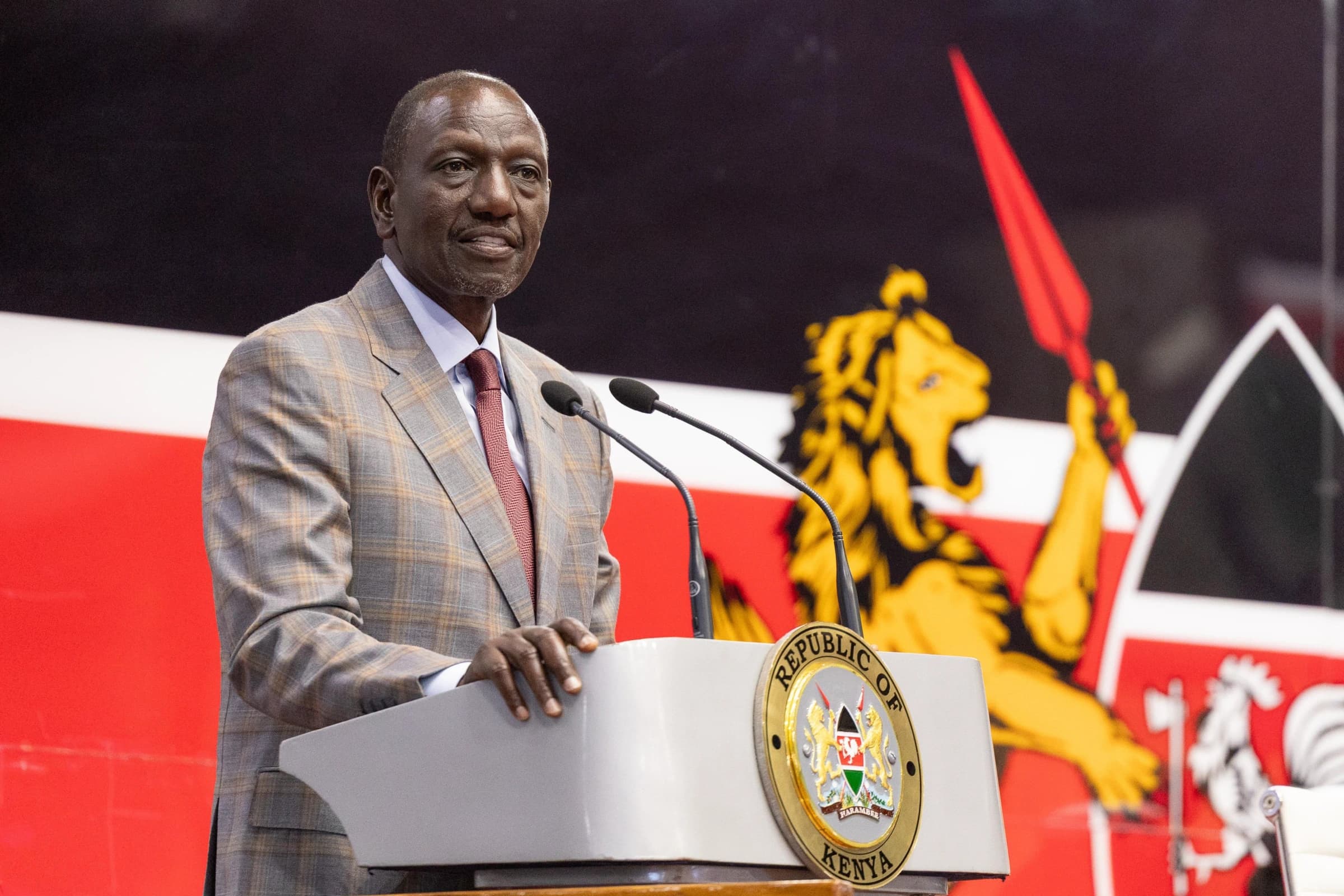
The government has committed to universal access to clean cooking by 2028, which adds urgency to efforts to reduce dependence on traditional biomass fuels. Environment Cabinet Secretary Deborah Barasa has stressed the importance of partnerships among government agencies, financial institutions and private investors. She said low-carbon technologies and strategic public-private partnerships will be instrumental in reducing biomass consumption, lowering institutional energy costs and protecting the country's forest cover.
"Through the Ministry, we continue to champion low-carbon technologies and strategic Public-Private Partnerships that cut biomass reliance, lower operational energy costs, protect Kenya's forest cover, and create healthier, more reliable learning environments for our students," Barasa said.
The target faces the practical challenge of ensuring that schools can afford the upfront cost of acquiring and installing modern cooking systems.
The Sh59.3 billion requirement raises questions about how schools with limited resources will meet the cost of moving away from traditional cooking. Development finance institutions and private investors are expected to play an important role through concessional loans, risk-sharing mechanisms and technical assistance, which could make clean energy investments more affordable and reduce the financial risks of installing modern cooking infrastructure. For many schools, the biggest obstacle may be not the willingness to adopt cleaner technologies but the inability to raise the initial capital.
The benefits extend beyond savings. Lower firewood consumption would ease pressure on forests, and cleaner cooking systems could improve working conditions for kitchen staff by reducing exposure to smoke and harmful pollutants. Schools could also gain greater predictability in energy spending, freeing resources for other learning and operational needs.
The KCB programme shows that partnerships between financial institutions and learning institutions can help speed up the transition. Scaling it from 600 schools and 60 TVET colleges to thousands of institutions will require sustained investment, affordable credit and effective implementation. The Sh59.3 billion requirement also gives the government an opportunity to treat clean cooking as part of education infrastructure development and not as an isolated environmental intervention.
With the 2028 deadline approaching, the success of the national clean cooking ambition will depend on whether the government and its private-sector partners can mobilise enough resources for schools across the country to abandon firewood without added financial pressure on their operations. The transition will be measured not by the number of clean energy policies announced but by how many learning institutions can sustainably prepare meals without firewood.









Reader Discussion (0)
Sign in to comment