








Teachers and educationists in Embu County, where some schools reportedly have an oversupply of computers while others have limited or no access, now want fairness in the distribution of devices guaranteed.
Speaking to Education News, stakeholders drawn from Mbeere South and Mbeere North called for the distribution of digital equipment to schools to be streamlined to ensure transparency and address access imbalances.
Led by John Kinyua, a teacher from the Kiambere area, the educationists said teachers’ and students’ interaction with digital devices in many schools in the Mbeere region remained largely limited to privately owned Android-powered mobile phones.
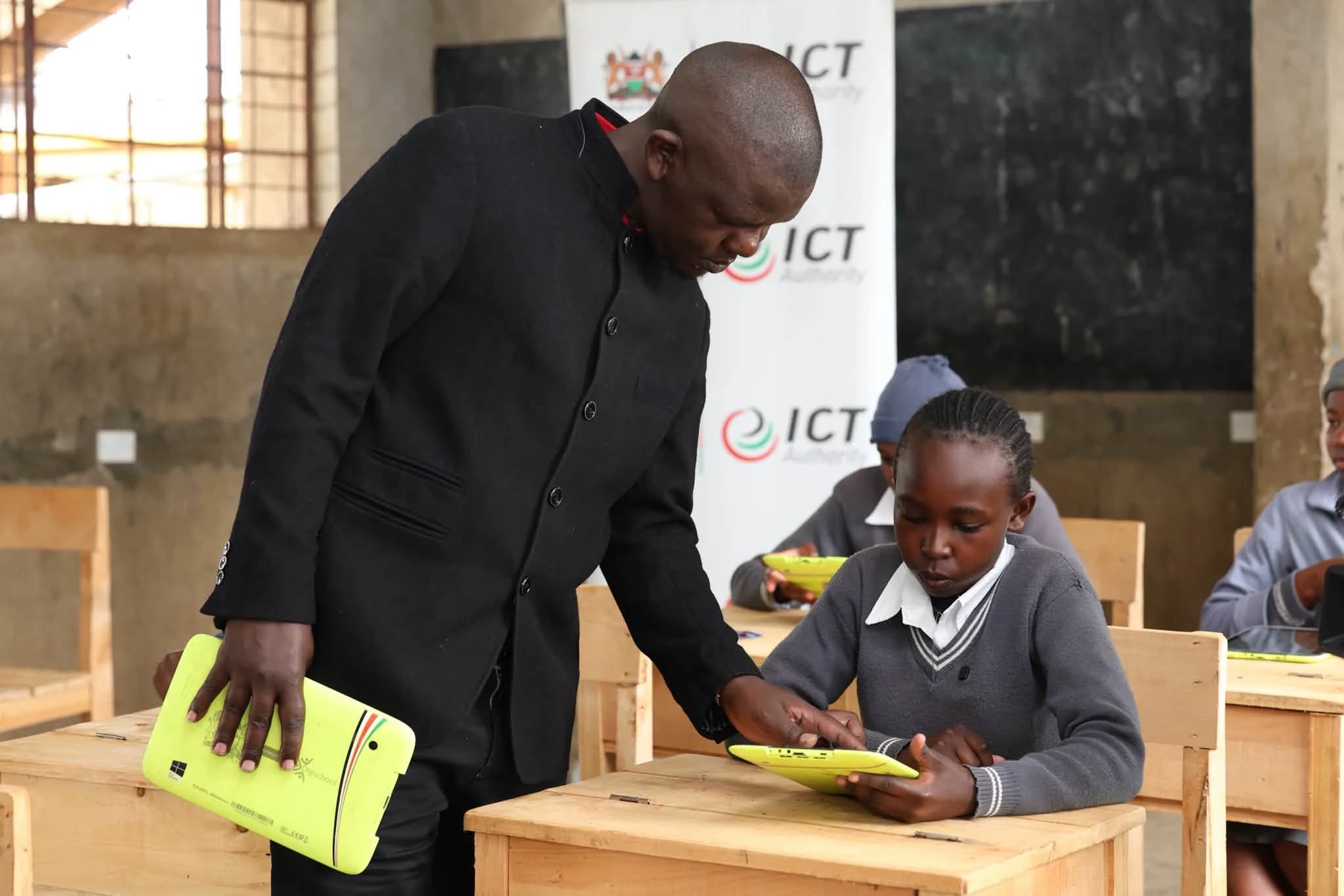
“In some schools, like the several I have taught in the recent past, digital education devices are rare. The first consignment of tablets distributed to schools by the government remains in stores, and the only interaction teachers and learners have is through Android-powered mobile phones,” the teacher said.
Some schools in Embu County and other parts of the country risk being left behind in digital education, the teachers alleged, despite equipment supplied by the government and donors.
According to the teachers, there are substantial imbalances in how various organisations distribute computers to schools. They said donors should incorporate data on the needs of individual schools and regions.
The teachers lamented that the government, which holds data on schools and their equipment needs, appeared unable to ensure coordinated and equitable distribution.
“How come it is the national government and its various agencies, state corporations, non-governmental organisations, private firms and development foundations that lead the distribution of computers and other digital educational devices in such unfair ways?” one stakeholder asked.
Questions over selection and coverage
Recent milestones in the provision of digital learning devices include the government’s launch of the first consignment of laptops and interactive smart boards in June 2026.
The phase targeted 10,382 schools and was described as a major milestone in efforts to modernise learning and accelerate the country’s digital transformation agenda. The flagging-off was led by the Broadcasting and Telecommunications Principal Secretary.
The stakeholders said such programmes should involve the Ministry of Education and clearly explain how beneficiary schools are selected and when those left out will receive equipment.
Although the World Bank-supported Kenya Digital Economy Acceleration Project involves several ministries, the stakeholders said they wanted clearer information on how equitable distribution is ensured under the Digital Literacy Programme Scale-Up.
Parents and teachers in areas of Embu yet to benefit continue to question how learners left behind will be supported to access comparable digital learning opportunities.
Among the government institutions involved in distributing equipment are the Ministry of Information, Communications and the Digital Economy and the ICT Authority.
Development foundations associated with commercial organisations have also donated consignments of desktop and laptop computers to schools.
ACK Kiamuringa School in Mbeere South received computers from the Stanbic Kenya Foundation under an arrangement in which the new digital hub would also serve surrounding communities.
The draft also refers to Digital Literacy Programme support reaching 381 public primary schools in Embu County, with stakeholders questioning when other schools would benefit.
In some schools, stakeholders said, suitable buildings to house digital equipment remain inadequate, and some devices are kept in makeshift stores.
They urged the government to treat school computerisation as an essential educational investment rather than a favour to selected institutions. They also expressed concern that political considerations could leave some regions disadvantaged.
Training and coordination concerns
School heads said their institutions lacked enough teachers with the skills to operate the equipment and guide learners. They called for faster teacher training in computer applications and general ICT skills.
Teachers in Embu County appreciated efforts by legislators, including Senator Alexander Mundigi and Manyatta MP John Mukunji, to distribute computers and laptops to schools.
However, they alleged that some distributions were undertaken without sufficient consultation with the Ministry of Education, resulting in equipment going to schools that already had digital laboratories established by parents, donors or the ministry.
Parents interviewed about arrangements in various secondary schools, particularly county and national schools, said some learners used laptops purchased by their families as an admission requirement.
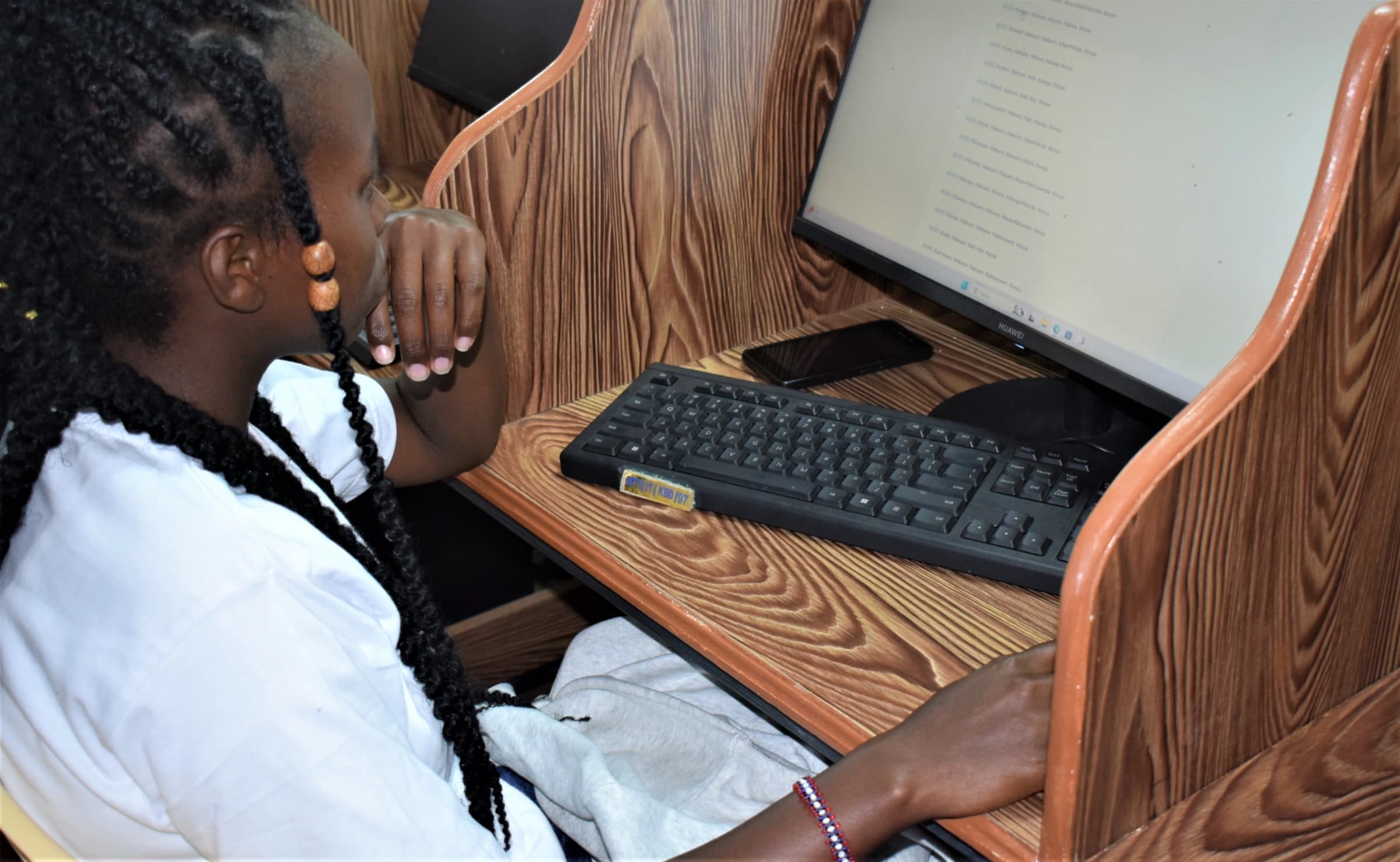
They said parents were sometimes required to buy laptops or pay levies towards school computers. In some institutions with only a handful of devices, parents reportedly paid at least Sh1,500 annually towards the equipment.
Reader Discussion (0)
Sign in to comment