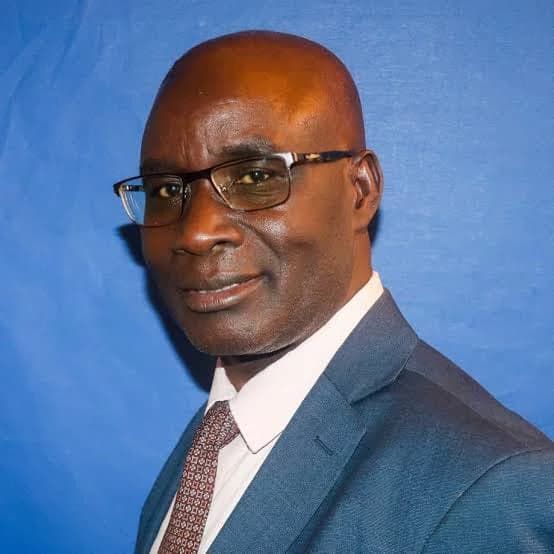

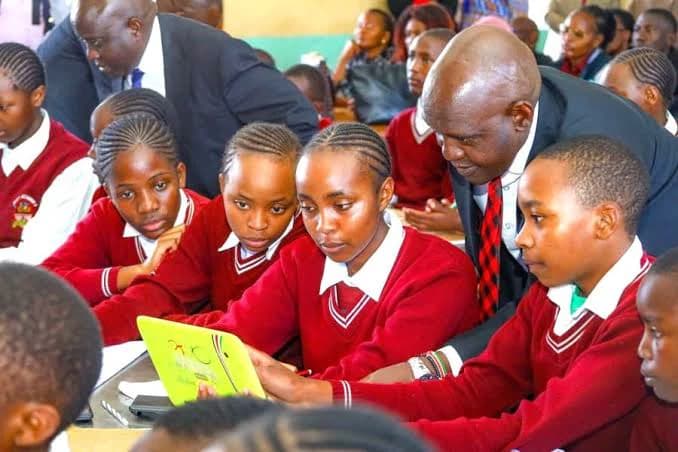
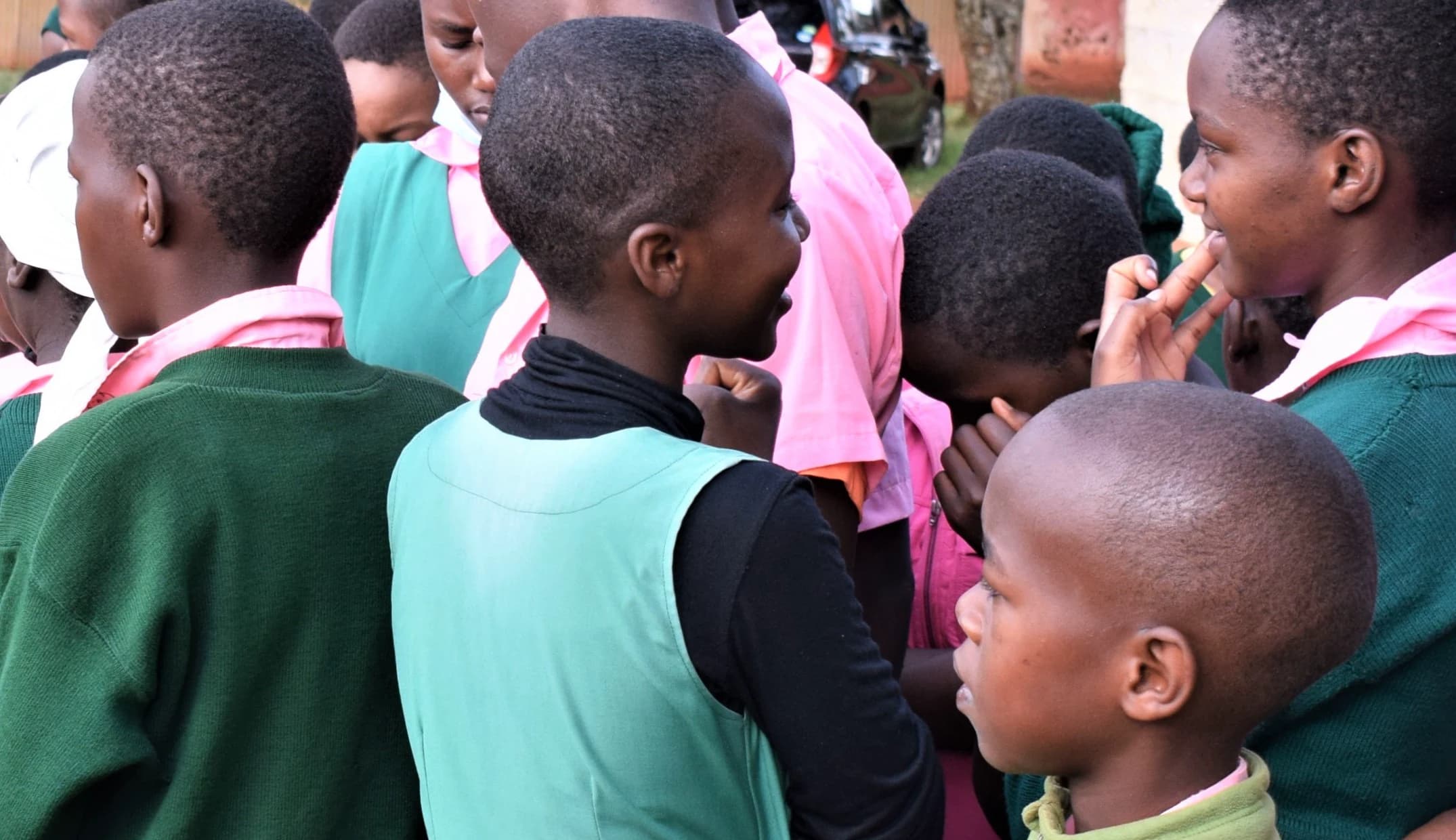
Kenya Education Society Chairman Prof. Henry Onderi has asked parents and other education stakeholders to use the long December holiday to organise seminars guiding school leavers on the way forward after completing Form Four.
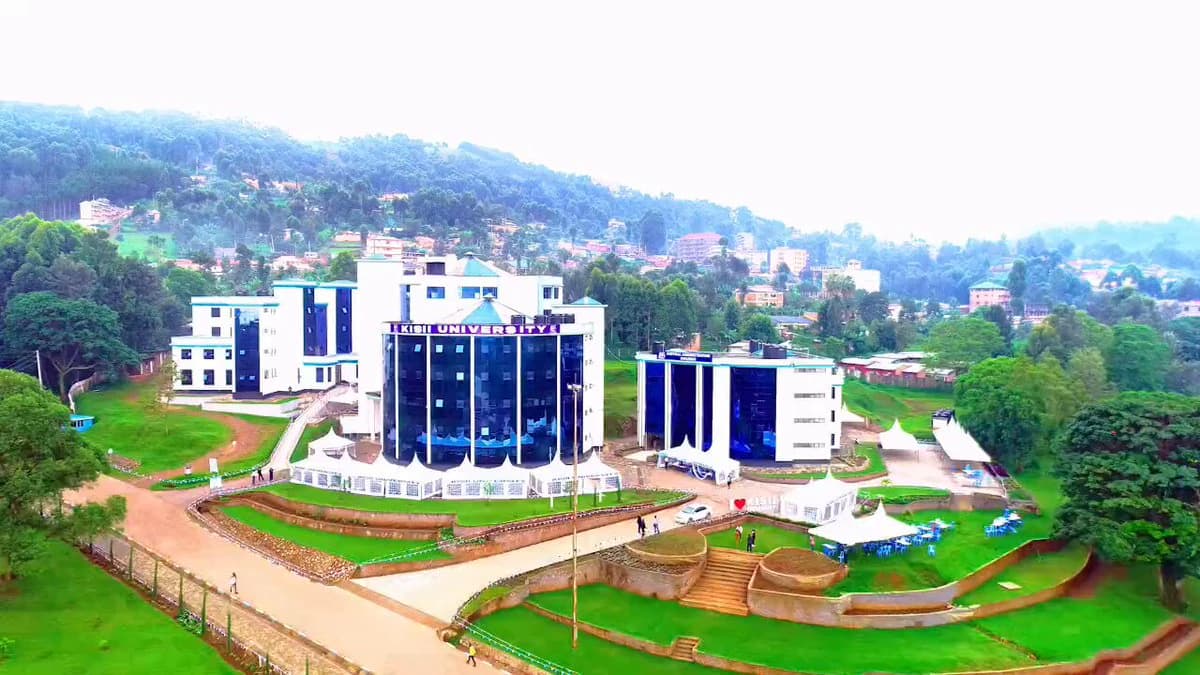
Speaking in Kisii town, Onderi regretted that many students leaving secondary school joined university without knowing which careers suited them because they lacked prior guidance.
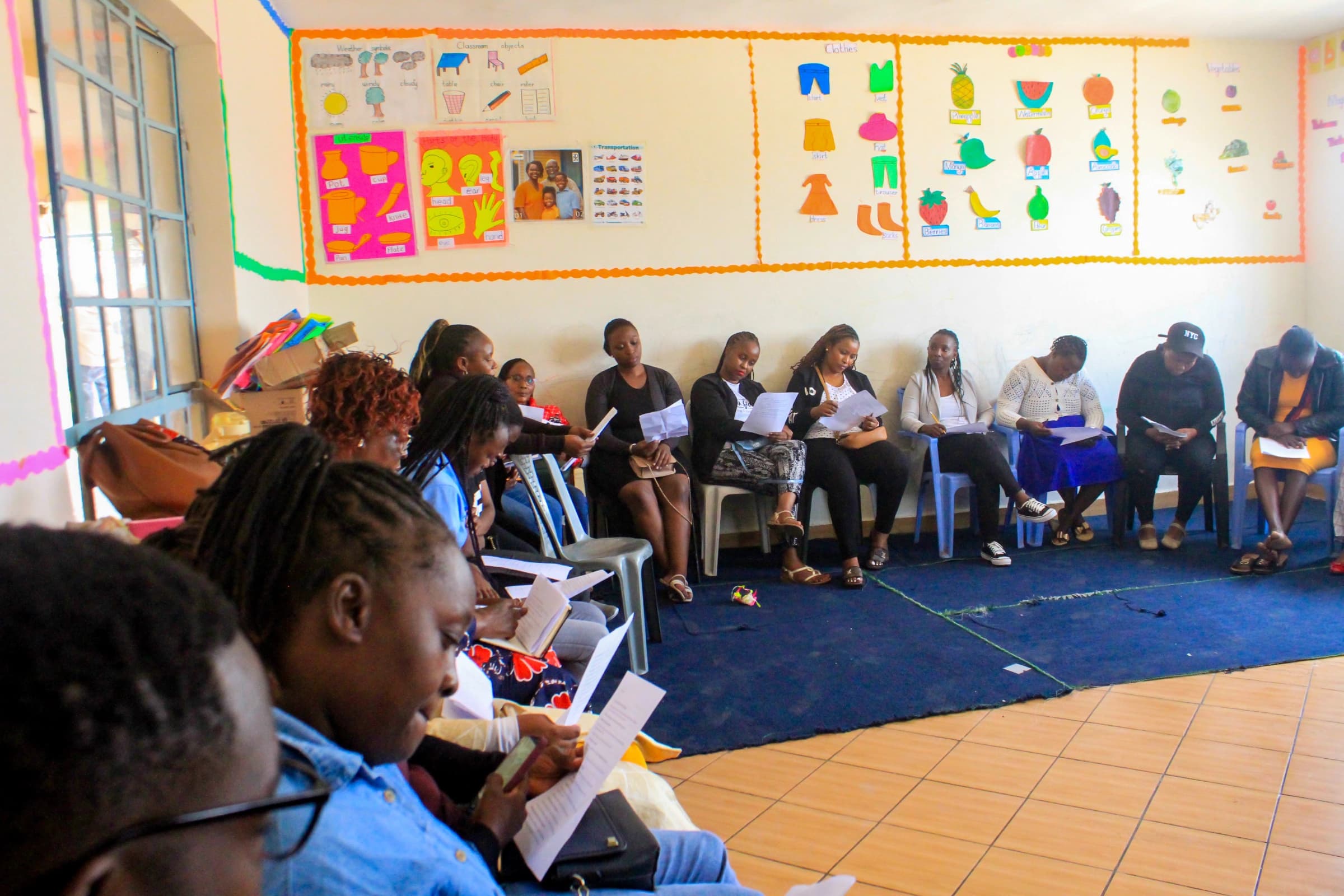
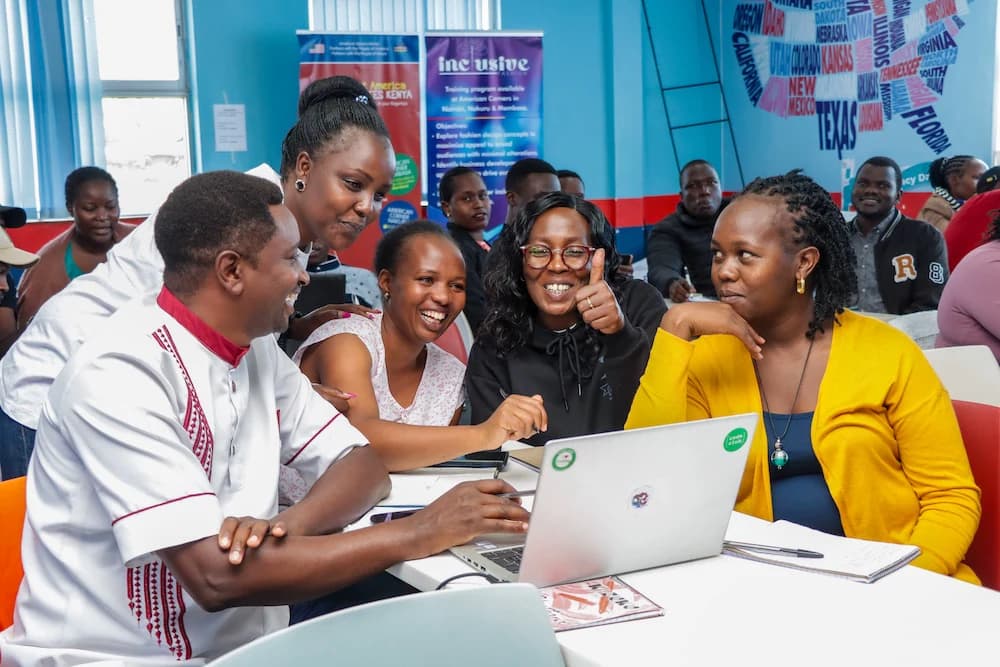
He asked teachers, parents and churches to take the lead and invite knowledgeable people to speak to young people about career pathways, including opportunities available in middle-level colleges and Technical and Vocational Education and Training (TVET) institutions.
“Completion of Form Four is not the end of the academic hurdles, there are more avenues open for those willing to build their lives,” he said.
Prof. Onderi, a former chairman of the Kisii County Education Board, said poverty could be eliminated from homes if young people embraced visionary thinking and learned from those who had overcome similar difficulties through quality education.
Education beyond examination results
He said quality education did not merely mean passing examinations. It meant acquiring knowledge, skills, values and attitudes that enable a young person to think critically, solve problems, create opportunities and adapt to a changing world. A young person who has received quality education, he noted, does not simply wait to be employed but learns how to employ themselves and others.
According to Onderi, quality education helps eliminate poverty in ways visible in everyday life. A well-educated young person can compete for jobs in teaching, health, agriculture, engineering, technology, business and public service instead of being locked out for lack of qualifications.
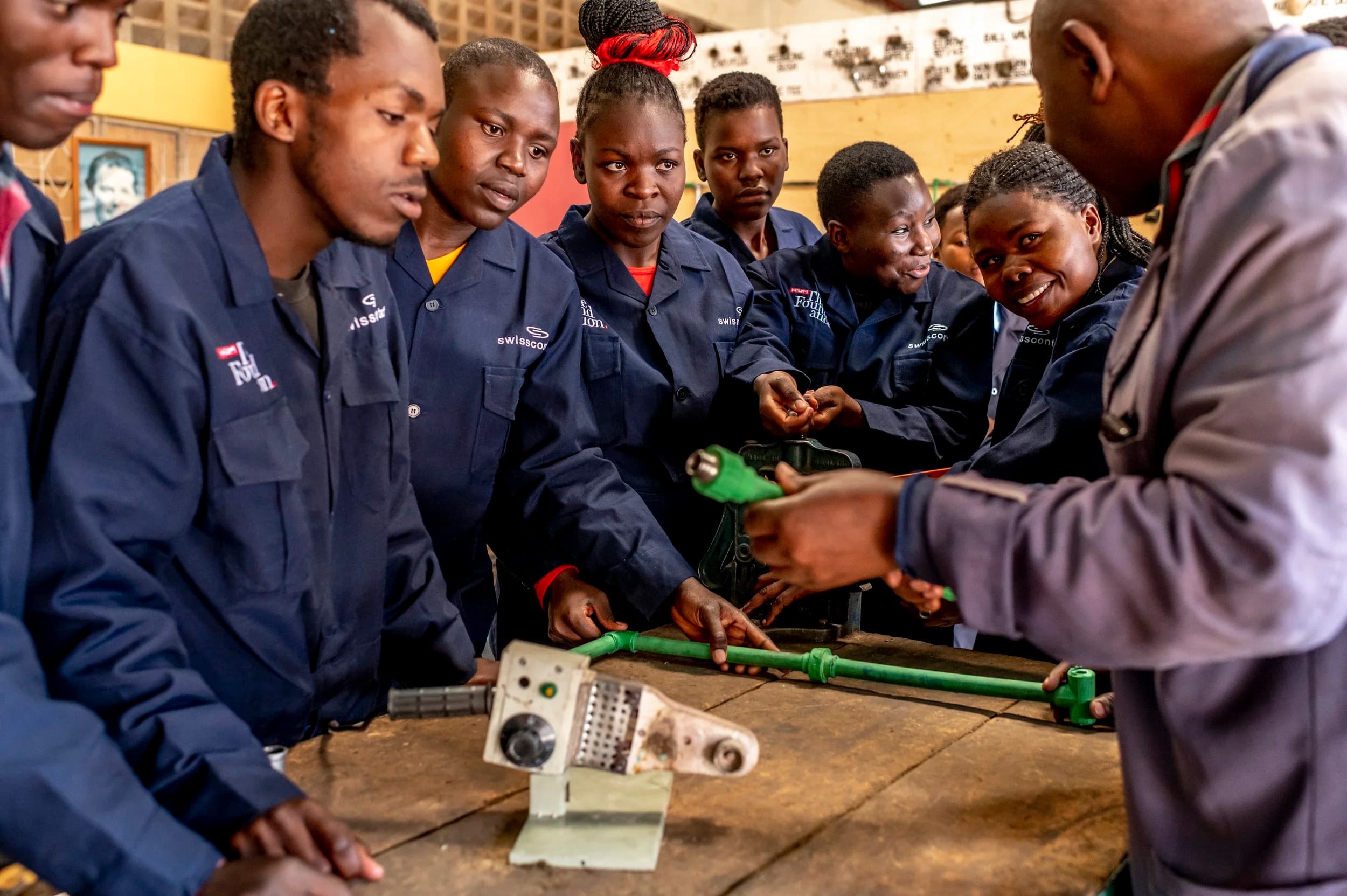
Through TVET institutions, colleges and universities, young people also learn trades such as plumbing, electrical work, tailoring, catering, ICT, agribusiness and mechanics — skills that can generate income without white-collar employment.
The same knowledge transforms what happens at home. A farmer who can read, calculate costs, understand weather information, use modern methods and access markets through a phone can produce more and waste less. A small trader who understands record-keeping, saving and customer care can grow a kiosk into a shop, and a shop into a company. In that way, one educated child can lift a whole household out of poverty.
Quality education also protects families from costly mistakes, Onderi said. An educated young person is better placed to avoid early pregnancy, drug abuse, crime and exploitation, all of which can deepen poverty. They also gain an understanding of health, budgeting and planning for the future.
Beyond the individual, Onderi said, quality education creates a cycle of prosperity. When one child succeeds, they can pay fees for siblings, support parents, employ neighbours and become a role model in the village. Poverty, he said, is not defeated by handouts but by knowledge passed from one generation to another.
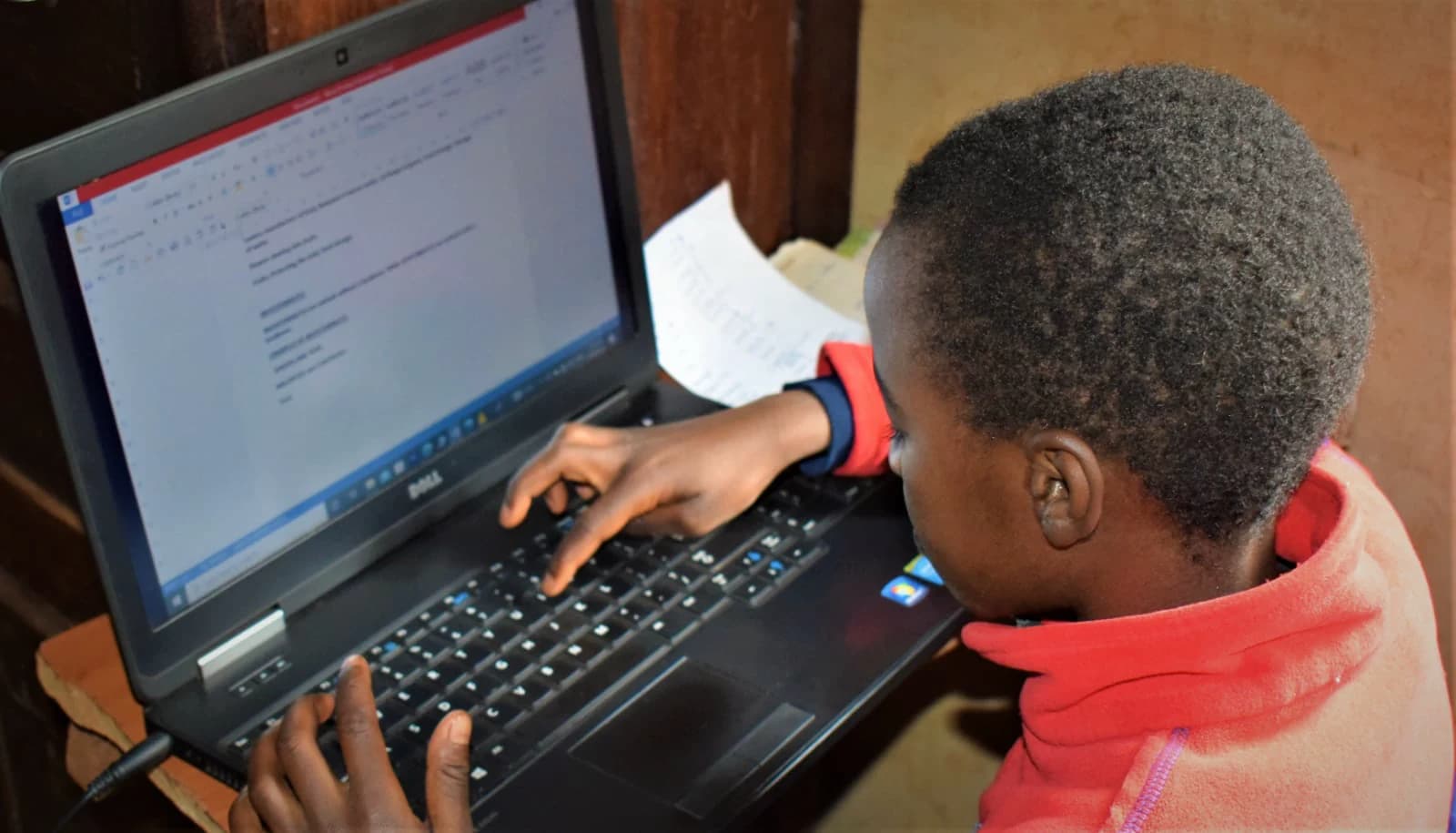
He therefore urged parents to make good use of the long holiday. Instead of leaving school leavers idle, they should involve them in career talks, mentorship sessions, short courses such as computer training, and visits to colleges and workplaces so that, by January, each has a clearer understanding of their next step.
Reader Discussion (0)
Sign in to comment