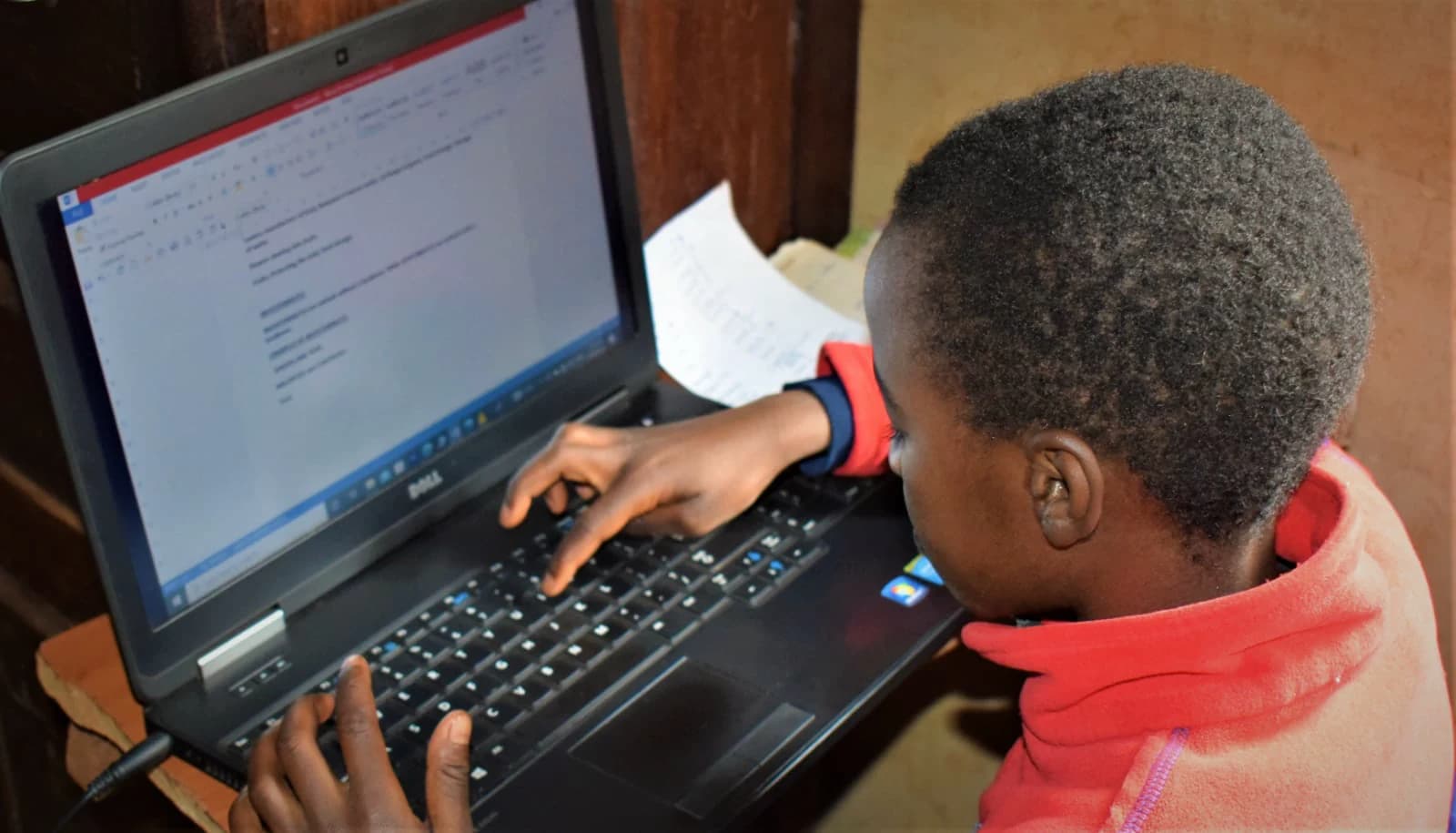
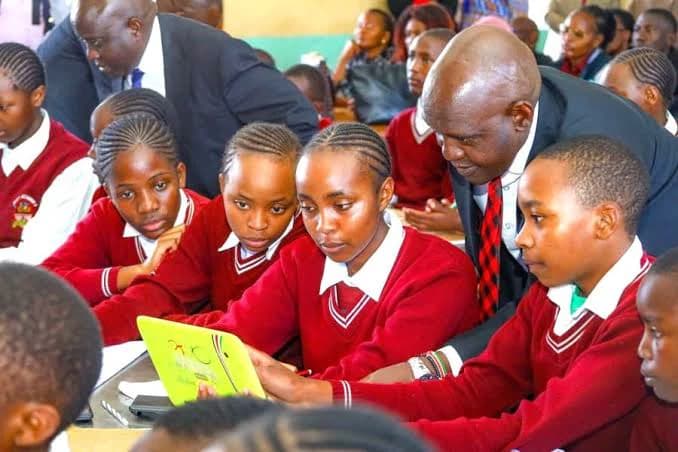
The debate surrounding the Kavonokya, also referred to in some accounts as Kabonokia, should neither be reduced to hostility towards a religious community nor dismissed as an attack on freedom of worship. It requires a measured examination of religious convictions, the responsibilities of parents, the obligations of the State and, above all, the rights of children whose futures may be shaped by decisions made on their behalf.
Every religious community has the right to maintain its identity, beliefs and traditions. Faith influences how people worship, dress, raise families, interpret life and relate to society. Such differences are part of the religious diversity that a democratic country must protect. However, the right to practise one’s religion does not operate in isolation from other constitutional guarantees. Where particular practices affect children’s access to education, healthcare, safety and personal development, the matter extends beyond private belief and becomes a question of public responsibility.
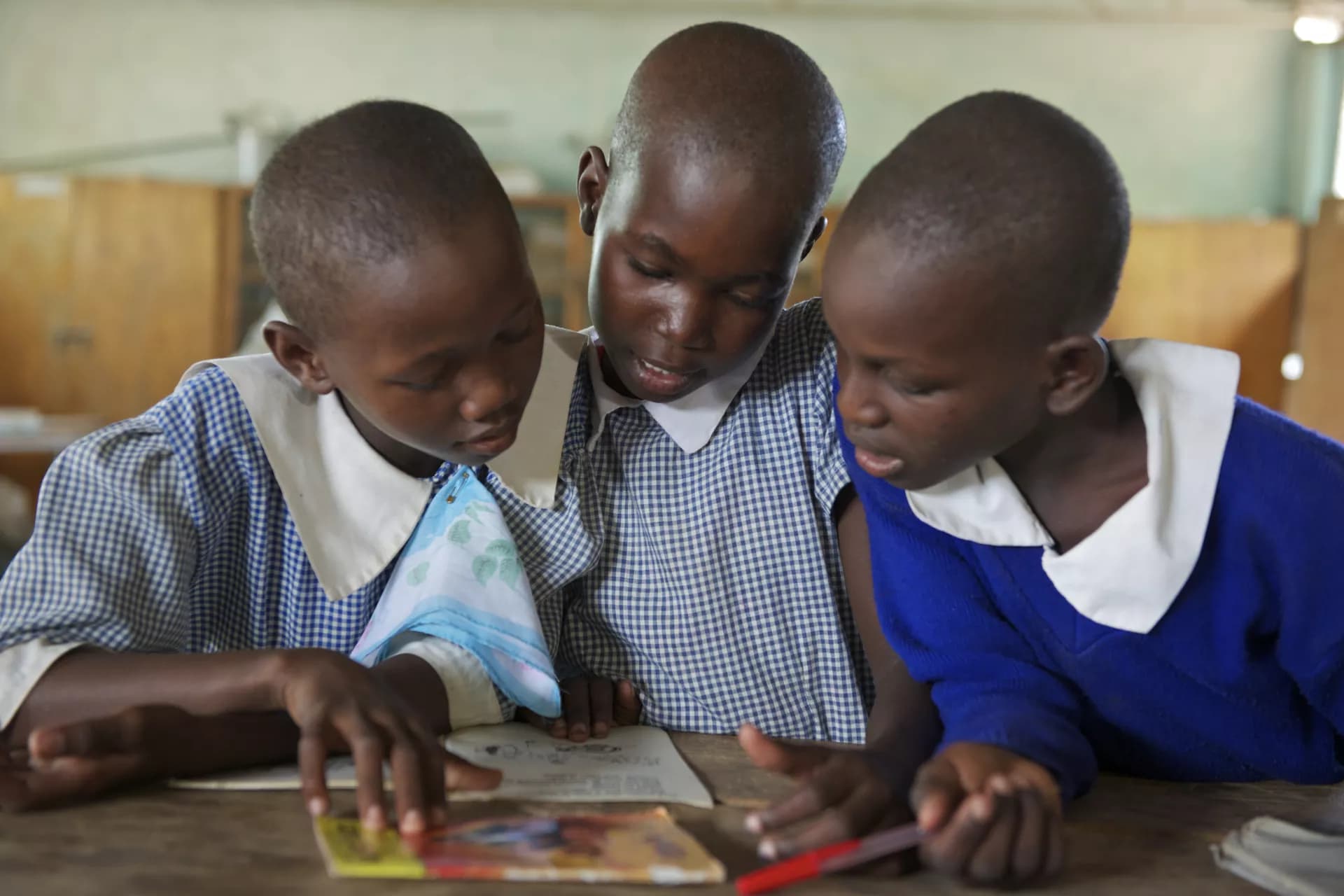
Education and the rights of children
One of the most significant areas of concern is access to formal education. A 2026 academic study by Kelvin Muthamaki Muchomba, Ciriaka Gitonga and Zachary Njagi Ndwiga, titled The Spiritual Practices Impeding Access to Education Among the Kabonokia Followers in Tharaka North Sub-County, Kenya, examined how certain religious practices may influence participation in schooling. Published in Cogent Arts & Humanities, the research adopted a qualitative approach involving interviews, observations and discussions with followers, headteachers and local administrators.
The researchers examined practices including baptism, prayer meetings, religious ceremonies, distinctive dressing, fasting and beliefs concerning divine communication. Their findings identified concerns about the influence of some of these practices on school attendance and participation, with reported implications for school dropout, girls’ education and early marriage.
The study provides an important starting point for public discussion, but its findings must be interpreted responsibly. It focused on Tharaka North Sub-County and should not be treated as a comprehensive description of every follower or congregation associated with the movement. It does not establish that all members reject formal education, nor does it justify assigning the same beliefs or conduct to an entire religious community. Responsible journalism and public debate must distinguish documented research findings from allegations that still require independent verification.
Nevertheless, the fundamental question raised by the education debate cannot be ignored: should a child’s opportunity to attend school and acquire knowledge depend entirely on the religious interpretation of adults? Kenya’s Constitution is clear that children possess rights that must be respected regardless of their parents’ beliefs. Article 53 guarantees every child the right to free and compulsory basic education, basic healthcare, protection from abuse, neglect and harmful cultural practices, as well as the right to parental care and protection. The Children Act, 2022, further reinforces the principle that the best interests of the child must remain central to decisions affecting their welfare.
Education is not simply a government requirement, a school attendance register or a route to formal employment. It is a foundation for personal development, independent thought and meaningful participation in society. Through education, children acquire literacy, numeracy, scientific understanding, critical thinking and the ability to make informed decisions. They gain access to opportunities in professional careers, entrepreneurship, technology and public service. More importantly, education gives them the capacity to evaluate information, understand their rights and make choices about their own lives.
When a child is denied these opportunities because of an adult’s interpretation of religious doctrine, the consequences may extend far beyond the classroom. The child risks entering adulthood with limited choices, reduced economic prospects and greater vulnerability. A society that values both faith and human dignity must therefore be prepared to defend a child’s right to learn, even when doing so requires difficult conversations with influential religious communities.
Healthcare and religious accommodation
Healthcare raises another important dimension of the debate. Public discussions about religious healing, conventional medicine, vaccination and access to hospitals require particular sensitivity because they concern human life. However, claims that all members of the Kavonokya movement reject medical treatment should not be presented as established fact without reliable evidence. The 2026 education study, for instance, does not demonstrate that every follower opposes hospitals, medication or vaccination. Any specific allegation about medical practices must be independently established rather than assumed from religious affiliation.
The guiding principle, however, is straightforward: religious conviction should never become a justification for exposing a child to preventable suffering or denying them essential medical attention. Parents have an important responsibility to nurture their children’s spiritual and moral development, but that responsibility must be exercised alongside their duty to protect their health and lives. Prayer and medical treatment need not be treated as opposing choices. Where a child requires urgent or essential healthcare, the child’s safety and best interests must take priority.
Questions about citizenship and participation in national life also require factual scrutiny. Allegations that members of a religious community reject national identification documents, voting, census participation or other civic responsibilities must be examined individually and supported by verifiable evidence. It would be unfair to attribute such positions to every follower without proof. At the same time, religious identity does not place any individual or community beyond the law or remove the civic responsibilities that apply to all Kenyans.
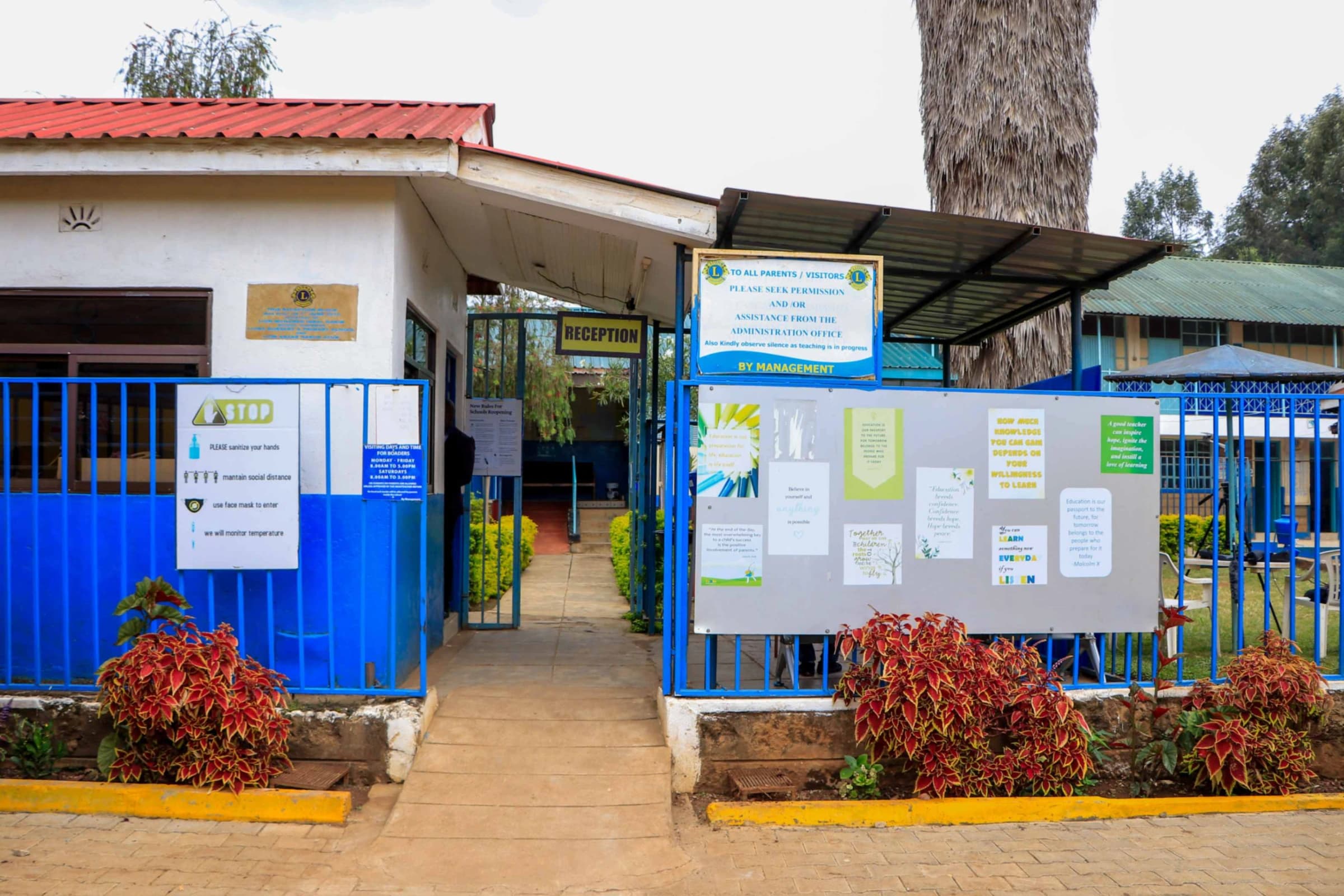
For education authorities, the challenge is to protect children’s access to learning while respecting legitimate religious accommodation. Schools should make reasonable efforts to accommodate students’ beliefs and observances where possible. Matters involving dress, worship schedules and participation in particular activities can often be resolved through constructive engagement between parents, school administrators and education officials. But accommodation must not become a convenient justification for prolonged absenteeism, withdrawal from school or the denial of basic learning opportunities.
The response from the State must also be guided by fairness, evidence and the rule of law. It would be counterproductive to approach the issue through intimidation, blanket condemnation or the casual labelling of an entire religious movement. Such an approach risks stigmatising ordinary believers, deepening mistrust and making meaningful engagement more difficult. Equally, invoking religious freedom should not shield conduct that places children at risk or violates their constitutional rights.
Dialogue and lawful intervention
A more sustainable approach would bring together religious leaders, parents, teachers, education officials, child protection agencies and local administrators. Dialogue can help families understand the long-term value of education, identify practical ways of accommodating religious observances and support children who may have dropped out of school to return to learning. Where credible evidence of neglect, abuse, early marriage or denial of essential healthcare emerges, the relevant authorities must intervene lawfully and proportionately, with the welfare of the child at the centre of every decision.
Religious leaders also have an opportunity to demonstrate that spiritual devotion and intellectual development are not mutually exclusive. Faith can provide moral direction, compassion, discipline and a sense of purpose, while education equips individuals with the knowledge and skills needed to navigate an increasingly complex world. A community does not have to abandon its religious identity to recognise the importance of schooling, healthcare, civic responsibility and the protection of vulnerable members.
The wider lesson is that religious freedom and children’s rights should not be presented as competing interests. A democratic society must protect the right to worship while ensuring that no child is denied the basic conditions necessary to live a safe, dignified and productive life. Adults may choose their religious convictions, but children should not be forced to bear the lifelong consequences of decisions that deprive them of education, essential healthcare or protection.
Ultimately, the measure of any society’s commitment to religious liberty is not simply how generously it accommodates different beliefs, but also how firmly it protects the dignity and rights of those who are most vulnerable. Faith deserves respect, but a child’s future deserves protection. No religious interpretation should be allowed to close the classroom door, deny essential medical care or extinguish a child’s opportunity to fulfil their potential. Religious freedom is a constitutional right; so is the right of every child to learn, live safely and have a future.


Reader Discussion (0)
Sign in to comment