



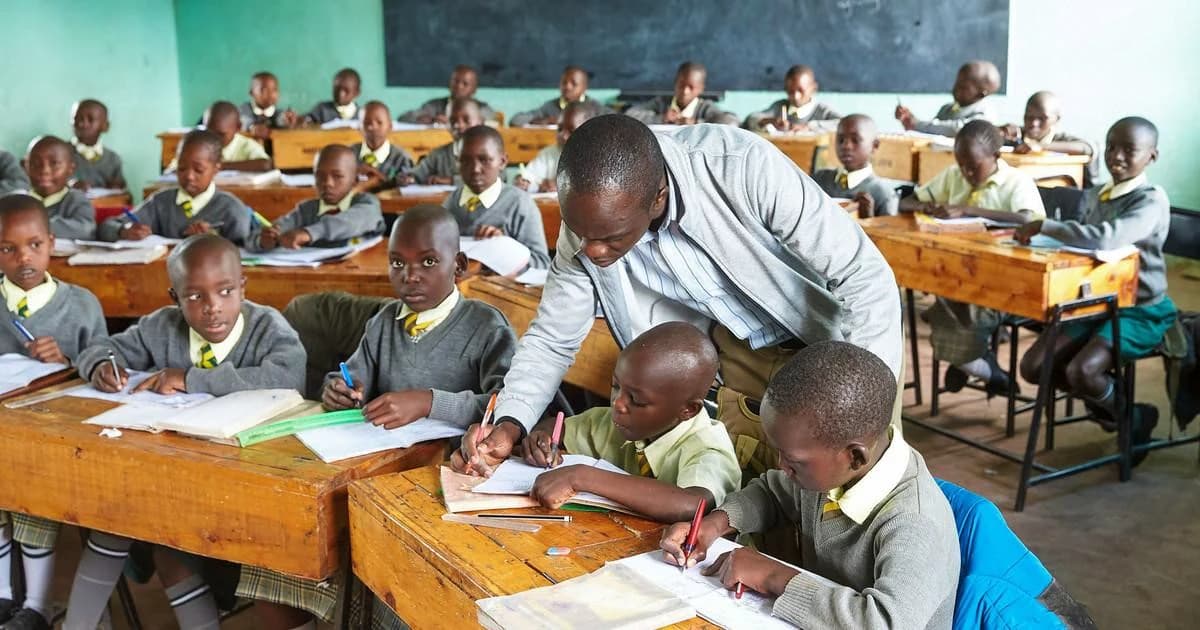
Constituency Development Fund (CDF) bursaries and county government education funds are emerging as important instruments for expanding educational opportunities in Kenya. They help learners from financially disadvantaged households stay in school, move to higher levels of learning and pursue professional qualifications. From West Pokot's rural communities to marginalised areas in northern Kenya and densely populated counties in the west, centre and coast, these interventions can decide whether a learner continues with education or abandons it because of financial constraints.
For many households, the cost of education goes beyond fees to uniforms, learning materials, transport and accommodation. Families that depend on pastoralism, small-scale farming and casual labour often struggle to meet these costs, particularly when several children are in school at once. Bursaries ease that burden and give disadvantaged learners a chance to learn regardless of their parents' circumstances.
West Pokot's bursary reach
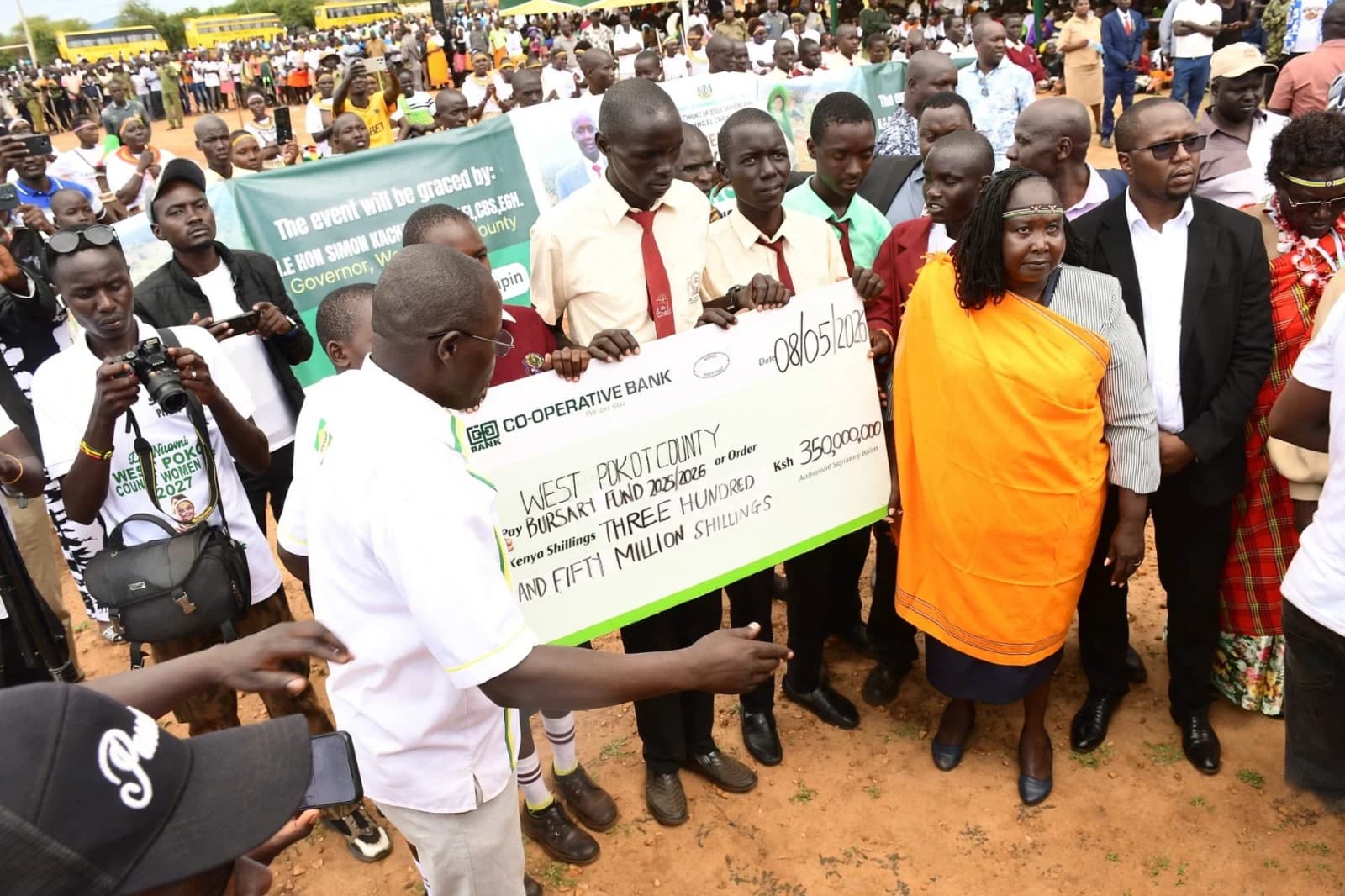
In West Pokot, bursaries support learners in secondary schools, colleges and universities. The county's FY 2024/2025 annual progress report recorded 52,800 beneficiaries, made up of 40,689 secondary school learners, 7,161 college students and 4,950 university students. The county also launched a Sh500 million bursary fund in 2025.
The figures show how bursaries can help at different stages. For a child completing primary school, assistance can make the move to secondary school more attainable. For a secondary learner facing fee arrears, it can prevent prolonged absence or withdrawal. For a college or university student, it can ease the financial pressure that threatens years of academic work.
Across Kenya, bursaries administered through the National Government Constituencies Development Fund (NG-CDF) and county government programmes provide different channels of support to learners from vulnerable households. Their reach and effectiveness vary with local needs, resources, eligibility criteria and administrative capacity, but their common aim is to reduce financial barriers.
In counties such as Kakamega, Bungoma, Kisii, Meru and Kiambu, bursaries help families meet secondary and tertiary costs. In arid and semi-arid counties, including Turkana, Garissa, Mandera, Samburu and Tana River, they can be especially important for households facing poverty, long distances to schools and limited access to services. In urban counties, they can support children from low-income households in informal settlements, where school expenses compete with rent and food.
Retention, equity and skills
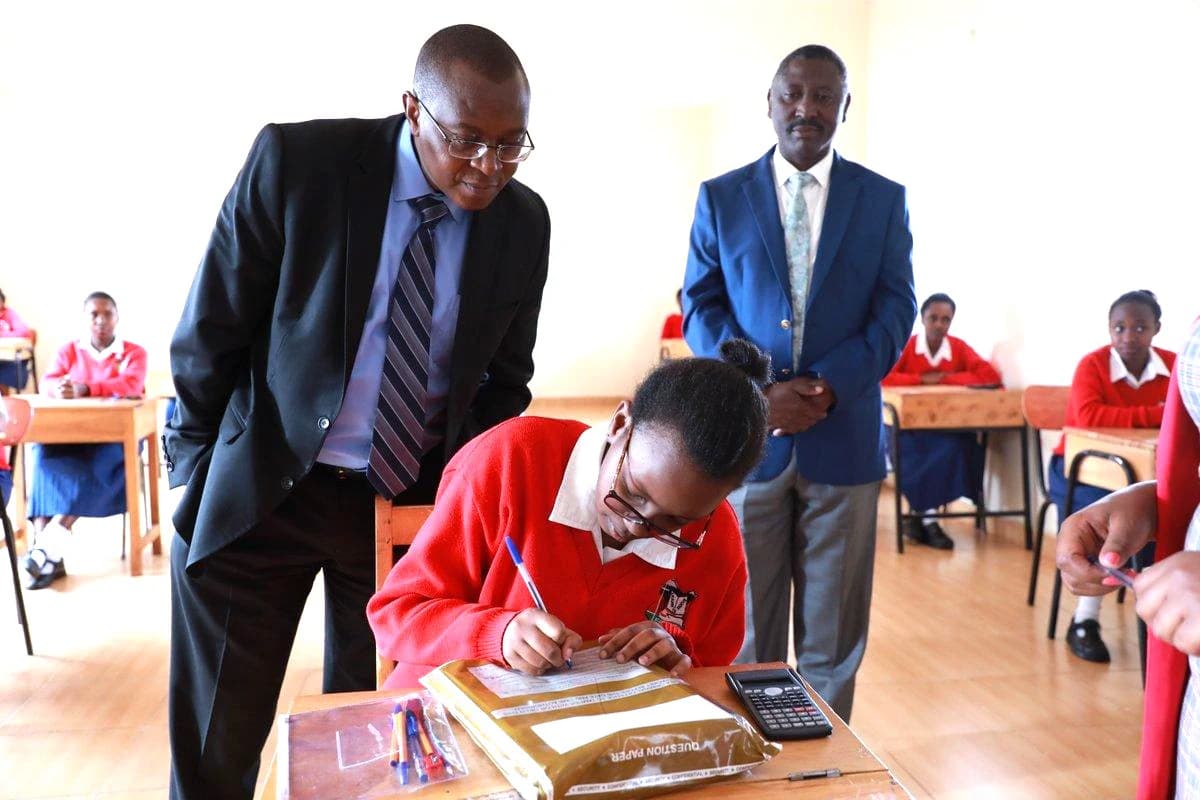
One of the most significant benefits is school retention. Learners who cannot raise fees may miss lessons, stay home for long periods or eventually drop out, and timely bursary payments can reduce such interruptions. Research in Likuyani Constituency, Kakamega County, has examined the contribution of CDF education funding to enrolment, retention and completion.
Bursaries can also narrow inequalities between children from wealthy and poor households, so that progress depends less on family income and more on a learner's effort and ability. The benefits extend to technical and vocational education and training (TVET) institutions, colleges and universities, where support lets young people pursue qualifications in teaching, healthcare, engineering, agriculture, information technology, mechanics and other fields. Counties in turn gain a stronger workforce, better local services and more entrepreneurship.
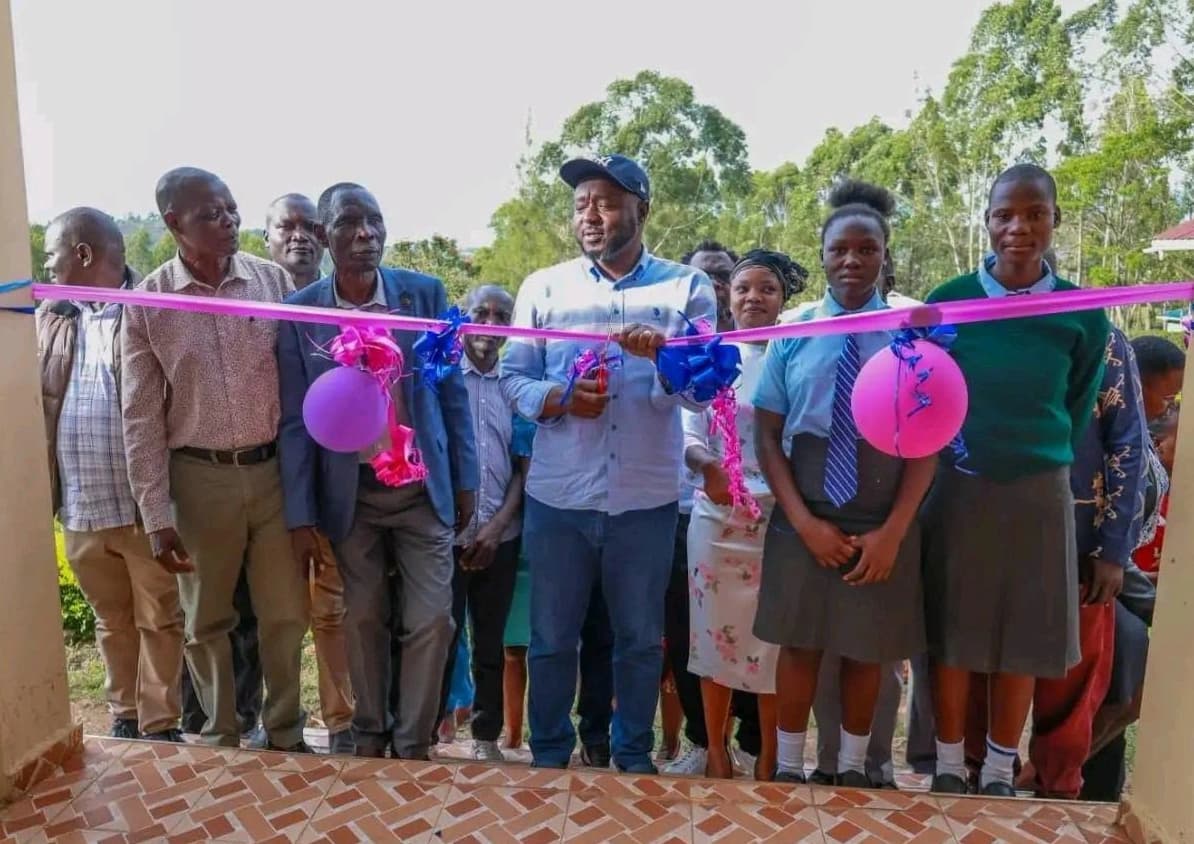
NG-CDF's contribution goes beyond bursaries. Through eligible development projects, it has supported the construction and improvement of school facilities, including classrooms. Bursaries address the affordability of education, while infrastructure investments address access and facilities.
At household level, bursaries offer relief to parents and guardians balancing school expenses against food, healthcare and transport. They can also give vulnerable learners, including orphans, confidence that their circumstances need not determine their future.
The effectiveness of bursary programmes depends on more than the amounts announced or the number of beneficiaries reported. Demand often exceeds funding, and some awards cover only a fraction of the school bill, leaving families to find the balance. Delayed disbursements can further undermine the support when schools require payment at the start of a term.
Fairness and accountability are equally important. Clear eligibility criteria, transparent selection, published beneficiary lists and accessible appeals can help ensure that assistance reaches the most deserving learners. Authorities must also guard against political favouritism, duplication and the exclusion of vulnerable children who lack the information or connections to apply.
Coordination among NG-CDF bursaries, county programmes and national scholarships is therefore essential. The schemes operate under different legal and administrative arrangements, but better information-sharing can help identify funding gaps, reduce duplication and direct limited resources to learners with the greatest need, all within the legal framework governing national and county responsibilities for education financing.
Long-term impact should also be judged by educational outcomes rather than expenditure alone. Governments and communities need to establish whether recipients stay in school, complete their studies, progress to higher levels and acquire skills that improve their prospects. Reliable reporting on allocations, disbursements, unique beneficiaries and outcomes would show whether public money is achieving its purpose.
For West Pokot and the rest of Kenya, the central challenge is to make bursary support more predictable, equitable and sufficient. Assistance should be available when learners need it, and the most vulnerable should not be left behind because of inadequate allocations, administrative delays or fragmented application procedures.
Ultimately, CDF and county bursaries are investments in human potential. Their greatest achievement is not simply paying school fees, but the learner who stays in class, completes school, graduates from college or university and contributes to society. When public funds reach the right learners at the right time, they help keep educational dreams alive and strengthen the foundation for a more skilled, inclusive and productive Kenya.
Reader Discussion (0)
Sign in to comment