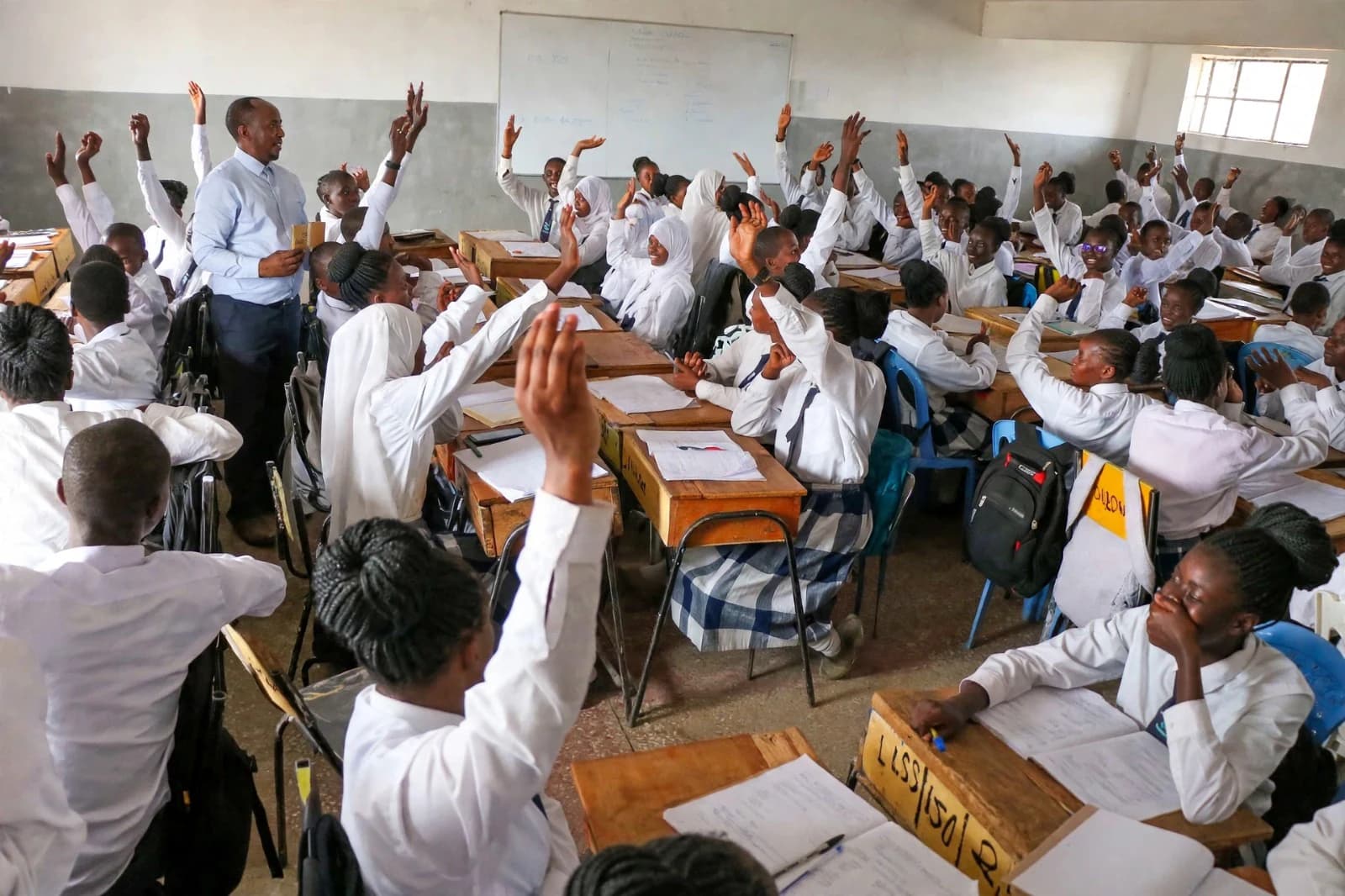
Junior Secondary School (JSS), which covers Grades 7–9, represents the exploration stage of learning. Junior Schools are domiciled within the Comprehensive Schools; alongside Pre-School (PP1 and PP2) as the interaction stage, and Primary (Grades 1-6) as socialisation stage. Junior School prepares learners for Senior School (Grades 10-12), which is the specialisation stage, pre-career stage, pre-university or college stage. Again, while at Junior School, learners should engage in exploration of their potential and interest as pointed out in the Basic Education Curriculum Framework (BECF, 2017) designed by Kenya Institute of Curriculum Development (KICD).
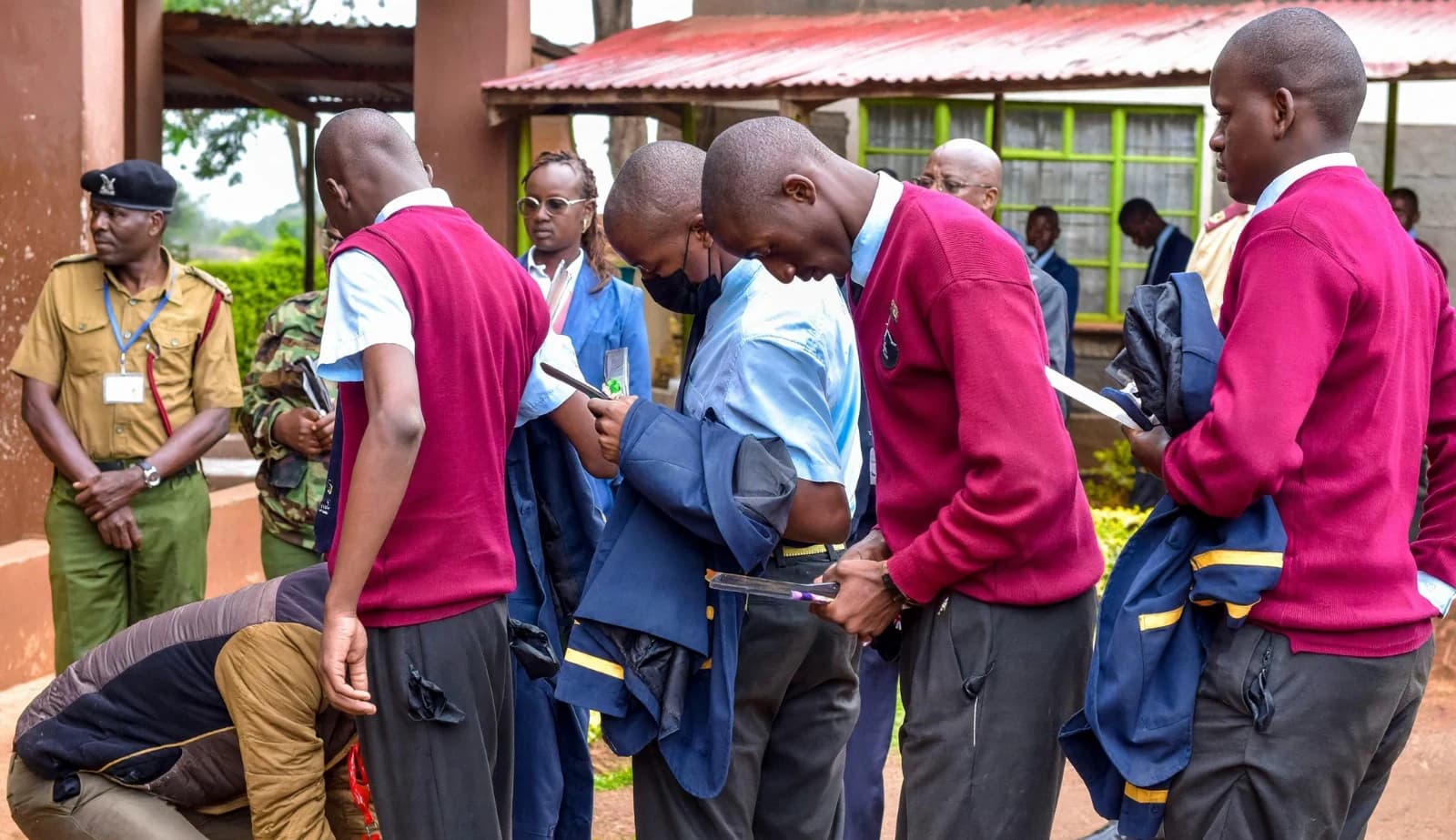
No wonder, at that level of learning, curriculum is framed to be broad-based in nature. The exploration serves as the firm foundation for selecting particular Career Pathway in Senior School. Ideally, there are 9 Learning Areas offered in Junior School, which forms the basis of School-Based Assessments (SBAs) in Grades 7 and 8. As well as Kenya Junior School Education Assessment (KJSEA) in Grade 9. The 9 Learning Areas offered in Senior School includes: English, Kiswahili or Kenya Sign Language (KSL), Mathematics, Social Studies, Integrated Science, Pre-Technical Studies, Agriculture and Nutrition, Creative Arts and Sports, and Religious Education (CRE or IRE or HRE).
1. English
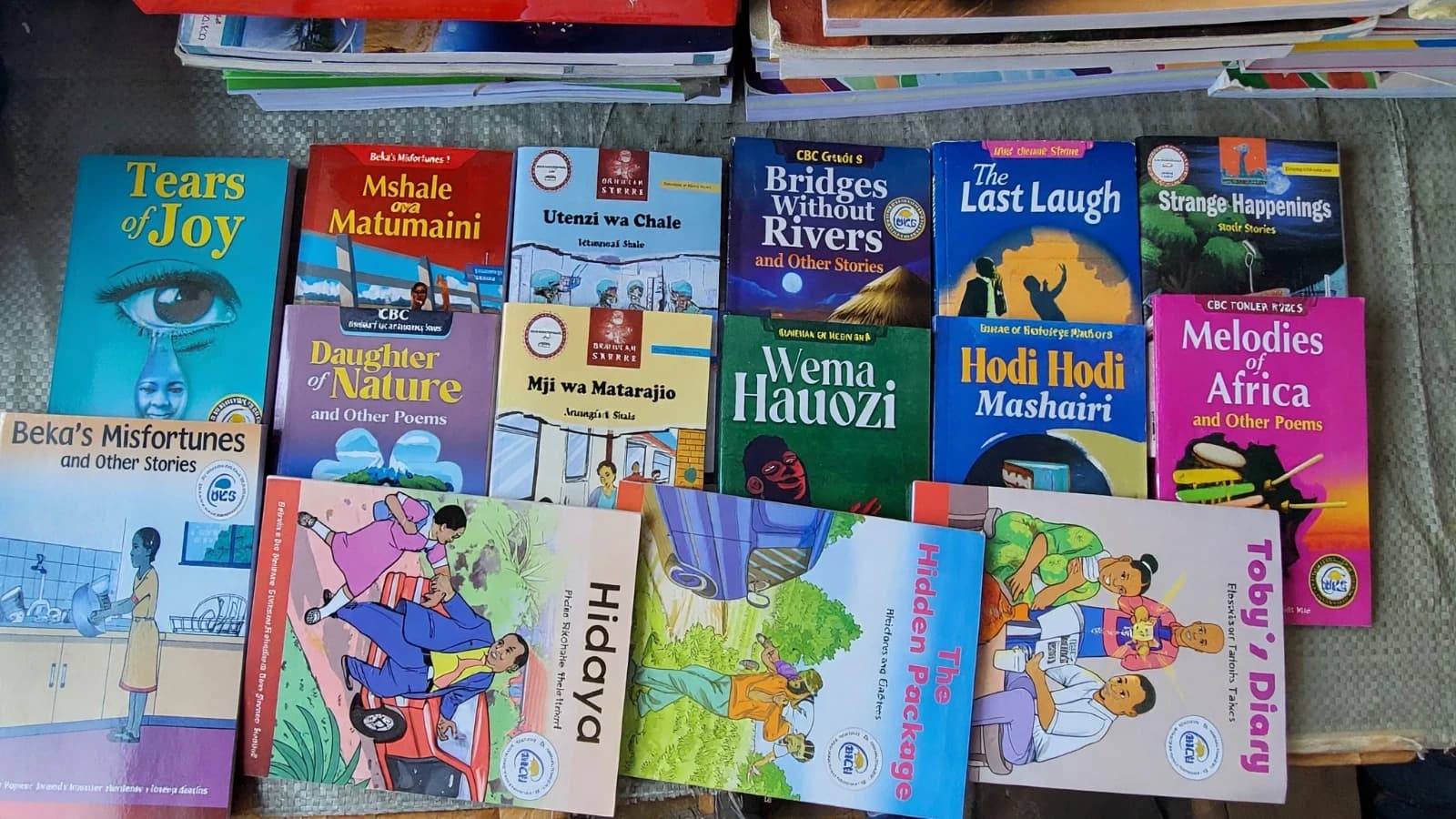
Foremost, English is one of the official languages in Kenya. Likewise, it is the language of instruction at different levels of learning. By the same token, it is a language of communication at both local and international levels. The Junior School exposes learners to both knowledge and wise use of English. It is taught at that level because schools have the mandate of nurturing Basic Learning Competencies (BLCs): Numeracy, literacy and Life Skills Education. Therefore, English as a subject, and a language, builds literacy levels in learners. Actually, it hones competencies in learners such as listening, reading, speaking, writing and good grammar. Therefore, as part of Prior Knowledge, at the tail-end of Junior School in Grade 9, the learner is expected to be proficient in English Grammar and its Usage: this prepares the learner for subjects such as English (compulsory subject) and Literature in English (optional subject) offered in Senior School (Grade 10-12).
2. Kiswahili
Secondly, Kiswahili is a Learning Area offered in Junior School. It is both a national language and an official language in Kenya. Kiswahili too, ought to nurture literacy in learners as part of the Basic Learning Competencies (BLCs): Numeracy, literacy and Life Skills Education. Kiswahili has also been recognised as the lingua franca and unifying language of the East Africa Community. It is also one of the official languages of the African Union (AU). Albeit, for risibility reasons, and just in jest, they say: Kiswahili was conceived in Zanzibar. It was born in Tanzania. It grew up in Kenya. It died in Uganda. It was buried in the Democratic Republic of Congo (DRC).
3. Kenya Sign Language (KSL)
Additionally, Kenya Sign Language (KSL) is a subject offered in Special Needs Schools as a means of communication for learners with hearing impairment. Broadly, KSL exposes learners to both knowledge and skills in the use of Kenya Sign Language. By virtue of being taught Sign Language (SL), learners garner proficiency in KSL: to use it for communication and in advanced studies. Meaning, KSL should also nurture literacy in learners as part of Basic Learning Competencies (BLCs): Numeracy, literacy and Life Skills Education.
4. Mathematics
Furthermore, Mathematics equips learners with essential computational, problem-solving and critical thinking skills: Applied in real-life situations and daily tasks tackled by people. Then, Mathematics builds numeracy in learners as part of Basic Learning Competencies (BLCs): Numeracy, literacy and Life Skills Education. More importantly, Mathematics fosters deft development logical reasoning hence enabling learners to make rational decisions. In Junior School, Mathematics also supports other Learning Areas, such as Integrated Science and Pre-Technical Studies.
As part of foresight, it equips learners with foundational knowledge, skills and attitudes: to prop them up in the pursuit of Science, Technology, Engineering and Mathematics (STEM) Career Pathway in Senior School. Studying Mathematics in Junior School (Grades 7-9) prepares the learner for it too, in Senior School where there are two types of Mathematics: One, Core-Mathematics for students in the STEM Career Pathway. Two, Essential Mathematics for students in the Social Sciences, and Arts and Sports Science Career Pathways.
5. Integrated Science
Moreover, Integrated Science (IS) is a Learning Area combining concepts of Physics, Chemistry, Biology and General Science. Therefore, the IS avails to learners the opportunity to gauge ability to specialise in Pure Sciences (Physics, Chemistry, Biology and General Science), and Applied Sciences (Agriculture, Computer Studies and Home Science), which are offered in the STEM Career Pathway in Senior School.
6. Pre-Technical Studies
Withal, Pre-Technical Studies as a Learning Area in Junior School integrates concepts of Pre-Technical Studies itself, Business Studies and Computer Studies. It offers skills, such as metalwork, woodwork, electricity, aviation technology, building construction, drawing and design, power mechanics, leatherwork, culinary arts, hair dressing, beauty therapy (cosmetology), marine and fisheries, manufacturing and media technology. Therefore, it equips the learners with exhilarating exploration, imagination, creative and innovative skills: to tackle manifold projects and practical activities.
Therefore, it prepares learners for subjects offered in Senior School, such as Business Studies, which is offered in Social Sciences Pathway. Then, Computer Studies and Home Science offered in the Applied Sciences Track in the STEM Career Pathway. As well as the 8 subjects offered in the Technical Studies Track of the STEM Pathway, which includes: Aviation, Electricity, Power Mechanics, Building Construction, Metalwork, Woodwork, Media Technology, and Marine and Fisheries Technology. It also prepares learners for Information and Communication Technology (ICT), offered in Senior School as a supportive subject. Alongside Physical Education (PE), Pastoral or Religious Programme for Institutions (P/RI), and Personal or Group Study (P/GS).
7. Social Studies
Again, Social Studies is an integrated Learning Area blending aspects of History, Citizenship, Geography and Life Skills Education. Therefore, it nurtures Life Skills Education as part of Basic Learning Competencies (BLCs): Numeracy, literacy and Life Skills Education. More importantly, in CBE, Life Skills is not a stand-alone subject as in the 8-4-4 System of Education. In CBE, Life Skills Education is part and parcel of Pertinent and Contemporary Issues (PCIs). Therefore, Life Skills Education ought to be mainstreamed in Competency-Based Curriculum (CBC). Alongside the 7 Core-Competencies and 8 Core-values.
Broady, Social Studies deals with people; their inter-personal relationships; their cultural differences; how they relate with physical and social environment; developing deep understanding for the environment and activities therein. So, Social Studies should make and mold learners in Junior School in making informed and reasonable decisions for the public good as citizens of a culturally diverse and democratic society. Social Studies avails to learners the opportunity to be aware of their rights and responsibilities as citizens. So as to become concerned about welfare and well-being of others.
8. Agriculture and Nutrition
In addition, Agriculture and Nutrition as a Learning Area in Junior School focuses on crop production and home science. As well as entrepreneurial components and agricultural production technologies. Agriculture enriches learners with comely competencies in conservation of resources, crop and animal production, food and nutrition, personal hygiene, environmental hygiene, and basic clothing construction and laundry work.
Then, it prepares learners for immediate application of basic agricultural skills for solving contemporary food security challenges. It also helps them to develop necessary attitudes towards farming, applicable in their social contexts. So, Agriculture forms firm foundational competencies applicable in contemporary life: the basis upon which careers in agriculture and nutrition basically abuts on. So, Agriculture and Nutrition prepare learners for Agriculture and Home Science, which are subjects offered in the Applied Sciences Track of STEM Career Pathway in Senior Schools.
9. Creative Arts and Sports
Penultimately, Creative Arts and Sports offered in Junior School integrates skills in sports, visual arts (fine arts, fashion and textile), performing arts (music, dance, drama, theatre, film, public speaking, et cetera) and Physical Education (PE) and sports. Therefore, Creative Arts aims at identifying, nurturing and utilising talent to the optimum actualisation of financial, health, social and physical benefits. It prepares learners for Subjects offered in the Arts and Sports Science Career Pathway in Senior Schools. The subjects in the Arts Track include: Music and Dance, Theatre and Film, and Fine Arts. Then, subjects in the Sports Sciences Track include: Physical Education (PE), and Sports and Recreation.
10. Religious Education (CRE/IRE/HRE)
Finally, Religious Education in Junior School can be: Christian Religious Education (CRE) or Islamic Religious Education (IRE) or Hindu Religious Education (HRE). A typical Junior School offers any of the Religious Education depending on its location and School Subject Policy. These three, feature in Senior School in the Social Sciences Career Pathway: to prepare learners to pursue careers with the religious bent.
CRE focuses on God’s revelation through Jesus Christ. In it, moral and ethical values are taught to make and mold behaviour of learners in reverence to God. It enables learners to put faith in action through apt application of pristine principles taught in the Bible.
IRE aims at equipping learners with Islamic knowledge, moral values and Life Skills Education: that are in perfect agreement with Islamic principles, practices and teachings of Allah. The main themes include selected strands from the Quran, Muamalat (relationships), Akhlaq (morality), Hadith (pantheon of saying of Prophet Muhammad), and History of Islam.
HRE serves to impart morals and ethical values at a deeper level. Therefore, enabling the learner to act effectively and responsibly. At local, national and global level for a more peaceful and sustainable world. Learners practice four types of fundamental qualities in line with Hinduism: Spiritual, moral, mental and social dimensions.
Victor Ochieng’ is a Career Educator. He guides Grade 9 learners on Selection of Senior Schools, Subject-Combinations, Career Choices, Pathways, Study Skills and Proper Preparation for KJSEA Assessments. He rolls out Transition to Senior School to Guide Grade 9 Learners on: What Next After KJSEA? vochieng.90@ggmail.com. 0704420232

Reader Discussion (0)
Sign in to comment