Uncertainty is mounting over the administration of Kenya's 2026 national examinations after the Kenya Union of Post-Primary Education Teachers (KUPPET) threatened to withdraw its members from examination duties unless the government reviews their pay and addresses concerns about working conditions and welfare.
At the centre of the dispute is KUPPET's demand for a minimum of Sh4,000 per day for examination supervisors and related officials, and at least Sh100 for marking each examination paper. The union argues that current payments do not reflect teachers' professional responsibilities, workload, expenses and time spent away from their stations.
The standoff comes ahead of KCSE rehearsals scheduled for Friday, October 16, with oral and practical examinations starting on October 19. Written papers will run from November 2 to November 20. The Kenya National Examinations Council (KNEC) is preparing to administer national examinations and assessments to about 3.6 million candidates across primary, junior and senior school levels, and must secure enough personnel to do so.
The pay dispute(Education News Kenya — https://educationnews.co.ke/news/kuppet-boycott-threat-sh4-000-daily-pay-demand-exposes-risks-facing-kcse-examination-teachers)
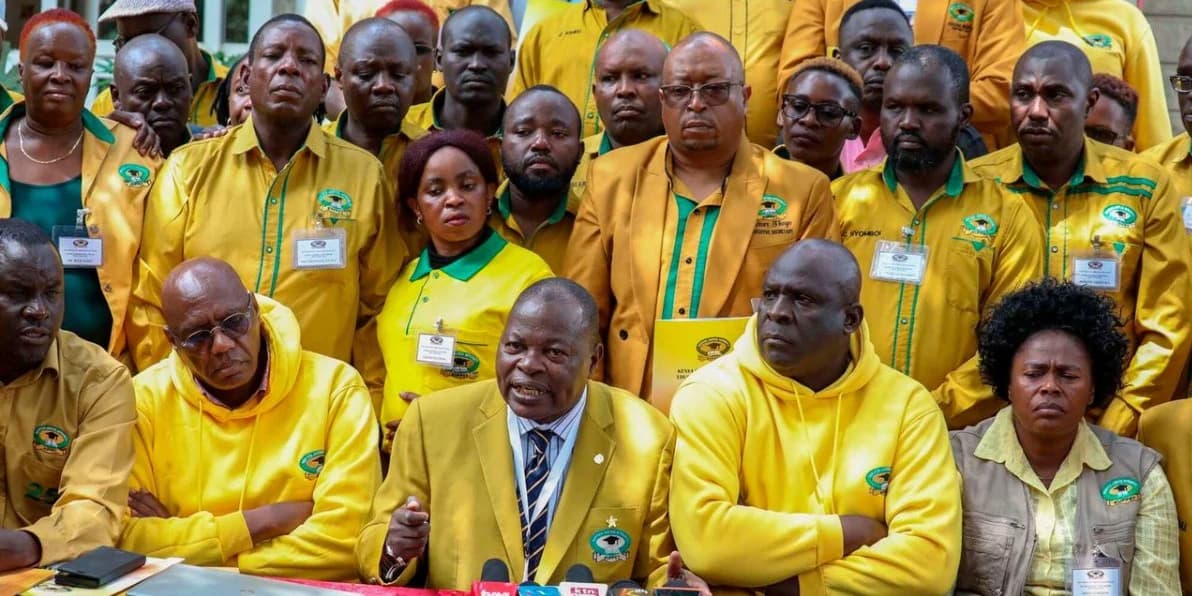
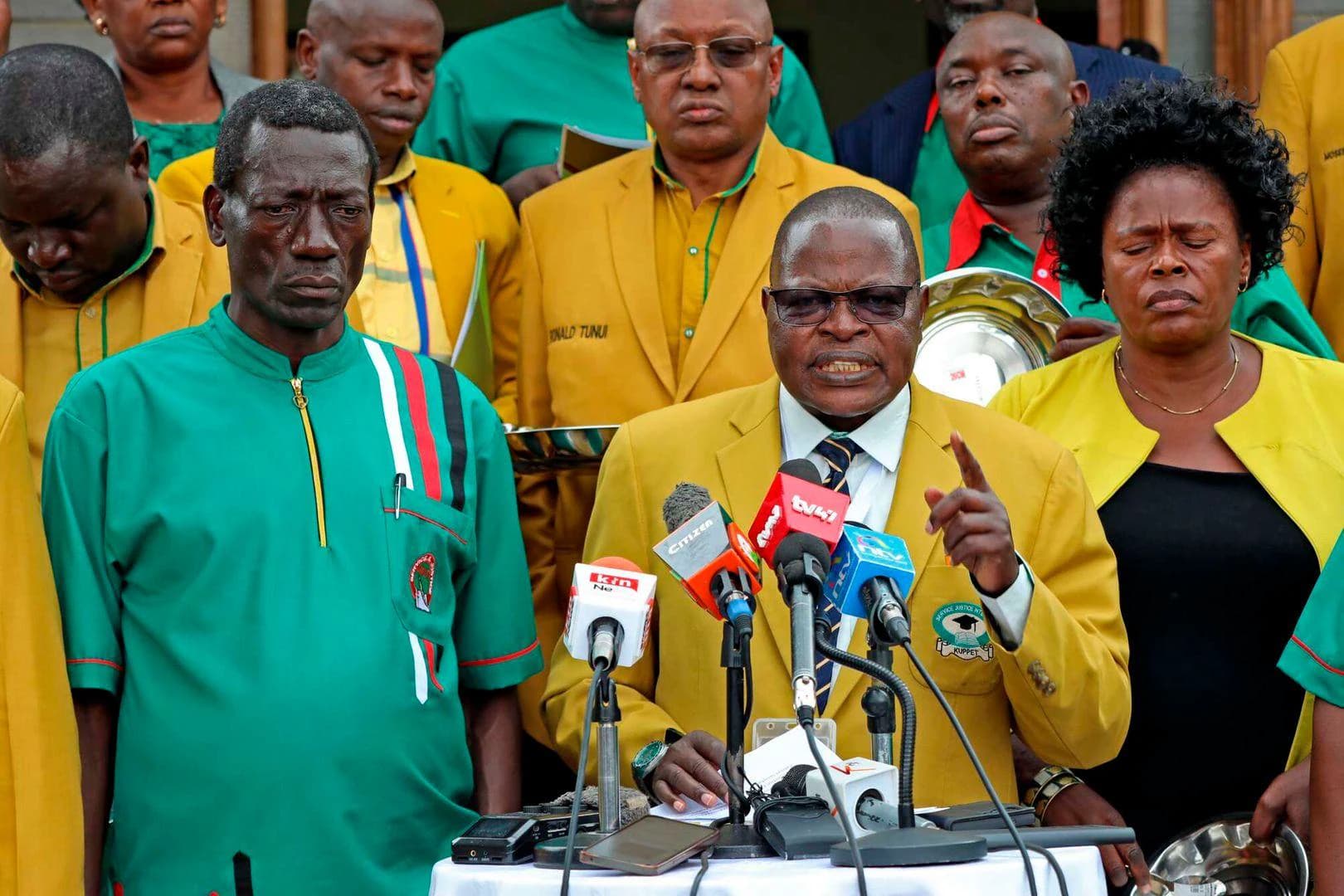
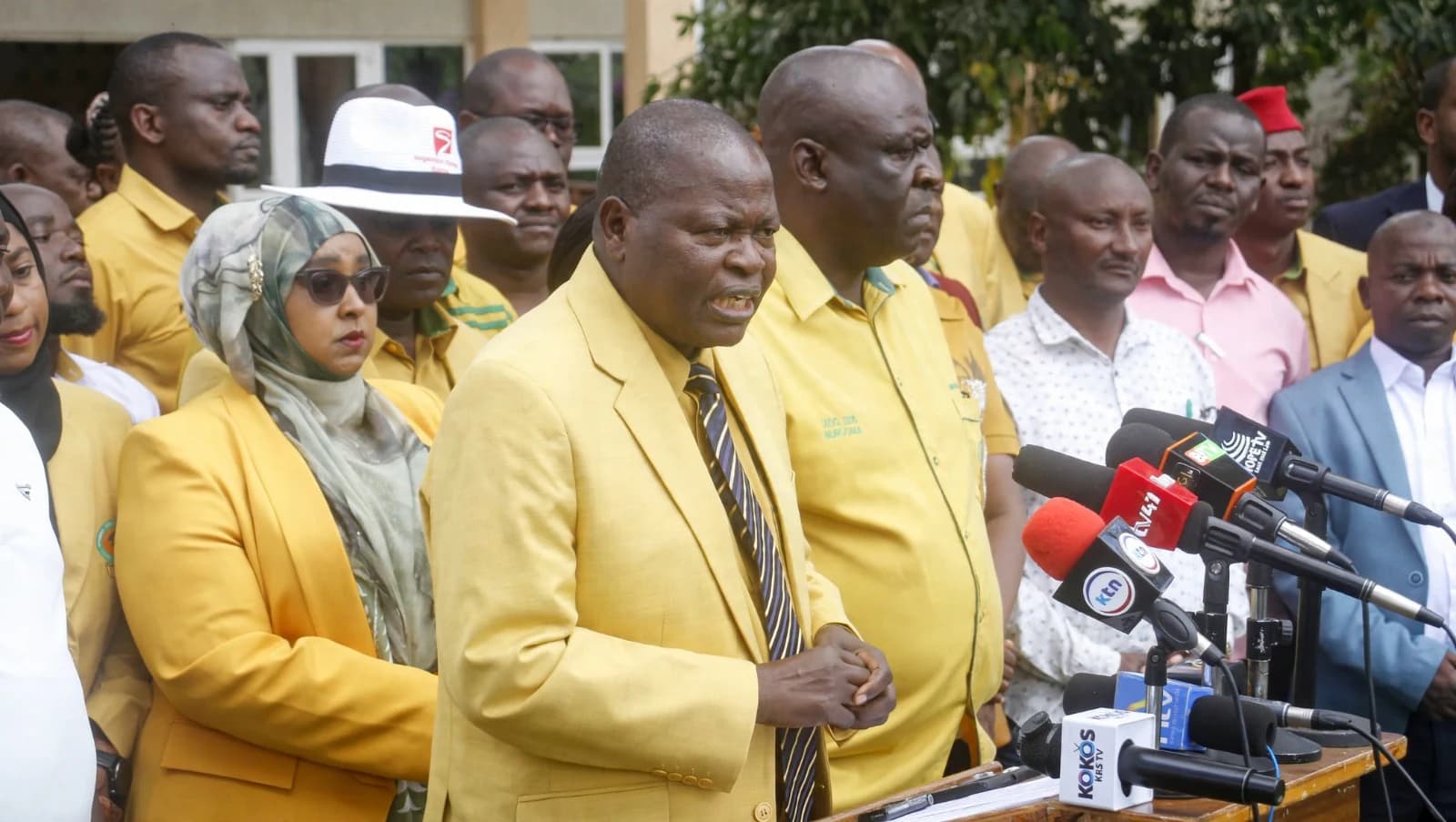
KUPPET Secretary-General Akelo Misori has called on members to withdraw from KNEC assignments, including examination administration, supervision and marking, until an agreement is reached on improved remuneration. The union's national chairman, Omboko Milemba, has urged teachers not to accept examination assignments until KNEC and the relevant government agencies engage union officials and agree on revised rates. The union has also asked the Salaries and Remuneration Commission (SRC) to review the compensation framework before the examination season progresses.
A boycott threat does not mean the examinations have already been disrupted. The immediate question is whether negotiations can produce a settlement before the papers begin.
What teachers currently earn
The rates reported in the dispute vary by examination role.
These figures should be confirmed against the applicable KNEC payment schedule for each assignmentIf the proposed Sh4,000 rate applied to invigilators, supervisors and centre managers, the increase over their reported daily rates would range from Sh3,320 to Sh3,570, depending on the role. The financial implications would depend on the number of personnel covered, the duration of assignments and the final terms agreed.
How the rates compare with DSA for other public officers
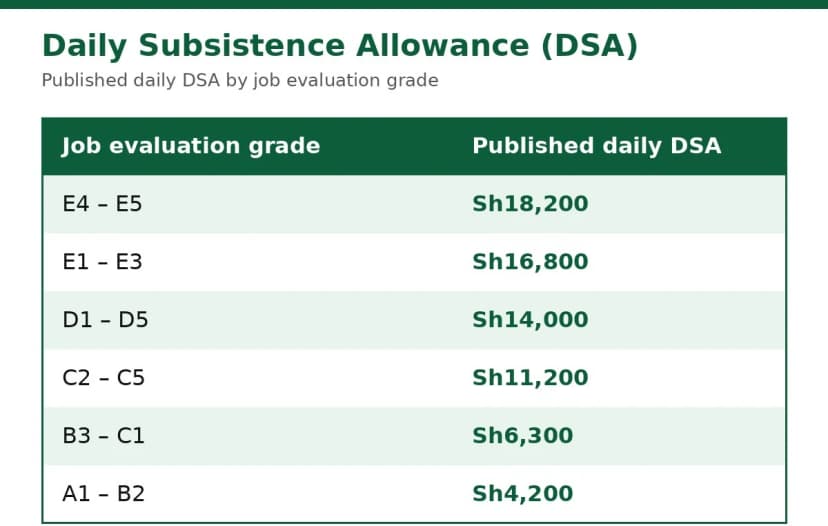
The dispute has also drawn attention to the difference between examination-specific allowances and the daily subsistence allowance (DSA) paid to eligible public officers travelling on official duty. An August 2023 SRC circular sets DSA rates according to job evaluation grade.These are published rates, not confirmation that every public officer currently receives the stated amount whenever they travel. Eligibility, authorisation, the nature of the assignment and applicable rules determine whether an allowance is payable. The framework also provides for a 50-kilometre exclusion around an officer's duty stationAn eligible officer in the A1–B2 range may qualify for Sh4,200 in daily DSA on authorised official duty, while an invigilator reportedly receives Sh430–Sh510 per day and a supervisor Sh630–Sh680. The gap is significant, but the two arrangements are not interchangeable. DSA helps meet eligible subsistence costs during official travel, whereas examination payments operate under KNEC-specific arrangements. Teachers are therefore not automatically entitled to DSA rates simply because they undertake examination duties.
The more important question is whether examination rates adequately reflect the duties performed, hours worked, travel, accommodation costs and the responsibility of handling confidential materials. Where accommodation and meals are provided separately, those benefits must also be counted, so a fair review should assess the full terms of each assignment rather than compare daily figures in isolation.
Security risks and professional liability
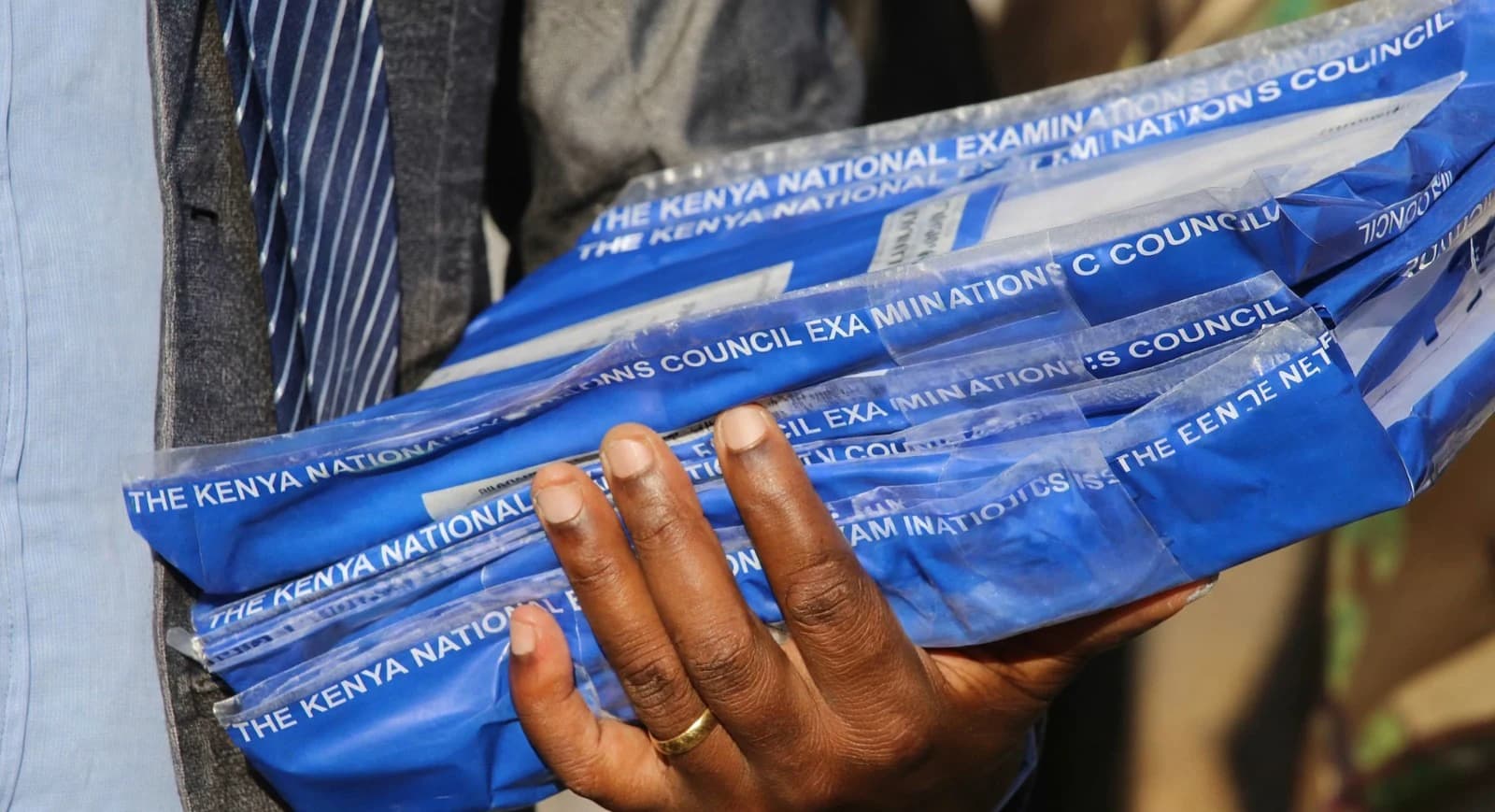
Teachers administering national examinations carry responsibilities that expose them to legal, security and personal risks. They must safeguard examination materials, enforce regulations, prevent cheating, keep accurate records and ensure candidates follow procedures. Alleged negligence, mishandling of confidential materials or breaches of rules can trigger investigations and professional consequences.
The pressure can intensify when teachers face attempts to facilitate malpractice, intimidation or interference. Those transporting confidential materials between centres may also contend with long distances, poor roads and insecurity in some areas. Training, clear guidelines, secure transport and effective reporting mechanisms are therefore essential, so that teachers who refuse to take part in malpractice are not left to manage threats alone.
Accommodation and welfare concerns
The dispute extends beyond pay to working conditions, particularly during marking. KUPPET has alleged that some examiners are made to sleep on thin mattresses in overcrowded dormitories. Poor sleeping arrangements, sanitation and meals and limited rest can undermine welfare and concentration in work that demands accuracy, consistency and sound judgement.
Any revised payment framework should therefore specify which expenses are covered by examination allowances, which are provided separately and which teachers must meet themselves.
Examination assignments may require teachers to travel and stay at designated centres for several days, incurring transport and incidental costs and spending long periods away from their families. Where allowances do not cover these costs, teachers bear the burden. Payment delays compound the problem, especially for those who have already spent their own money.
A transparent system should set out the applicable rates, expenses covered, documents required and expected disbursement dates, so that personnel know their entitlements before deployment.
Why the Sh4,000 demand matters
The reported examination rates are below the union's proposed minimum and below the published DSA figures for some eligible public officers, although the two payment systems must be kept distinct. The government must balance teachers' welfare against the cost of administering examinations for millions of candidates. Any revised structure would need clear funding, defined eligibility criteria and a practical implementation plan.
A differentiated framework could recognise the distinct responsibilities of invigilators, supervisors, centre managers and examiners, with rates that are transparent, predictable and periodically reviewed. The SRC could help clarify compensation principles, while KNEC would need to explain the financial and operational implications of any change. The aim need not be to match DSA rates, but to establish whether existing arrangements fairly compensate teachers for their work, expenses and responsibilities.
Candidates and parents caught in the middle
The timing is sensitive because candidates have spent months preparing for examinations that determine their progression and future careers. A prolonged disagreement could complicate the deployment of supervisors and invigilators, coordination at centres and the marking of scripts, raising anxiety among candidates and parents and potentially delaying results.
Even so, the boycott threat is not proof that the examinations will not take place as scheduled. The outcome will depend on negotiations, contingency planning and the availability of personnel. Any contingency arrangements must preserve examination security, fairness and the credibility of the results.
With rehearsals due on October 16 and oral and practical papers from October 19, the window for a settlement is narrowing. Early negotiations, clear communication about the financial implications and a timetable for resolving the dispute could stop an industrial relations disagreement from becoming an examination management crisis.
Ultimately, the dispute is about more than the gap between existing allowances and the proposed Sh4,000 rate. It is about whether the institutions responsible for national examinations can fairly compensate, adequately protect and consistently support the teachers whose work underpins the credibility of Kenya's examination system.
You can also follow our social media pages on Twitter: Education News KE and Facebook: Education News Newspaper for timely updates.
>>> Click here to stay up-to-date with trending regional stories
>>> Click here to read more informed opinions on the country's education landscape
>>> Click here to stay ahead with the latest national news.







Reader Discussion (0)
Sign in to comment