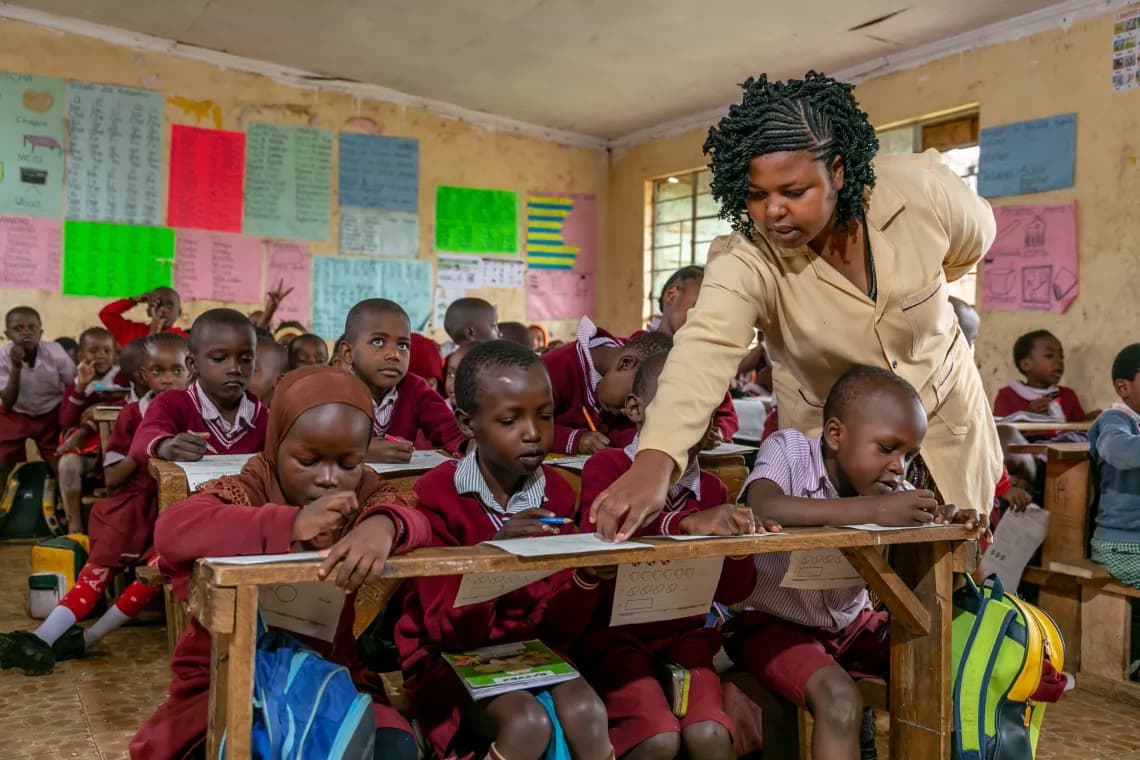
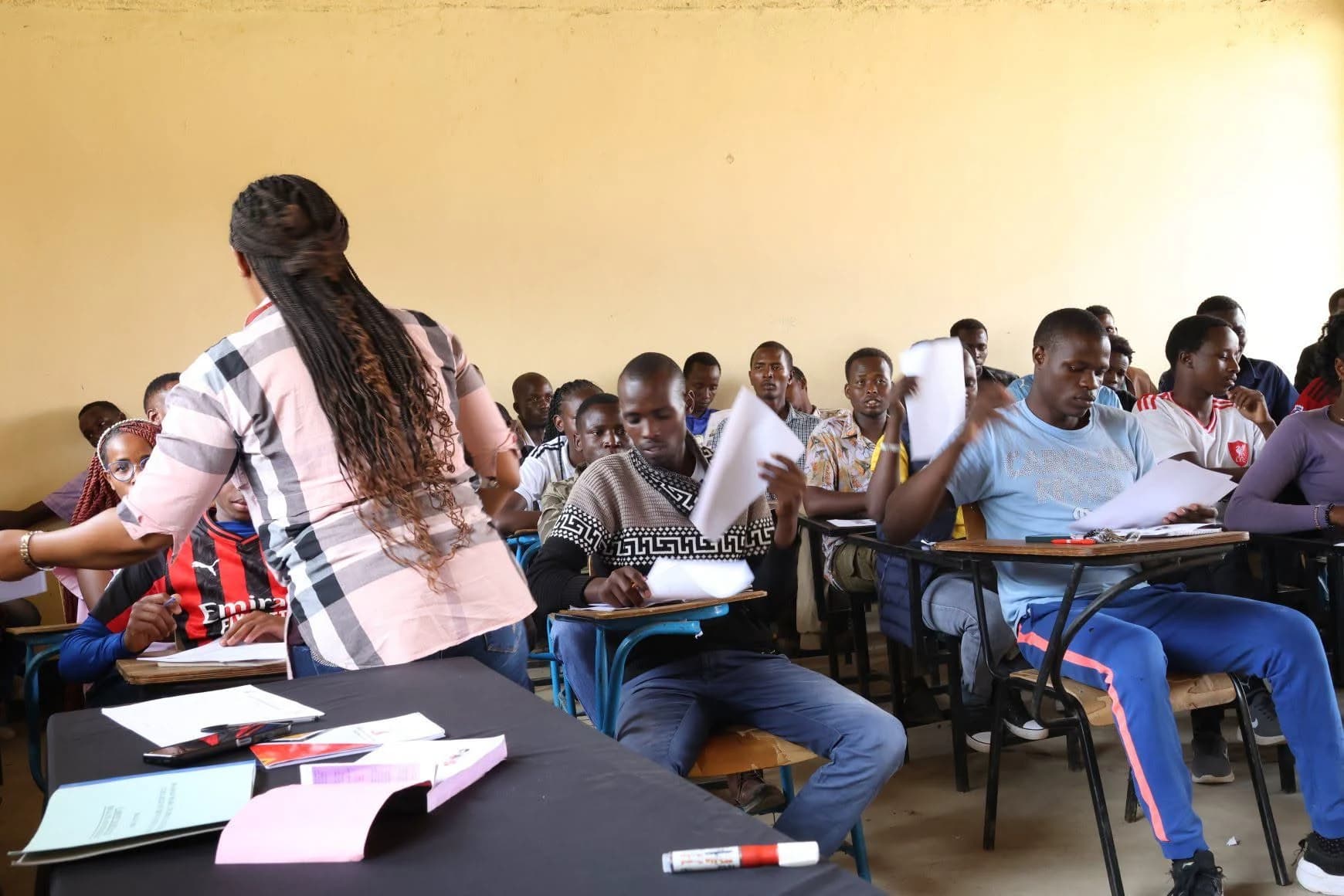
The Ministry of Education's (MoE) declaration that 261,000 candidates are missing from this year's national assessments should alarm the entire nation. Beyond an examination statistic, the figure is a stark warning that Kenya's vision of a knowledge-based economy risks collapsing if the country cannot keep all its children in school to complete basic education.
This contradiction cannot be dismissed as a temporary administrative problem. It demands a serious look at the social, economic and institutional conditions that determine whether children stay in school.
Before concluding, however, the government must establish what the reported figure represents. It could be candidates who failed to register for examinations, learners who dropped out, pupils who transferred schools or children whose whereabouts remain unknown. These distinctions are essential for credible policy and public accountability.
Kenya's education system has long been shaped by the promise that schooling can break the intergenerational transmission of poverty. After independence in 1963, successive governments expanded educational opportunities, recognising education as a foundation for national development and social mobility.
The Ominde Commission of 1964 helped set the direction of post-independence education policy, while the introduction of the 8-4-4 system in 1985 reflected ambitions to make education more relevant to employment and practical skills. Free primary education, introduced in 2003, substantially widened access, and free day secondary education followed in 2008. These were important milestones, but they also showed that policy declarations alone cannot eliminate structural inequalities.
The central question is therefore not simply how many children enter school, but how many remain, learn and complete their education. Research on school participation in Kenya has consistently identified household poverty, indirect schooling costs and socioeconomic disadvantage as barriers to educational continuity.
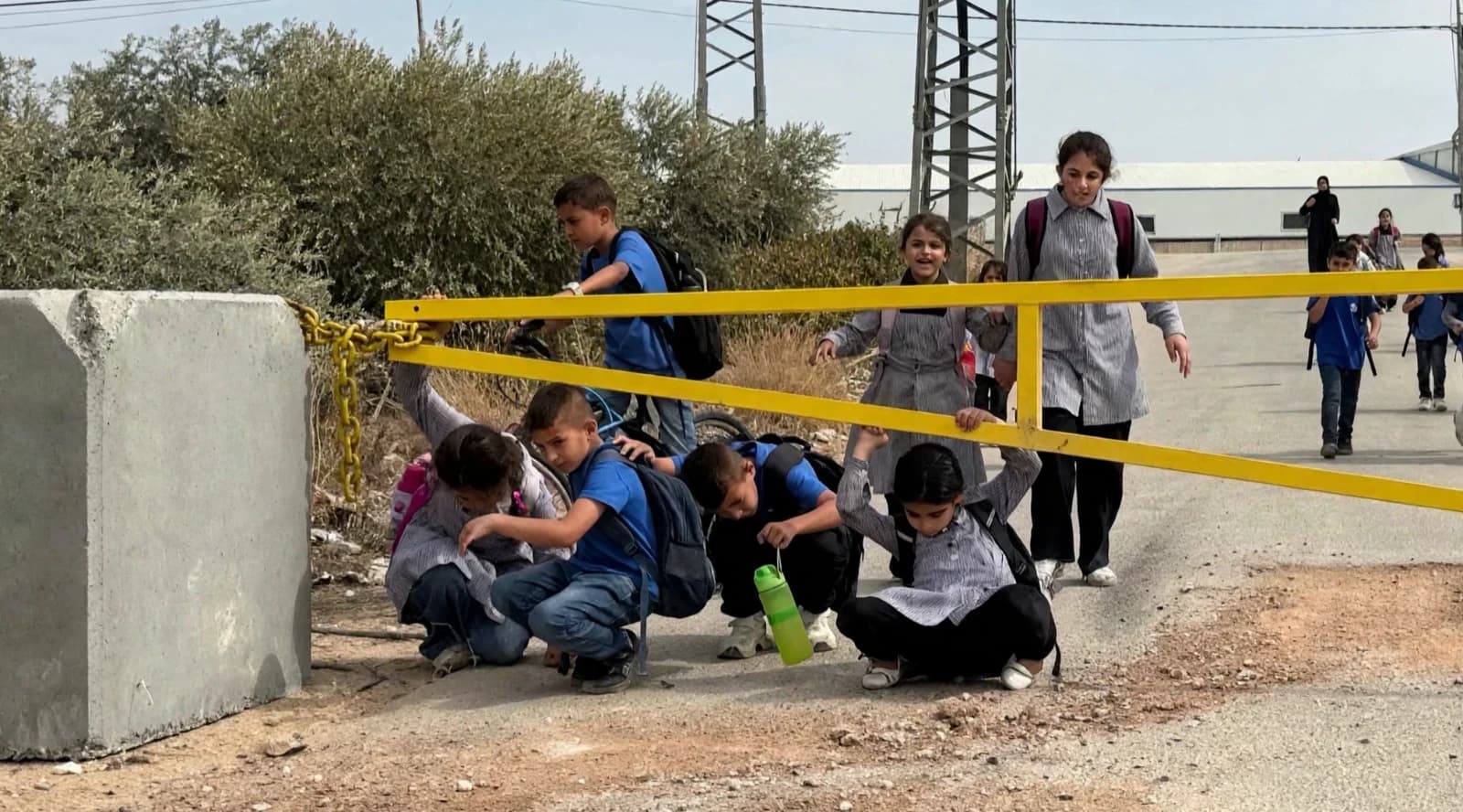
Even where tuition is officially free, families may struggle to afford uniforms, transport, meals, learning materials and other essentials. For households on unstable incomes, these costs can turn education from a constitutional aspiration into a daily financial struggle. Children may miss lessons, take casual work, assume domestic responsibilities or abandon school altogether.
The consequences extend beyond individual families. Educational exclusion limits employment opportunities, weakens human capital development and perpetuates inequality across generations. Children who leave school early face greater difficulty accessing further education and formal employment, while communities with persistently low participation risk being left out of the benefits of economic growth. The reported figure should therefore be examined not only as an education-sector concern but also as a question of social justice, public spending and national development.
The government must also confront the geographical inequalities that affect participation. In arid and semi-arid counties, drought, food insecurity, long distances to schools and the mobility of pastoralist households can disrupt attendance. In informal urban settlements, overcrowded housing, insecure employment and household poverty create different but equally serious pressures. Learners with disabilities may face inaccessible facilities, too little specialist support and inadequate learning materials.
A uniform national intervention will not address these different circumstances. Effective policy must be informed by local evidence and designed around the specific barriers facing different communities.
Accountability must move beyond the annual spectacle of national examinations. Examination security is important, but the state must show equal commitment to identifying vulnerable learners before they disappear from school registers.
The Ministry of Education should work with county education offices, school administrators, children's officers and social-protection agencies to establish why the reported candidates are missing. Schools should reconcile enrolment records, daily attendance registers, transfer documents and examination-registration data. The findings should be published transparently, with safeguards to protect children's personal information.
Parliament also has an important oversight role. Education committees should request a detailed explanation of the reported figure, examine the adequacy and distribution of school funding, and establish whether existing retention programmes are reaching vulnerable learners. Officials should be required to explain not only how much money has been allocated but whether the spending has improved attendance, completion and learning outcomes. Public finance must be judged against measurable results rather than political announcements.
Equally important is an early-warning system to identify learners at risk of dropping out. Schools should flag persistent absenteeism, engage parents and guardians, and refer vulnerable households to support services.
School feeding programmes, targeted bursaries, menstrual health support, disability accommodations and emergency assistance should be strengthened where evidence shows they can remove barriers to attendance. These interventions need reliable funding, transparent implementation and independent evaluation.
Ultimately, Kenya must reconsider how it defines educational success. A country cannot credibly celebrate expanded enrolment while overlooking whether children complete the educational journey. Nor should examination performance become the only measure of a system whose responsibilities begin long before candidates enter examination rooms.
If the reported shortfall is confirmed and its causes established, it should become an opportunity to confront longstanding inequalities rather than another episode of public outrage followed by institutional silence. Every missing learner represents a question that government, communities and educational institutions must answer. The test of national leadership is whether those questions lead to verifiable action.
Kenya's greatest educational achievement will not be successful enrolment and administration of examinations alone, but a system in which poverty, disability, geography and social disadvantage do not determine a child's opportunity to learn.




Reader Discussion (0)
Sign in to comment