



African education and research institutions have been urged to strengthen collaboration, invest more in agricultural research and close knowledge gaps to address food insecurity and climate change across the continent.
AKADEMIYA2063 managing director Dr Debisi Araba said limited funding and poor coordination among government agencies were holding back efforts to build agricultural systems that can withstand climate shocks.
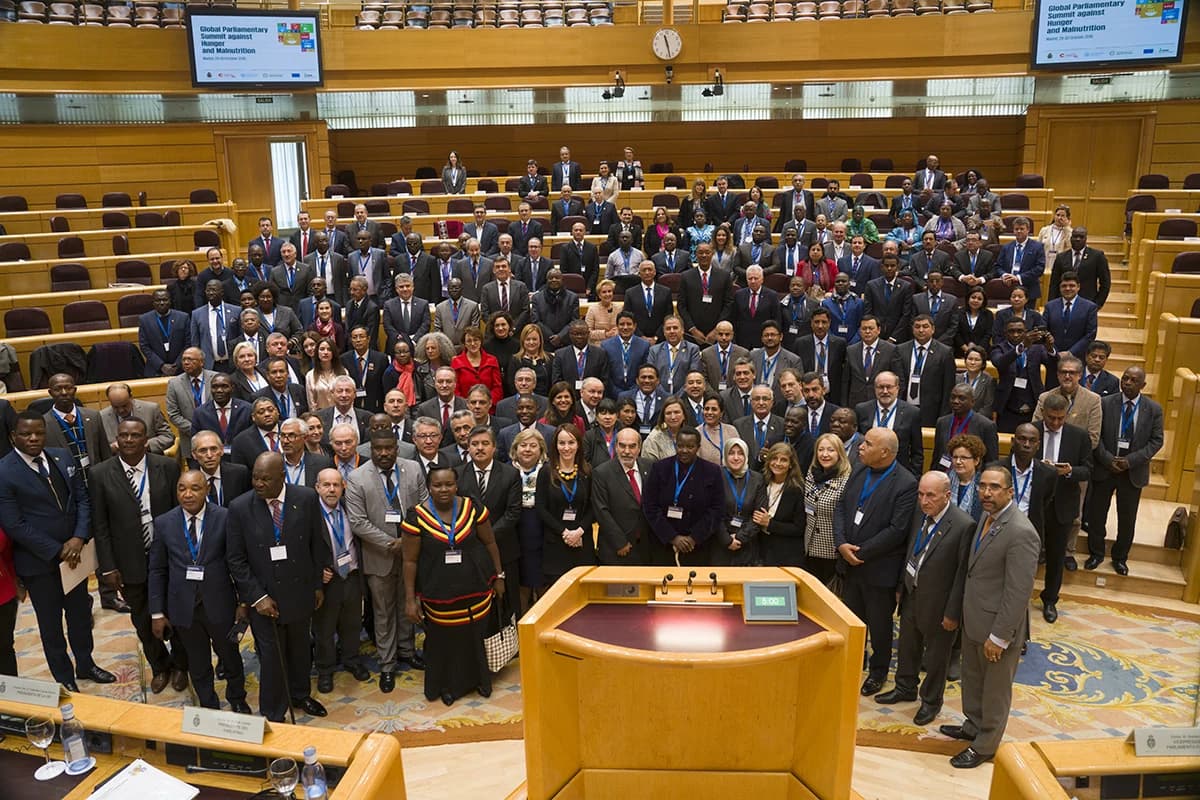
He spoke at the Third Global Parliamentary Summit against Hunger and Malnutrition, taking place in Nairobi on November 16 and 17, 2026. The session was moderated by Prof Tom Ojienda, chair of Kenya’s Senate Standing Committee on Agriculture, Livestock and Fisheries.
Share data and coordinate budgets
Araba said African governments had made commitments on climate change and food security but faced difficulties putting them into practice. He said agriculture, nutrition and climate programmes were often handled by different ministries, each with its own plans and budgets.
He called for closer coordination among existing agencies, an approach he described as “institutional nesting, not institutional multiplication”. He urged institutions to collect data once and make it available across programmes so that researchers and officials can work from the same evidence.
Araba said education and research institutions could help governments put evidence into practice by training specialists, sharing findings and building partnerships with the agencies responsible for agricultural policy.
Invest in long-term food security
Araba also drew attention to gaps in financing. A global analysis featured by FAO found that agrifood systems received 4.3 per cent of project-level climate finance tracked worldwide in 2019–2020.
A separate IFAD report found that about one-quarter of external development financing disbursed for African food systems between 2018 and 2023 went to social assistance, primarily emergency food aid. Araba said African countries also need investment in research and the expertise that helps agricultural systems withstand future shocks.
AKADEMIYA2063 is a pan-African non-profit research organisation established in 2020. It provides data, analysis and training support to African Union member states in pursuit of Agenda 2063.
Reader Discussion (0)
Sign in to comment