

President William Ruto’s directive to prepare amendments to the Basic Education Act within 90 days has reignited debate over the management, staffing and financing of Early Childhood Development Education (ECDE), with county governments facing fresh questions over their role in the comprehensive school system.
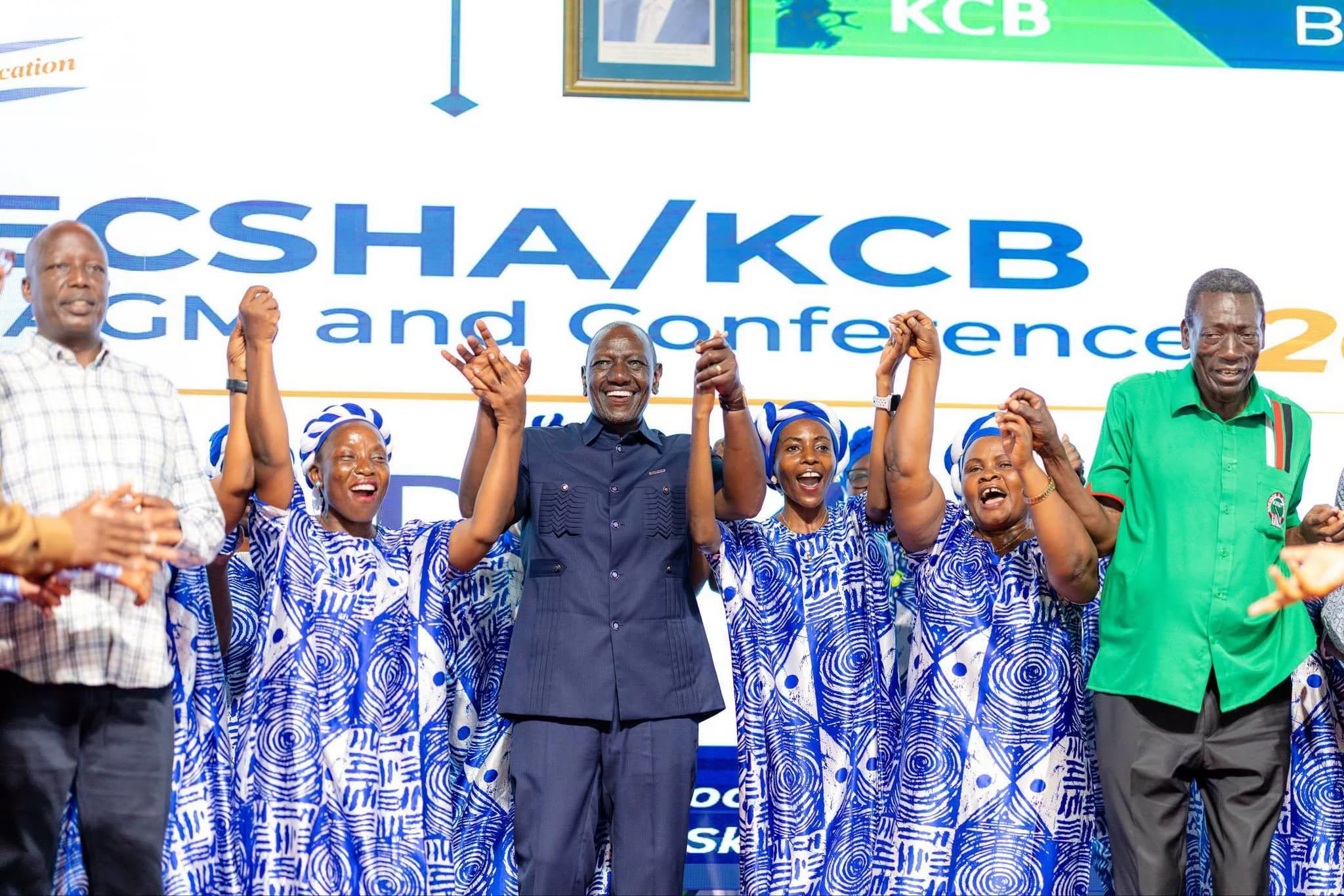
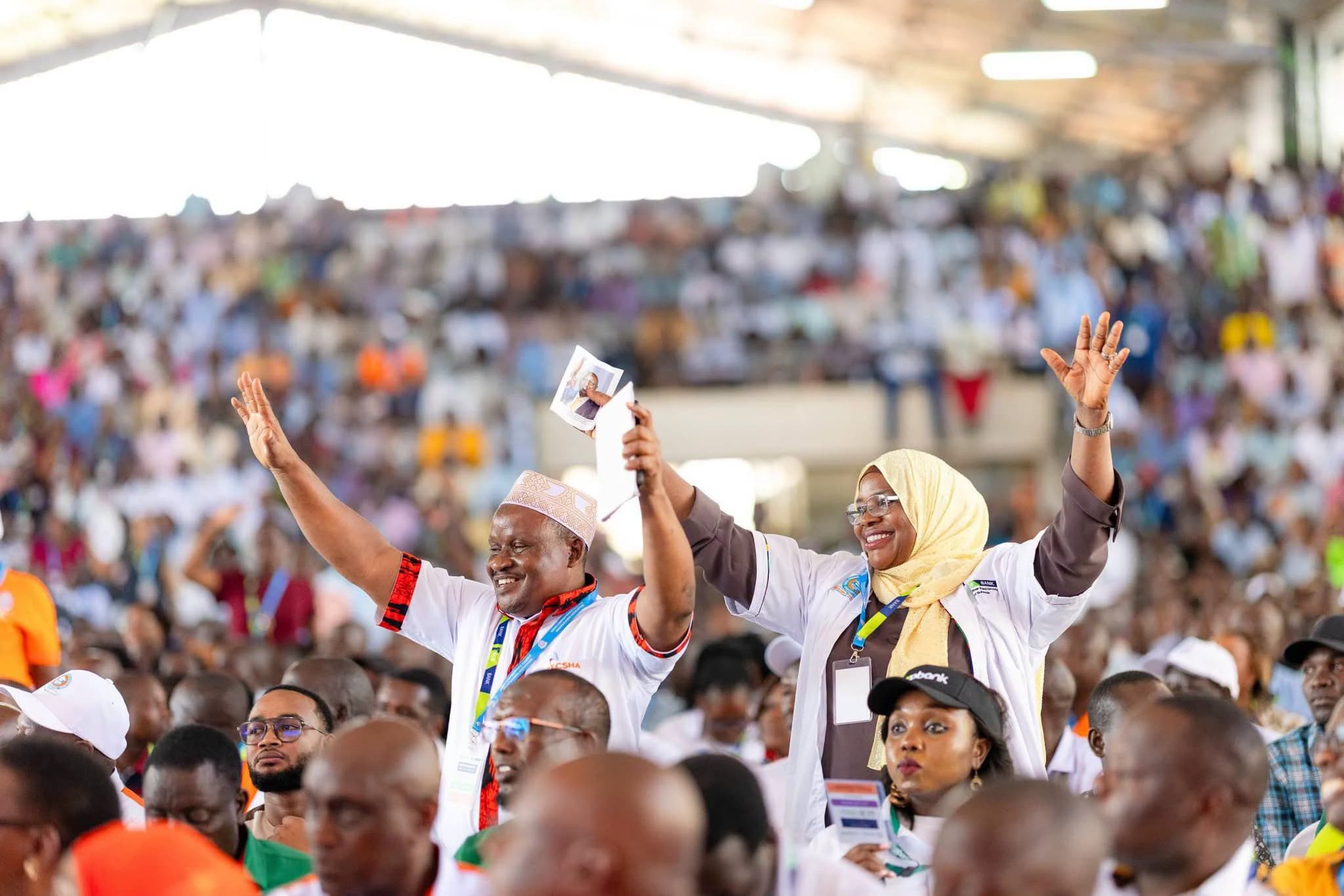
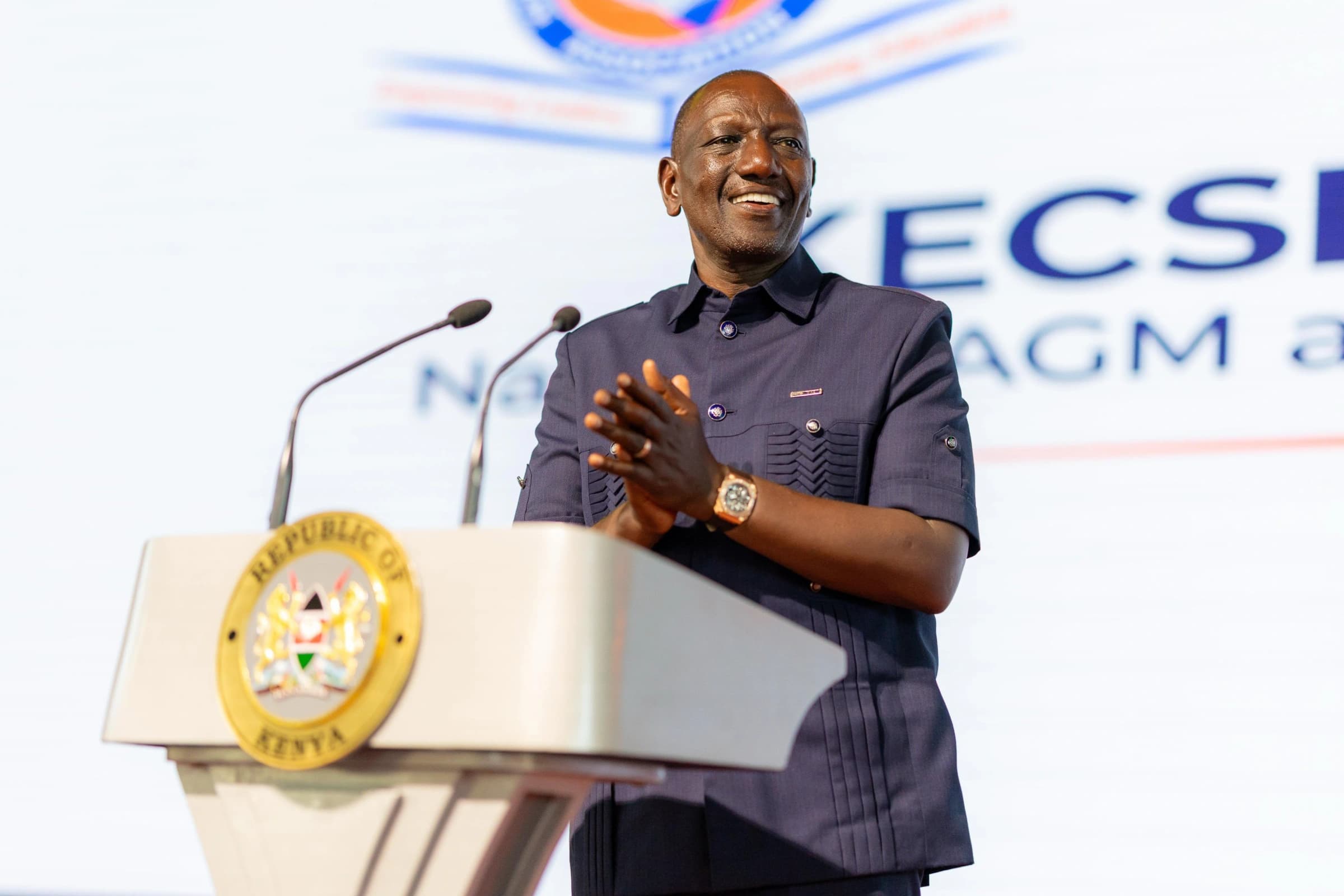
Speaking at the KECSHA annual conference in Mombasa on November 12, 2026, Ruto directed the Ministry of Education to work with school heads on proposals to give comprehensive schools a clear legal basis. The proposed amendments would address school governance, staffing and financing.
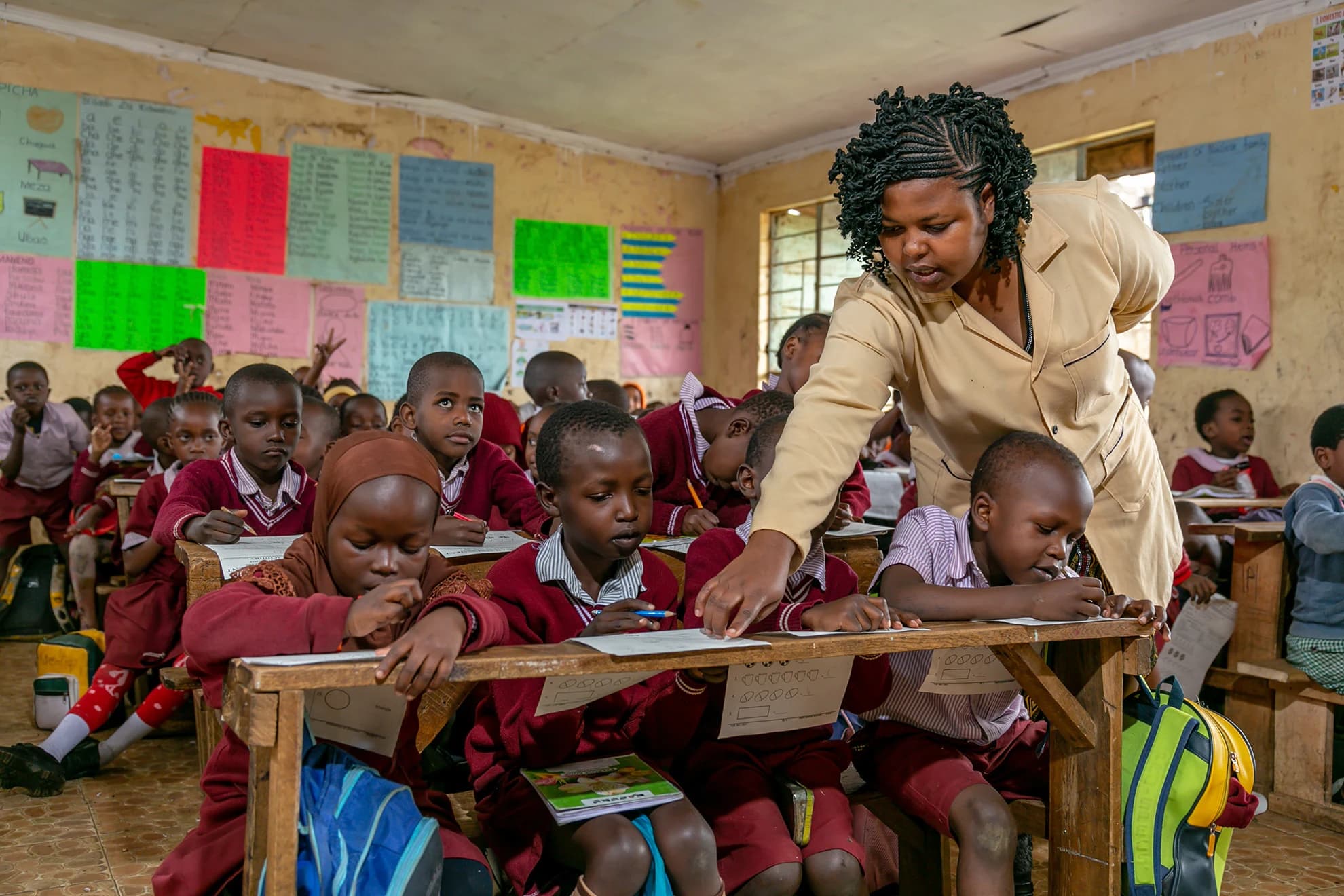
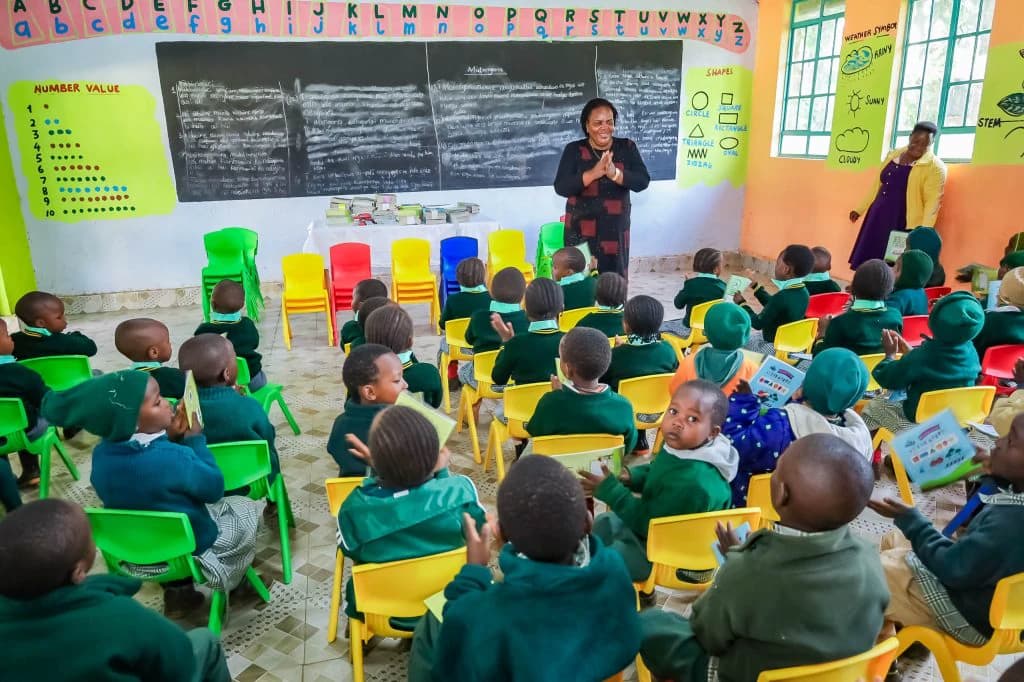
The comprehensive school model brings learners from Pre-Primary One (PP1) to Grade Nine under one school head. The question is how that arrangement would work where the two levels of government have different responsibilities.
Counties defend their role in pre-primary education
The Constitution assigns pre-primary education to county governments. The national government is responsible for education policy, standards and curricula, as well as primary and secondary education.
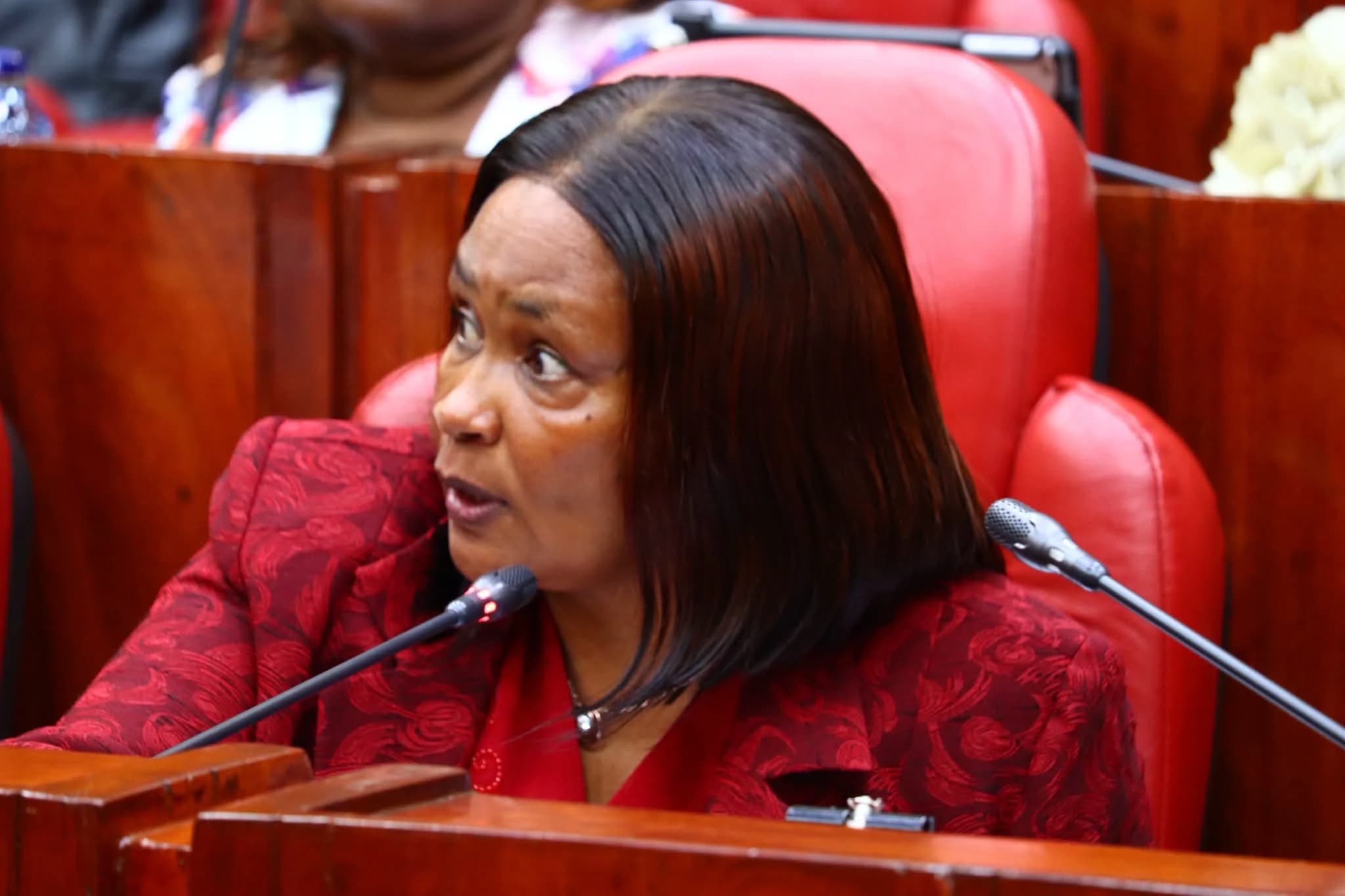
The Council of Governors has previously opposed placing pre-primary education under arrangements it says could undermine county authority. Governors have argued that ECDE centres should remain clearly demarcated even when they occupy the same compounds as primary schools.
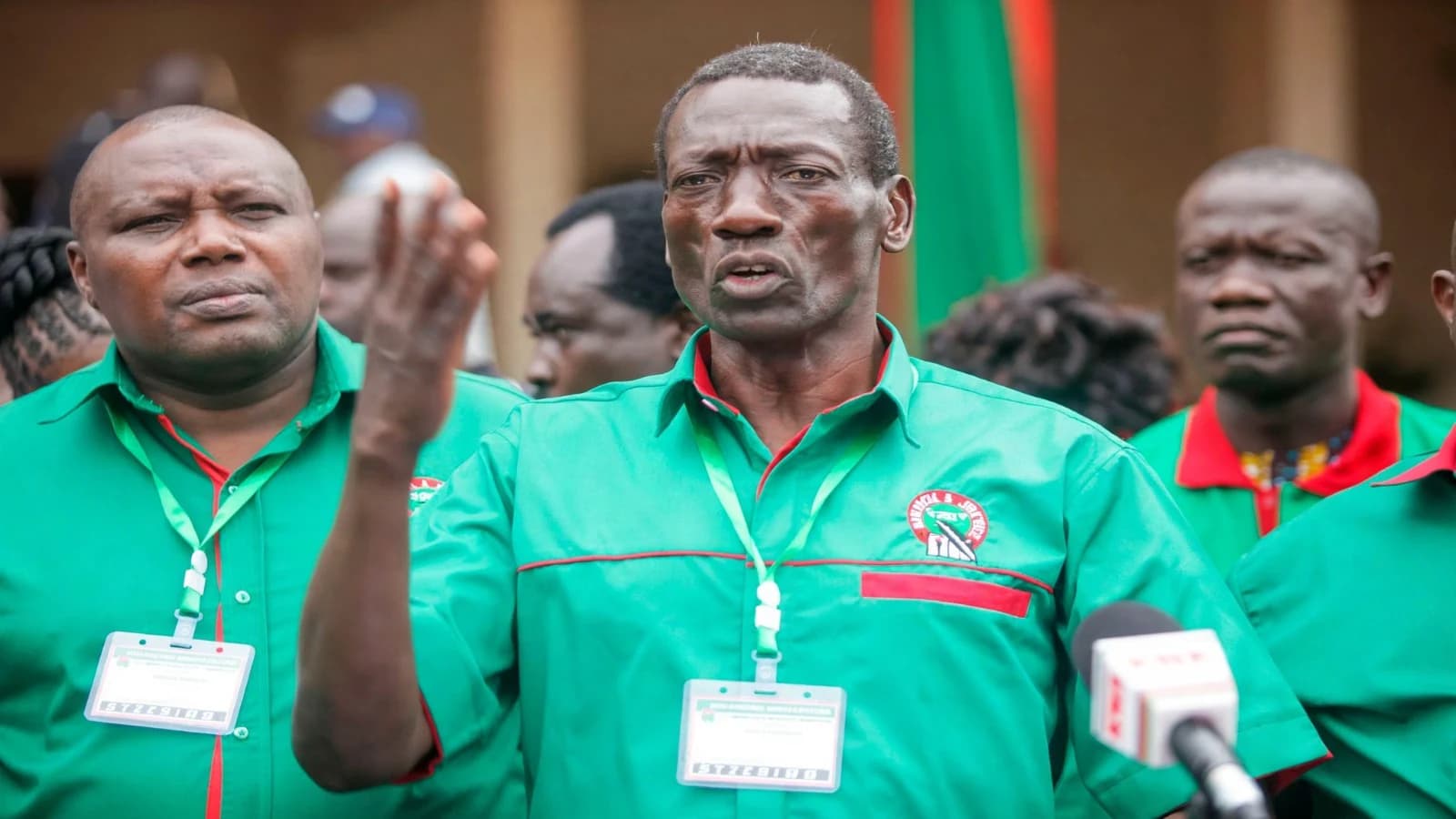
KNUT Secretary-General Collins Oyuu said sharing classrooms and other resources across learning levels could help schools use them more efficiently. He said the model would need clear management structures, adequate funding and coordination among teachers serving at different levels.
Governors seek funds for ECDE staffing
According to Council of Governors figures reported by Daily Nation, counties employ more than 50,000 ECDE teachers serving over one million learners. The estimated annual cost of implementing the ECDE teachers’ scheme of service is Sh12 billion, while combined county education budgets are estimated at about Sh10 billion. In some counties, those budgets also cover services outside education.
In March 2026, Council of Governors Education Committee chair and Kericho Governor Erick Mutai said governors had asked the President for a Sh5 billion conditional grant to help counties train and bring ECDE teachers into service.
The proposals will need to clarify who manages pre-primary sections, who employs and pays their teachers, and how counties and the national government share the cost of facilities used by learners from PP1 to Grade Nine.
Reader Discussion (0)
Sign in to comment