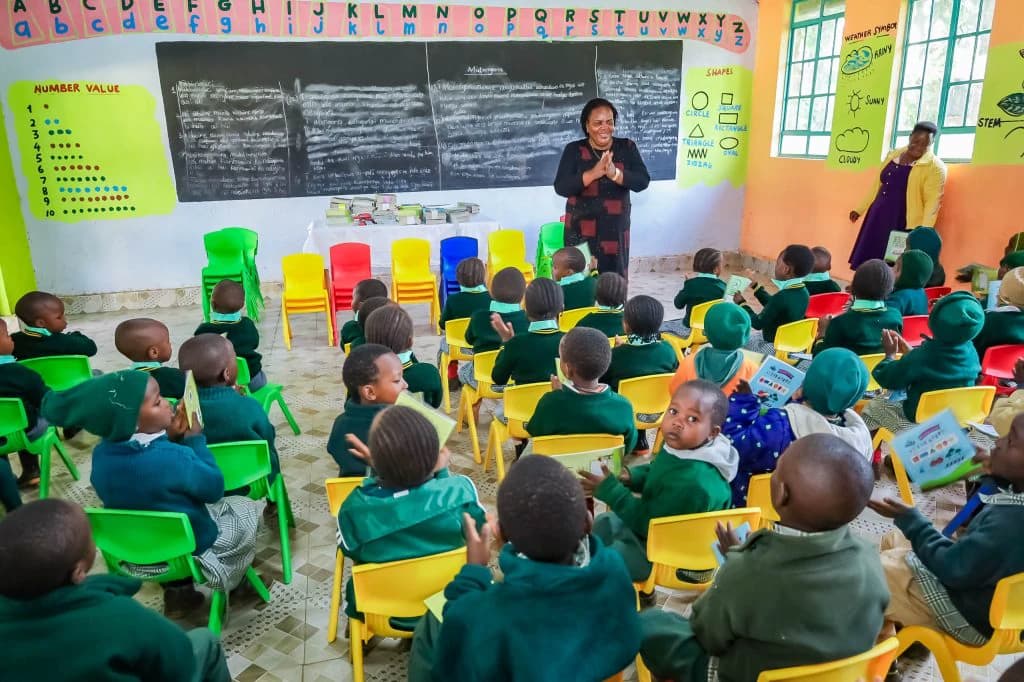
President William Ruto's plan to overhaul Kenya's basic education legal framework has opened a fresh constitutional and administrative contest between the national government and county governments, with Early Childhood Development Education (ECDE) emerging as one of the biggest casualties of the uncertainty around the proposed reforms.
At the heart of the controversy is a divided education governance structure, in which the national government oversees primary and higher levels of education while county governments retain constitutional responsibility for pre-primary education. This division threatens to leave ECDE dangling between two levels of government at a time when Kenya is establishing comprehensive schools that bring learners from Pre-Primary One (PP1) through Grade Nine under one institutional management structure.
The question facing policymakers is whether Kenya can establish a genuinely integrated basic education system without creating a constitutional and financial vacuum around the institutions that form the foundation of children's education.
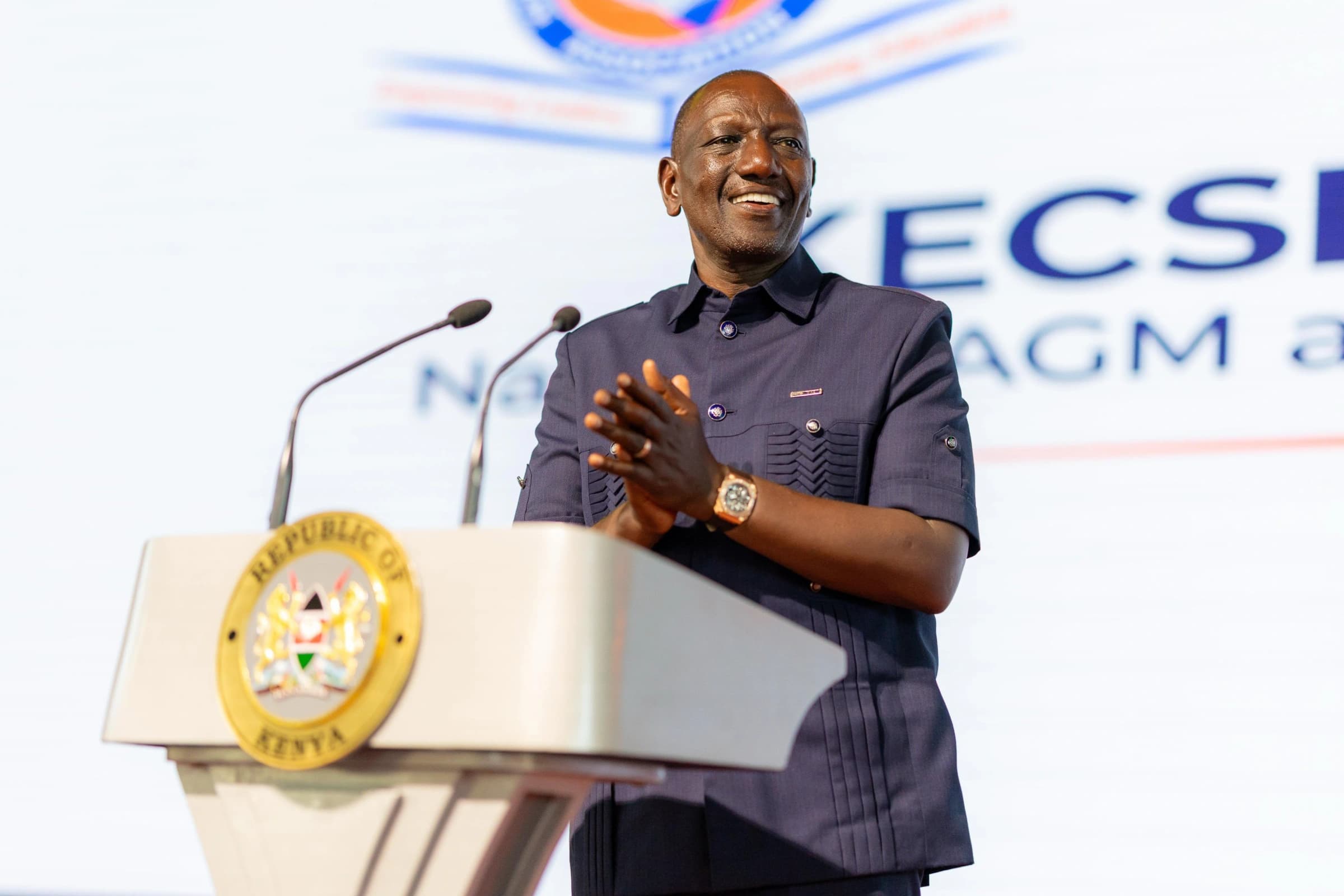
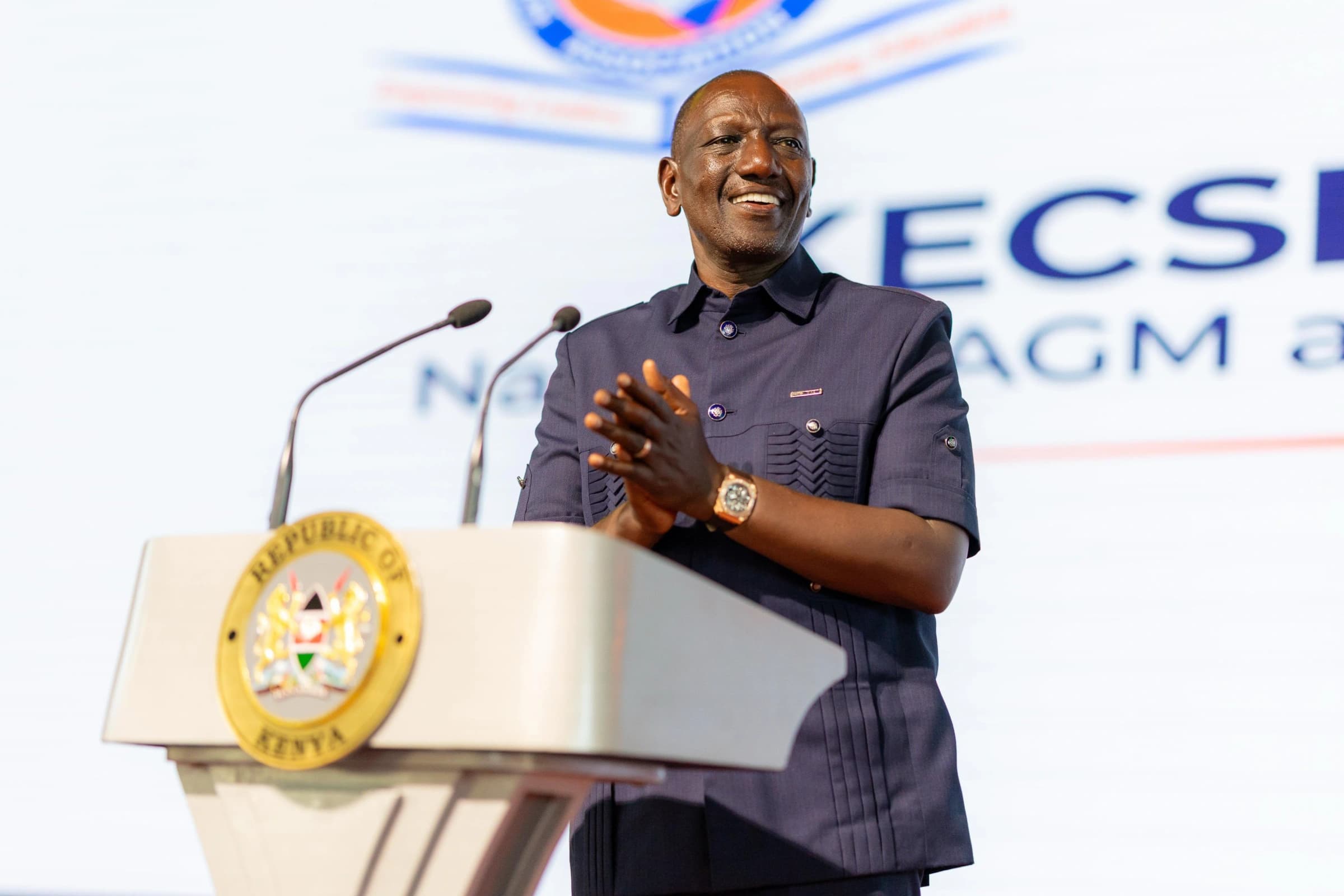
The debate gained momentum at the Kenya Comprehensive Schools Heads Association (KECSHA) Annual General Meeting and Conference in Mombasa, where Ruto directed the Ministry of Education to work with school heads and prepare proposals for amending the Basic Education Act, 2013, within 90 days.(Education News Kenya — https://educationnews.co.ke/news/rutos-90-day-reform-plan-pits-national-government-against-counties-in-power-struggle-over-ecde-control)
The directive signals the government's determination to give comprehensive schools a stronger legal foundation, with clear provisions on institutional leadership, staffing, financing, administration and accountability. The proposed changes have, however, reopened a sensitive question that the reforms have yet to resolve: who will ultimately control, finance and manage ECDE within the comprehensive school arrangement?
Under the emerging model, PP1, PP2, Grades One to Six and Grades Seven to Nine are expected to operate within a coordinated institutional structure. The arrangement is intended to improve continuity in learning, strengthen school management and end administrative fragmentation. For primary school headteachers, it could expand their leadership responsibilities and place them at the centre of comprehensive school administration. It could also provide a more coordinated transition for learners moving from early childhood education to primary and Junior School.
The apparent simplicity of one school structure conceals a complicated constitutional reality. A primary school headteacher could oversee an institution extending from PP1 to Grade Nine, while the ECDE teachers working within it remain employees of county governments, with their salaries, recruitment and employment arrangements falling under a different government structure. This spreads institutional leadership, teacher employment, professional regulation, financial responsibility and administrative accountability across two levels of government.
The Constitution of Kenya, 2010, is the foundation of this division. Under the Fourth Schedule, the national government is responsible for education policy and primary, secondary and special education institutions, while county governments are assigned responsibility for pre-primary education, village polytechnics, homecraft centres and childcare facilities. Incorporating ECDE into comprehensive schools therefore does not automatically transfer its constitutional management responsibilities to the national government.
Since devolution, counties have invested considerable resources in ECDE centres, teacher recruitment, infrastructure and early childhood programmes. Any attempt to restructure these institutions without clearly defining the future role of county governments could trigger a fresh constitutional dispute.
The financial implications make the situation more complicated. County governments have repeatedly raised concerns about inadequate resources to sustain ECDE programmes, particularly teacher employment, professional development, infrastructure and operations.
Figures presented in the debate indicate that counties employ more than 50,000 ECDE teachers serving more than one million learners, alongside additional caregivers. The estimated annual cost of implementing improved ECDE teacher employment structures has been put at about Sh12 billion, which shows the funding challenge facing counties. Governors have pushed for a dedicated Sh5 billion conditional grant to strengthen ECDE services, arguing that counties cannot be expected to deliver improved early childhood education without predictable financial support.
The concern is that comprehensive schools could inherit additional responsibilities without the corresponding resources. If PP1 and PP2 become part of larger institutions, who will finance additional classrooms, learning materials, sanitation facilities, school feeding programmes and teacher recruitment? Will counties continue financing ECDE even when their centres operate under comprehensive school leadership? Will the national government provide additional capitation for the expanded structure? And how will expenditure be monitored to prevent duplication of responsibilities? These questions must be answered before the proposed amendments become law.
The employment and professional management of ECDE teachers is another major challenge. Public ECDE teachers are recruited and paid by county governments, while the Teachers Service Commission (TSC) is responsible for teacher registration and professional regulation. Previous court decisions have reinforced the constitutional position that counties have the authority to recruit ECDE teachers, and the Early Childhood Education Act, 2021, provides a statutory framework for counties to employ, develop and remunerate them.
Any proposal to transfer ECDE teacher employment directly to TSC would therefore have to address the existing constitutional and legal framework and could not simply be an administrative change through the Basic Education Act. The danger is that ECDE teachers could end up working within institutions managed by national government school administrators while remaining employed by counties, creating uncertainty over supervision, performance management, professional development and career progression. For teachers who have spent years demanding better pay, permanent employment and clearer promotion structures, the reforms could either bring harmonisation or add another layer of uncertainty.
The comprehensive school debate also extends to the future of Junior School, particularly whether Grades Seven, Eight and Nine should operate independently or remain under primary school headteachers. The introduction of the Competency-Based Education (CBE) system has already transformed the traditional primary school structure by extending basic education beyond Grade Six. Primary school heads are now expected to manage institutions with expanded administrative responsibilities, additional staffing needs and more demanding infrastructure.
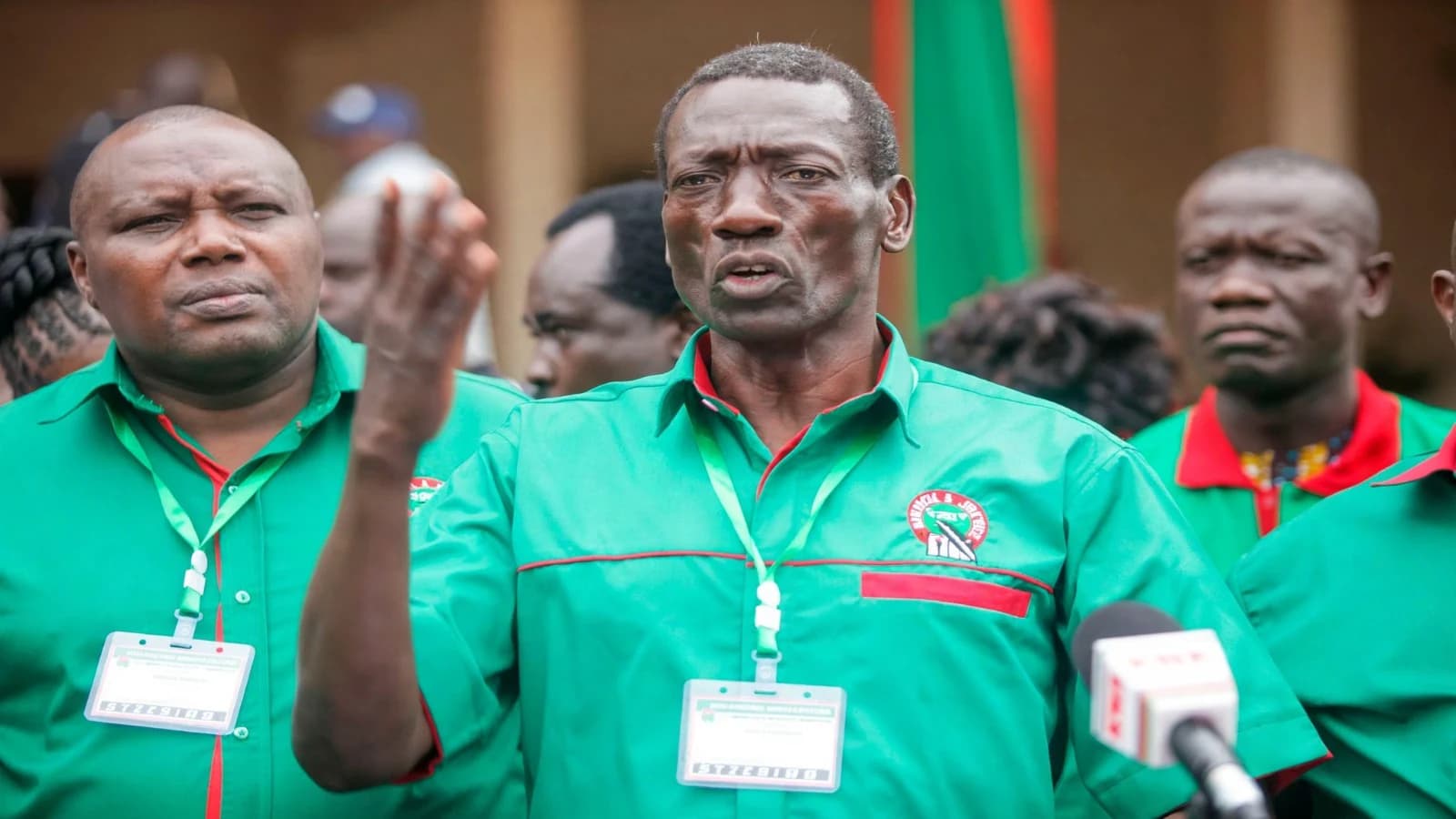
KECSHA has advocated clear legal recognition of comprehensive schools and stronger leadership structures for headteachers overseeing the expanded institutions. The Kenya National Union of Teachers (KNUT) has supported the comprehensive school arrangement, arguing for institutional integration across the different education levels. The Kenya Union of Post Primary Education Teachers (KUPPET) has pushed for greater administrative independence for Junior School, reflecting continuing disagreements within the teaching profession over institutional leadership and professional representation. These competing positions show that the amendments could reshape not only school management but also the distribution of leadership positions, staffing responsibilities and career opportunities.
Funding remains another major concern. The government has indicated that more than Sh86 billion was released to schools in three instalments in 2026, while Ruto has promised improvements in the timing of capitation payments. He has also announced plans for additional teacher recruitment and promotions to strengthen the teaching workforce as reforms are implemented.
The success of comprehensive schools will, however, depend on whether financial allocations reflect the actual needs of institutions and the different education levels they serve. A comprehensive school cannot become effective simply because PP1, primary and Junior School learners operate under one administrative structure. It requires adequate classrooms, laboratories, sanitation facilities, trained teachers, learning materials and reliable financial support.
The 90-day directive presents an opportunity to address long-standing weaknesses in education governance and not merely to finalise an administrative arrangement that is already taking shape. The Ministry of Education must bring together county governments, the Council of Governors, TSC, KECSHA, KNUT, KUPPET, parents and other stakeholders to develop a framework that does not undermine devolution.
The most practical solution could involve coordinated institutional leadership, harmonised learning standards and shared infrastructure, while preserving counties' constitutional responsibility for ECDE employment and financing. The national government would also need to set clear funding arrangements and accountability mechanisms so that comprehensive schools do not become institutions where responsibilities are shared but financial obligations remain disputed.
The proposed amendments to the Basic Education Act could become one of the most consequential developments in Kenya's education reforms. They will determine how comprehensive schools operate, who controls education resources, how teachers are employed and whether the transition from early childhood to Junior School becomes seamless. Unless the national and county governments resolve their differences, ECDE could remain trapped between two administrative systems, with uncertainty over who controls its future and who carries the financial responsibility for its survival.
Kenya cannot claim to have established a comprehensive education system while leaving its foundation exposed to constitutional disputes, inadequate funding and competing administrative authority. The real test of Ruto's 90-day agenda will be whether the government can integrate the education system without making ECDE, the foundation of learning, the biggest casualty of the struggle over devolution.






Reader Discussion (0)
Sign in to comment