




Millions of children across the world are advancing through the education system without acquiring essential reading, writing and mathematics skills, raising questions about the effectiveness of education reforms and how they are implemented.
A new report by the United Nations Children's Fund (UNICEF) and the Hempel Foundation warns that governments are making progress in developing education policies but are struggling to translate their commitments into better learning outcomes in classrooms.
The 2026 Foundational Learning Action Tracker (FLAT), titled Test to Teach, identifies a significant gap between education policies and the practical measures needed to ensure learners acquire basic competencies.
According to the report, 61.5 per cent of primary school learners are below the expected reading proficiency level, while 75.2 per cent have not attained the expected mathematics standards.
The findings, drawn from 123 low- and middle-income countries, suggest that increasing enrolment and introducing reforms are not enough unless accompanied by effective teaching, adequate resources and regular assessment of learners.
The report notes that although nearly eight in 10 countries have established policies to strengthen foundational learning, fewer than one in 10 have made substantial progress in implementing them over the past year. It identifies weak implementation structures, inadequate financing and insufficient teacher support as major obstacles to improving the quality of education.
One concern raised is the limited use of assessment results to improve teaching. About seven in 10 countries with available data use national assessment findings to inform education policy and planning, but only about four in 10 use the information to guide classroom instruction across all schools.
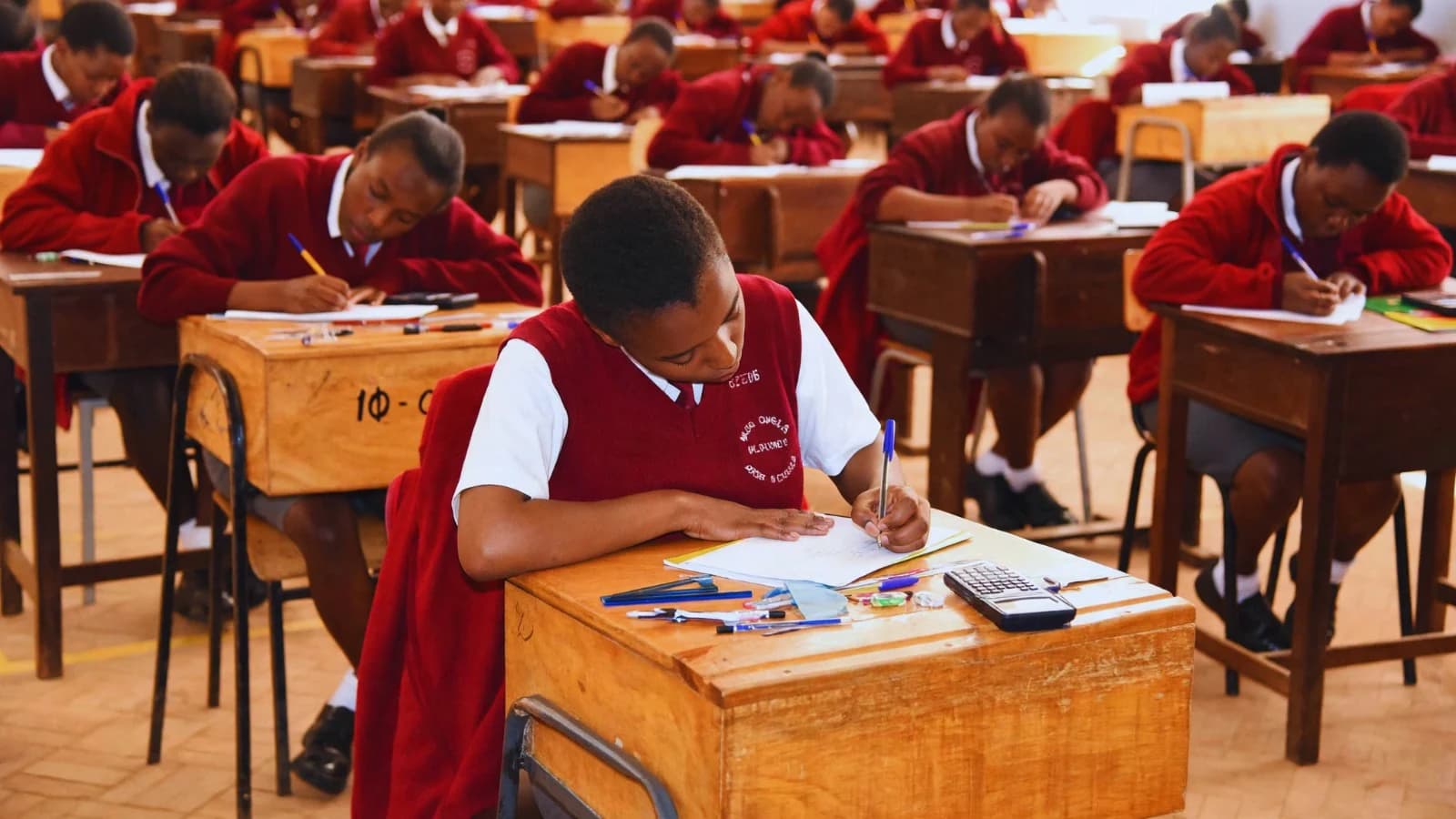
UNICEF argues that assessment should go beyond testing learners and generating results. The findings, it says, should help teachers identify children who are struggling and introduce interventions suited to their learning needs.
Among 39 countries tracked since 2023, the proportion conducting annual national assessments in early-grade reading or mathematics fell from 41 per cent to 33 per cent.
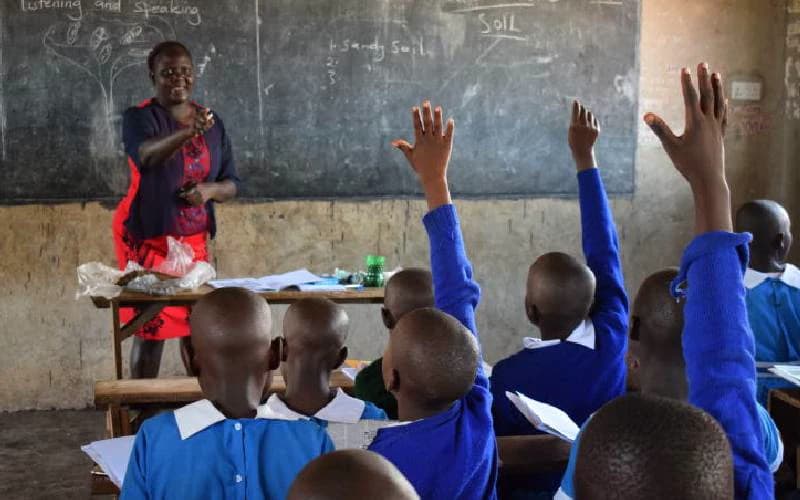
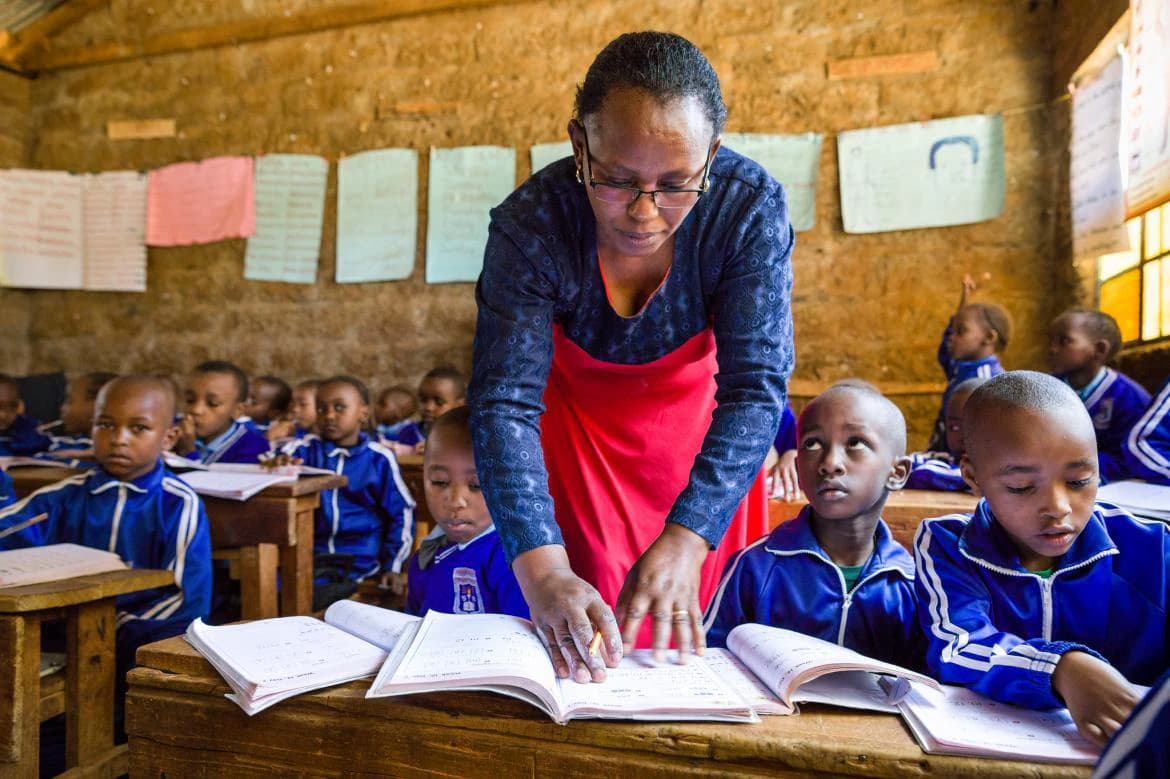
Teacher preparedness has also emerged as a critical factor in addressing the learning crisis. The report says educators need continuous professional development, appropriate instructional materials and practical guidance to identify learning gaps and support struggling children. It also highlights the role of education officers and school administrators in ensuring that national policies are implemented effectively at institutional level.
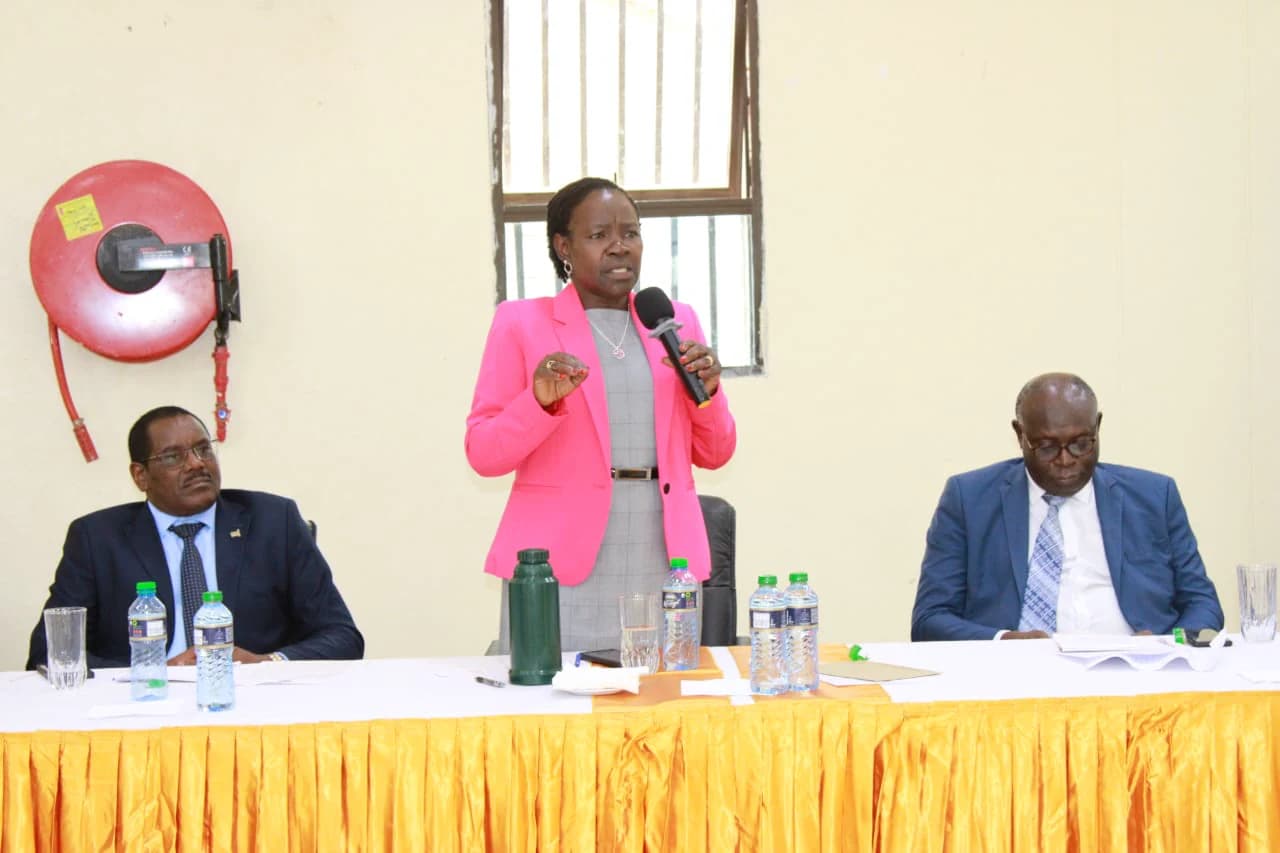
The findings come as Kenya intensifies efforts to strengthen foundational learning under the Competency-Based Education (CBE) system. Speaking at the Kenya Primary School Heads Association (KEPSHA) conference, President William Ruto challenged teachers to prioritise literacy and numeracy, particularly in the early years of primary education.
He called on school heads to ensure that no child completes Grade Three without the ability to read, write and perform basic mathematical calculations. The President also announced a national target of ensuring every child acquires these skills by 2030.
UNICEF's report also questions whether government spending matches the stated priority of improving foundational learning. Among 56 countries assessed, 42 per cent had a mismatch between government efforts and the education expenditure directed towards foundational learning.
While more than 80 per cent of countries have established national benchmarks for early-grade literacy and numeracy, only about a third have nationwide programmes providing targeted instruction and catch-up support based on individual learners' abilities. On psychosocial support, only about a third of countries have nationwide school-based mental health and psychosocial support services.
Some countries are recording progress through targeted interventions. The Gambia has improved across all five areas of the RAPID framework, while Malawi has expanded Common Zonal Testing to identify learning gaps and guide support. In the Philippines, an evaluation of the ARAL programme has shown a reduction in the number of struggling readers.
UNICEF says governments must move beyond policy declarations and invest in teacher development, learning materials, reliable assessment systems and institutional capacity if reforms are to deliver meaningful results. The report warns that without stronger accountability and sustained investment, millions of children risk completing years of schooling without mastering the basic skills needed for further education and everyday life.

Reader Discussion (0)
Sign in to comment