My heart goes out to Julius Ndurya for demonstrating integrity and professional courage in his stand against examination malpractice.
There are moments when the true character of a teacher is revealed, not in the classroom, not during a staff meeting, not when addressing parents, and certainly not when receiving accolades at a school function, but when confronted with an opportunity to compromise professional values. It is in such moments that integrity ceases to be a fashionable word and becomes a personal conviction.
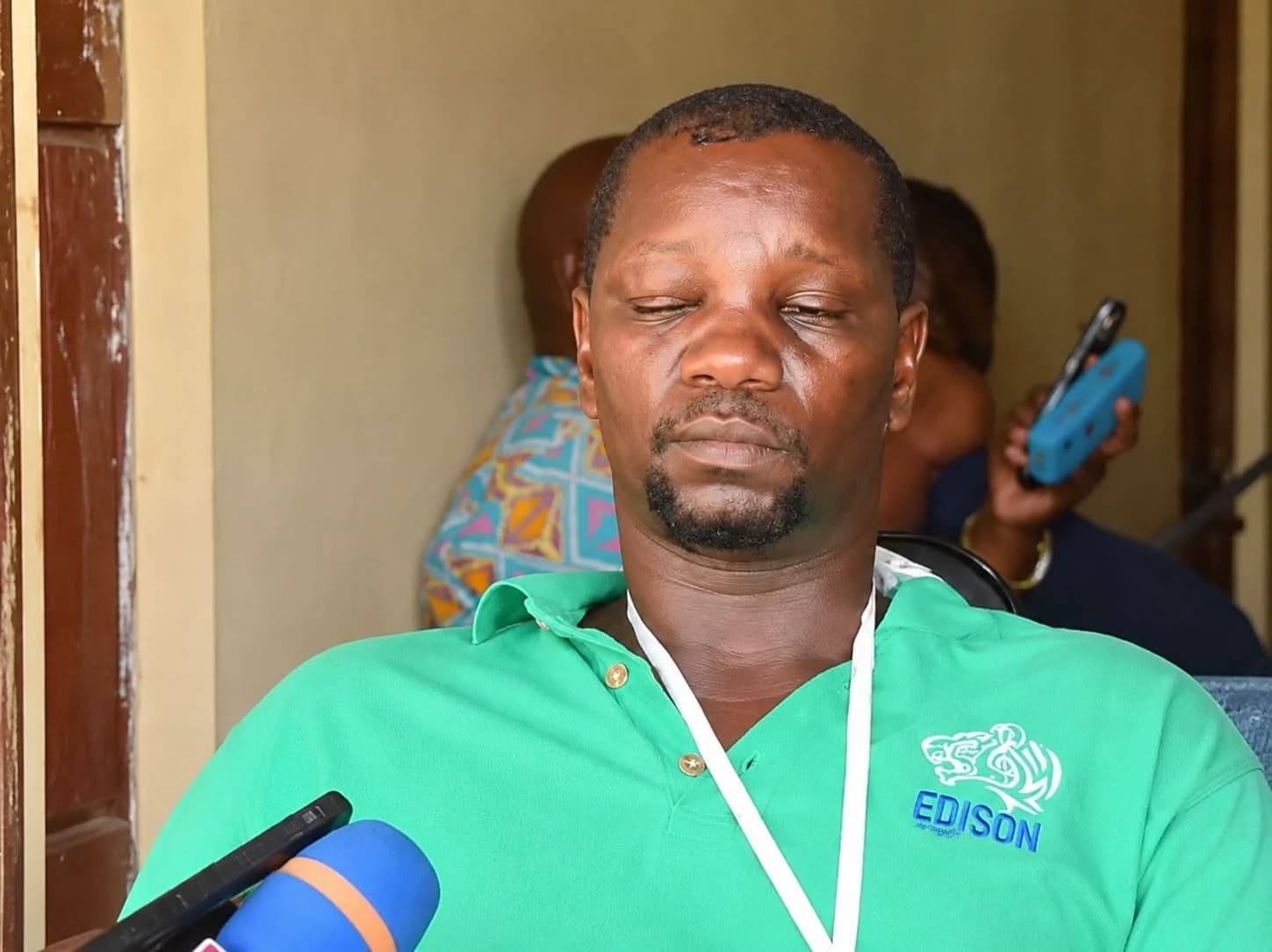
The disturbing incident involving Ndurya, a Kenya Certificate of Secondary Education (KCSE) examination supervisor in Kwale County, has brought this reality into sharp focus. His reported refusal to take part in examination malpractice, despite threats, intimidation and a subsequent brutal attack, deserves our admiration, solidarity and national recognition.
Ndurya was supervising examinations at Vigurungani Senior School when he allegedly encountered attempts to compromise the integrity of the national examinations. He claims he was offered Sh50,000 to turn a blind eye to irregularities. He declined.(Education News Kenya — https://educationnews.co.ke/news/teacher-julius-ndurya-deserves-recognition-and-promotion-for-refusing-to-sell-his-conscience)
He then reportedly confiscated unauthorised examination papers allegedly sneaked into the examination room by a teacher. He secured the materials in his locker as evidence, but they later disappeared.
What followed was a frightening sequence of events that culminated in his alleged abduction and assault on the evening of Wednesday, November 11. He sustained deep cuts to the head and a fractured hand. His attackers reportedly left him believing he was dead. He survived by pretending to be dead and was rescued by boda boda riders. These are not ordinary occupational hazards. They are the consequences of an alleged criminal campaign against someone who insisted on doing his job.
What makes Ndurya's actions remarkable is that he reportedly stood his ground when confronted with the temptation of money. Sh50,000 may appear attractive to someone willing to trade professional responsibility for personal gain. To Ndurya, the amount was apparently not worth the destruction of his conscience and the credibility of a national examination. He understood something every teacher, examination official and education administrator must appreciate: a national examination is not an opportunity for personal enrichment. It is a solemn exercise whose credibility determines the future of thousands of young people.
His refusal of the alleged bribe was an act of professional courage. His decision to confiscate unauthorised examination materials showed that he understood the seriousness of his responsibility. He was not merely supervising candidates as they answered questions. He was protecting the integrity of an institution and the credibility of qualifications that millions of Kenyans depend on.
Let us appreciate the magnitude of what this teacher reportedly stood to lose. He was operating in an environment where those allegedly opposed to his professional conduct were prepared to use intimidation and violence. He reportedly received warnings, faced pressure to cooperate and eventually suffered a horrifying attack. Yet, according to his account, he did not surrender his principles. That is extraordinary courage.
It is particularly disturbing that the alleged hostility was reportedly directed at him partly because he came from the same community as some of his attackers. The implication was that community loyalty should supersede professional responsibility. This is a dangerous mentality that must be confronted decisively. Belonging to a particular community does not oblige anyone to participate in wrongdoing. Ethnic, family, political or professional relationships must never become excuses for protecting dishonesty. A teacher's first responsibility in an examination room is to uphold the rules, not to negotiate them according to community expectations.
Ndurya has demonstrated an important lesson: integrity means doing what is right even when it becomes personally inconvenient or dangerous. It is easy to condemn examination malpractice from comfortable offices and conference halls. It is much harder to resist it when someone places money before you, threatens your livelihood or intimidates you into silence. This is why his actions deserve more than passing media attention.
The incident also exposes a disturbing contradiction within our education system. We routinely demand discipline, honesty and accountability from learners. We tell candidates that cheating is unacceptable, that examinations must be conducted fairly and that success should be earned through hard work. Yet what happens when the adults entrusted with enforcing these values are themselves allegedly involved in attempts to undermine them? What moral authority do we retain when a teacher is allegedly threatened for refusing to facilitate cheating?
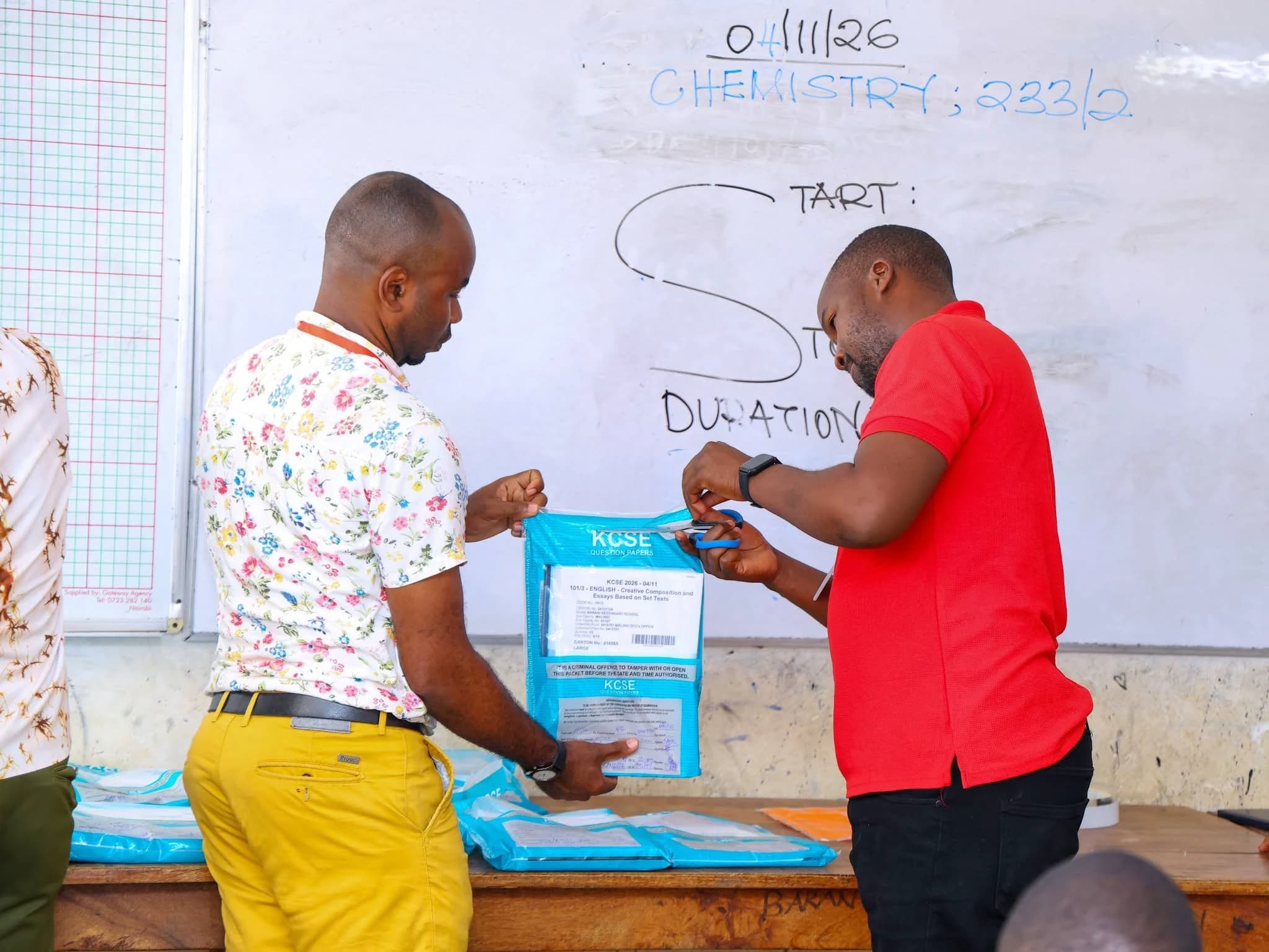
The fight against examination malpractice cannot be won through security officers, surveillance cameras, sealed examination containers and stern warnings alone. These measures are important, but they cannot permanently compensate for a failure of character. The most sophisticated security arrangements become meaningless when the very people entrusted with protecting the process are willing to compromise it.
Ndurya's experience should trigger an urgent national conversation about the safety and independence of examination officials. No supervisor or invigilator should have to choose between professional integrity and personal survival. The Kenya National Examinations Council (KNEC), the Teachers Service Commission (TSC) and the Ministry of Education must ensure that examination officials are protected from intimidation, political interference, bribery and criminal retaliation.
The police investigation must establish the circumstances of the attack, identify everyone responsible and determine whether the alleged bribery and examination irregularities were connected to the violence. Anyone found culpable, regardless of position or influence, must face the full force of the law. The allegations must not be buried, diluted or converted into an internal administrative disagreement.
More importantly, Ndurya should receive comprehensive medical, psychological and security support. He must not be pressured into returning to an environment where he reasonably fears for his life. His family should not be left to shoulder the consequences of his professional courage alone.
I would go further and propose that KNEC and TSC formally recognise Ndurya for exemplary professional integrity. Recognition should not merely be a certificate presented at a colourful ceremony. It should be a practical demonstration that this country values teachers who defend the credibility of its education system. His actions should be documented as an example of professional ethics in teacher training and examination administration.
We must also be careful not to celebrate his suffering while ignoring the institutional failures that allegedly exposed him to danger. Heroism should never become an excuse for a system that leaves honest professionals vulnerable.
Kenya does not need examination supervisors who negotiate the rules with examination cartels. It needs professionals who understand that their responsibility is to protect the examination process, regardless of who becomes uncomfortable. It needs teachers who cannot be purchased, intimidated or recruited into dishonesty.
Ndurya has reminded us that the greatest examination security system is an honest human being. He may have been physically overpowered, injured and traumatised, but his reported refusal to compromise has delivered a powerful moral victory. His actions tell every examination official that professional responsibility is not negotiable and that a certificate earned through dishonesty is an insult to education.
A teacher who refuses Sh50,000 to protect the integrity of a national examination deserves far greater respect than an individual who offers millions to destroy it.
Ndurya, your courage deserves recognition. Kenya's education system needs more professionals with your conviction. We must never allow those who defend integrity to become the victims of the very system they are entrusted to protect.
Integrity must never be punished. It must be protected, celebrated and rewarded.










Reader Discussion (0)
Sign in to comment