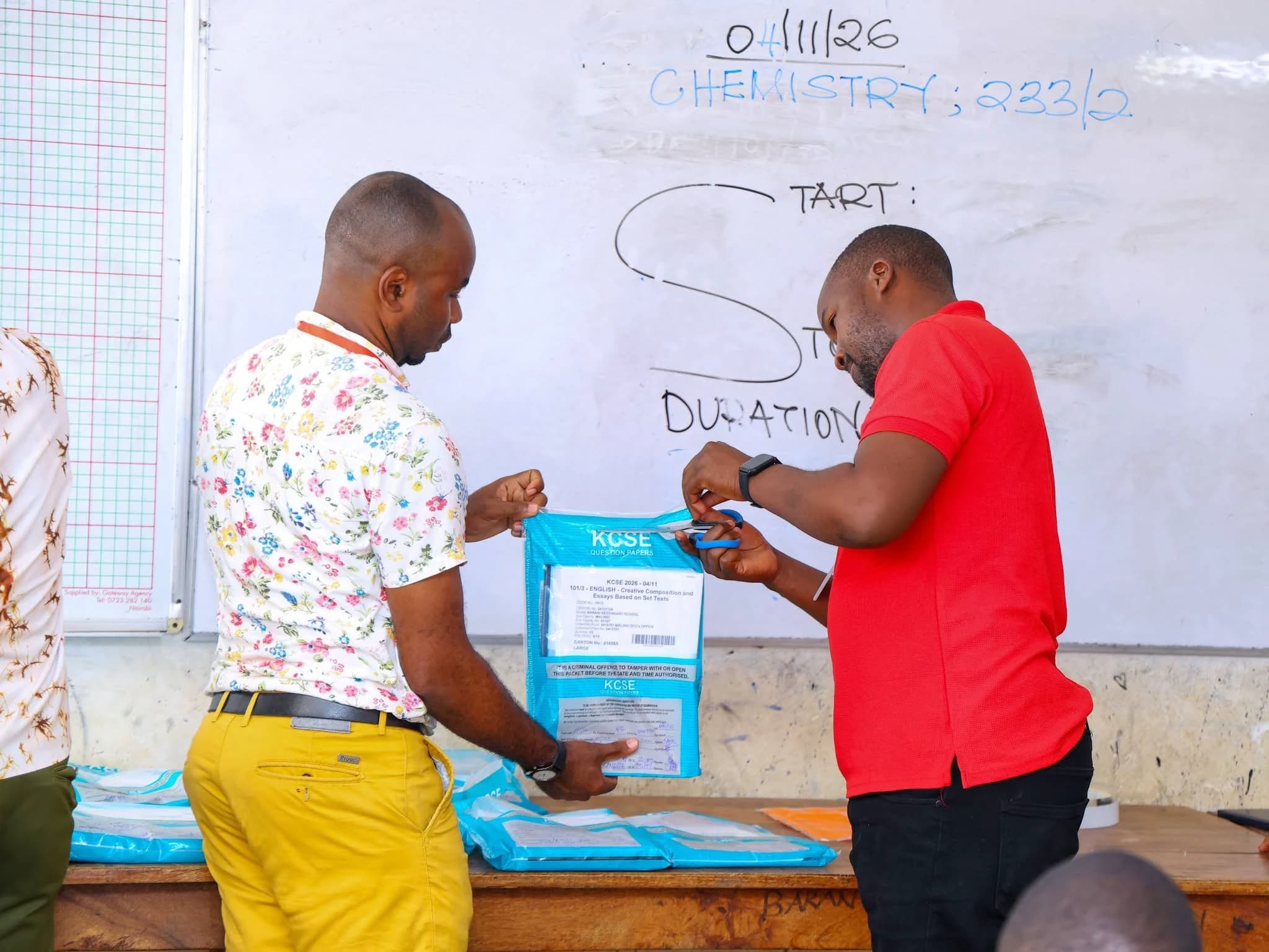





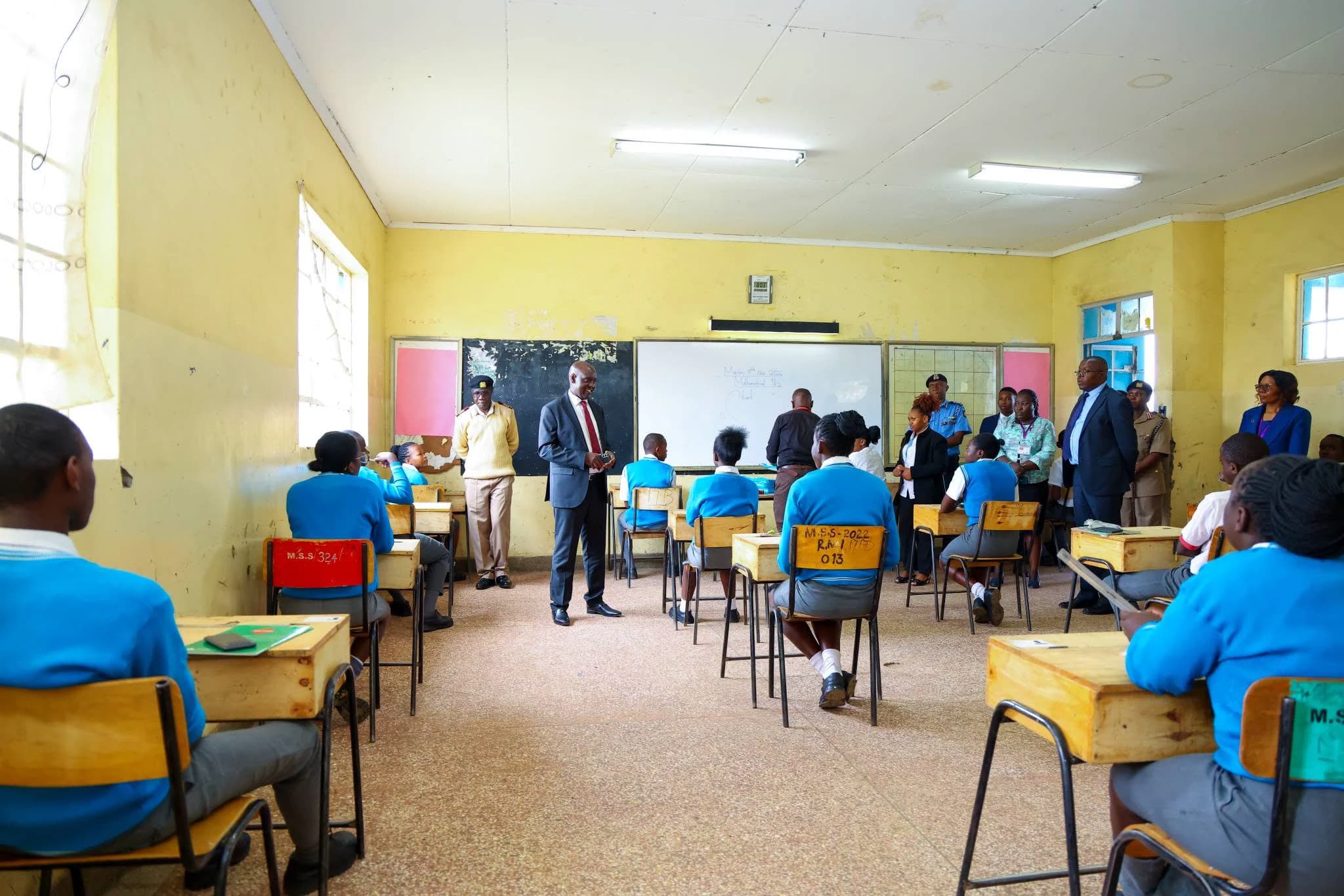
The replacement of examination monitoring officers and other personnel during the 2026 Kenya Certificate of Secondary Education (KCSE) examinations has reignited debate about the integrity, security and administration of national examinations.
While the latest changes have drawn attention, they are not an entirely new chapter in Kenya's examination history. The Kenya National Examinations Council (KNEC), working with the Ministry of Education and security agencies, has previously taken similar steps, ranging from the removal of individual officials to the replacement of entire examination teams.
A review of previous examination seasons shows a pattern of increasingly firm measures aimed at protecting examination materials, discouraging malpractice and restoring public confidence in the national assessment system.
The record also shows that replacing examination personnel can serve different purposes. In some instances it is a disciplinary measure following suspected misconduct, while in others it is a preventive administrative decision meant to remove vulnerabilities at examination centres.
2016: The reforms that changed examination security
To understand the current enforcement environment, it is important to revisit the 2016 examination crisis. Kenya experienced widespread concerns over examination leakage and malpractice, prompting far-reaching reforms.
The KNEC board was dissolved, senior officials faced investigations and the government introduced tighter controls over examination preparation, storage, transportation and distribution. Security agencies were given a more prominent role in protecting examination materials, and the administration of national examinations adopted a stronger multi-agency approach.
The reforms changed the way Kenya approached examination security, with an emphasis on a system capable of preventing, detecting and responding to attempts to compromise national assessments, rather than relying only on the professionalism of individual teachers and supervisors.
2019: Replacement of 10 examination officials
One of the clearest precedents came during the 2019 KCSE examinations, when the then Education Cabinet Secretary George Magoha disclosed that at least 10 examination officials had been replaced in different centres. The announcement followed concerns over attempts to compromise examination security.
Some officials were accused of allowing unauthorised individuals into examination centres, while others faced allegations of accepting bribes to facilitate examination malpractice. The government also reported incidents involving the premature exposure of examination papers, and two officials were arrested and replaced following allegations linked to a breach of examination security.
The action showed that replacing officials was already an established intervention in Kenya's examination system, and that appointment to an examination assignment did not confer immunity from disciplinary or administrative action.
2023: Undercover supervision at Nyambaria and St Paul's Gekano
The 2023 KCSE examinations brought supervision under renewed scrutiny following developments at Nyambaria Boys High School and St Paul's Gekano High School in Nyamira County.
KNEC deployed undercover supervisors to oversee examination administration at the two institutions amid concerns about possible irregularities. The intervention attracted considerable public attention, particularly after questions emerged about the management of the affected centres and the treatment of candidates.
The suspension of centre managers and the deployment of alternative supervisory personnel showed the council's willingness to intervene directly where the credibility of examination administration was considered at risk. The developments also drew parliamentary scrutiny, with questions raised over the procedures followed and the need to protect candidates from disruptions arising from investigations involving examination officials.
The episode illustrated the balance between enforcing examination regulations and ensuring that learners are not disadvantaged by administrative interventions.
2024: Staff rotation
The 2024 cycle introduced another dimension to the management of examination personnel. In a circular dated August 6, 2024, KNEC directed that KCSE examination supervisors be rotated weekly. The council also introduced restrictions on deploying security officers, supervisors and invigilators to centres where they had served for two consecutive years.
The measures were intended to strengthen examination security, limit excessive familiarity between officials and examination centres, and minimise opportunities for collusion. Unlike emergency replacements arising from suspected malpractice, the 2024 arrangements were a planned administrative safeguard.
2025: Mitua Girls case
The 2025 KCSE examinations provided another example of how far examination authorities can go when confronted with allegations of irregularities.
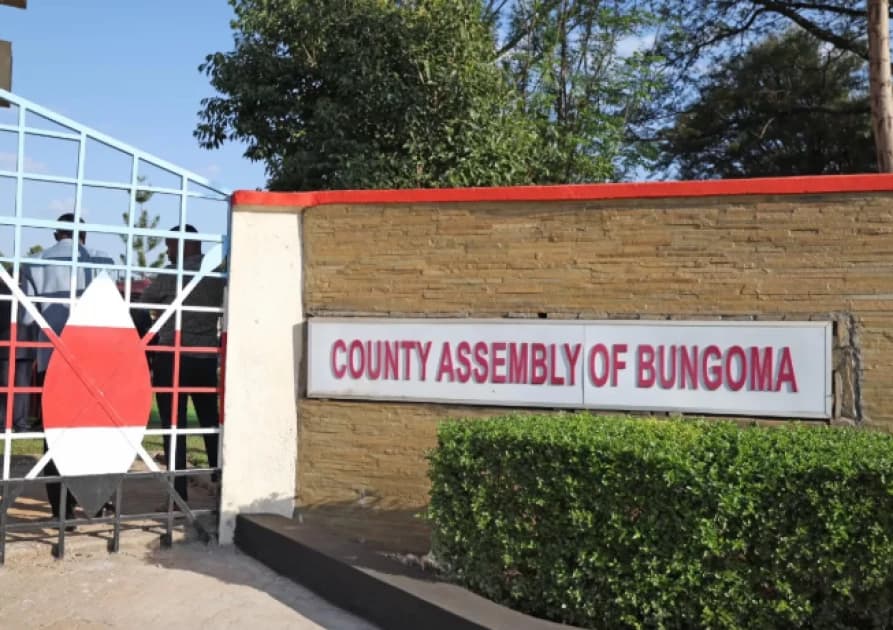
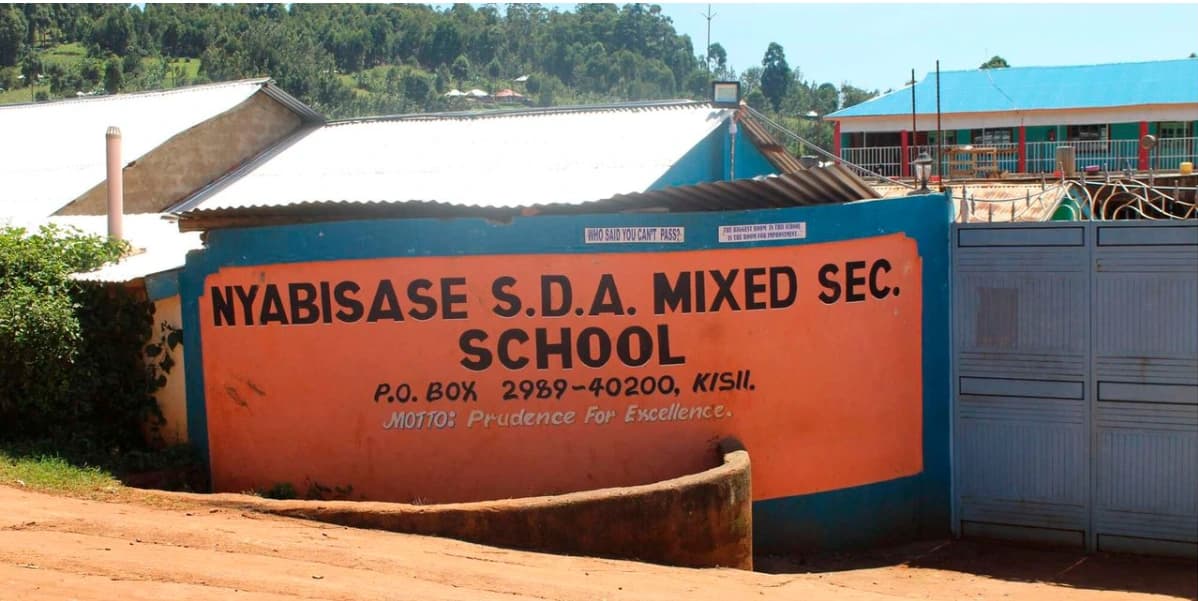
At Mitua Girls Secondary School in Tongaren, Bungoma County, reports emerged that the school principal, Angeline Kosgei, had been removed from her examination-centre management responsibilities following allegations of malpractice involving Kiswahili Paper 3. Reports indicated that the intervention extended beyond the principal, with the deputy principal, supervisors, invigilators and security personnel also affected.
The incident drew further attention following reports that an examination monitor had been roughed up by candidates who resisted an intervention over suspected malpractice. There were differing accounts regarding the principal's reported removal.
2026: Why the latest replacements matter
Against this background, the replacement of examination monitoring officers and other personnel during the 2026 KCSE examinations is part of Kenya's continuing effort to strengthen examination security.
The latest developments raise questions about the criteria used to select monitoring officers, the circumstances that warrant their replacement and the procedures followed when an examination team is withdrawn. They also bring into focus the distinction between routine staff rotation, precautionary reassignment and disciplinary removal. An officer whose services are withdrawn for administrative reasons should not automatically be regarded as having taken part in malpractice, and allegations against an examination official must be investigated without compromising the interests of candidates.
Protecting integrity without disrupting candidates
The history of examination interventions shows an institution that has progressively strengthened its enforcement mechanisms. Replacing officials, however, should not become an end in itself. The objective is a transparent, predictable and accountable examination system in which candidates can complete their papers without intimidation, unnecessary disruption or unfair treatment.
KNEC must ensure that those entrusted with examination administration understand their responsibilities and are prepared to handle sensitive examination materials, while the Ministry of Education provides the institutional support and security coordination needed to protect the process.
There is also a need for clear communication whenever an examination team is replaced, so that candidates, parents, school administrators and the public understand whether an intervention is precautionary, administrative or disciplinary, without compromising ongoing investigations.
The credibility of the KCSE rests on public confidence. Previous seasons have shown that KNEC has the authority and experience to replace personnel when circumstances demand it. The challenge in 2026 is to ensure that such interventions are conducted lawfully, transparently and without undermining the candidates the system exists to serve.

Reader Discussion (0)
Sign in to comment