



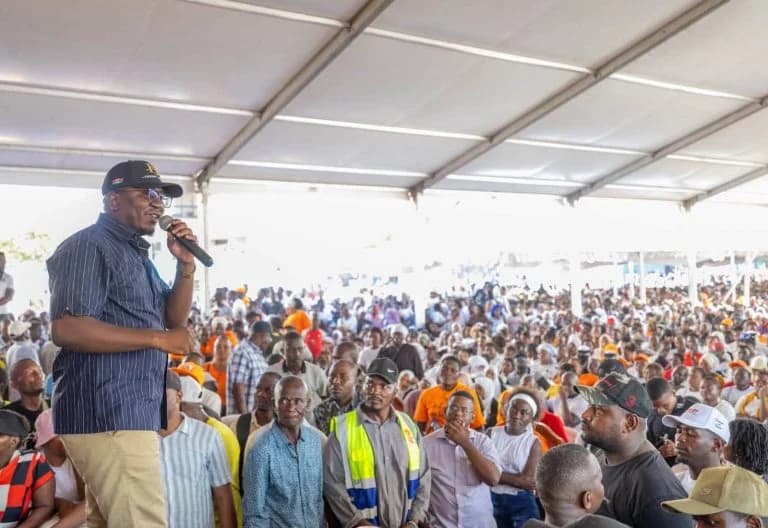

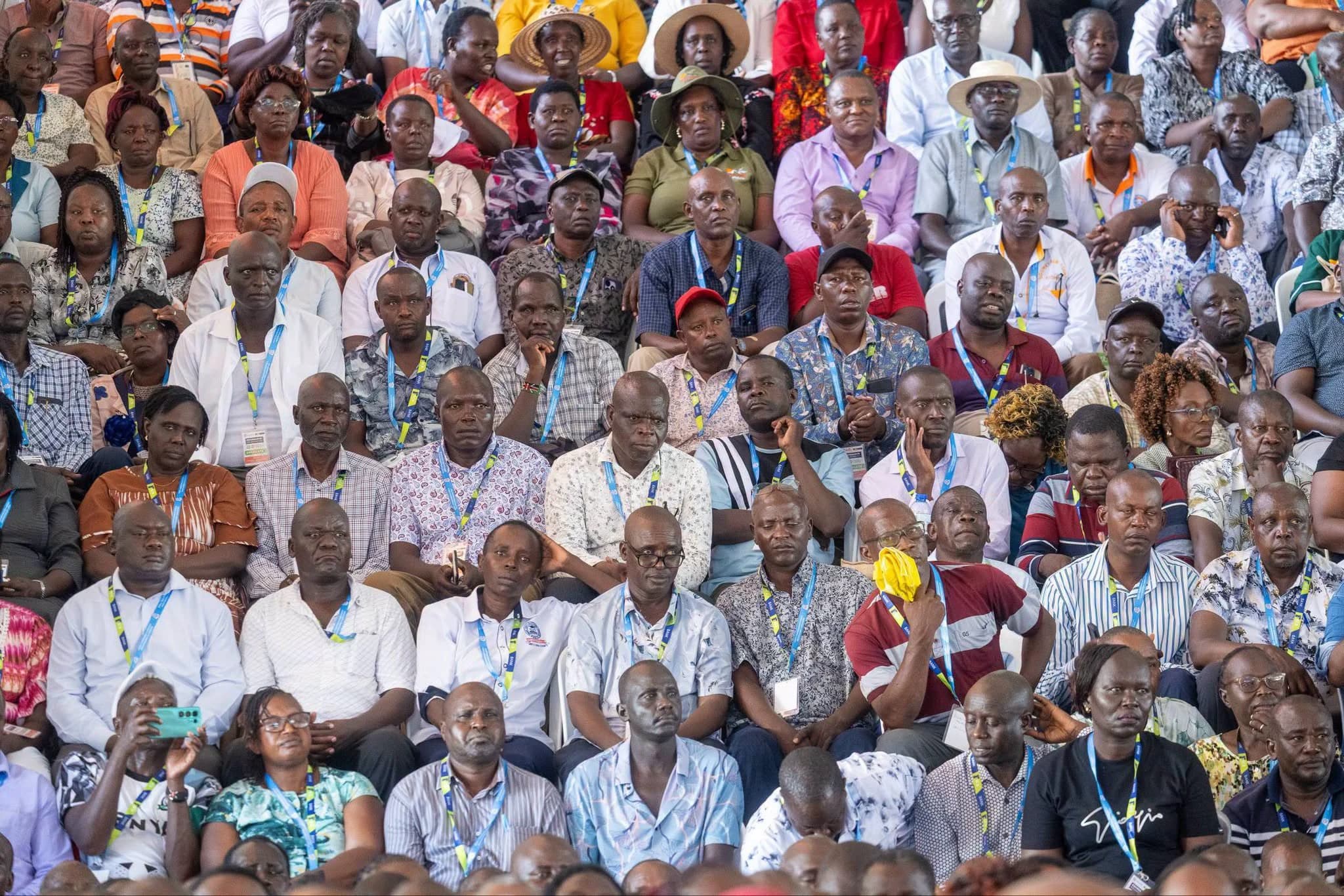
This year’s gathering at the Sheikh Zayed Children’s Welfare Centre attracted more than 15,000 school heads. Its theme, “Re-imagining the Comprehensive School of the Future: Strengthening Leadership, Systems, Skills and Values for Sustainable Quality Education”, was ambitious. The question is what changes when delegates return to their schools.
The Mombasa conference has become an annual ritual. School heads converge, government officials address them, exhibitors showcase their products and services, grievances are aired and resolutions are adopted. Twelve months later, many of the same issues reappear on the agenda.
School administrators need opportunities to exchange experiences, question education policies, develop management skills and engage policymakers. For years, however, they have raised concerns about inadequate and delayed capitation, teacher shortages, infrastructure gaps, career stagnation and the demands of curriculum implementation. Each of these concerns requires action that schools can see and measure.
Who leads the comprehensive school?
Integrating junior schools into existing primary school institutions has raised questions about leadership, resource allocation and professional autonomy. Primary school heads and junior school teachers have sometimes disagreed over who should exercise authority and how the two sections should work together.
The association’s call for unified leadership deserves serious consideration. A workable structure requires clear responsibilities, adequate resources and a way to resolve disputes. Otherwise, school heads risk spending more time negotiating authority than improving learning.
School heads also argue that their responsibilities have expanded without corresponding improvements in pay, professional recognition and working conditions. Those concerns deserve attention. So does the responsibility that comes with leading a school. A headteacher is entrusted with children’s education and public resources. The lasting measure of that work is what improves for learners under their leadership.
Professional advocacy and political independence
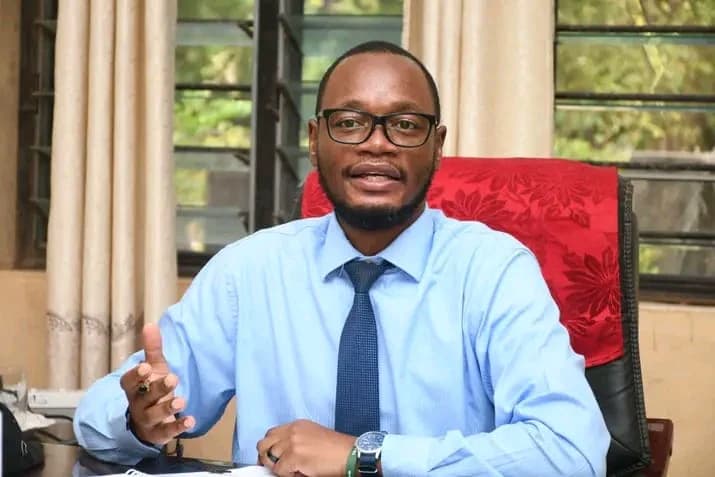
Daily Nation reported that KECSHA chair Fuad Ali was rallying members to support President William Ruto’s re-election bid. That raises a question about how a professional association representing public school administrators safeguards its independence.
School heads serve children from families with different political views. Their association should be able to welcome government investment, scrutinise policy and demand accountability. Recruiting teachers, building classrooms and implementing curriculum reforms are public responsibilities funded by taxpayers.
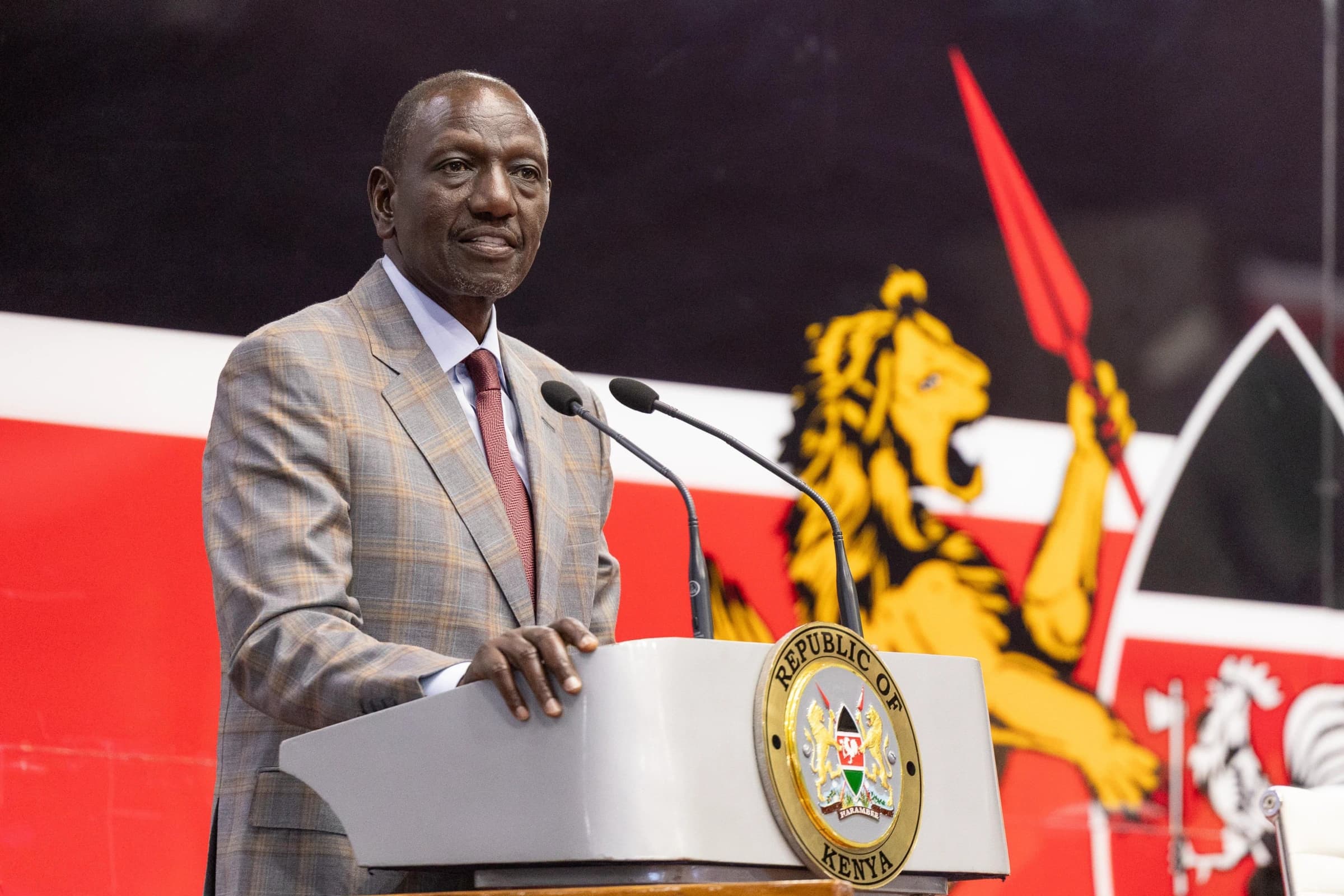
A presidential address gives school heads a chance to put difficult questions directly to the government. At the closing session, President Ruto pledged that schools would receive capitation before reopening each term from 2027. He also said the Ministry of Education would present proposals to amend the Basic Education Act within 90 days. Both commitments give KECSHA something concrete to track.
What should change before the next conference?
A gathering of more than 15,000 delegates is a substantial undertaking. School heads, parents and taxpayers are entitled to ask what it delivers. How many schools receive additional teachers? Which infrastructure gaps are addressed? Do schools receive capitation before learners report?
Every resolution should name the institution responsible, set a deadline and specify how progress will be measured. Next year’s conference should open with a review of those commitments. Where action has stalled, the institutions responsible should explain the delay.
The annual trip to Mombasa will earn its place on the education calendar when school heads can point to better-staffed classrooms, more reliable funding and improved learning conditions. Next November, delegates should begin with an honest account of what has changed in schools since they last met.
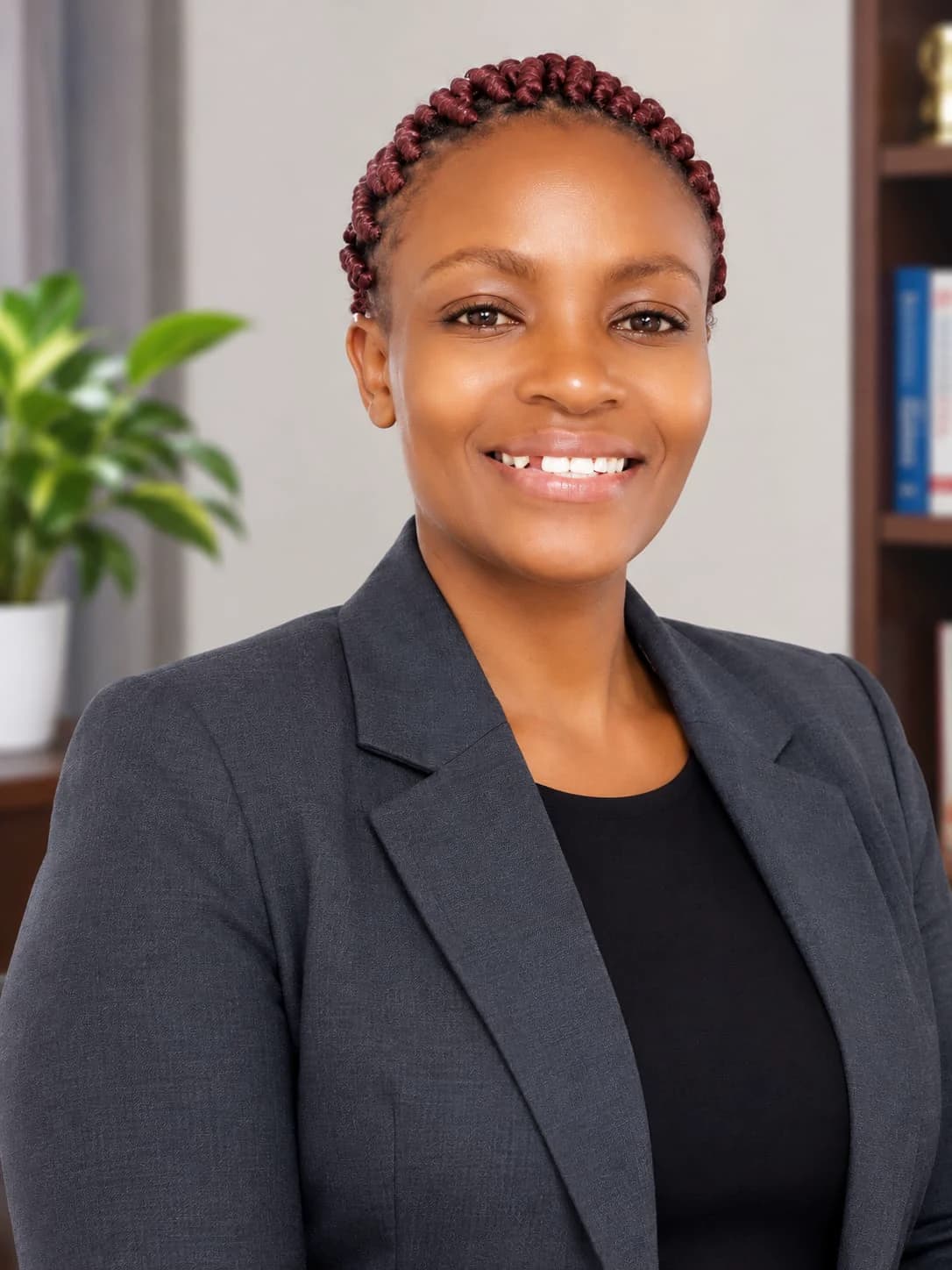
Ashford Kimani is a teacher of English and Literature who writes on education and social affairs.
Reader Discussion (0)
Sign in to comment