

President William Ruto's directive to review school capitation has brought renewed attention to the financial realities confronting public schools, with growing concern that government funding is no longer keeping pace with the cost of delivering quality education.
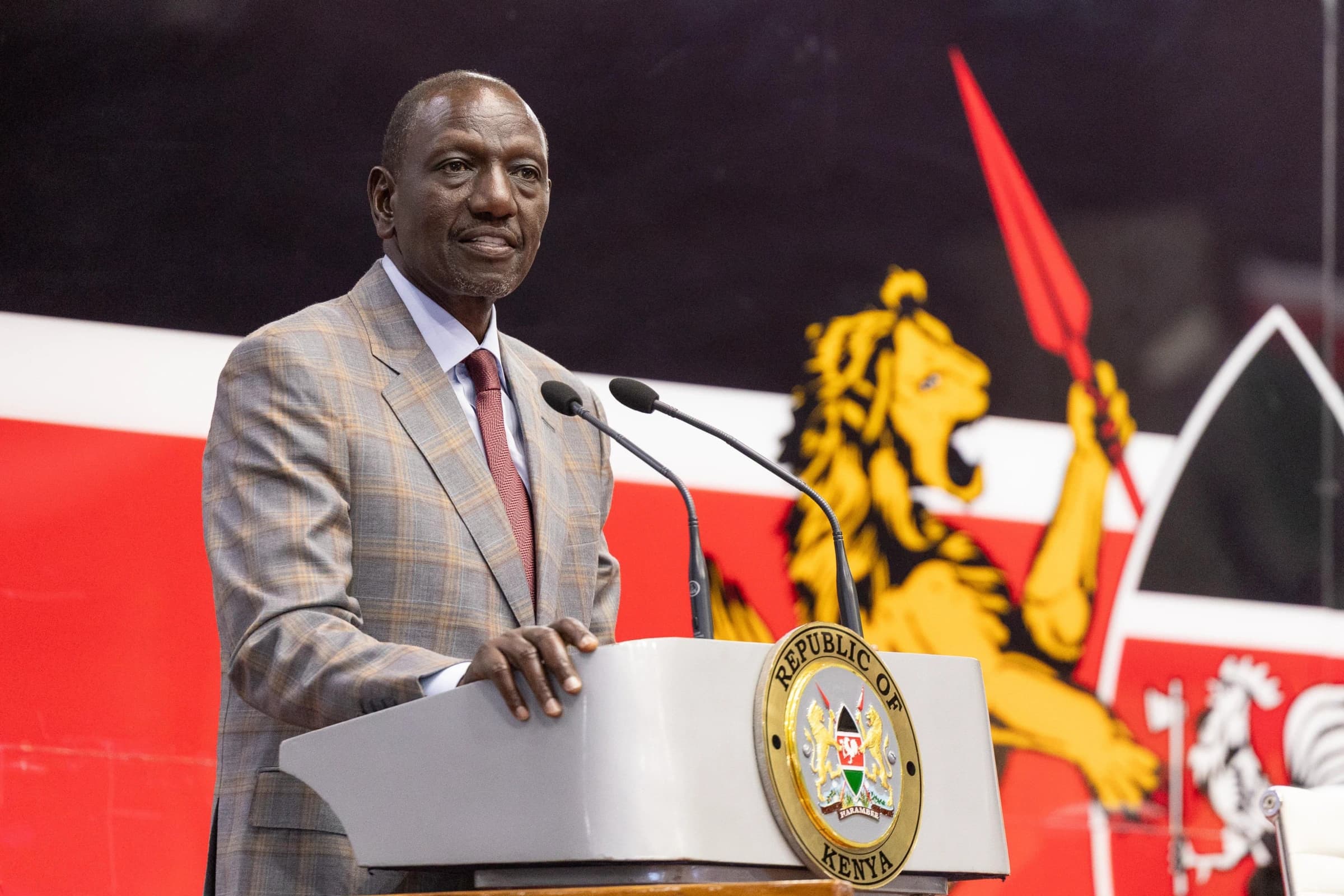
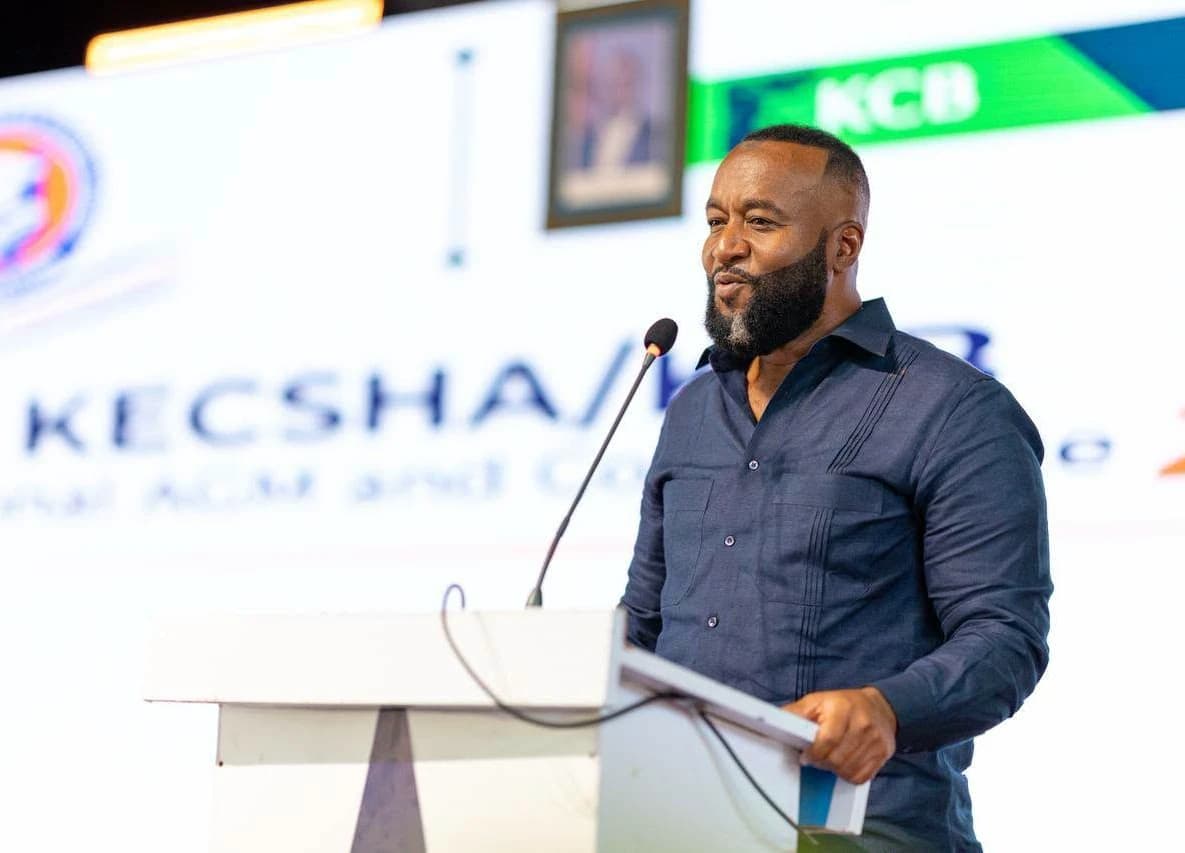
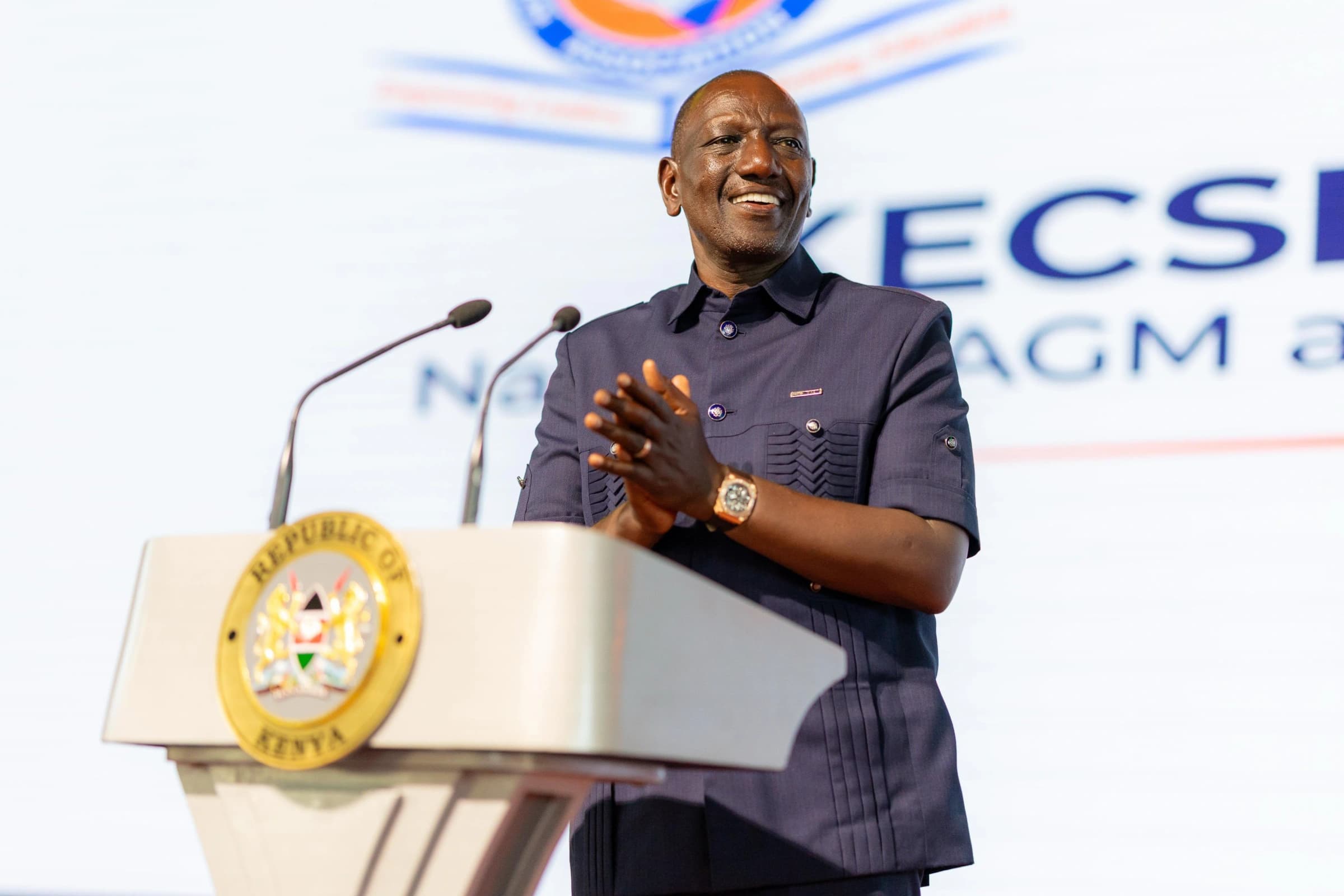
The decision, announced during the Kenya Comprehensive Schools Heads Association (KECSHA) National Annual General Meeting in Mombasa on November 12, 2026, could mark an important turning point in the financing of primary, junior and senior secondary education.
Ruto directed the Ministry of Education and the Teachers Service Commission (TSC) to examine the existing funding arrangements and submit recommendations by January 2027.
The President's intervention comes at a time when school heads are struggling with rising operational expenses, increased enrolment, inadequate learning resources and the additional financial obligations created by the Competency-Based Education (CBE) system.
At the heart of the debate is a fundamental question: can public schools effectively implement the country's education reforms when the money allocated to support teaching and learning is insufficient?
The existing capitation framework has increasingly come under scrutiny because the cost of running schools has changed considerably over the years. Inflation has pushed up the prices of textbooks, exercise books, stationery, laboratory equipment, electricity, water, cleaning materials and other essential supplies. Schools must also maintain classrooms, sanitation facilities, furniture and other infrastructure while meeting daily operational expenses.
Under the established funding arrangements, primary schools have traditionally received approximately Sh1,420 per learner annually under Free Primary Education. Junior School learners receive Sh15,042 annually, while senior secondary school learners receive Sh22,244 under Free Day Secondary Education.
These figures must be considered alongside the recommendations made by the Presidential Working Party on Education Reform (PWPER) in 2023. The working party proposed increasing primary school capitation to Sh2,238 per learner annually, Junior School funding to Sh15,043 and senior secondary school funding to Sh22,527 for day schools. These recommendations provide a useful reference point for the current review, although they are not automatically the new approved rates.
There have also been reports of an adjustment in primary school funding from approximately Sh1,400 to Sh2,300, with some reports citing Sh2,340. The Ministry of Education needs to clarify the status of this adjustment and how it fits into the wider review.
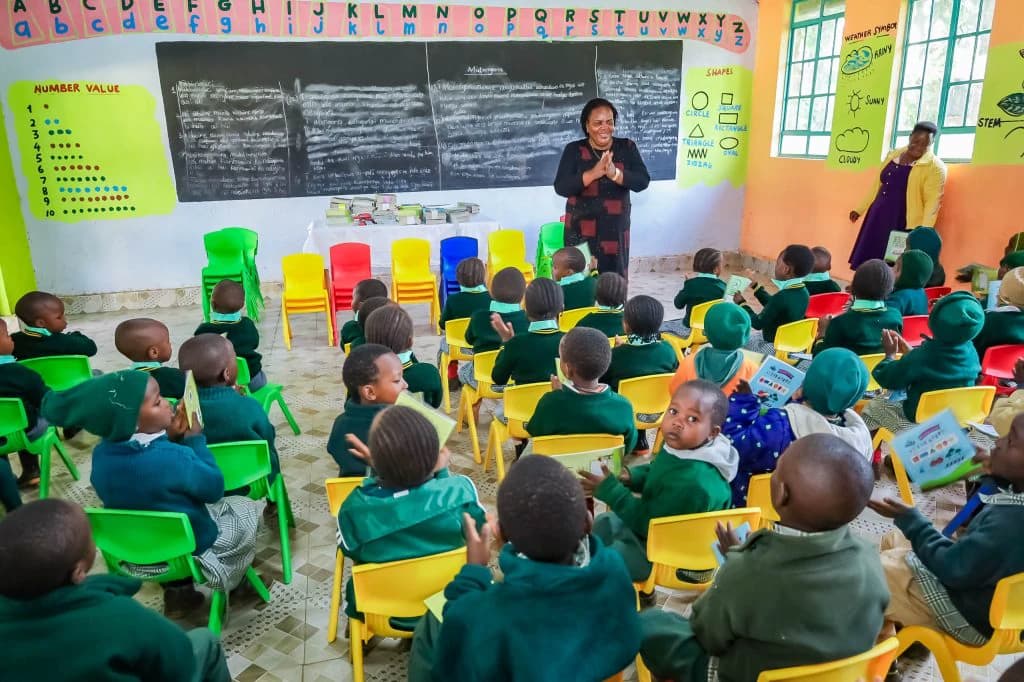
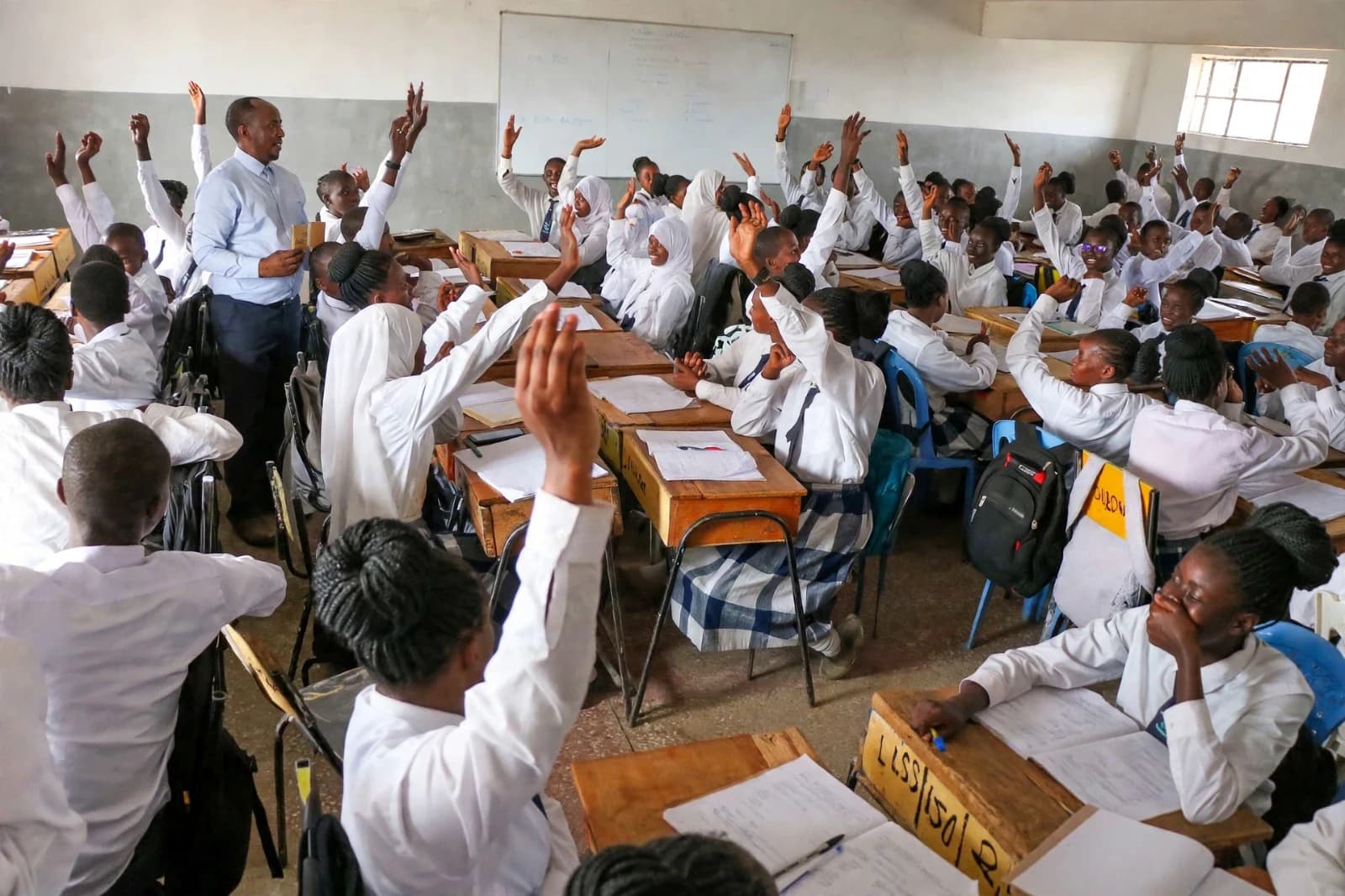
The urgency of revisiting capitation is particularly evident in the implementation of CBE. The new curriculum has fundamentally changed what schools are expected to provide. Learning is increasingly centred on practical activities, experimentation, creativity, problem-solving, projects and the demonstration of competencies. This approach requires considerably more than teachers standing in front of classrooms delivering theoretical lessons.
Schools need practical learning materials, science equipment, digital devices, agricultural tools, creative arts resources and sports equipment. They must also provide appropriate spaces where learners can undertake projects and demonstrate the competencies they acquire. Without adequate funding, schools risk reducing practical learning to theory, defeating the objectives of the curriculum.
Junior schools face particularly demanding responsibilities because they must provide specialised learning experiences while accommodating learners transitioning from primary education. The expansion of Junior School education requires additional classrooms, laboratories, workshops, computers, furniture and instructional materials.
Senior secondary schools are entering an equally demanding phase with the implementation of specialised pathways. The STEM pathway requires laboratories, scientific instruments, chemicals and other consumables. Social Sciences requires appropriate teaching and research materials, while Arts and Sports Science demands specialised equipment, creative resources and suitable sporting facilities. A uniform funding approach that ignores these differences could leave some institutions struggling to deliver the programmes they are expected to offer.
Another major consideration is the country's growing learner population. As enrolment increases, schools must expand their physical facilities and acquire additional learning materials. More learners mean greater demand for classrooms, desks, textbooks, sanitation facilities, water, electricity and other essential services.
The pressure is especially significant in institutions that have experienced rapid population growth without corresponding expansion of infrastructure and financial support. Capitation must therefore be reviewed against the actual number of learners and the resources required to serve them effectively.
School heads have also repeatedly expressed concern about delayed disbursements and funding shortfalls. Some institutions have been forced to rely on suppliers and accumulate debts while waiting for government allocations.
The distinction between the approved capitation rate and the money actually reaching school accounts is therefore critical. A higher allocation announced by the government will have little practical impact if schools continue receiving funds late or in instalments that cannot adequately support their operations. The January 2027 review should consequently establish not only realistic funding rates but also a dependable disbursement schedule.
The government should consider introducing an inflation-adjustment mechanism to prevent school funding from losing purchasing power over time. Capitation should undergo periodic reviews informed by changes in the cost of essential goods and services.
There is also a compelling case for additional allocations for schools offering expensive specialised programmes, particularly STEM and Arts and Sports Science. Schools serving learners with disabilities should receive funding that reflects their additional educational requirements, including specialised learning materials, assistive devices and appropriate infrastructure.
The funding formula should also recognise that small schools face operational expenses that cannot simply be calculated according to enrolment. Even an institution with relatively few learners must provide sanitation, security, maintenance and other essential services. A combination of per-learner funding and a minimum operational allocation could help address this challenge.
Digital learning is another area that deserves attention. The government's ambition to integrate technology into classroom instruction requires schools to maintain functional computers and tablets, reliable internet connectivity and adequate electricity. Devices also require regular maintenance and eventual replacement. It would be unrealistic to expect schools to sustain digital learning programmes using allocations already stretched by basic operational requirements.
The government must therefore distinguish between funding ordinary school operations and providing resources for long-term educational investments.
Ultimately, the capitation debate should move beyond the question of how much money is allocated to each learner and focus on the actual cost of delivering quality education.
Ruto's directive provides an opportunity to reconsider a funding framework that must now support a significantly different education environment from the one for which earlier allocations were designed. The success of the January 2027 review will depend on whether the government translates its recommendations into adequate funding, timely disbursement and a transparent allocation formula that recognises the different needs of primary, junior and senior schools.
Free education should not simply mean that parents are relieved of paying tuition fees. It should also mean that schools have the financial capacity to provide teachers and learners with the facilities, equipment and materials required for meaningful learning.
As Kenya advances with CBE, the country must ensure that education reforms are matched by adequate financial investment. Otherwise, schools will continue shouldering ambitious curriculum expectations with resources that do not reflect the true cost of implementation.

Reader Discussion (0)
Sign in to comment