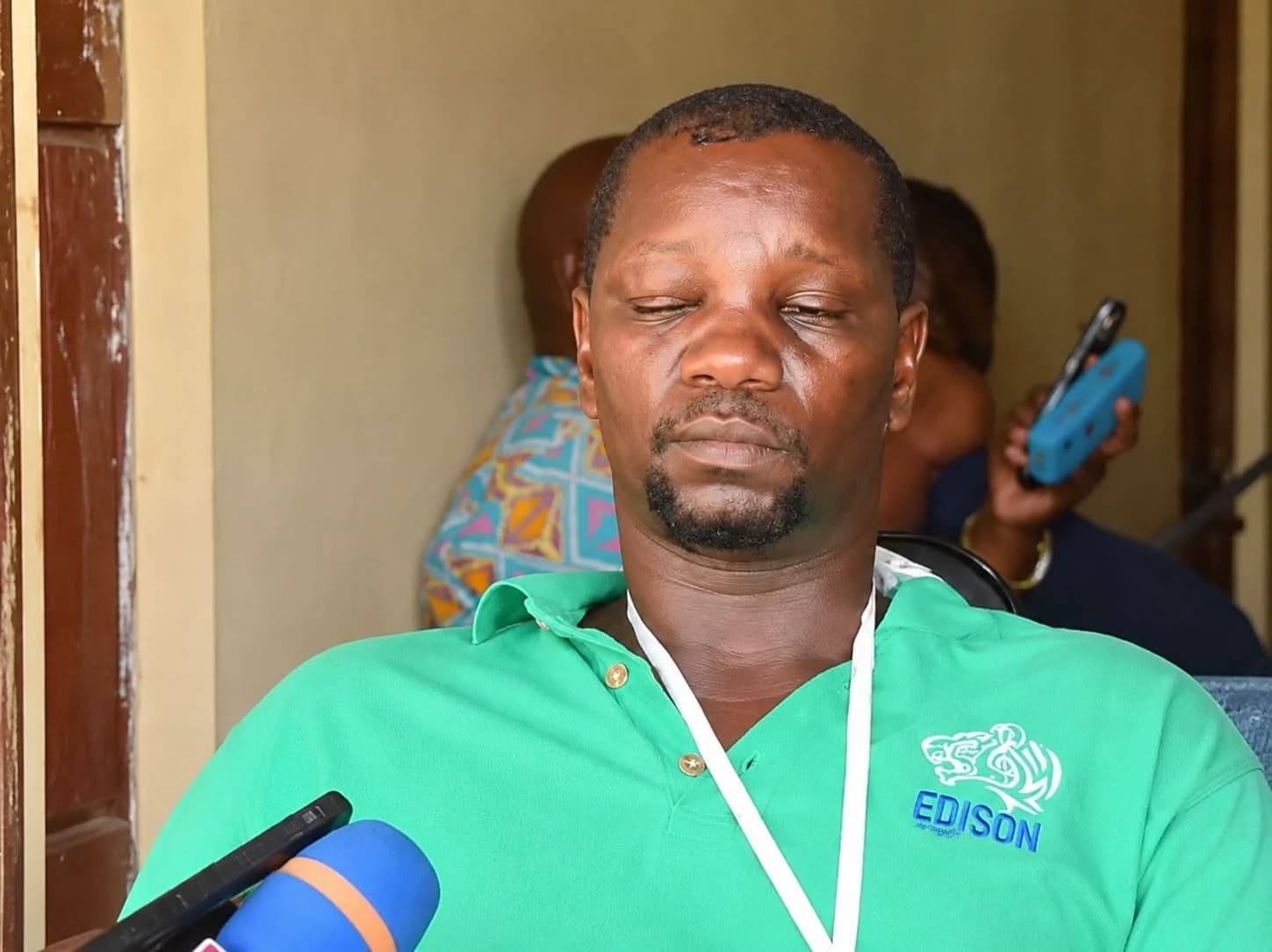







The reported abduction and brutal assault of a Kenya National Examinations Council (KNEC) examination supervisor in Kinango, Kwale County, allegedly involving Form Four candidates, is shocking and utterly unacceptable. If investigators establish who was responsible, those implicated must be held accountable through the courts. There is no justification for subjecting an examination official to violence for refusing to facilitate malpractice.
Julius Ndurya says he was offered Sh50,000 to overlook examination irregularities and refused. He says his attackers questioned why he had stopped candidates from copying. Kinango police confirmed that the matter was reported and that the Directorate of Criminal Investigations was investigating.
What has become of our education system when an official entrusted with administering a national examination says he had to fight for his life for doing his job? Academic pressure and fear of failure can be real. Neither excuses violence.
Protect the people who protect our exams
Kenya has invested in secure examination containers, police escorts and strict supervision. The reported attack in Kwale raises a further question. What protection is available to an official who reports an attempt to cheat or receives a threat away from the examination centre?
Examination supervisors safeguard certificates that Kenyans rely on for further education, employment and professional advancement. KNEC and security agencies should give officials a clear way to report threats, respond promptly when they do and provide protection where the circumstances warrant it.
Ndurya deserves medical care, support and a thorough investigation. If the evidence supports charges, prosecutors should take the case through the proper legal process.
What do we reward in our schools?
We celebrate high grades and advertise impressive school results. How often do we ask what it took to produce them? What value does a KCSE grade have if it is obtained through dishonesty or intimidation?
Parents who demand high grades at any cost send a dangerous message. Teachers who tolerate cheating undermine their profession. Administrators who overlook examination irregularities betray the trust placed in them. Responsibility for examination integrity extends well beyond KNEC.
Schools should be judged by the quality of learning and the values they teach as well as by examination results. Honesty matters on the day a candidate sits an exam and long after that candidate leaves school.
A grade is never worth a life
A candidate who falls short of the desired grade can sit the examination again or pursue another route through education or training. Academic disappointment can be painful. A young person should know that one set of results leaves many paths open.
The Kwale case should prompt a serious conversation about discipline, character and what we expect education to achieve. Any person found responsible for the attack must be held accountable. Parents, teachers and school leaders must also confront the culture that treats an unfair advantage as something worth pursuing at another person’s expense.
No grade is worth a beating. No certificate is worth an abduction. No examination is worth a human life.
Ashford Kimani is a teacher of English and Literature who writes on education and social affairs.



Reader Discussion (0)
Sign in to comment