
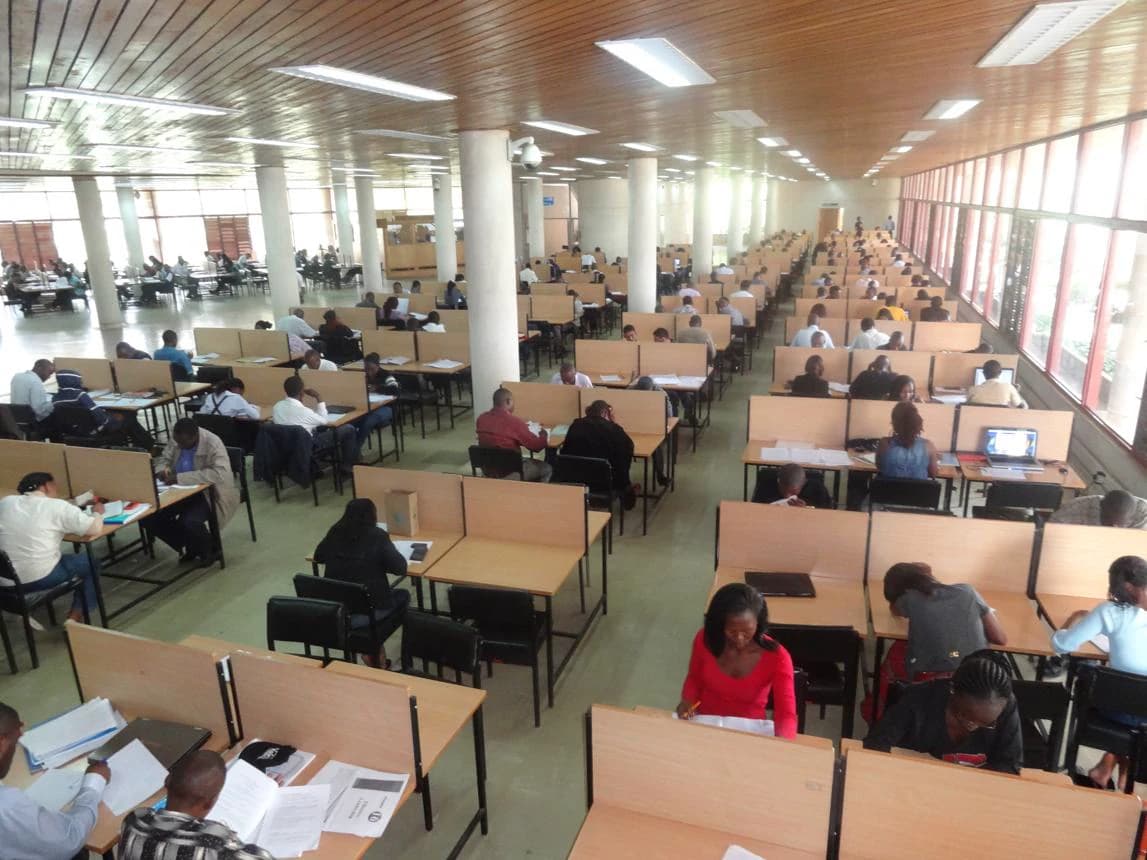
Mining and Blue Economy Cabinet Secretary Hassan Joho has said financial difficulties at home significantly affected his performance in secondary school, leaving him with a D grade in Form Four.
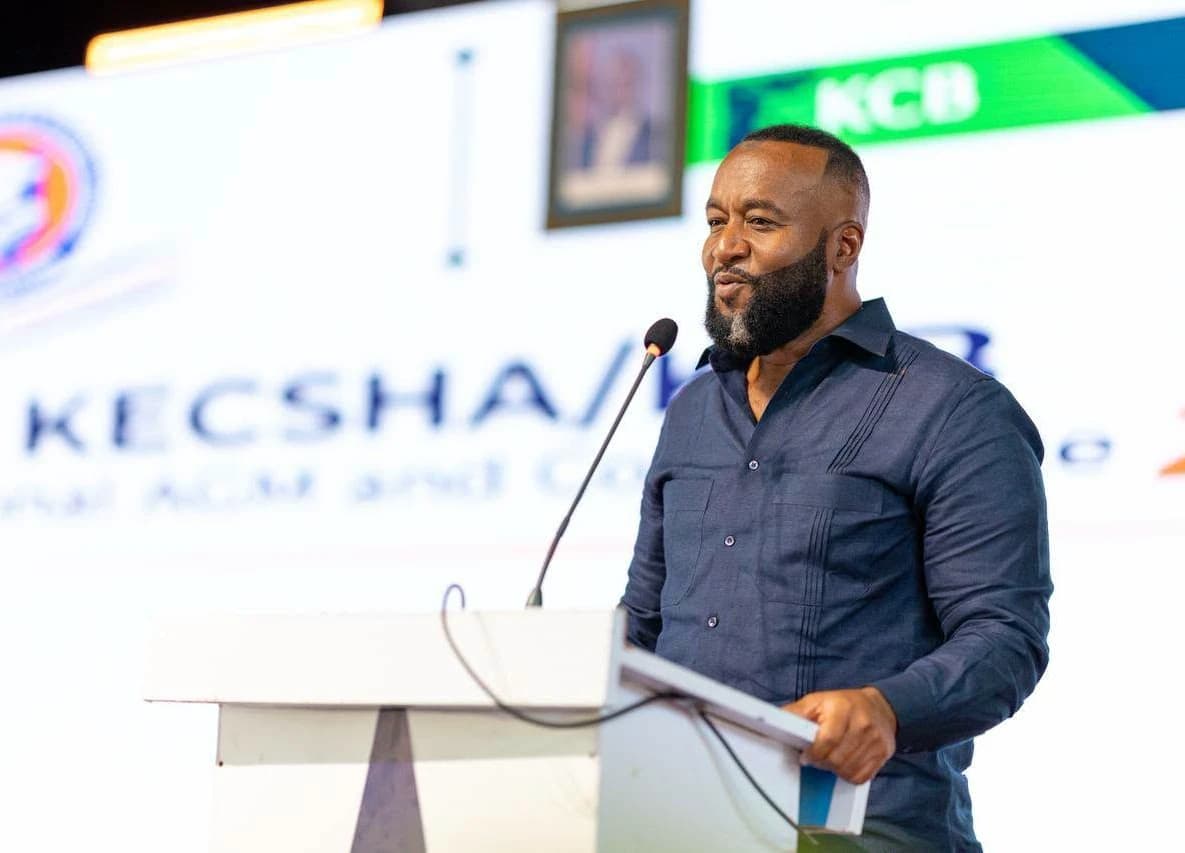
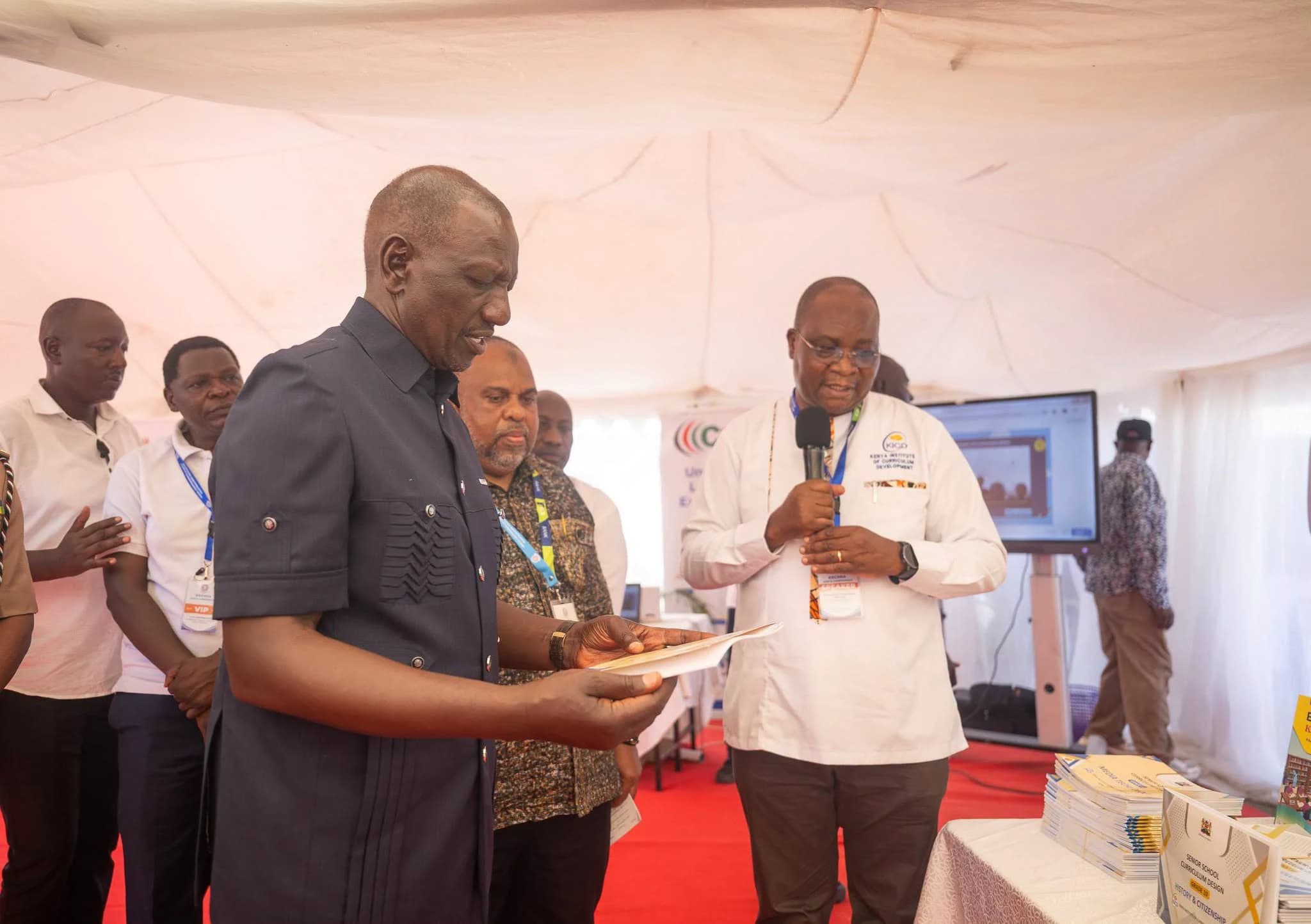
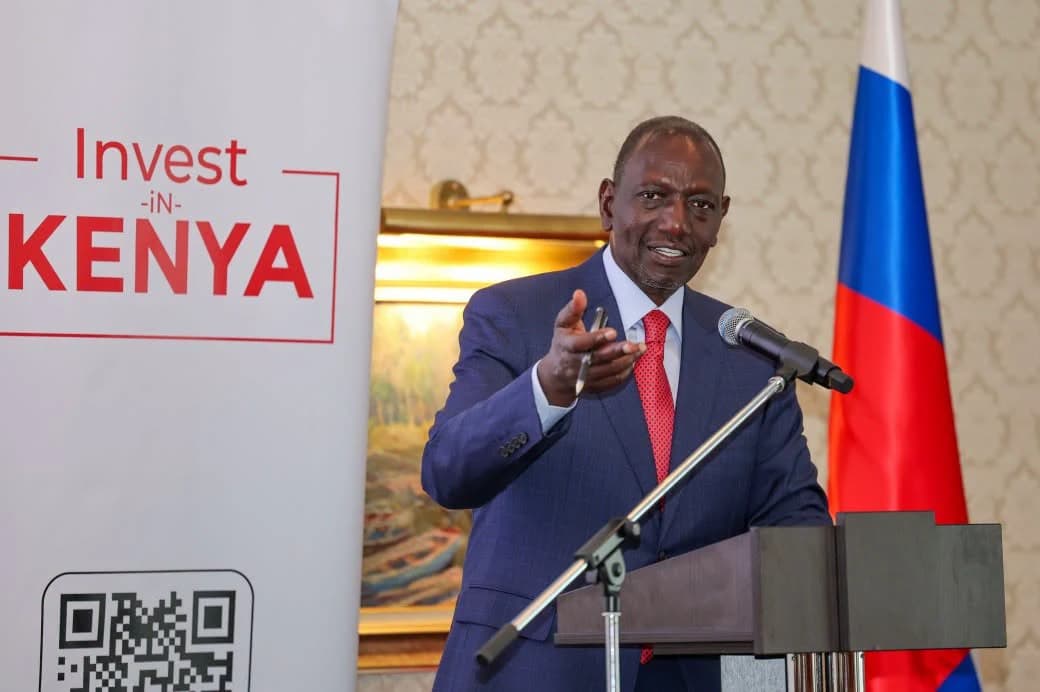
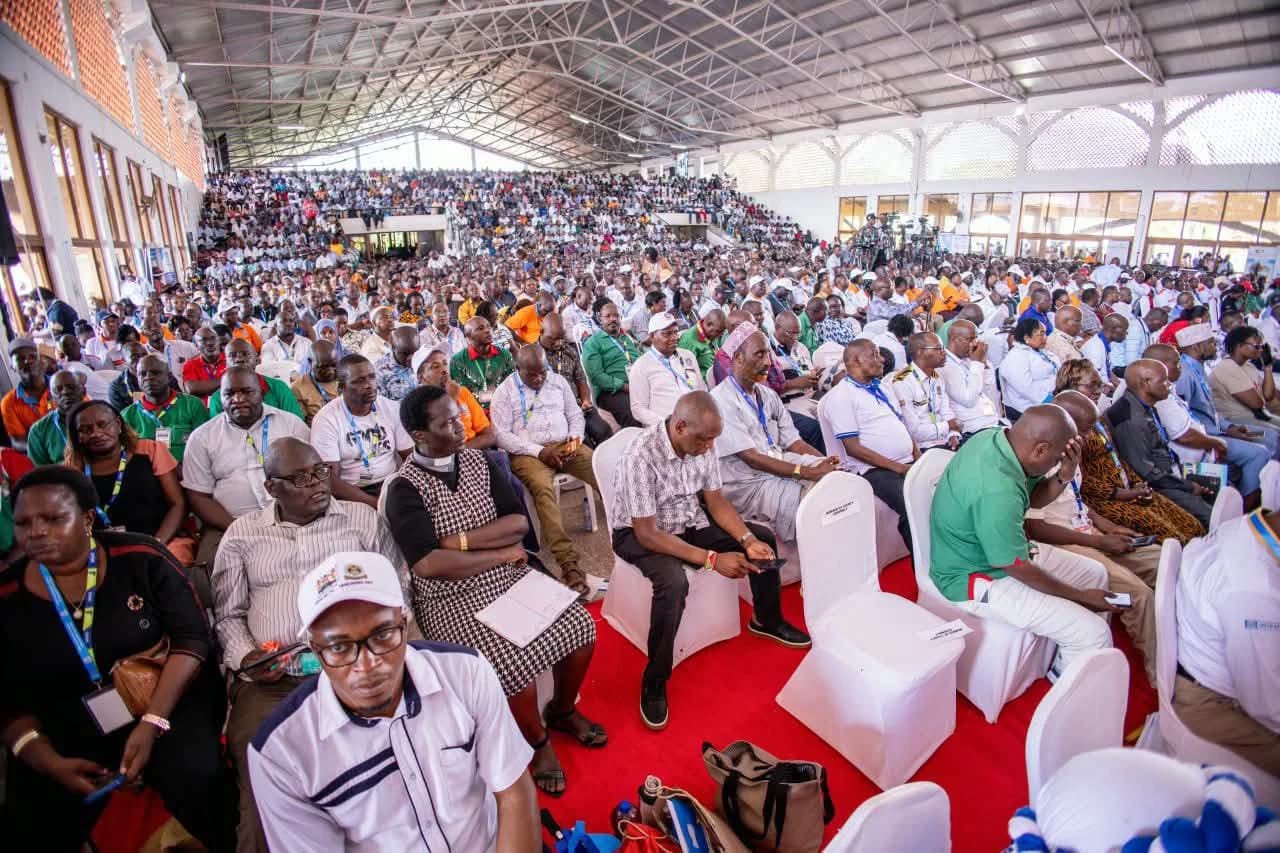
Speaking on Thursday, November 12, 2026, during the Kenya Comprehensive Schools Heads Association (KECSHA) National Conference in Mombasa, Joho told President William Ruto that he completed Form Four with a D, not because he lacked intelligence but because his parents struggled to pay his school fees.
His remarks, delivered before the President and thousands of education stakeholders, drew laughter from delegates as he humorously suggested that his academic fortunes would have been different had he attended school under Ruto's administration.
Joho insisted that his final grade did not reflect his intellectual ability, explaining that financial constraints frequently interrupted his education.
"Growing up, I left Form Four as a D student. And it is not that I was stupid. Even now, looking at me, you can tell I am sharp," he said, drawing laughter from the audience.
The Cabinet Secretary said there were occasions when he missed an entire school term because his parents could not raise the required fees. According to Joho, poverty was a major obstacle to academic achievement, with a learner's ability to remain in school sometimes determined by the financial circumstances of their family and not by their academic potential.
He used the experience to highlight the link between household income and educational opportunities, arguing that talented learners should not be disadvantaged because their parents cannot afford to keep them in school.
Turning directly to Ruto, Joho suggested that he would have attained an A had he grown up under an education system that prioritises a learner's intellectual ability and not the financial capacity of their parents. He attributed this possibility to what he described as the government's commitment to promoting equality and expanding access to education.
Joho also spoke about the concept of Usawa, arguing that equality should not be limited to physical development projects such as roads, hospitals, markets and housing, but should extend to human development. He maintained that investing in people and creating equal opportunities were equally important components of national development.
His remarks also touched on politics. The Cabinet Secretary referenced 2032, suggesting some people were already looking ahead to the next political transition.
The exchange provided a lighter moment at a conference largely focused on school leadership, education reforms, curriculum implementation and the challenges facing Kenya's comprehensive school system.
Joho's account also raises a wider question for the education sector: how many academically gifted children miss out on their potential because their families cannot afford school fees, learning materials, transport, and other essential requirements.

Reader Discussion (0)
Sign in to comment