


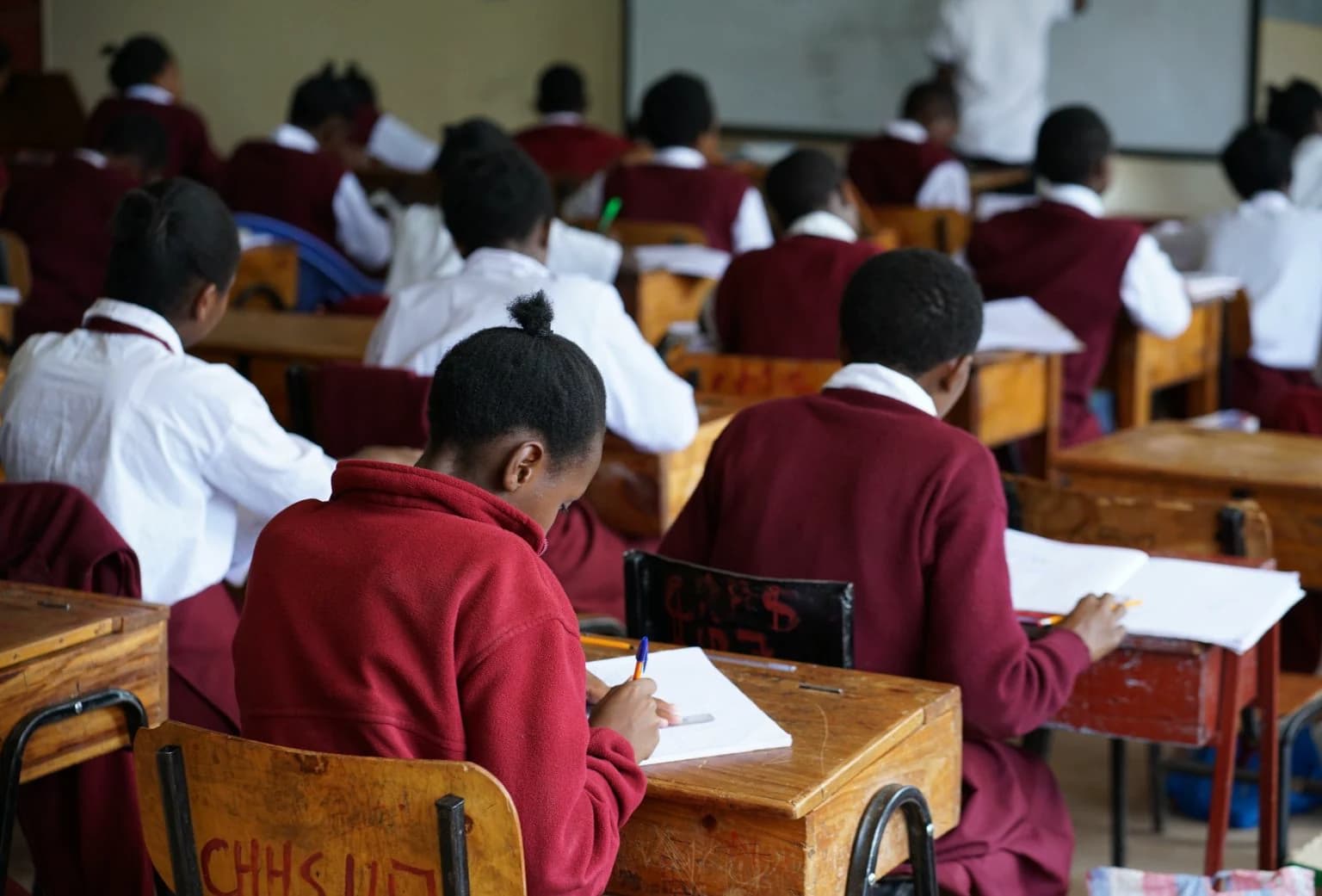
President William Ruto has placed school heads at the centre of a renewed national campaign to improve learning outcomes, directing them to ensure that no child completes Grade 3 without the ability to read, write and perform basic numeracy.
The directive signals a shift towards greater accountability in foundational learning, with the Government setting 2030 as the deadline for every Kenyan child to acquire these essential competencies during the first three years of primary education.
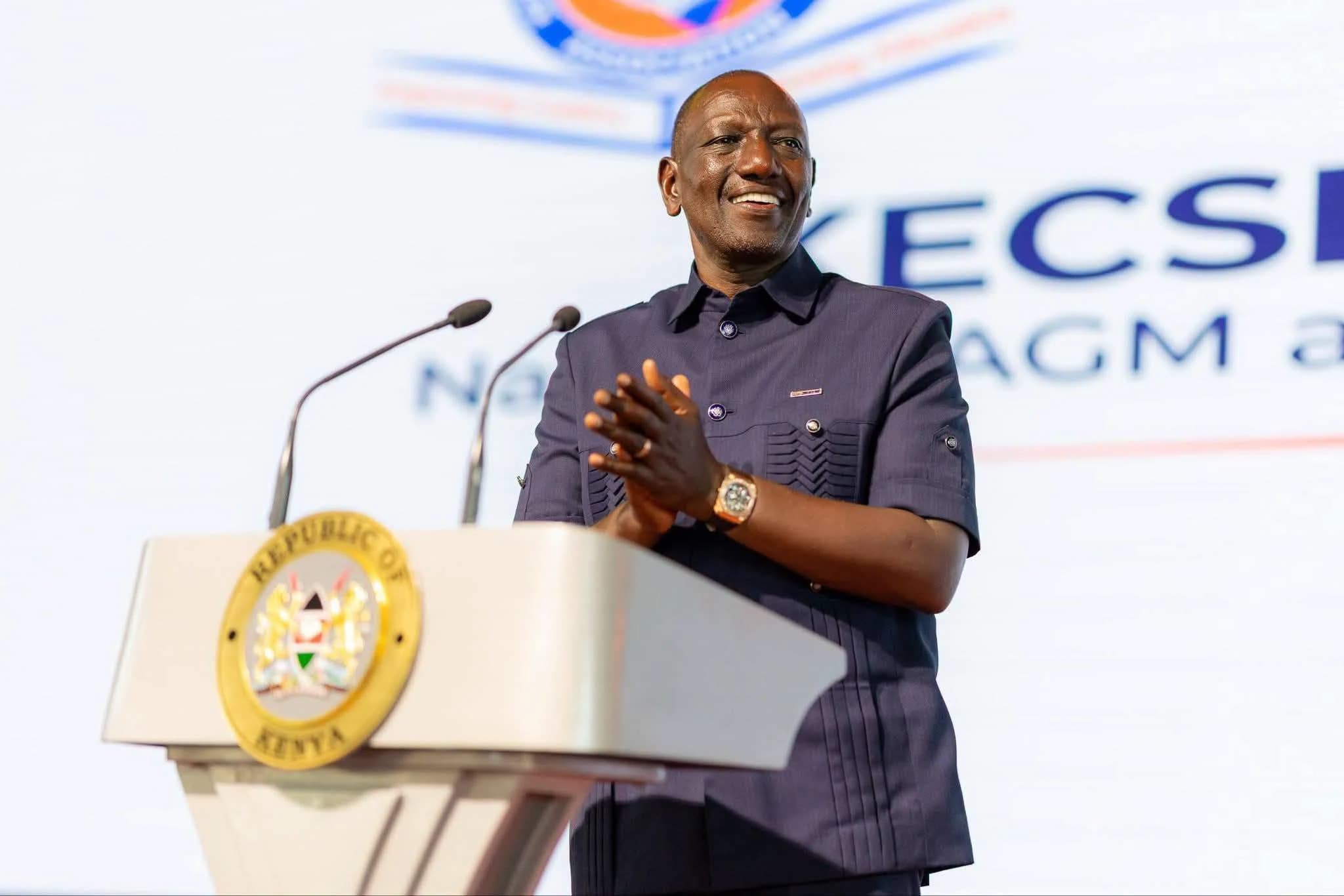
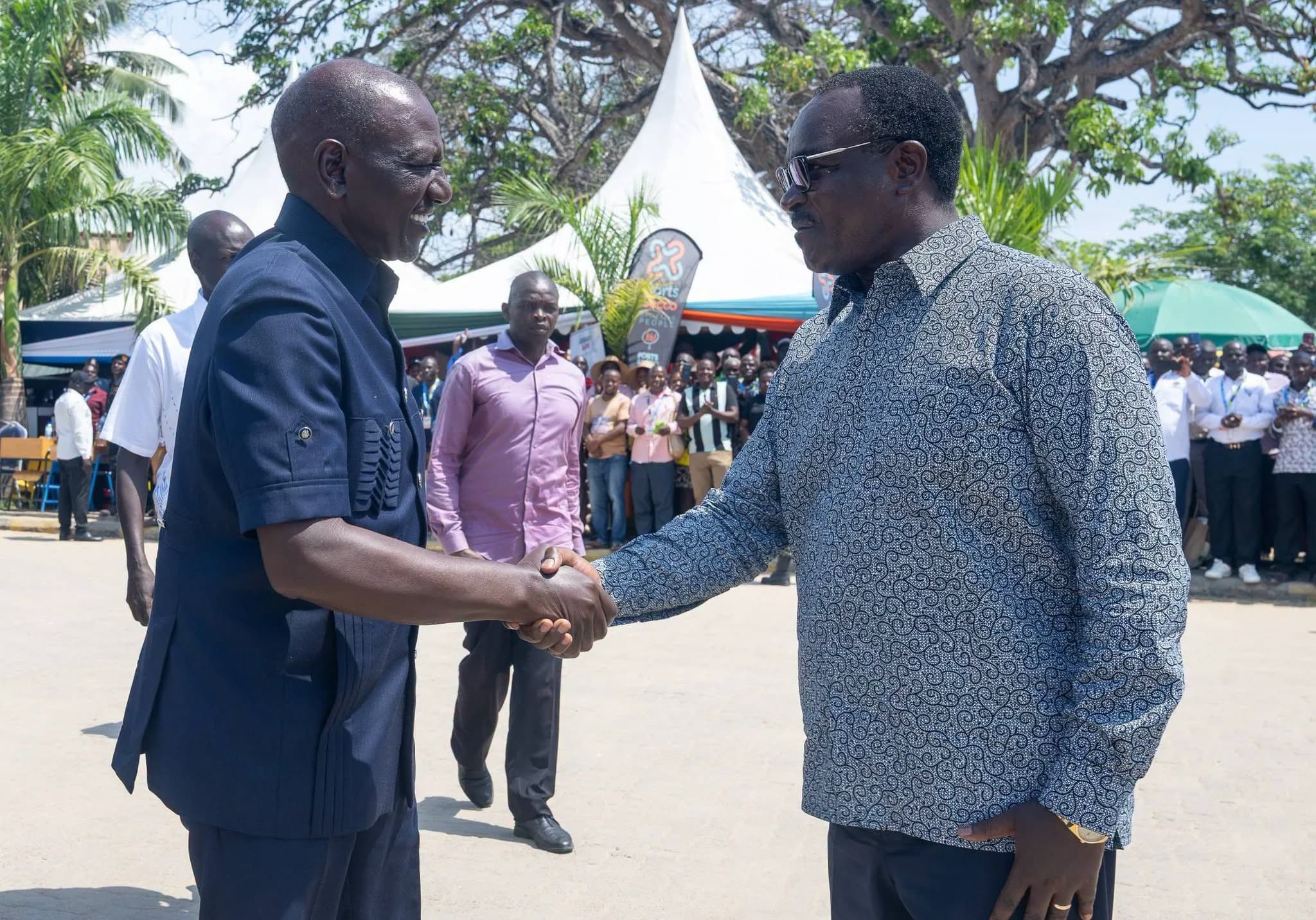
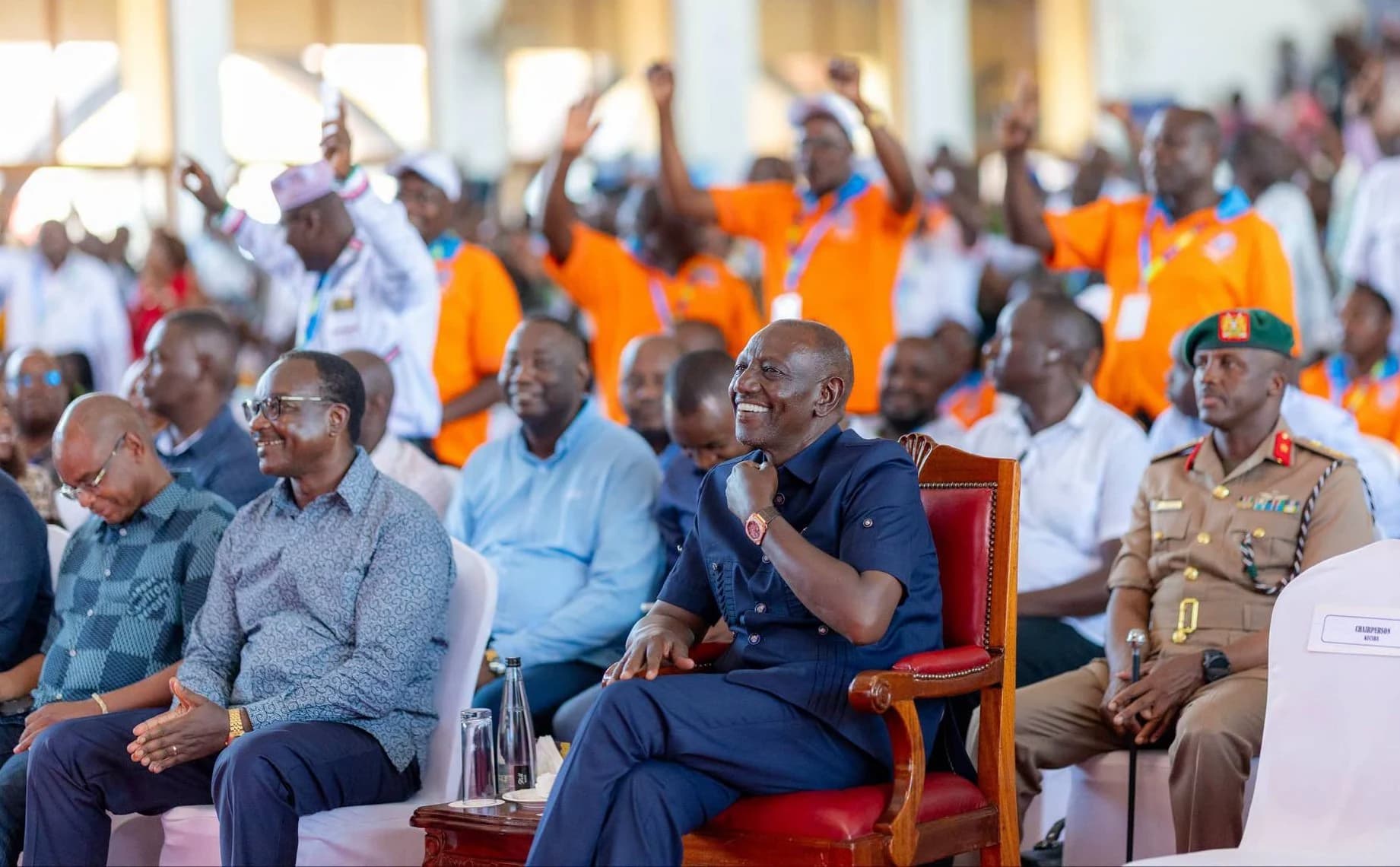
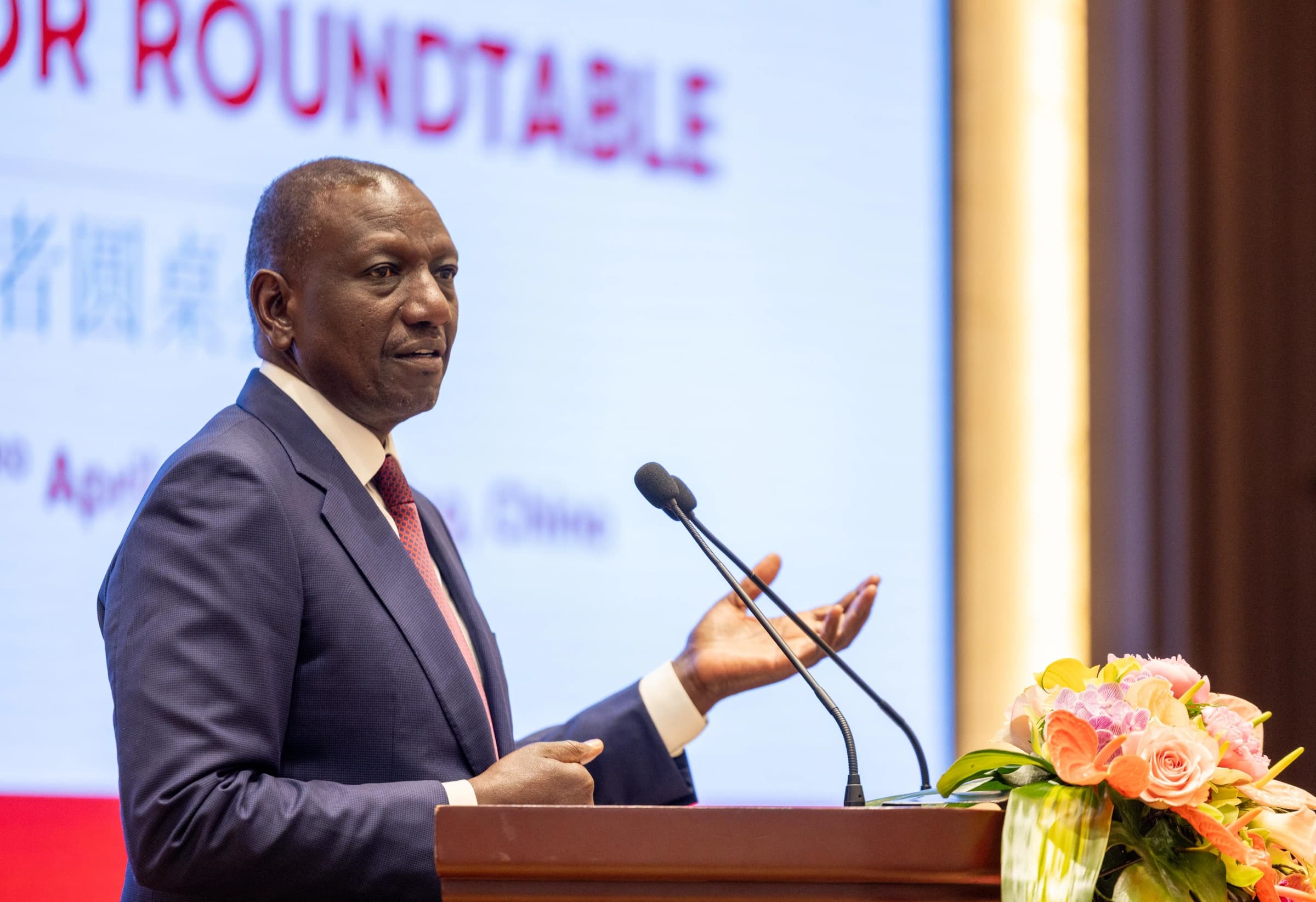
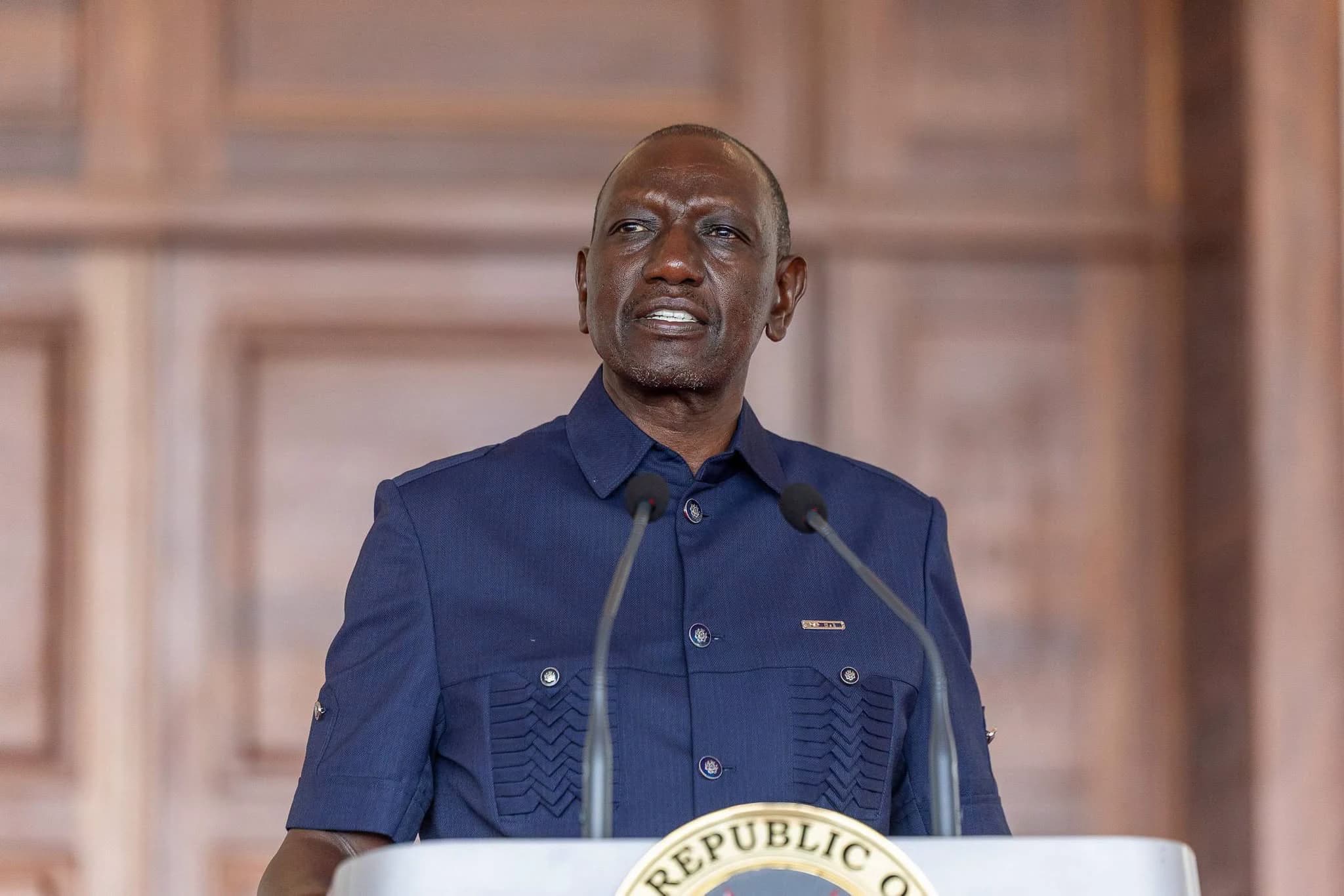
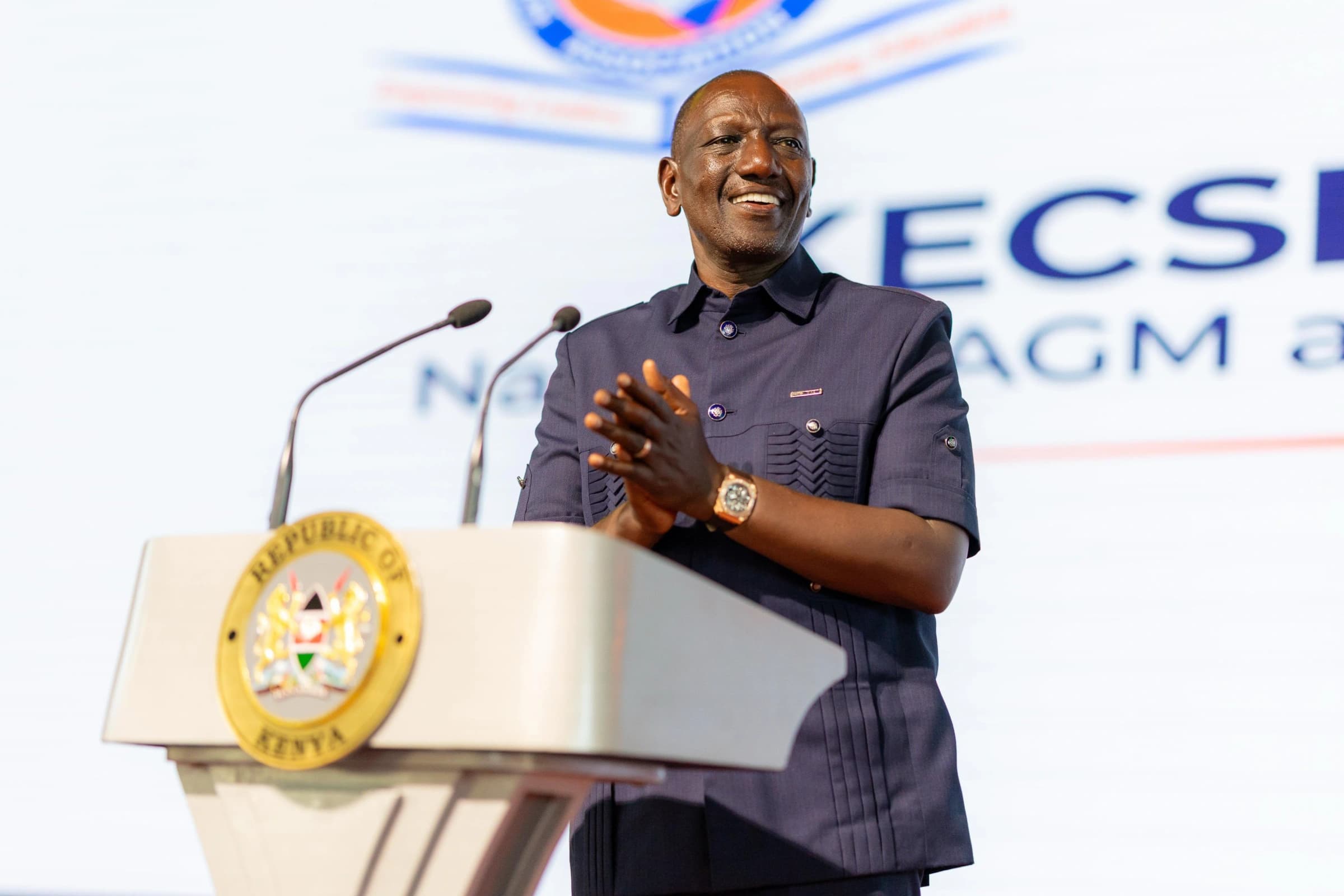
Addressing the Kenya Comprehensive Schools Heads Association (KECSHA) National Annual General Meeting and Conference in Mombasa on Thursday, November 12, 2026, Ruto challenged headteachers to rethink their priorities and give lower primary the attention it deserves.
He argued that the quality of education children receive in Grades 1, 2 and 3 determines their ability to navigate subsequent stages of learning, making the early years too important to be treated as ordinary classroom assignments.
“I ask three things of school heads in this hall. First, secure the foundations. Make Grade One to Three the most protected years in your school. Let no child leave Grade Three unable to read, write or count,” he said.
The President also questioned the deployment of teachers in schools, insisting that the most experienced and capable educators should be assigned to the earliest grades.
“Put your strongest teachers where the stakes are highest, and that is at the beginning. Grades One, Two and Three are very significant and very important,” Ruto stated.
His remarks put pressure on school administrators to prioritise teacher allocation, classroom instruction and the monitoring of learners who struggle to acquire basic competencies.
2030 deadline to test schools on learning outcomes
The Government intends to make foundational literacy and numeracy a measurable national education target rather than relying solely on progression through the grades.
Ruto announced that every Kenyan child should be able to read, write and count by the end of Grade 3 by 2030.
To achieve this, he directed the Ministry of Education to work with TSC, KNEC, county governments and school heads to establish an assessment and reporting framework.
The proposed arrangement will involve annual monitoring, with performance information published at individual school and county levels.
This will give parents an opportunity to understand whether their children's schools are delivering the expected learning outcomes while enabling education authorities to identify areas requiring intervention.
The initiative also raises the stakes for school leadership under Competency-Based Education (CBE), where the acquisition of essential skills is fundamental to learners' progression.
Basic Education Act faces proposed overhaul
In another major announcement, Ruto gave the Ministry of Education 90 days to work with KECSHA and prepare proposals for amendments to the Basic Education Act.
The proposed legislative changes are intended to establish a clear legal framework for the governance, staffing and financing of comprehensive schools.
The President said the changing structure of the education system required legislation that clearly defines institutional responsibilities and provides certainty in school administration.
“I direct the Ministry of Education to work with the Kenya Comprehensive School Heads Association and to present, within 90 days, proposals to amend the Basic Education Act so that governance, staffing and financing of comprehensive schools rest on a firm legal ground,” he said.
He added that institutions needed clear legal structures to support effective management and long-term sustainability.
“Institutions built on clarity outlast those built on custom,” Ruto said.
The proposed amendments could have significant implications for school leadership, administrative responsibilities, staffing arrangements and the distribution of Government resources across comprehensive schools.
Capitation review offers hope to cash-strapped schools
Ruto also directed the Ministry of Education to review school capitation in consultation with teachers' unions, citing inflation and increasing operational costs.
The Government is considering a consolidated funding model for primary and junior schools as part of efforts to address the financial demands facing institutions.
The review comes amid concerns over the adequacy of existing allocations to support teaching and learning, procurement of instructional materials and the implementation of CBE.
For headteachers, the proposed review is particularly significant because the availability and timely disbursement of Government funding directly affect the ability of schools to meet their obligations.
The President's latest announcements have consequently opened several important fronts in Kenya's education reform agenda: improving foundational learning, strengthening school accountability, providing a legal foundation for comprehensive schools and reviewing the financing of public education.
Ultimately, the 2030 literacy ambition will be judged not by Government declarations but by the number of children who leave Grade 3 able to read, write and count confidently.
Reader Discussion (0)
Sign in to comment