

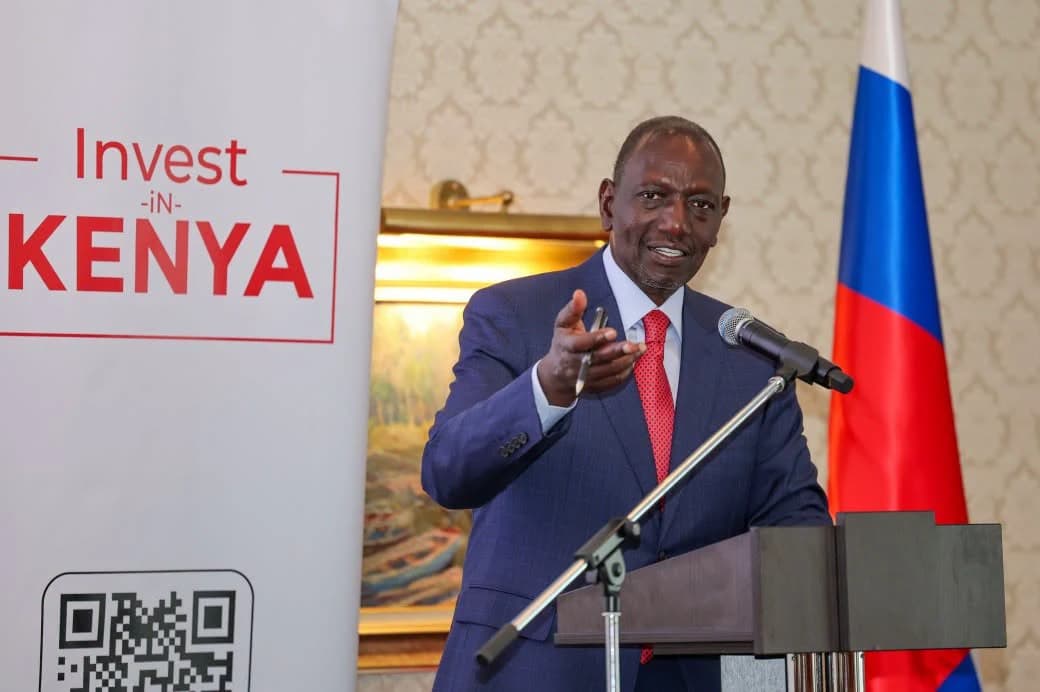
President William Ruto's newly established international school in Eldoret is set to attract attention not only because of its association with the Head of State but also because of its substantial fees, with parents expected to pay as much as Sh370,000 per term for learners in the highest grade.
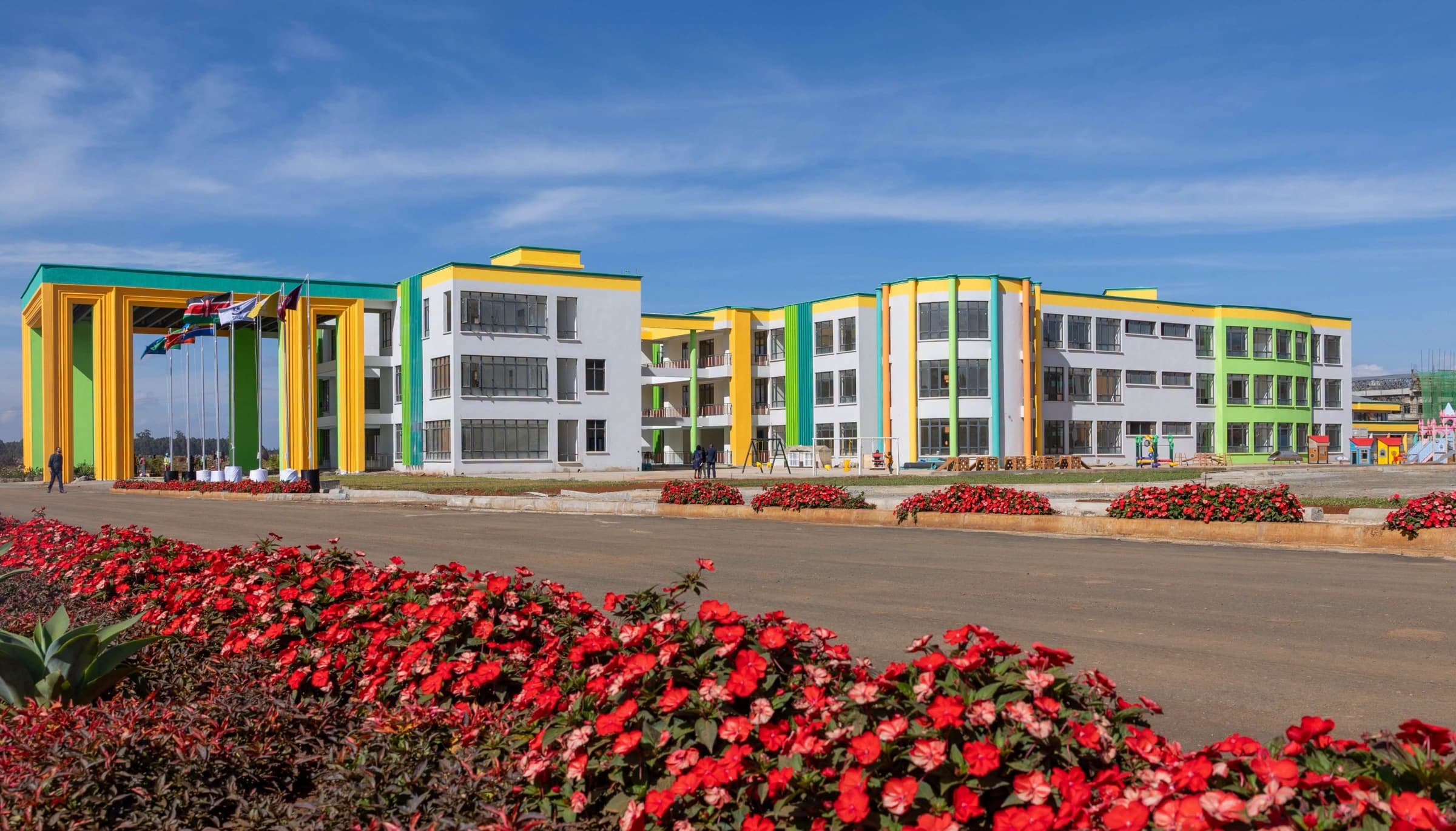
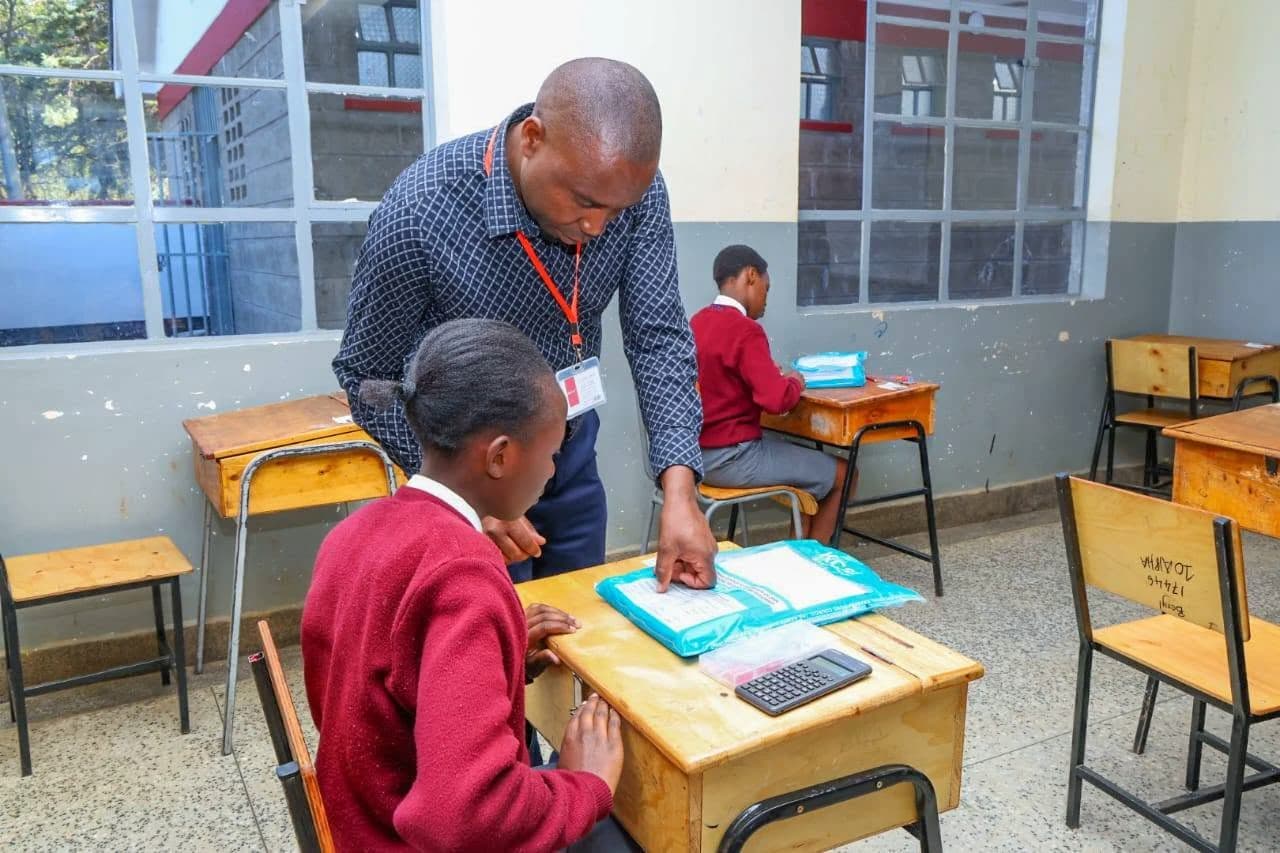
The institution, known as SIBOH School and Sports Academy, is situated at Koilel Farm along Naiberi Road in Moiben, Uasin Gishu County. The school is preparing to admit its first learners in January 2027, offering education from pre-primary through senior school under the Competency-Based Education (CBE) framework.
Its fee structure places it among the high-cost private education institutions in the country, raising questions about affordability, access and the growing divide between families who can afford premium education and those struggling to meet ordinary school expenses.
The lowest fee category, Playgroup, is charged Sh90,000 per term, which translates to Sh270,000 annually based on three school terms. PP1 learners will pay Sh105,000 per term, while PP2 attracts Sh125,000.
At primary school level, the financial commitment rises considerably. Grade One attracts Sh150,000 per term, Grade Two Sh170,000, Grade Three Sh190,000, Grade Four Sh210,000, Grade Five Sh230,000 and Grade Six Sh250,000.
The charges continue to increase at junior and senior school levels. Grade Seven learners will pay Sh270,000 per term, Grade Eight Sh290,000 and Grade Nine Sh310,000. At senior school level, Grade Ten attracts Sh330,000 per term, Grade Eleven Sh350,000, while Grade Twelve carries the highest charge of Sh370,000 per term.
Parents with children in Grade Twelve will therefore need about Sh1.11 million annually to meet basic school fees alone, excluding additional charges and other personal expenses.
The financial requirements do not end with tuition. Parents are also expected to meet several additional costs, including a registration fee of Sh2,500, an admission fee of Sh5,000 and a student identification card fee of Sh1,000. A refundable caution fee of Sh10,000 is also listed. Other charges include Sh5,000 per term for medical and emergency services and another Sh5,000 for enrichment programmes.
Transport is charged separately, with learners using one-way transport expected to pay Sh10,000 per term and those requiring return transport Sh15,000.
The school has also introduced an annual book fund that varies by education level. Pre-primary learners are charged Sh6,000, primary school learners Sh9,000, junior school learners Sh12,000 and senior school learners Sh15,000.
Beyond the fees, SIBOH School and Sports Academy is positioning itself as an institution that combines academic learning with sporting development. It is expected to offer more than 15 sporting disciplines, reflecting an ambition to develop learners beyond conventional classroom instruction.
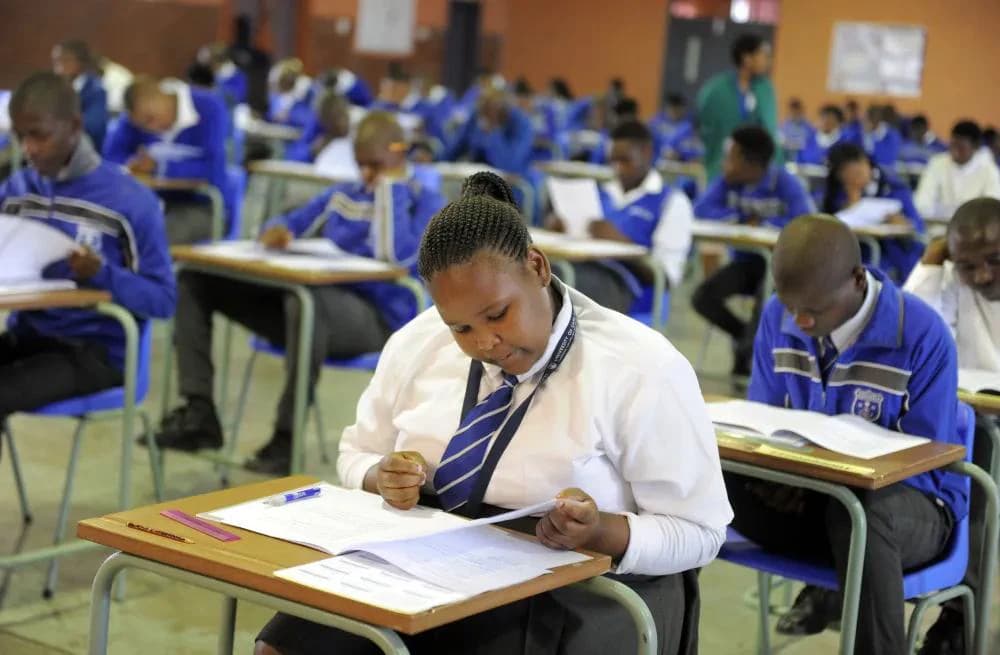
The establishment of the school comes as Kenya undergoes a significant transition in its education system through the implementation of CBE. The introduction of senior school has increased public attention on school infrastructure, specialised learning facilities, teacher preparedness and the cost of providing quality education.
The school's fee structure also brings into focus an uncomfortable national conversation about educational inequality.
For many Kenyan households, paying Sh90,000 per term is already a considerable financial undertaking. For others, even meeting ordinary public school requirements remains a persistent struggle. A school charging Sh370,000 every term therefore represents an entirely different financial category of education.
The bigger question is whether Kenya's expanding private education sector will increasingly be divided between institutions serving affluent families and public schools catering for the majority of learners.
While premium institutions may have the resources to invest in modern facilities, sports and specialised programmes, the country must equally strengthen public education to ensure that a child's opportunities are not determined primarily by the financial capacity of their parents.
Ultimately, the success of Kenya's education reforms should not be measured only by the emergence of expensive institutions, but by whether every learner, regardless of their family's income, can access quality education and discover their full potential.
Reader Discussion (0)
Sign in to comment