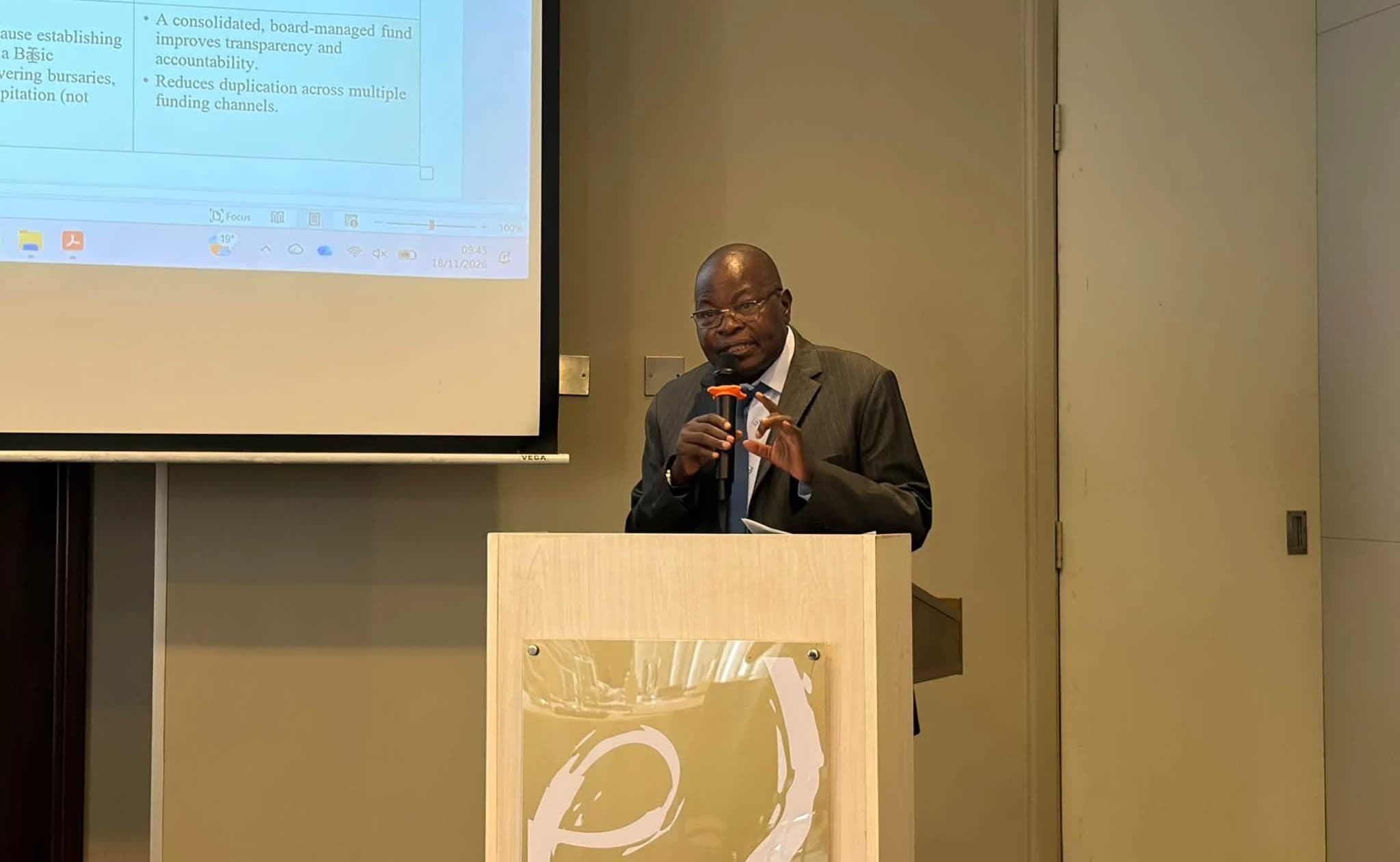
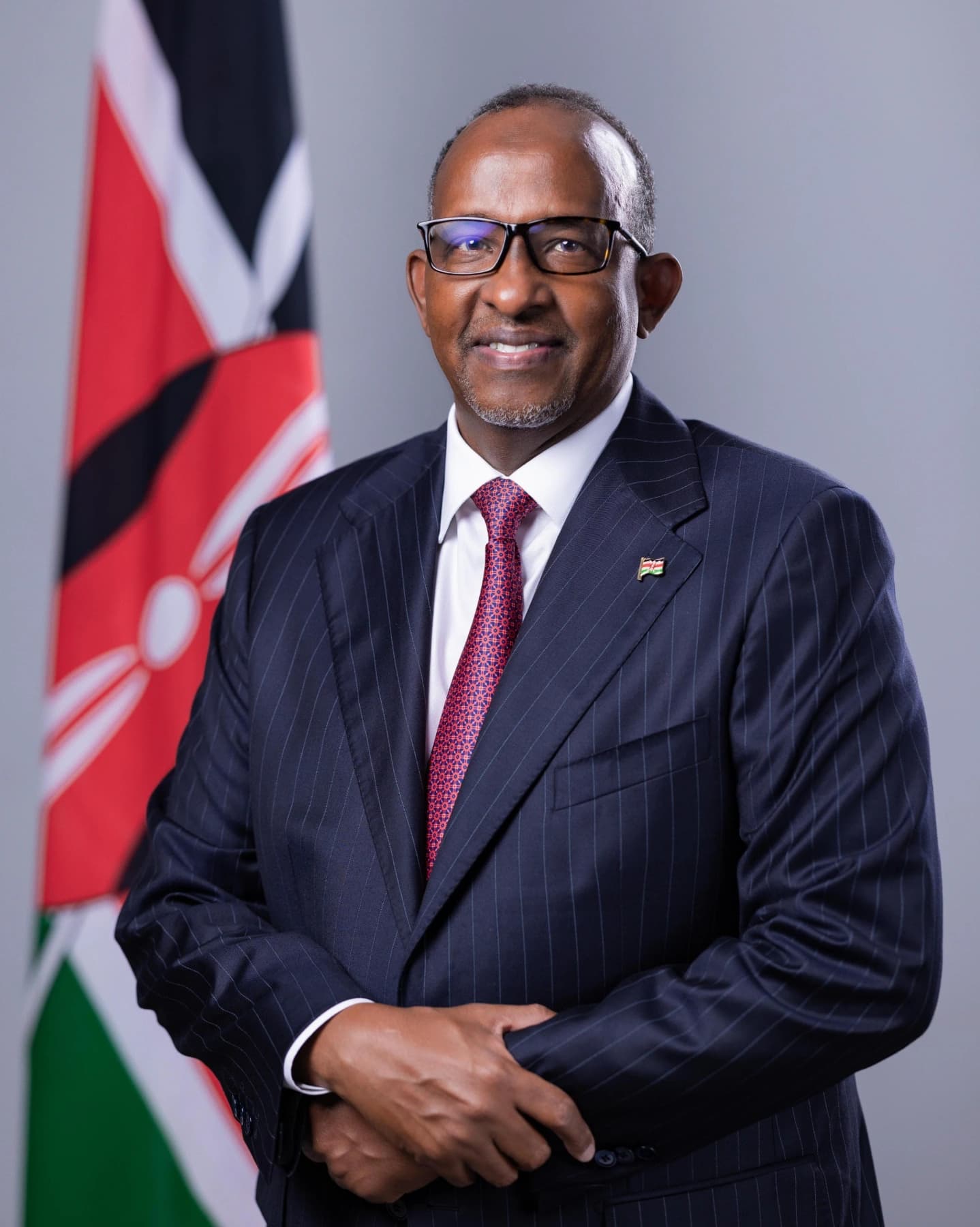








The Kenya Union of Post-Primary Education Teachers (KUPPET) has taken its push for Junior School (JS) autonomy to Parliament, presenting its position to the National Assembly Education Committee as lawmakers consider a governance framework for the schools.
The union's delegation met the committee, chaired by Tinderet MP Julius Melly, and set out what it considers the fundamental conditions for a functional, properly governed and adequately resourced JS system. The future of JS education is once again under the spotlight as a result.
At the centre of the engagement was a demand for a comprehensive legal framework, a distinct governance structure, adequate teacher staffing and equitable resource allocation. The demands touch on the institutional identity of JS, the professional environment of teachers and the quality of education delivered to learners.
KUPPET's position, as presented to the committee, is that the country needs to move beyond transitional arrangements and establish a clearly defined institutional framework that gives JS the administrative capacity, accountability structures and resources required to fulfil their mandate.
One of the most consequential aspects of the autonomy debate is clarity on who governs, manages and takes responsibility for Junior Schools. A well-defined governance structure would establish clear administrative responsibilities, strengthen institutional accountability and give teachers, parents and learners a more predictable environment.
Without a coherent legal and administrative framework, questions on institutional management, professional responsibilities and resource distribution risk becoming persistent challenges in implementing education reforms. JS autonomy should therefore be examined beyond administrative independence, in the broader context of building institutions capable of delivering quality education consistently and sustainably.
No education system can achieve its intended outcomes without sufficient teachers, appropriate infrastructure and reliable financial support. As Kenya advances Competency-Based Education (CBE), Junior Schools require adequate staffing to meet their curriculum demands and the diverse learning needs of students.
Teacher deployment, professional responsibilities, institutional leadership, laboratories, learning materials and other essential facilities must form part of the broader autonomy conversation. Granting institutions greater administrative responsibility without the necessary human and financial resources would risk creating structures that exist on paper but struggle to deliver meaningful educational outcomes. Autonomy must therefore be accompanied by capacity, accountability and sustainable investment.
A key consideration in the debate is the need to draw a firm distinction between serious national education matters and political interests. Education is a generational investment, and its policies should be informed by professional expertise, research, practical realities and the long-term interests of learners and not by political expediency or competing ambitions.
The decisions being considered will influence how schools are governed, how teachers discharge their responsibilities, how public resources are used and how effectively learners acquire the knowledge and competencies they need. The risk of politicising education is that the consequences may not be immediately visible. They can emerge gradually through weakened institutions, inconsistent policies, inadequate investment, disrupted learning and declining confidence in the education system.
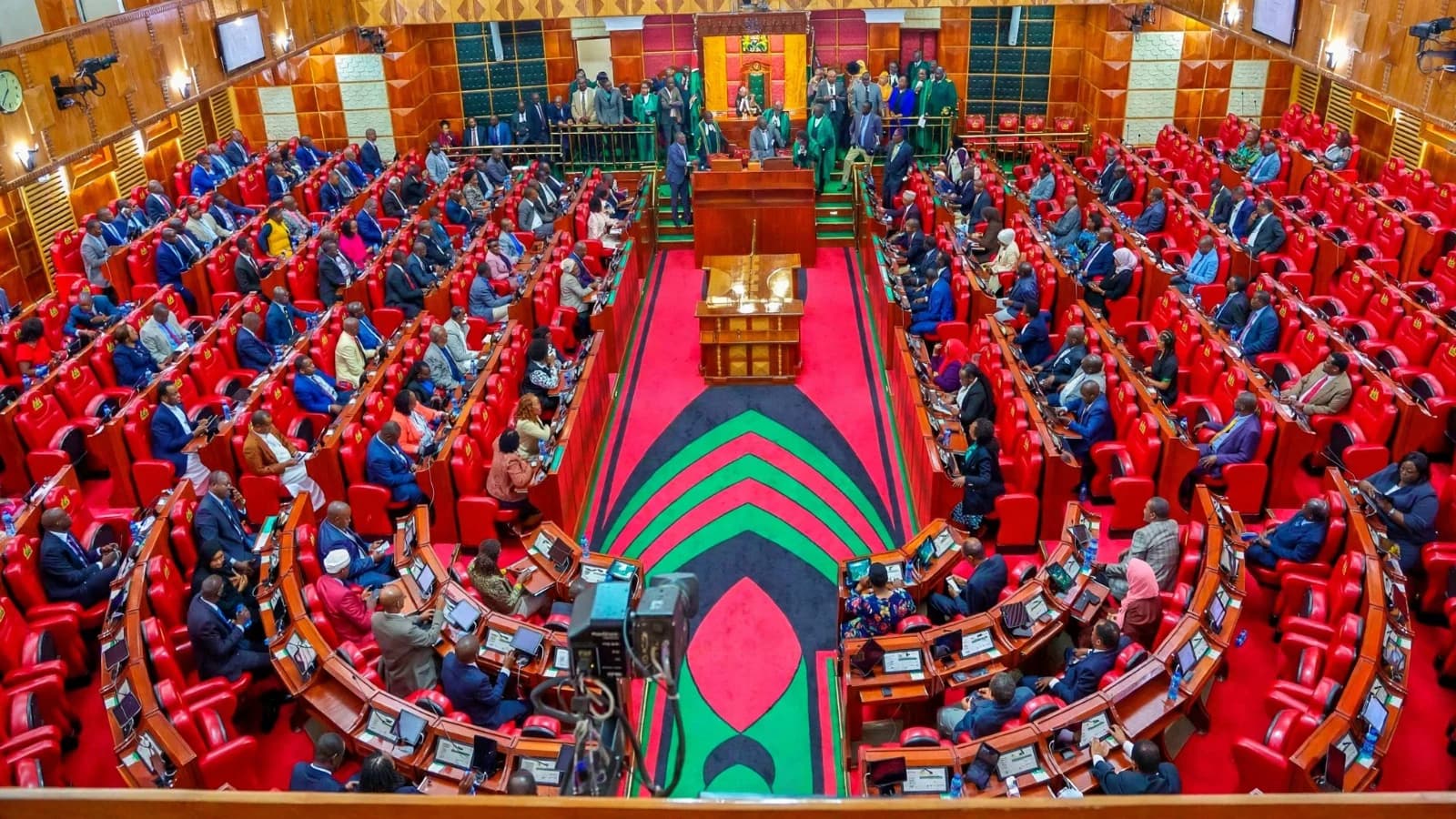
The National Assembly Education Committee now has the responsibility to consider the competing perspectives, examine the practical implications of the proposed reforms and ensure that its final recommendations serve the national interest.
KUPPET commended the committee for maintaining engagement with education stakeholders and expressed hope that the concerns of teachers, parents and learners will be reflected in its final report.
The country needs a framework that provides legal certainty, establishes institutional accountability, protects the professional interests of teachers and guarantees learners an environment conducive to quality education. The autonomy question should not be reduced to a contest between institutions or personalities. It is about building a sustainable education system whose structures can withstand political transitions.
The success of JS reforms will be measured not by the number of meetings held, declarations issued or promises made, but by the quality of the institutional arrangements established, the resources committed and the learning opportunities delivered to every child. Education policies are not temporary political instruments but national commitments whose consequences can endure for decades.



Reader Discussion (0)
Sign in to comment