



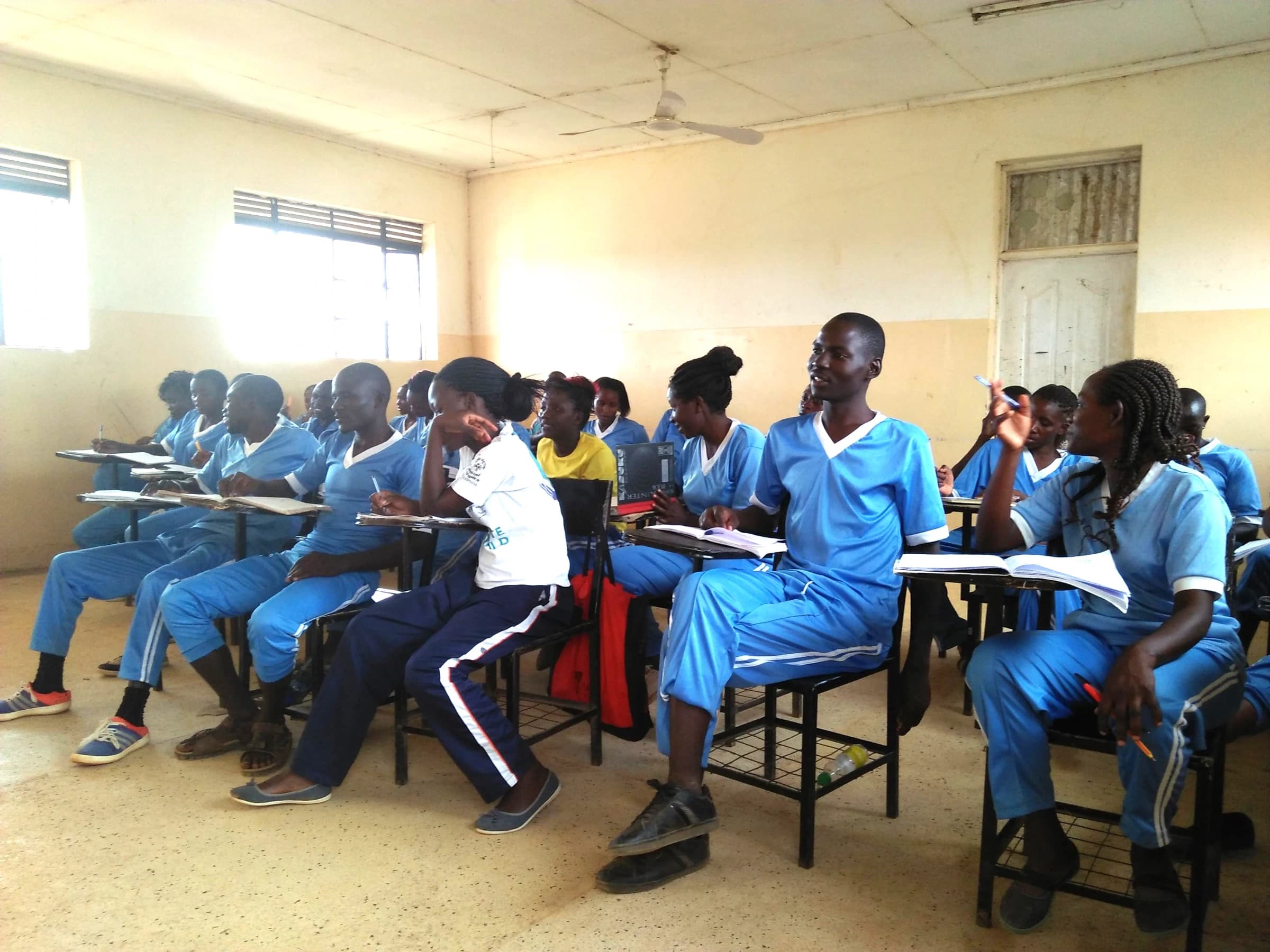

A South African school principal has been suspended after a Grade 12 learner was allegedly denied access to an examination room over unpaid school fees, raising fresh questions about the responsibility of school administrators to protect learners from disputes involving their parents.
The Free State Department of Education confirmed on Friday, October 23, 2026, that the principal of Selelekela Secondary School in QwaQwa had been suspended with immediate effect pending investigations into the incident.
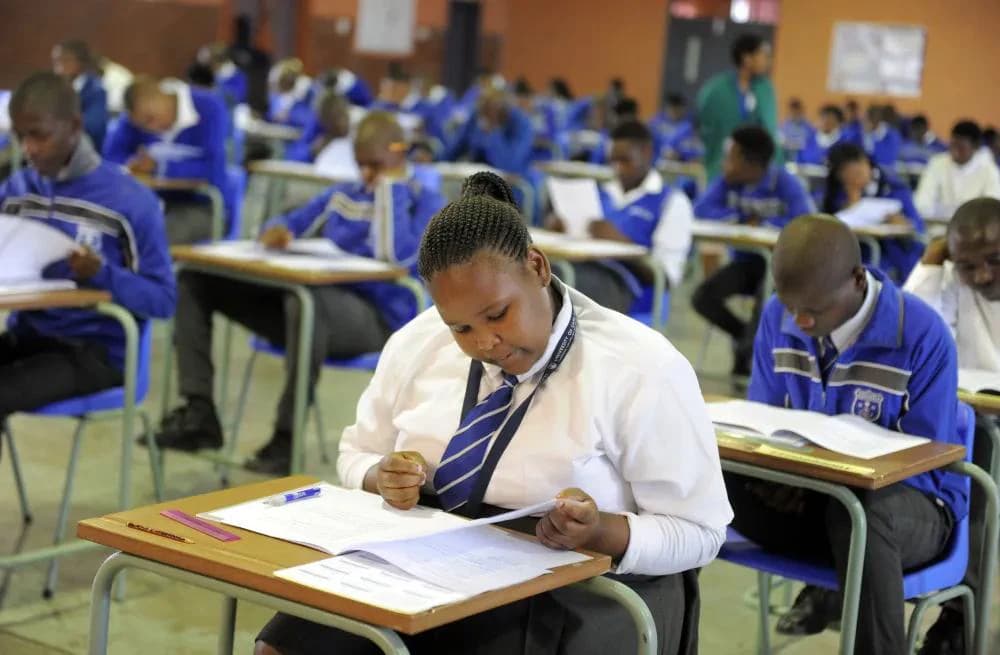
The learner was reportedly denied the opportunity to sit the English First Additional Language Paper 3 examination on October 15. The principal also served as the school's chief invigilator, placing the official directly at the centre of the examination administration process.
The incident has drawn attention to the need for school leaders to distinguish between enforcing financial obligations and safeguarding learners' access to education.
Learner receives support as investigation continues
Following the incident, the deputy principal was appointed chief invigilator for the remainder of South Africa's 2026 National Senior Certificate examinations.
The affected learner has since resumed writing her remaining papers and has received psychosocial support to help her cope with the situation.
Department spokesperson Howard Ndaba said the department was preparing documentation to submit through the national Department of Basic Education to Umalusi, South Africa's education quality assurance body.
The application seeks a concession for the missed English examination, with the aim of avoiding a requirement for the learner to rewrite the paper in June 2027. However, the proposed arrangement remains subject to approval.
The department has also convened an urgent virtual meeting with chief invigilators from public, private and independent schools to reinforce examination regulations.
Officials reiterated that eligible candidates must not be denied access to examination rooms because of outstanding school fees or other matters unrelated to their eligibility to sit the papers.
The department warned that violations of examination instructions would attract disciplinary action.
School fees must not compromise examination rights
The incident highlights a fundamental principle in education administration: a learner's academic future should not be placed at risk because of a parent's financial difficulties.
Section 41(7) of the South African Schools Act protects learners in public schools against being deprived of participation in school programmes or victimised because their parents have not paid school fees.
The law permits schools to pursue outstanding fees through lawful procedures rather than punish learners for debts owed by their parents.
Examination regulations also require school administrators to protect the integrity of national assessments and ensure that eligible candidates are allowed to participate.
The suspension is an administrative measure pending investigation and should not be interpreted as a final finding of misconduct.
The inquiry is expected to establish the circumstances surrounding the learner's exclusion and determine whether the applicable rules were breached.
Nevertheless, the case sends a strong message to school administrators that financial disputes must be handled through established procedures without compromising a learner's examination opportunity.
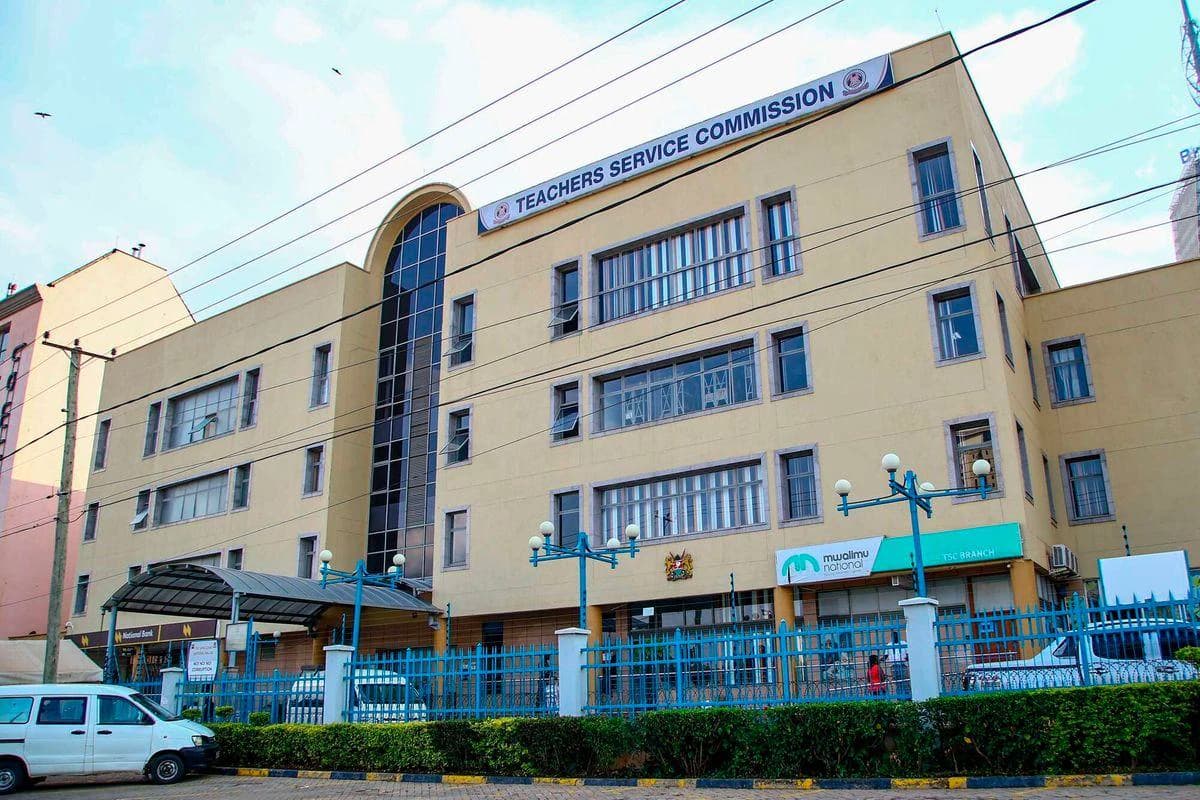
Lessons for Kenyan school principals
Although the incident occurred in South Africa, it offers important lessons for Kenyan schools, where institutions also face financial pressures arising from delayed fees, unpaid balances and inadequate resources.
Kenya's Constitution guarantees every child the right to free and compulsory basic education under Article 53(1)(b). The Basic Education Act, 2013, provides the statutory framework for implementing that right and regulating access to basic education.
These protections require school administrators to approach financial disputes carefully, ensuring that children are not unfairly disadvantaged by circumstances beyond their control.
Kenyan public schools operate within a different legal and financing framework from South African schools.
However, the broader principle remains relevant: school fees and other financial obligations should be addressed through lawful administrative channels rather than arbitrary decisions that interfere with a learner's education.
Principals should communicate outstanding balances to parents, maintain proper financial records and use the procedures available under the applicable laws and education policies.
Where families face genuine hardship, schools should explore appropriate support mechanisms and refer cases to relevant authorities where necessary.
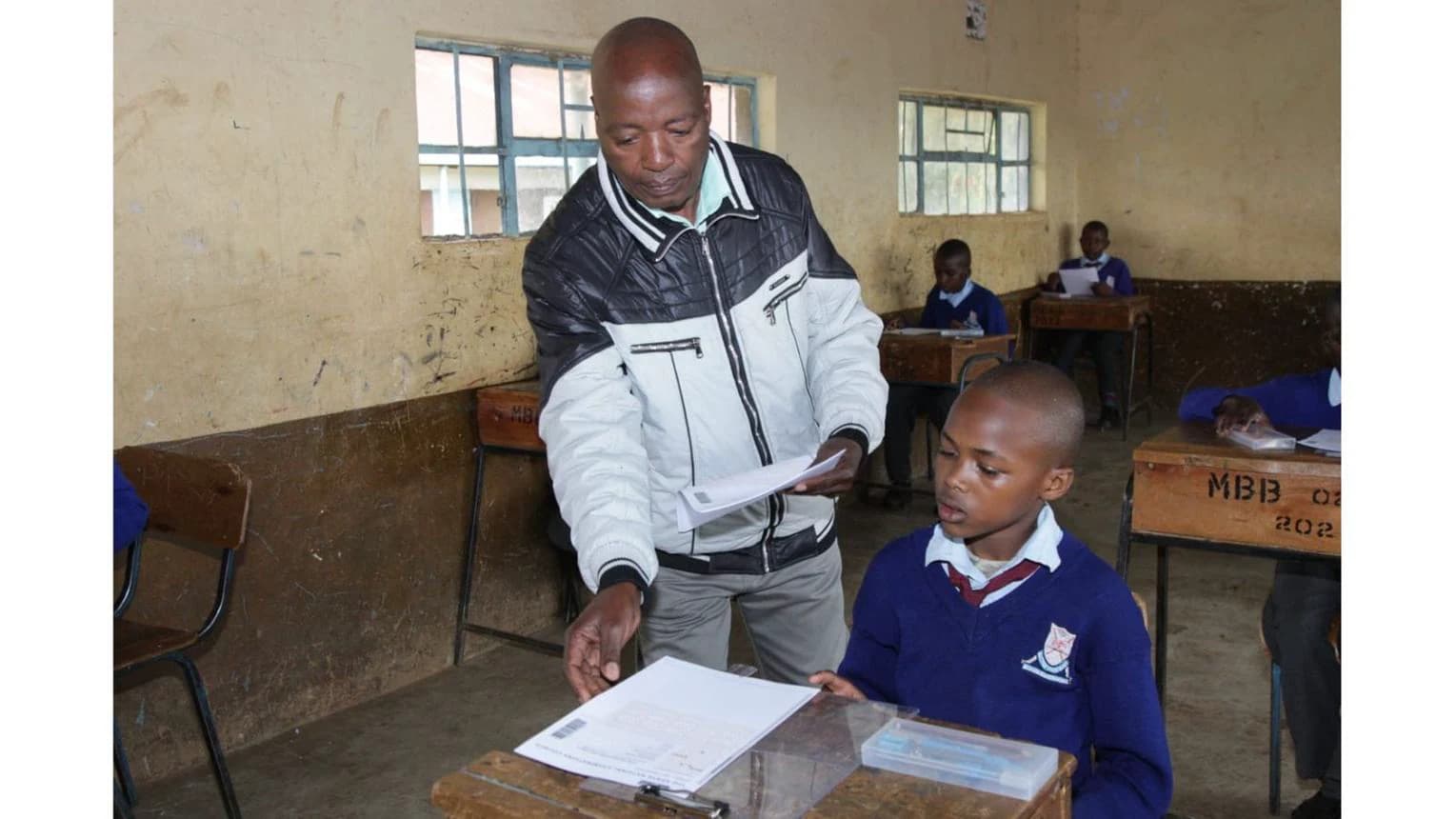
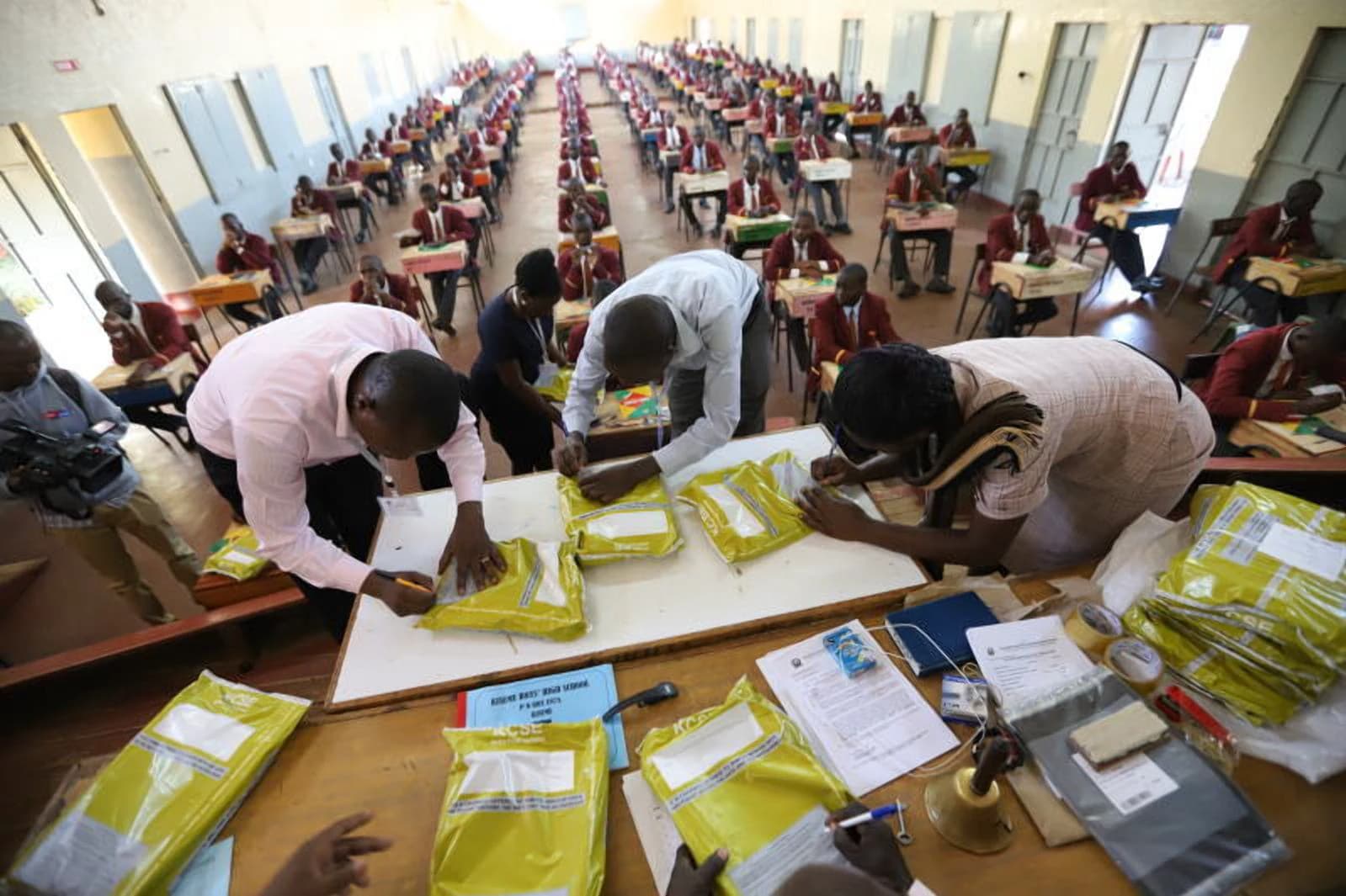
Examination officials also have a responsibility to follow the rules governing registration, eligibility, supervision and the administration of national assessments.
A disagreement over fees should not automatically be treated as grounds for preventing a learner from sitting an examination.
Administrators must establish whether a restriction is legally authorised and consistent with the applicable examination regulations before taking action.
School leadership requires accountability
The incident also underlines the importance of professional judgment among principals, who are entrusted with managing school resources while protecting learners' welfare.
School leaders must balance financial accountability with their obligation to provide a safe, fair and supportive learning environment.
Parents should meet their lawful financial obligations, but children should not become instruments for collecting debts.
Where misconduct is suspected, education authorities must investigate fairly, protect the affected learner and take appropriate action based on the evidence.
The Free State case demonstrates the consequences that can follow when decisions affecting examination access are questioned.
It also highlights the importance of clear communication, consistent enforcement of regulations and timely intervention by education authorities.
For Kenya, the central lesson is that protecting a child's education must remain a priority even when schools face financial difficulties.
Responsible leadership means resolving disputes without unnecessarily placing a learner's academic progress or future opportunities at risk.



Reader Discussion (0)
Sign in to comment