



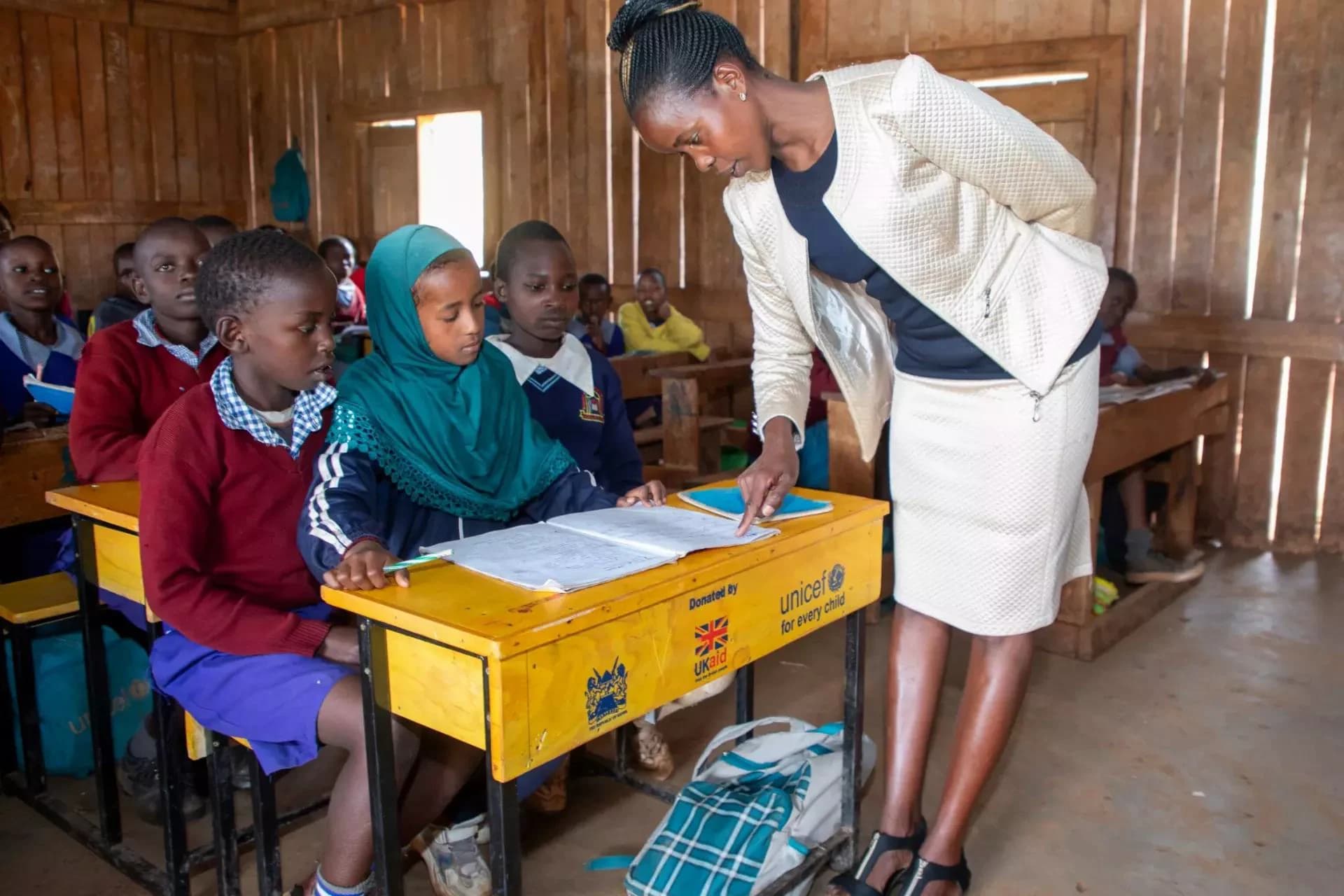




PP2 graduation ceremonies have increasingly become commercial and marketing ventures that add little or no academic value to the innocent graduands but impose unnecessary financial burdens on unsuspecting parents. What should be a simple transition from pre-primary education to Grade One has been transformed into an elaborate celebration characterised by graduation gowns, caps, certificates, photography, entertainment, decorations and compulsory contributions.
Behind the colourful ceremonies and carefully staged photographs lies a fundamental question that parents, teachers and education stakeholders must confront: Are these ceremonies organised for the benefit of children, or have they become convenient opportunities for schools and service providers to make money?
The graduation of PP2 learners marks the completion of the pre-primary education stage. It is a milestone worth acknowledging because children have spent time acquiring foundational skills in communication, numeracy, social interaction, creativity and environmental awareness. They deserve encouragement as they prepare to enter Grade One.
However, recognising their progress does not necessarily require a graduation ceremony modelled on university convocations. The danger arises when schools confuse a child's developmental transition with an academic qualification that must be celebrated through expensive rituals.
At this tender age, children are largely unaware of the commercial interests that may surround their graduation. They are excited by colourful gowns, music, gifts and the attention they receive from adults. They may interpret the occasion as a special day when they are rewarded for attending school. There is nothing inherently wrong with making children happy.
However, the responsibility of adults is to ensure that celebrations serve children's interests rather than exploit their innocence. A child's happiness should never become a convenient justification for imposing unnecessary expenses on parents.
Graduation costs place pressure on parents
For many families, educating a child is already an expensive undertaking. Parents must meet school fees, purchase uniforms, provide learning materials, pay for transport and cater for other household necessities. In Kenya, where many families operate under considerable financial pressure, every additional school-related expense matters.
When parents are asked to pay for graduation gowns, caps, certificates, photography, refreshments and other ceremonial requirements, the cumulative cost can become burdensome. The problem becomes more serious when participation appears compulsory or when parents fear that declining to contribute will make their children feel excluded.
The commercialisation of these ceremonies thrives on the power of social pressure. Once a school announces a graduation ceremony, parents may feel obliged to participate because they do not want their children to miss out on what their classmates will experience. Some parents may struggle financially but remain silent because they fear being perceived as irresponsible or unable to support their children's education. Others may borrow money to meet the demands. What should be a voluntary celebration can therefore become an indirect financial obligation imposed on families.
Schools must reflect honestly on their motivations. Is the ceremony designed to recognise children's progress, or is it intended to enhance the institution's public image? In an increasingly competitive education market, some schools may view graduation ceremonies as marketing opportunities.
Photographs of children dressed in graduation regalia can be shared on social media, displayed in advertisements and used to attract prospective parents. The spectacle creates an impression of prestige, organisation and educational excellence. Yet an impressive ceremony does not necessarily indicate superior teaching, better learning outcomes or stronger foundational skills.
Educational quality matters more than ceremonies
This is where the distinction between educational quality and educational packaging becomes important. A school may organise a magnificent graduation ceremony while struggling to provide adequate learning materials, maintain appropriate teacher-to-learner ratios or offer a stimulating learning environment. Conversely, a school with modest resources may provide excellent early childhood education without staging an expensive graduation event.
Parents should therefore be careful not to judge the quality of an institution by the grandeur of its ceremonies. The true measure of a school lies in what children learn, how they develop and how effectively their teachers prepare them for subsequent stages of education.
The certificates awarded during PP2 graduation ceremonies also deserve scrutiny. Such certificates may commemorate completion of the pre-primary stage, but they should not be confused with nationally recognised qualifications or independent proof of academic mastery. A certificate presented during a school celebration does not, by itself, establish that a child has achieved exceptional academic competence. Children develop at different rates, and early childhood education should focus on nurturing individual potential rather than creating unnecessary hierarchies of achievement.
Furthermore, the language of graduation can unintentionally encourage an unhealthy understanding of education. When children are repeatedly exposed to elaborate ceremonies at every transition, they may begin to associate educational achievement with costumes, public recognition and material rewards rather than curiosity, effort and the gradual acquisition of knowledge. Celebrations have their place, but they should complement learning rather than overshadow it. The educational experience must remain the priority.
Schools urged to embrace affordable and inclusive celebrations
School administrators and teachers have a moral obligation to protect parents from unnecessary financial exploitation. They should distinguish between essential educational expenditure and optional ceremonial activities. Where schools choose to hold graduation celebrations, the events should be simple, affordable and genuinely inclusive. No child should be excluded, embarrassed or treated differently because their parents cannot afford a gown, a photograph or a contribution towards refreshments. Participation should never become a test of a family's financial capacity.
Parents, too, must learn to question practices that have become normalised merely because many schools embrace them. They should feel free to ask what educational purpose a proposed expenditure serves, whether participation is voluntary and how much the event will cost. Supporting a child's education does not mean unquestioningly accepting every financial demand made in the name of schooling. Responsible parenting includes protecting the family from unnecessary expenditure and teaching children that meaningful achievement does not always require elaborate public celebration.
Education authorities and early childhood education stakeholders should also provide clear guidance on school-organised ceremonies. The objective should not be to prohibit every celebration but to discourage practices that commercialise children's milestones or place avoidable pressure on families. Schools should be encouraged to recognise learners' progress through classroom activities, presentations, storytelling, songs and simple gatherings that emphasise development, confidence and readiness for Grade One.
Ultimately, the question is not whether PP2 learners deserve recognition. They certainly do. The question is whether that recognition must be packaged into expensive graduation ceremonies that generate financial demands without corresponding educational benefits. A child does not become more intelligent by wearing a graduation gown, nor does a parent become more committed by spending money on ceremonial accessories. The greatest gift a school can give a PP2 learner is a strong educational foundation, while the greatest relief it can offer parents is responsible stewardship of their limited resources.
PP2 graduation should celebrate children's development, not commercialise their innocence. Schools must remember that education is a public good and a developmental process, not a marketplace in which every milestone must be converted into a revenue-generating event. Let us celebrate children in ways that preserve their dignity, protect their parents' pockets and keep the focus where it belongs: on learning, growth and a successful transition to Grade One.
Ashford is a teacher of English and Literature and writes on education and social affairs.

Reader Discussion (0)
Sign in to comment