

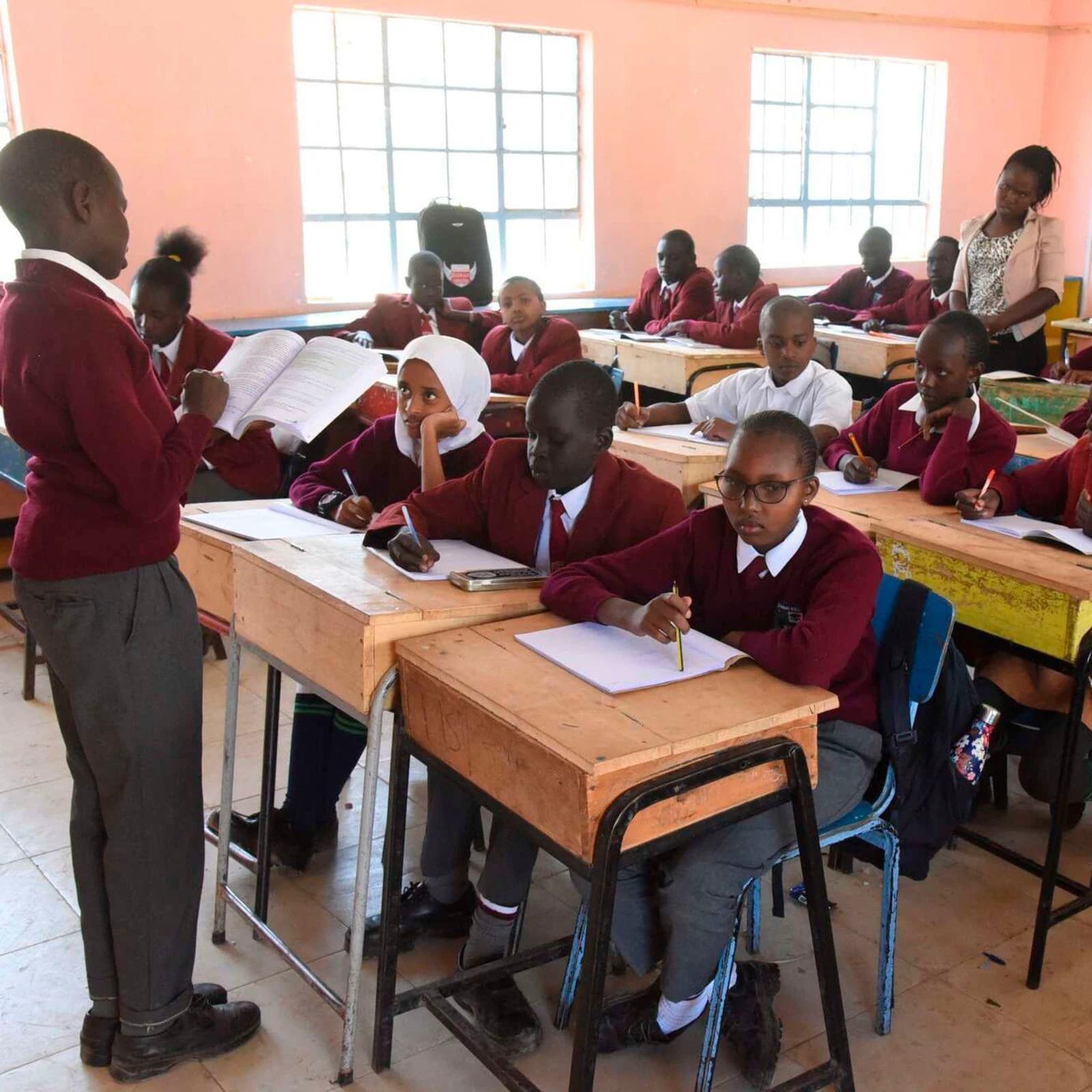


The institution says approximately 20,000 students placed through the Kenya Universities and Colleges Central Placement Service (KUCCPS) fail to take up their admission slots during every admission cycle after discovering that they cannot access government scholarships or student loans to finance their studies.
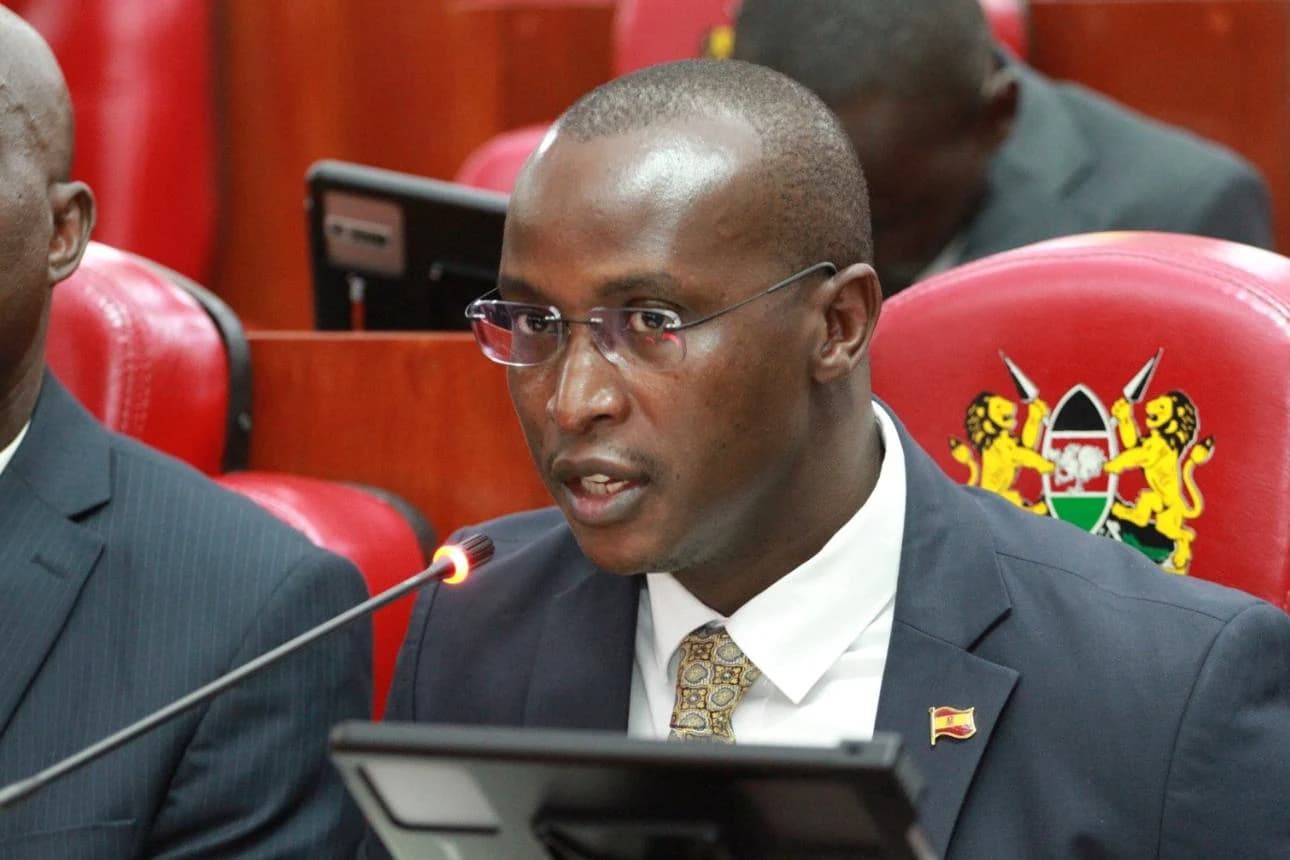
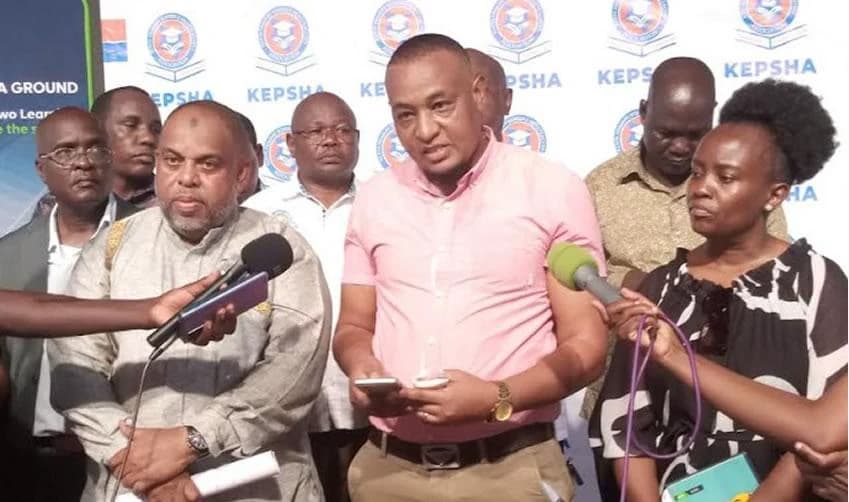
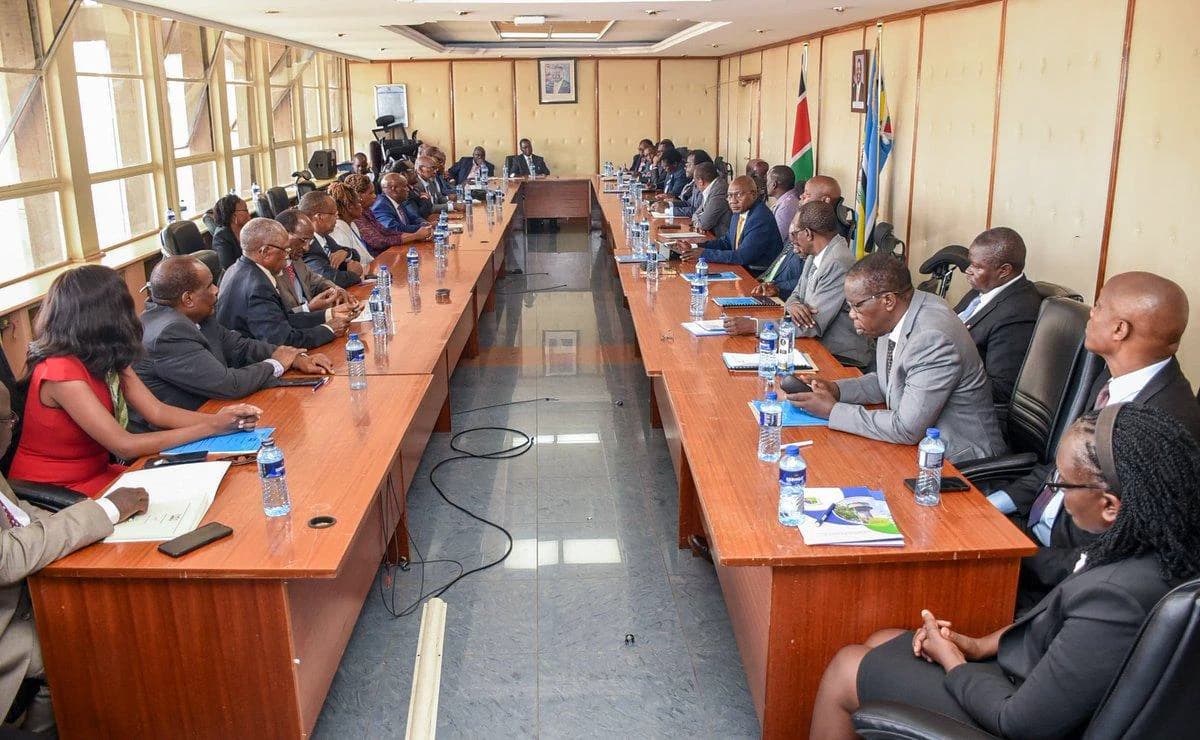
Appearing before the National Government Constituencies Development Fund (NG-CDF) Committee, KMTC Chief Executive Officer Dr Kelly Oluoch told MPs that the institution's exclusion from government higher education financing has created significant barriers for students seeking to join medical training programmes.
Dr Oluoch, who led the KMTC delegation during the parliamentary engagement chaired by Kitui Central MP Musa Sirma, explained that although the college trains more than 85 per cent of Kenya's healthcare workforce, its students remain disadvantaged because the institution falls under the Ministry of Health rather than the Ministry of Education.
According to the CEO, KMTC currently has 89,586 students, many of whom struggle to meet training costs without access to government-supported financial assistance.
He argued that being administratively placed under the Ministry of Health should not automatically exclude KMTC students from national education financing programmes.
"KMTC should not have to leave the Ministry of Health to get funded. National financing legislation should recognise KMTC trainees as post-secondary students deserving equitable state funding," Dr Oluoch told the committee.
The figures presented to Parliament raise concerns about access to professional training, particularly in a country that continues to require qualified healthcare personnel across its public and private health facilities.
The failure of approximately 20,000 KUCCPS-placed students to report to KMTC every admission cycle represents more than an institutional admission challenge. It also exposes the financial barriers preventing academically qualified students from progressing into professional careers.
Committee members observed that the situation creates a double disadvantage.
On one hand, students who cannot afford tuition and other training expenses surrender their admission opportunities. On the other, equally qualified applicants who could have taken up those places miss out because the available slots have already been allocated.
The situation has therefore renewed questions about whether government-sponsored higher education financing adequately covers all institutions offering post-secondary professional training.
As Parliament considers KMTC's request, some legislators have proposed temporary interventions to minimise the loss of admission opportunities.
Kitutu Masaba MP Clive Gisairo suggested that KMTC work closely with KUCCPS to ensure applicants understand the financial obligations attached to their selected courses before completing the placement process.
He proposed introducing a declaration of ability to pay fees during course applications, alongside a notification on the KUCCPS portal informing applicants that KMTC programmes currently lack government scholarship and loan support.
The proposal is intended to ensure students make informed decisions before accepting admission offers.
However, such an arrangement would primarily address the communication challenge rather than the underlying financial barriers preventing qualified students from accessing medical training.
MPs question exclusion from education financing
Committee chairman Musa Sirma supported KMTC's appeal, questioning why an institution responsible for training more than 85 per cent of the country's healthcare workforce should remain outside the Sh300 billion education financing framework.
Sirma argued that the distinction between the ministries responsible for administering institutions should not become a barrier to students accessing government financial support.
The debate touches on a broader question about equity in Kenya's higher education financing system: Should access to government funding depend on the ministry under which an institution operates, or should it be determined by the nature and level of training offered?
KMTC maintains that its students deserve consideration under national financing arrangements because their training contributes directly to the country's healthcare workforce.
While seeking inclusion in government financing programmes, KMTC has defended its continued placement under the Ministry of Health.
Dr Oluoch explained that medical training is fundamentally clinical and requires close coordination with hospitals, clinical preceptors and health regulatory agencies.
He cited other specialised institutions operating under their respective sector ministries, including Bukura Agricultural College under the Ministry of Agriculture, the Kenya Water Institute under the water sector and Utalii College under the tourism sector.
His argument is that specialised training institutions can remain under their respective technical ministries while receiving equitable funding through a coordinated national financing framework.
Proposal for centralised tertiary education funding
To address disparities affecting students in specialised tertiary institutions across different government ministries, Dr Oluoch proposed that the envisaged Tertiary Education Funding Authority (TEFA) be placed under the National Treasury.
Such an arrangement, he argued, could provide a coordinated funding mechanism for students pursuing professional and technical courses in institutions operating outside the Ministry of Education.
The proposal could also open a wider discussion about how Kenya finances specialised training in healthcare, agriculture, tourism, water management and other critical sectors.
The KMTC funding debate comes at a time when the country needs to expand access to professional and technical education while strengthening the capacity of its public institutions.
For many young Kenyans, securing a KUCCPS placement represents the culmination of years of academic effort. However, admission without an affordable financing arrangement can leave such opportunities beyond their reach.
The challenge facing KMTC therefore extends beyond the college itself. It raises fundamental questions about the accessibility, fairness and coordination of government-supported higher education financing.
If thousands of qualified students continue to surrender medical training opportunities because of financial constraints, the consequences could extend beyond individual careers to the country's long-term healthcare workforce development.
The question now is whether the government will review its financing framework to ensure that students pursuing essential professional courses are not disadvantaged simply because their training institutions fall under different ministries.

Reader Discussion (0)
Sign in to comment