





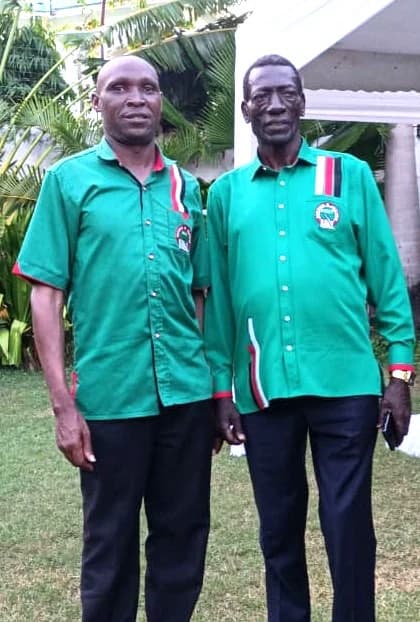



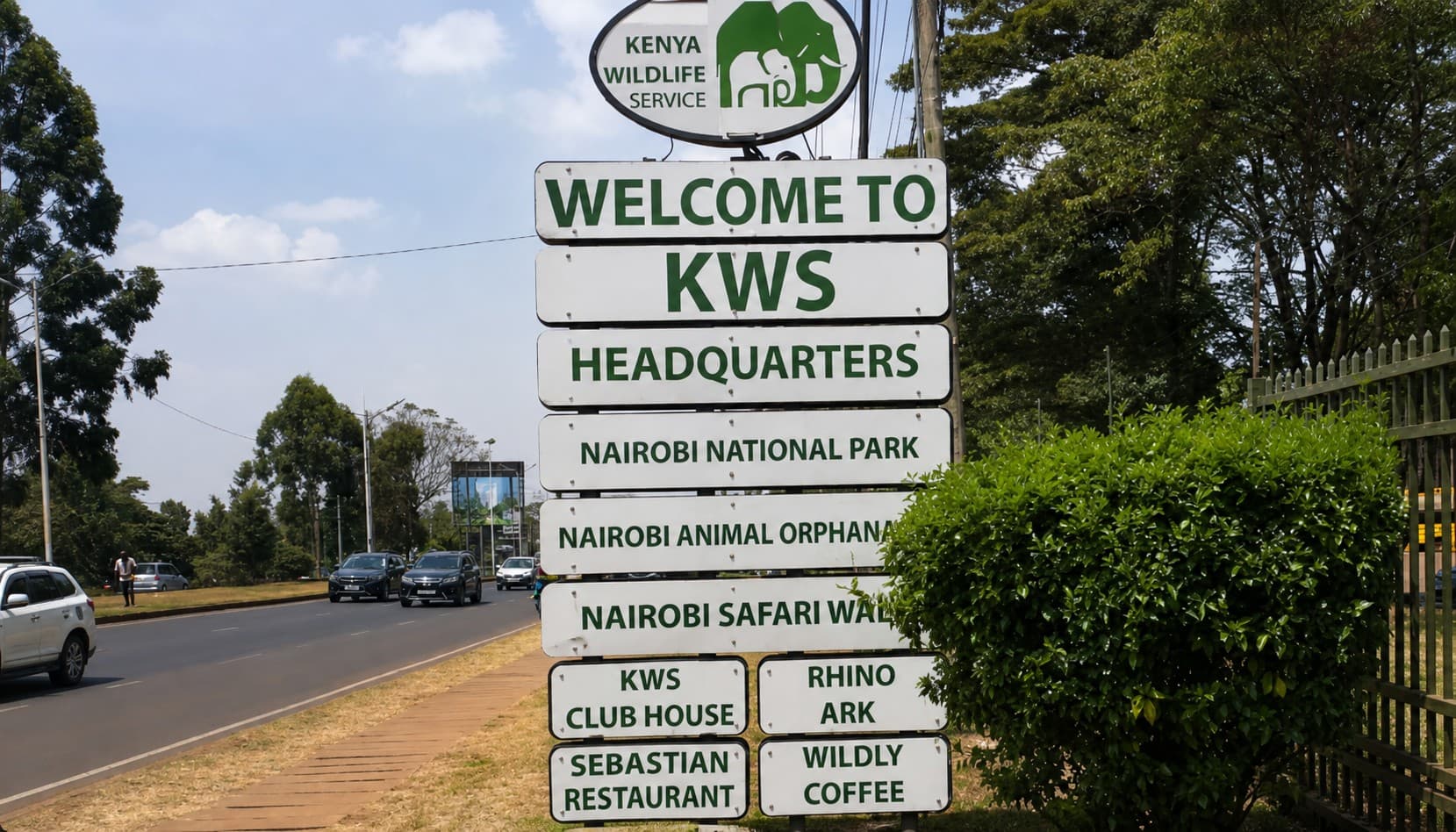
Heath was arrested on Friday night following a multi-agency operation involving Directorate of Criminal Investigations (DCI) detectives from Laikipia and Kenya Wildlife Service (KWS) officers drawn from Nairobi and Laikipia.
The operation, conducted under a court-authorised search warrant, targeted the CEO’s residential premises within Ol Pejeta Conservancy and the facility’s armoury.
According to police, officers recovered two elephant tusks valued at approximately Sh3.2 million, a dried lion skin and 1,465 rounds of 12-bore ammunition.
The ammunition was reportedly discovered in the boot of a vehicle parked at the residence. Heath allegedly told investigators that he had forgotten the ammunition in the vehicle while travelling to the United States.
However, investigators said he did not produce purchase receipts to establish its lawful acquisition. The ammunition was also reportedly absent from the conservancy’s firearms certificate.
Investigators raise concerns over wildlife trophy documentation
A subsequent search of the conservancy’s armoury uncovered the two elephant tusks and the lion skin, which authorities said had not been declared to KWS or properly documented in the conservancy’s records.
The tusks weighed 31.10 kilogrammes and 28.50 kilogrammes, respectively. They were seized and transferred to the KWS station in Nanyuki, while the ammunition was secured at the Nanyuki Police Station armoury as an exhibit.
Investigators also raised concerns over the handling of the lion skin, which had allegedly not been surrendered or reported to KWS within the stipulated 72-hour period.
Heath was detained in connection with two suspected offences.
The first concerns the alleged possession of wildlife trophies belonging to endangered species without a permit or exemption certificate issued by the KWS Director-General, contrary to Section 92(4) of the Wildlife Conservation and Management Act.
The second relates to the alleged failure to ensure proper storage of firearms and ammunition, contrary to Section 18(3), as read with Section 18(4), of the Firearms Act, Cap 117.
Police said investigations were ongoing. It was not immediately established how the recovered wildlife trophies came into the conservancy’s possession or what their intended purpose was.
There was also no immediate public response from Heath or his legal representatives at the time of reporting.
Kenya’s fight against illegal wildlife trade
The incident comes against the backdrop of Kenya’s longstanding battle against poaching and the illegal trafficking of wildlife trophies, particularly elephant ivory and rhino horns.
Despite international restrictions on ivory trade, demand for elephant tusks in illicit markets continues to threaten elephant populations across Africa.
Kenya has intensified conservation enforcement through intelligence-led operations, community awareness programmes, inter-agency cooperation and the deployment of modern surveillance technologies, including drones.
The country’s conservation efforts have also recorded notable milestones. In 2020, Kenya reported zero rhino poaching, marking a significant achievement in the fight against wildlife crime.
One of the most defining moments in the country’s anti-poaching campaign came on April 30, 2016, when former President Uhuru Kenyatta presided over the destruction of approximately 105 tonnes of elephant ivory and 1.35 tonnes of rhino horn.
The historic exercise symbolised Kenya’s opposition to the illegal commercialisation of endangered wildlife and its commitment to protecting the country’s natural heritage.
The government has since strengthened wildlife protection through legislation, enhanced surveillance and improved security within protected areas.
Kenya’s strategic position in East Africa, however, continues to expose it to the risk of being used as a transit route for illegally acquired wildlife products destined for international markets.
The arrest of the Ol Pejeta Conservancy CEO has, therefore, placed renewed attention on accountability, proper documentation of wildlife trophies and compliance with firearms regulations, including within institutions entrusted with protecting endangered species.
Investigations into the recovered items are continuing, and the allegations against Heath remain subject to the legal process. He is presumed innocent unless proven guilty in a court of law.

Reader Discussion (0)
Sign in to comment