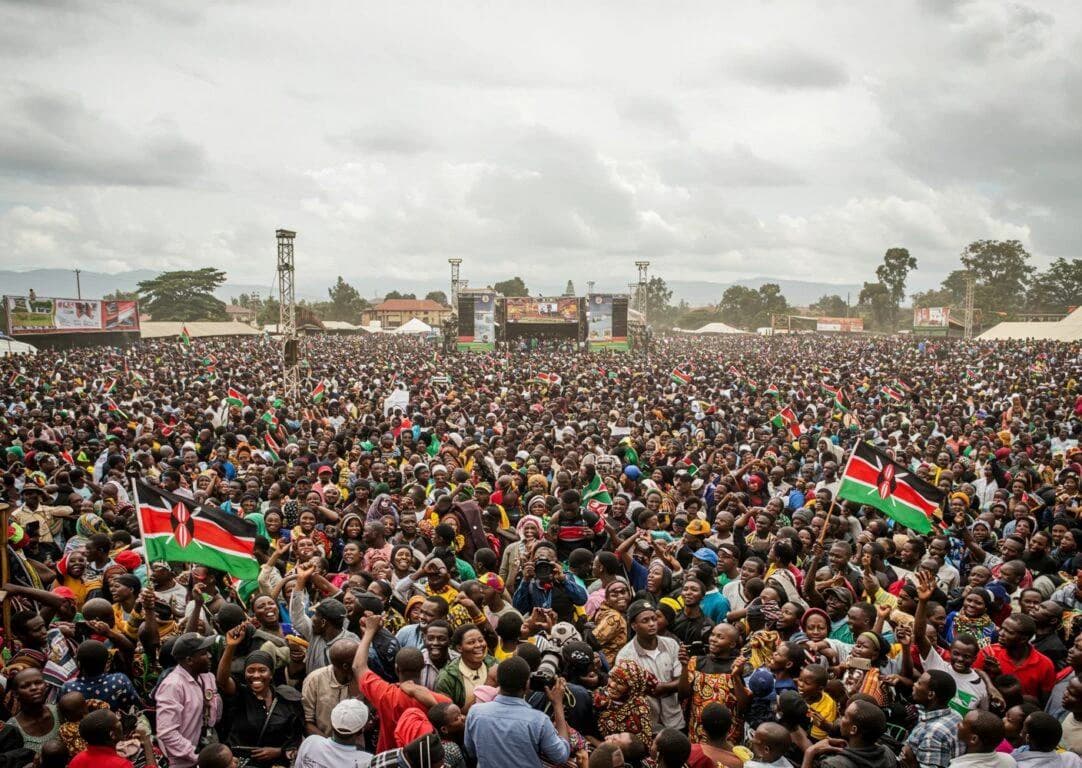



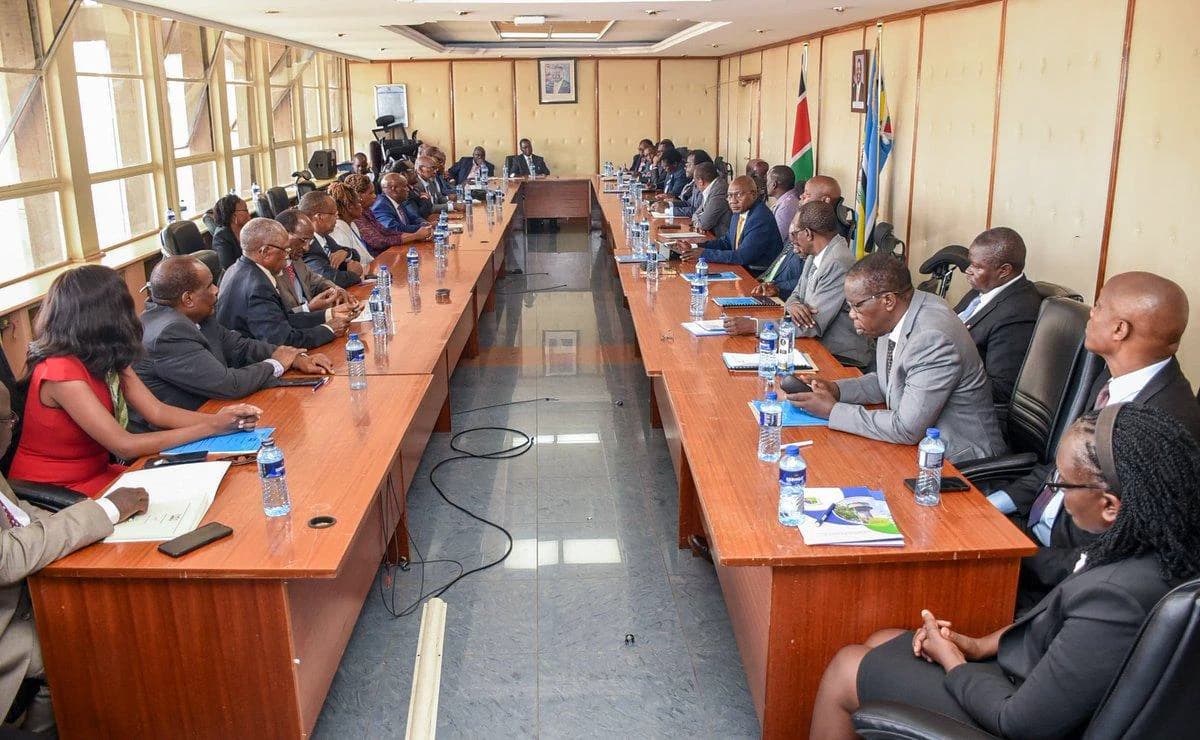
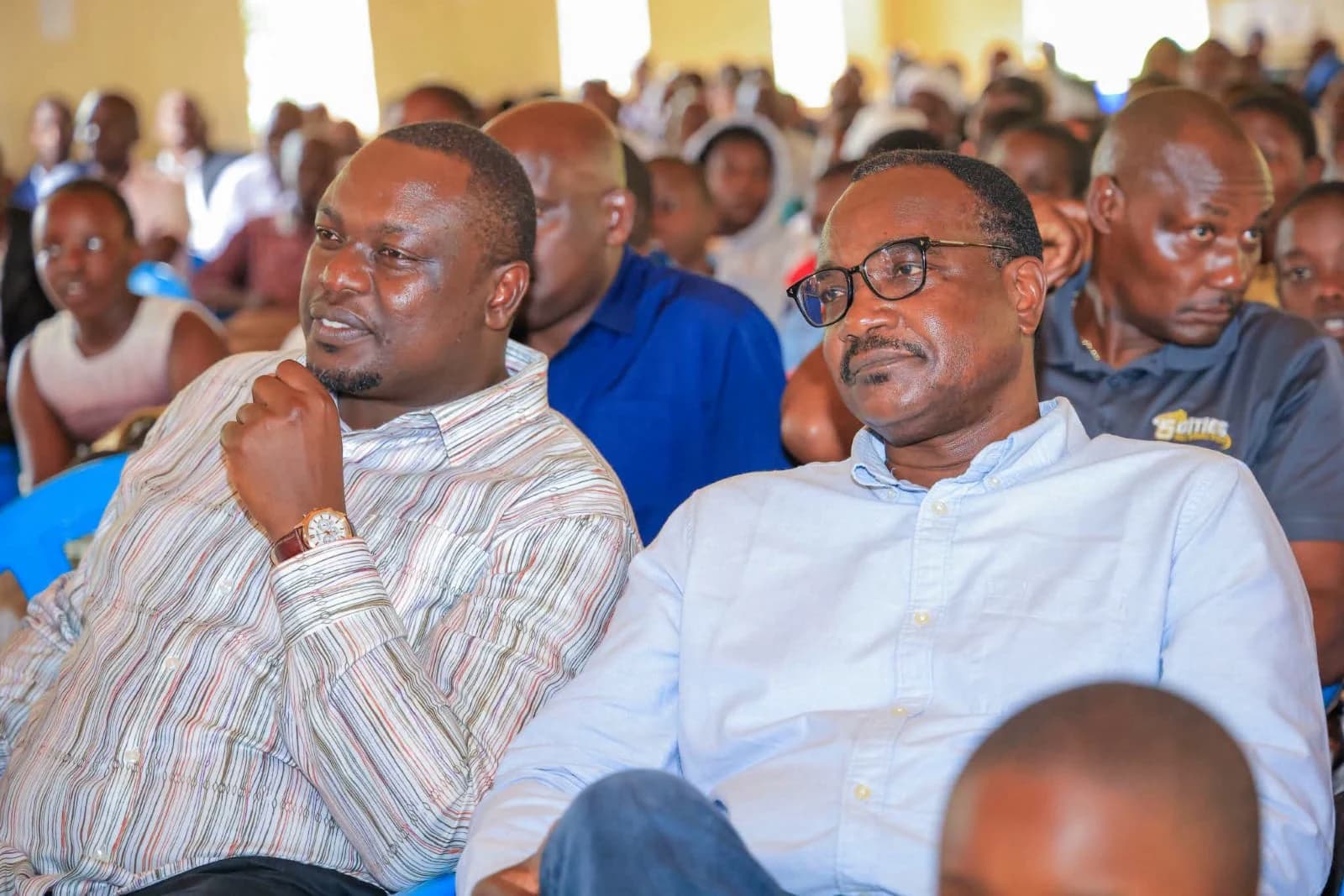




Kenya's political landscape is increasingly characterised by personality worship, political heroism and the dangerous tendency to elevate political leaders to positions they were never meant to occupy. Across the political divide, supporters sometimes speak about their preferred leaders with a devotion that borders on religious allegiance.
Some are convinced that a particular politician is the country's only hope, the ultimate solution to poverty, unemployment, corruption and economic hardship. Others defend their political leaders even when their actions contradict the very principles they publicly profess.
Perhaps the time has come to revisit a profound conversation recorded in Luke 9:18–21 and examine what it teaches us about political leadership, public opinion and the danger of misplaced trust.
In Luke 9:18, Jesus asks His disciples a question: "Who do the crowds say I am?"
The question is particularly relevant in a country where public perception often determines political fortunes. Kenyan politicians invest heavily in shaping public opinion. They employ communication teams, organise rallies, dominate media discussions and cultivate carefully constructed public images.
Some are presented as champions of the poor, others as defenders of particular communities, while others portray themselves as indispensable national rescuers. Political branding has become so powerful that the image of a leader sometimes matters more than the substance of their leadership.
In verse 19, the disciples report the different opinions circulating among the people. Some identify Jesus as John the Baptist, others as Elijah, while others consider Him one of the prophets of old.
Interestingly, although these descriptions recognise His extraordinary significance, they fail to capture His true identity.
This is where Kenya's political culture deserves serious reflection. We have become a nation that frequently discusses who our politicians are rather than critically examining what they stand for.
One community may regard a politician as a political liberator, another may consider the same individual a political opportunist, while others may see a visionary leader. Public opinion is often influenced by ethnicity, political loyalty, economic interests and the ability to manipulate public emotions.
A politician is a public servant, not a messiah
The problem arises when political supporters begin to confuse their leaders with their saviours.
No Kenyan politician, regardless of popularity, political experience, wealth or constitutional authority, possesses the capacity to save the nation from every challenge.
Political leaders can formulate policies, establish institutions, allocate resources and create opportunities. However, they cannot replace God, guarantee individual prosperity or permanently eliminate the human weaknesses that undermine society.
A politician is a public servant, not a messiah.
In Luke 9:20, Jesus turns the question directly to His disciples: "But what about you? Who do you say I am?"
Peter responds that Jesus is the Christ of God.
This is perhaps the most important question Kenyan voters should ask themselves about their political choices.
Beyond what political parties say, what campaign slogans promise and what supporters believe, what do we personally understand about the character, integrity, competence and accountability of the leaders we elect?
Do we evaluate leaders based on their performance or their political affiliations? Do we examine their development records or simply celebrate their generosity during campaign periods?
Do we demand accountability when they make questionable decisions, or do we manufacture excuses because they belong to our political camp?
A mature democracy requires citizens who can distinguish political loyalty from national responsibility.
Jesus' response in Luke 9:21 is equally instructive. He strictly commands His disciples not to publicise His identity at that particular moment.
His messianic mission was not about satisfying popular expectations or pursuing political popularity.
In the following verse, Luke 9:22, He explains that the Son of Man must suffer many things, be rejected, be killed and be raised on the third day.
This introduces a fundamental distinction between the expectations of the crowd and the actual purpose of His mission.
Leadership must be measured by service, not popularity
Kenyan political leadership often suffers from the opposite problem.
Some leaders appear more concerned about popularity than responsibility. They want applause without accountability, praise without scrutiny and political loyalty without questioning.
They make grand promises, distribute temporary assistance and construct public images of generosity while avoiding difficult conversations about sustainable development, responsible public expenditure and institutional accountability.
There is also a dangerous culture of political reward and political punishment.
Those who praise leaders are celebrated as loyalists, while those who question them are labelled enemies, political saboteurs or beneficiaries of rival political formations.
Such an environment discourages honest public debate and weakens democratic institutions.
Yet accountability is not betrayal. Questioning a political leader is not an act of hatred. It is a constitutional responsibility of an informed citizen.
Verse 21 also invites reflection on timing, purpose and humility.
Jesus did not seek premature public recognition because His mission was greater than popular acclaim.
Kenyan political leaders would do well to understand that leadership is not measured by the frequency of public appearances, the size of political rallies or the number of people chanting their names.
It is measured by the quality of decisions, the integrity of public service and the lasting impact of policies on ordinary citizens.
Equally important is the responsibility of religious leaders.
Churches must resist becoming political public-relations platforms. The pulpit should not be reduced to a campaign podium, and religious influence should never be used to manufacture unquestionable loyalty to political personalities.
Faith should strengthen moral accountability, not weaken it.
Kenya needs responsible leaders, not political saviours
Ultimately, Luke 9:18–21 reminds us that public opinion can be mistaken, personal conviction matters and identity must be distinguished from perception.
Kenya needs political leaders who understand that they are elected to serve, not to be worshipped.
It needs citizens who can appreciate good leadership without surrendering their critical judgment.
It needs churches that can pray for those in authority without becoming instruments of political manipulation.
The question is not whether our preferred politician is popular, powerful or politically influential. The question is whether their leadership reflects integrity, responsibility, justice and service.
Jesus asked His disciples, "But what about you? Who do you say I am?"
Kenya must ask a corresponding political question: What do we say about the leaders we elect and, more importantly, what does their record say about them?
A nation that turns politicians into messiahs will eventually discover the limitations of human power.
Political leaders come and go, governments change, political promises expire, but the nation remains.
Our ultimate hope must never be placed in political personalities.
Kenya needs responsible leadership, not political saviours.
The writer is a teacher of English and Literature and writes on education and social affairs.

Reader Discussion (0)
Sign in to comment