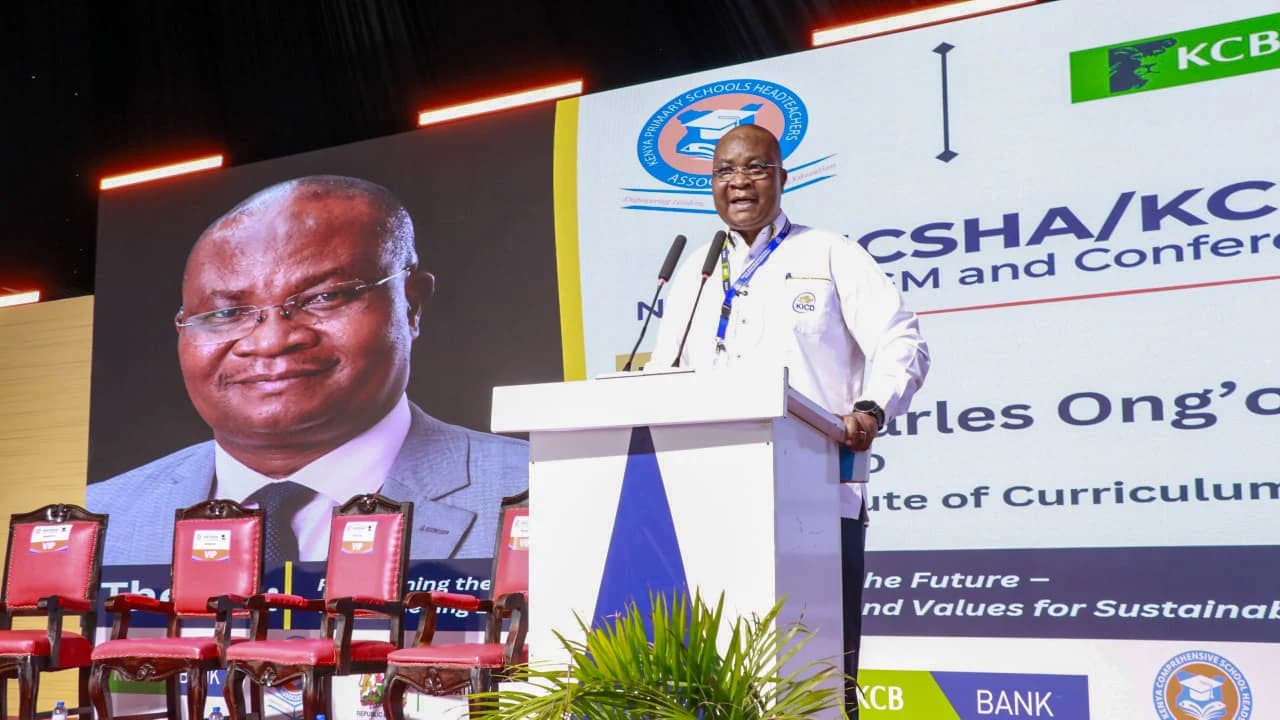
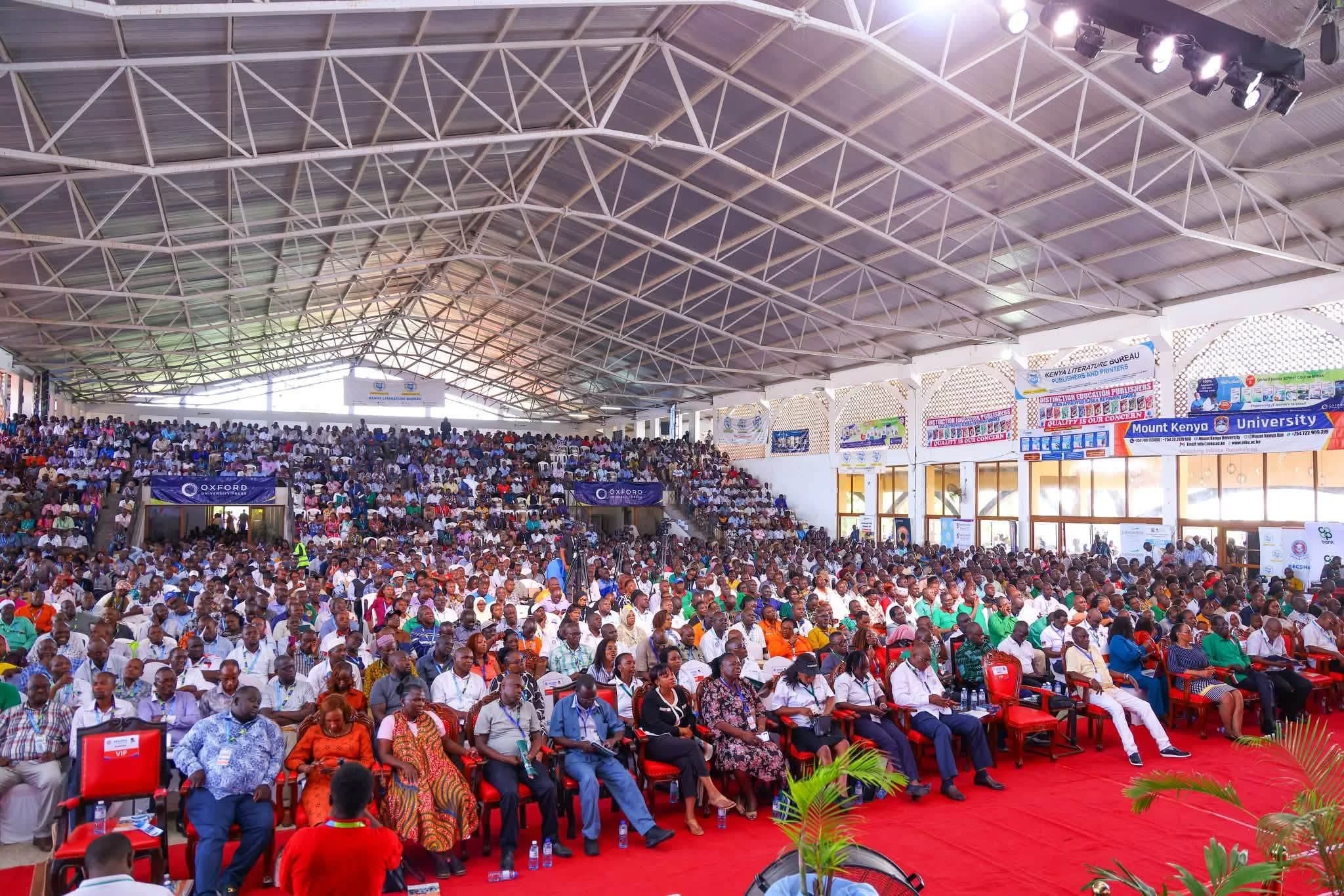

As school heads converge in Mombasa, the biggest test of the 2026 conference is not how many delegates attend or how many powerful speeches are delivered, but whether the education sector can finally move beyond repetitive discussions and implement practical decisions that improve schools.
The 2026 Kenya Comprehensive Schools Heads Association (KECSHA) conference should be more than another national gathering of school administrators, government officials and education stakeholders. It should be an occasion for honest reflection, institutional accountability and a serious reassessment of why some of the challenges discussed in previous conferences continue to confront school heads.
For years, headteachers have travelled to Mombasa to deliberate on issues affecting education, exchange professional experiences and present recommendations to policymakers. These engagements have undoubtedly contributed to national conversations on education reforms. However, an uncomfortable question must now be asked: what has happened to the resolutions adopted in previous years?
It is difficult to celebrate the success of successive conferences when school heads continue to raise familiar concerns about inadequate capitation, teacher shortages, infrastructure deficiencies, promotions, remuneration and the difficulties of implementing curriculum reforms.
The problem is not necessarily a shortage of ideas. Kenya's education sector has no shortage of recommendations, policy discussions or conference declarations. The more fundamental problem is the apparent disconnect between what delegates resolve and what the relevant institutions subsequently implement. This is where the 2026 conference must demonstrate a different approach.
A national conference cannot claim lasting success merely because it attracts thousands of delegates, prominent government representatives and extensive media coverage. Attendance demonstrates interest, but implementation demonstrates impact. Speeches may inspire school administrators, but tangible reforms are what ultimately improve the learning environment.
There is little justification for repeatedly placing the same issues on conference agendas without first establishing what happened to previous recommendations. If teacher shortages were discussed in earlier meetings, delegates should be informed about the progress made, the remaining staffing gaps and the obstacles preventing their resolution. If school financing has featured prominently in previous deliberations, the conference should examine whether government allocations reflect the actual cost of running institutions.
Otherwise, annual discussions risk becoming predictable exercises in expressing dissatisfaction without securing meaningful change. The 2026 conference must therefore demand an account of previous resolutions before generating another collection of recommendations.
Teacher welfare provides a particularly important example. Teachers are expected to implement ambitious curriculum reforms, manage increasingly demanding classrooms, integrate technology and attend to the diverse needs of learners. Yet concerns about career progression, deployment, professional development and remuneration continue to feature prominently in education discussions. It would be unreasonable to demand excellent learning outcomes while overlooking the working conditions of the professionals responsible for delivering them.
KECSHA should therefore use its national platform to present well-documented concerns to the Teachers Service Commission (TSC) and demand practical responses. The objective should not be confrontation between school administrators and policymakers, but a constructive relationship in which professional concerns receive attention and commitments are followed by action.
The transition to comprehensive schools and the implementation of Competency-Based Education (CBE) also demand a more realistic conversation. Policy ambitions must be matched by adequate staffing, infrastructure, learning materials and teacher preparedness.
It is not enough to introduce reforms and expect school heads to make them work under whatever circumstances they encounter. Those managing institutions must be involved in policy discussions because they understand operational difficulties that may not be apparent from government offices.
The same argument applies to school funding. Headteachers are held responsible for the management of institutions, yet their ability to discharge those responsibilities depends heavily on the availability and timely release of financial resources. A conference that discusses accountability without interrogating the adequacy and reliability of school financing would be addressing only one side of the problem.
KECSHA must also recognise that not every challenge can be resolved through government intervention alone. School heads themselves must embrace professional accountability, prudent financial management, transparency, responsible leadership and the protection of learners. Demanding reforms from government must go hand in hand with demonstrating accountability within individual institutions.
Another weakness the 2026 gathering should confront is the tendency to adopt ambitious resolutions without considering their financial, legal and administrative implications.
A resolution is not automatically practical simply because delegates support it. Some proposals require additional funding, legislative changes or coordination between several government agencies. Others can be implemented through administrative adjustments and better institutional management.
The conference should therefore prioritise recommendations according to urgency, feasibility and potential impact on learners and teachers. It should distinguish between immediate interventions and long-term reforms, rather than presenting every demand as though it can be implemented simultaneously.
More importantly, every major resolution should identify the institution responsible for implementation, the expected completion period, the resources required and the mechanism for monitoring progress. Without these elements, resolutions remain expressions of good intentions rather than instruments of institutional change.
KECSHA should also consider establishing a permanent resolutions-monitoring framework that evaluates previous decisions and publishes progress reports before subsequent conferences. Such a mechanism would prevent important recommendations from disappearing into conference records once delegates return to their respective institutions.
The Ministry of Education, the TSC, the Kenya Institute of Curriculum Development (KICD) and other relevant agencies should be encouraged to provide formal responses to recommendations falling within their mandates. This would transform the conference from an annual event into a continuous platform for engagement between school leaders and education policymakers.
Ultimately, the 2026 Mombasa conference must appreciate that its credibility will be determined by the extent to which it addresses the distance between policy declarations and classroom realities.
Kenyan schools do not need another impressive collection of speeches promising better infrastructure, improved teacher welfare, adequate funding and successful curriculum implementation. They need decisions that can be implemented, commitments that can be monitored and institutions willing to account for their performance.
The most successful conference is therefore not necessarily the one with the largest attendance or the most celebrated dignitaries. It is the one that leaves behind measurable improvements in the institutions represented.
Mombasa 2026 must be remembered not for what delegates promised to do, but for what the education sector actually delivered after the conference ended.


Reader Discussion (0)
Sign in to comment