
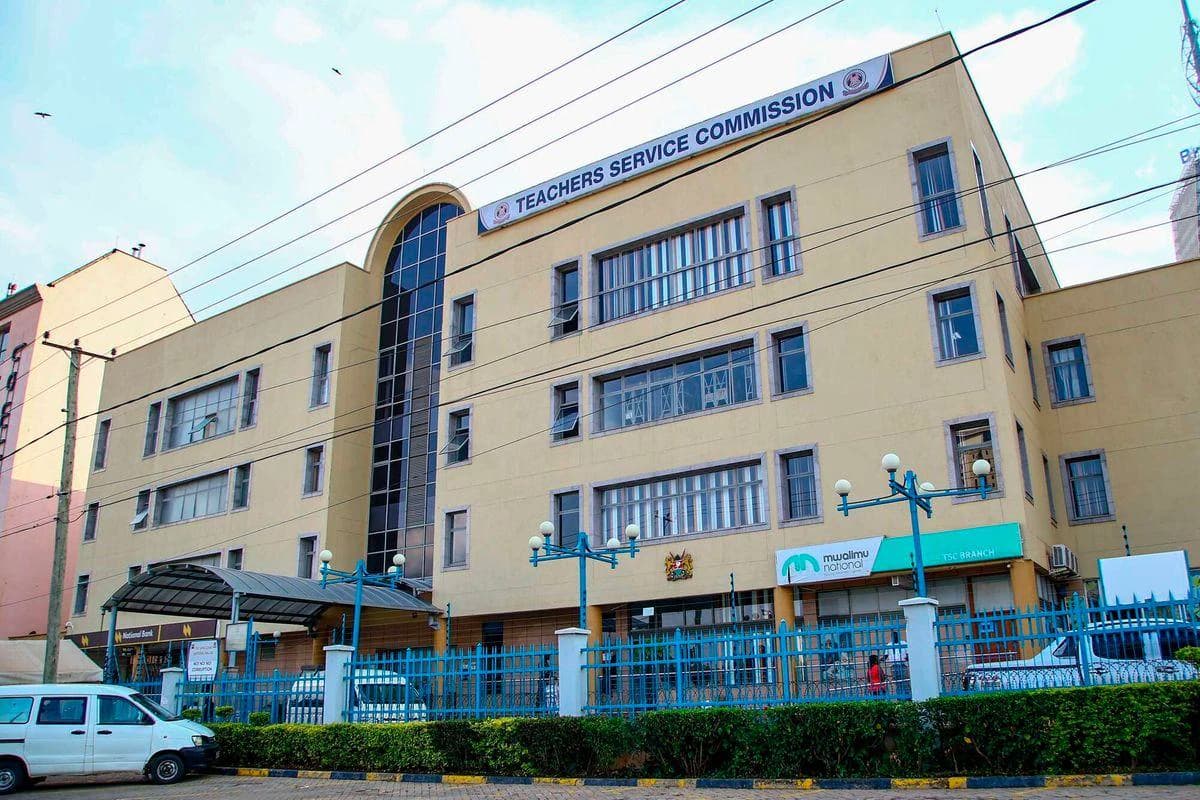







Education stakeholders in Nandi County have raised concern over the prolonged stay of some primary school headteachers in their stations, blaming the Teachers Service Commission (TSC) for failing to effect timely transfers and promote leadership renewal.
Speaking to Education News in Kapsabet, the stakeholders claimed that some headteachers have remained in the same stations for more than 10 years. They alleged that some have stayed so long that they have become redundant.
The stakeholders described the trend as unhealthy for school administration. They further claimed that some headteachers have served in the same schools from the time they were employed until retirement, spending their entire careers in one institution without a change of station.
They questioned why the TSC had not taken deliberate steps to facilitate the movement of headteachers who have served in the same institutions for extended periods.
The stakeholders argued that a prolonged stay in one institution could undermine institutional growth, limit the introduction of fresh ideas and make school leadership less responsive to changing educational needs.
They said school leadership requires periodic renewal to expose administrators to different working environments, encourage professional growth and promote the sharing of best practices across institutions.
They added that transferring headteachers could help address leadership stagnation while allowing other qualified teachers to take up administrative responsibilities.
They also noted that long stays in one station may create administrative comfort zones, potentially affecting innovation, accountability, and the adoption of new approaches to school management.
The stakeholders called on the TSC to review its deployment and transfer practices, particularly for primary school headteachers who have spent unusually long periods in one institution.
They maintained that although continuity in school leadership is important, excessive tenure without opportunities for professional exposure and institutional change could have unintended consequences.
They also called for greater transparency in transfer decisions to ensure that deployment is guided by institutional needs, fairness, professional development and the interests of learners.
While acknowledging that transfers must consider staffing levels, family circumstances, institutional stability and other administrative factors, they maintained that no school should become a permanent station for an individual administrator without periodic consideration of leadership renewal.
The implementation of Competency-Based Education (CBE) has increased the responsibilities of school heads, who are expected to provide instructional leadership, support teachers, monitor curriculum delivery, promote learner-centred approaches and ensure effective school management.
Against this background, the stakeholders believe school leadership should remain dynamic and responsive to emerging educational demands. They argued that exposing headteachers to different school environments could broaden their administrative experience and strengthen their capacity to manage diverse educational challenges.
They stressed, however, that leadership renewal should not be viewed as a rejection of experienced administrators. Rather, it should be seen as a way of balancing institutional continuity with professional growth and innovation.
The stakeholders want the TSC to explain its approach to managing the tenure and deployment of school heads, particularly where administrators have remained in one station for more than a decade.
The concerns have reignited the wider debate on school leadership, professional mobility and the role of the TSC in ensuring effective administration of public learning institutions. The commission is yet to respond to the concerns. Education News has sought its comment.




Reader Discussion (0)
Sign in to comment