Tribalism is facing renewed scrutiny in Kenya's education sector, with teachers raising concerns about ethnic exclusion in school staffrooms, the selection of administrators, career promotions and organisations established to represent their interests.
Allegations circulating on social media describe teachers posted outside their home counties facing hostility, social isolation and unequal treatment from colleagues who allegedly operate within ethnic networks. Some educators also question whether previous school leadership appointments and promotion opportunities have consistently reflected merit, fairness and Kenya's ethnic diversity.
The concerns are extending to teachers' unions, professional associations and social ventures, where questions have emerged about ethnic representation in leadership, decision-making and access to opportunities.
At the centre of the debate is the Teachers Service Commission (TSC), whose Code of Conduct expressly prohibits tribalism, discrimination, nepotism and favouritism among teachers.
Teachers now want more than regulations on paper. They want impartial investigations, transparent appointments, fair promotions and professional environments where an educator's ethnic background does not determine their acceptance, influence or career prospects.(Education News Kenya — https://educationnews.co.ke/news/tribalism-in-education-teachers-question-ethnic-bias-in-staffrooms-leadership-appointments-and-promotions)
Although the allegations have not been independently established against particular schools, officials or organisations, they raise fundamental questions about equality and accountability in a profession expected to unite communities through education.
Tribalism is not always expressed through open hostility or direct confrontation. It can manifest itself through subtle workplace practices that gradually undermine professional relationships and institutional unity.
One warning sign is the emergence of ethnic cliques in which teachers from one community consistently associate with one another while keeping colleagues from other backgrounds at a distance. For a teacher transferred to an unfamiliar county, this can make integration difficult, especially when established social networks determine who receives information, assistance and informal support.
Another concern is the deliberate use of vernacular languages to exclude colleagues from conversations concerning official school business. While teachers are free to communicate in their mother tongues during informal interactions, deliberately excluding others from important discussions can undermine transparency and teamwork.
Some educators also report receiving a cold reception after being transferred to schools outside their home counties. Instead of being welcomed and assisted to settle into their new working environments, they allegedly encounter indifference, hostility or an atmosphere that makes them feel unwanted.
Selective communication can further deepen divisions. When administrative announcements, professional opportunities and important school developments circulate within particular social networks before reaching other members of staff, some educators may find themselves disadvantaged.
Questions also arise when certain teachers consistently receive favourable responsibilities, leadership opportunities or administrative consideration while colleagues believe their professional contributions are overlooked.
Ethnic stereotyping, derogatory remarks, ridicule of accents and offensive jokes about particular communities can create an intimidating environment. In some instances, the alleged exclusion extends to staff celebrations, social gatherings, professional discussions and informal networks that help teachers develop a sense of belonging.
The situation becomes particularly troubling when teachers who challenge discriminatory practices are labelled difficult, threatened with victimisation or discouraged from pursuing formal complaints.
These behaviours should be assessed in context. Friendship groups, cultural associations and the use of mother tongues are not automatically evidence of tribalism. The critical issue is whether ethnicity is being used to deny colleagues equal treatment, dignity, participation or professional opportunities.
The concerns are also extending to the selection and appointment of school administrators. Teachers speaking to education news outlets have questioned whether previous selection exercises adequately reflected Kenya's ethnic diversity and constitutional principles of equal opportunity.
Some educators want greater scrutiny of the composition of school leadership structures, arguing that appointments to influential administrative positions should be based on professional qualifications, experience, performance and suitability rather than ethnic connections.
The concerns touch on positions such as principals, deputy principals, heads of departments and other administrative responsibilities that carry considerable influence over institutional decisions and the working environment. School administrators play a central role in determining how responsibilities are distributed, how staff grievances are handled and whether teachers from different backgrounds feel respected within their institutions.
Consequently, questions about ethnic representation in leadership appointments have become part of the wider discussion about fairness in the education sector. Teachers want assurance that eligible candidates from different communities have equal opportunities to compete for leadership positions and that selection panels apply consistent, transparent criteria.
However, claims of ethnic imbalance or preferential treatment require documentary evidence, including appointment records, regional distribution and the criteria applied during selection. A concentration of appointments from particular communities does not, on its own, establish discrimination.
The TSC is therefore expected to demonstrate that school leadership appointments are competitive, transparent and consistent with constitutional requirements.
The debate has also extended to promotions, with some educators questioning whether opportunities for career advancement are distributed fairly across communities and geographical regions.
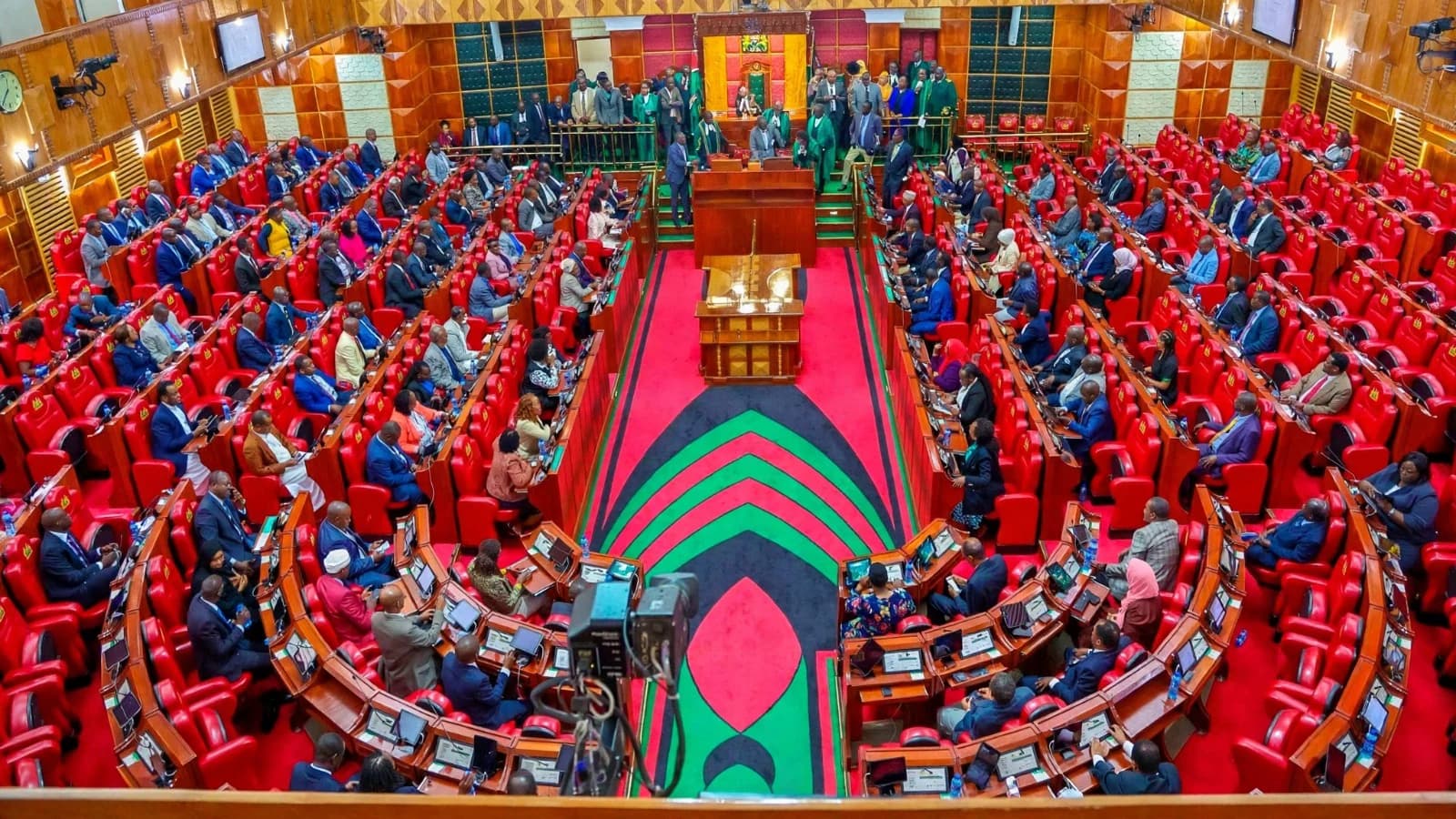
In May 2025, parliamentary scrutiny of TSC promotions raised questions about the ethnic distribution of teachers elevated during the January promotion exercise, which involved 25,252 teachers. Members of Parliament reportedly questioned an analysis presented to the committee indicating that five ethnic communities accounted for more than 60 per cent of those promoted. The committee sought a breakdown of the promotions by region, sub-county and ethnic representation.
While such figures can justify further scrutiny of representation, they do not independently establish that individual promotions were discriminatory.
The Commission maintains that promotions are conducted through advertised vacancies, applications and scored interviews guided by its Career Progression Guidelines.
Article 232 of the Constitution requires public service appointments and promotions to be based on fair competition and merit while ensuring representation of Kenya's diverse communities. Teachers therefore expect the Commission to demonstrate that qualifications, experience, performance and eligibility remain central to career advancement.
The broader concern is whether all eligible teachers can compete on equal terms without personal connections, ethnic patronage or other irrelevant considerations influencing the outcome.
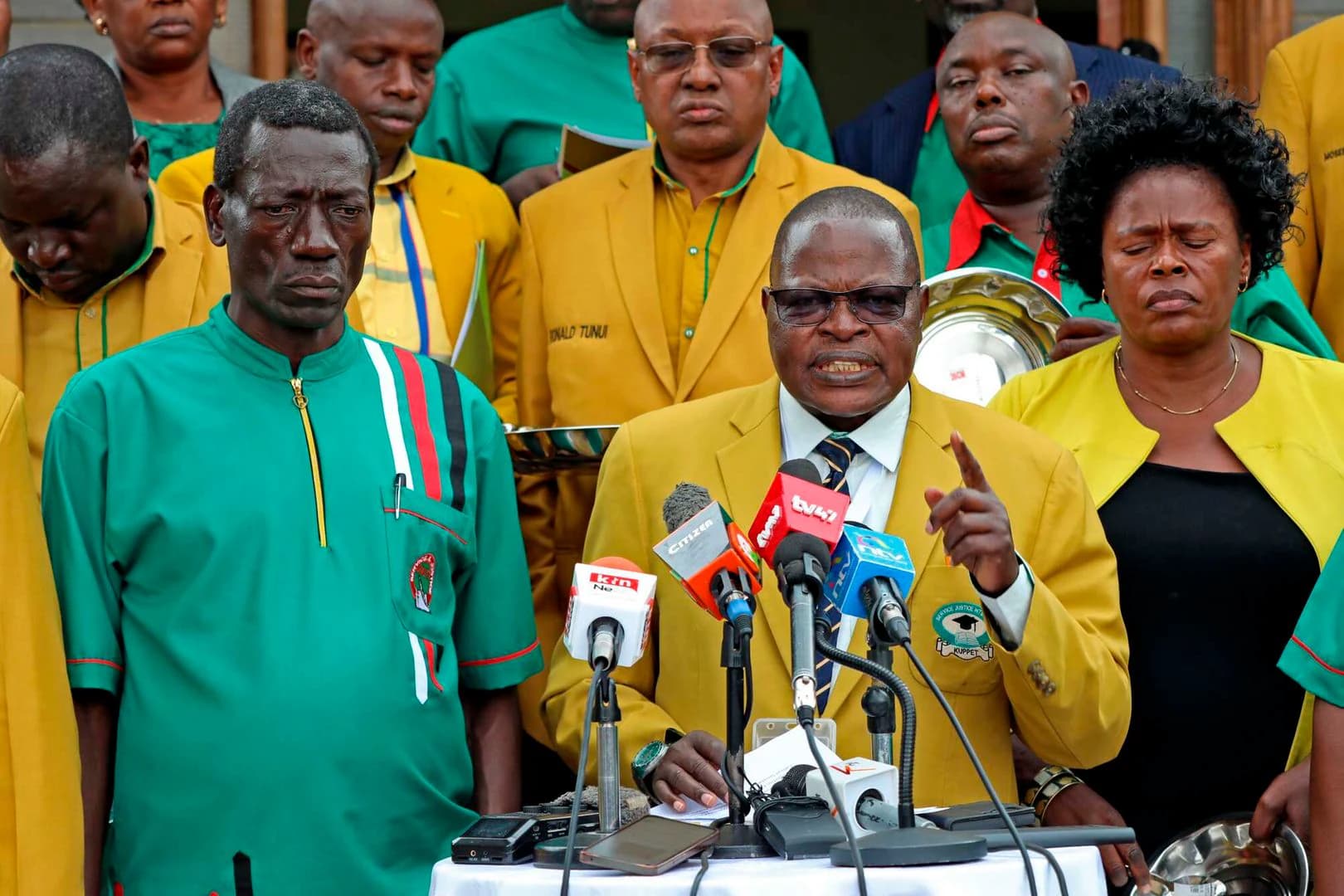
The debate is no longer confined to institutions directly managed by TSC. Questions are also being raised about the ethnic inclusivity of teachers' unions, professional associations and social ventures established to advance educators' welfare.
Some teachers are questioning whether the leadership and decision-making structures of these organisations adequately reflect Kenya's ethnic diversity. Particular attention is being drawn to organisations whose visible leadership, influential committees and networks of decision-makers appear concentrated among individuals from particular communities.
There are also questions about whether teachers from different backgrounds enjoy equal opportunities to participate in investment initiatives, access membership benefits, occupy leadership positions and influence organisational decisions.
Teachers' unions are established to champion the collective interests of educators, including better remuneration, improved working conditions, professional recognition and protection of employment rights. Their responsibility should therefore extend beyond collective bargaining to include fairness, transparency and inclusivity within their own structures.
The same expectations apply to teacher-oriented social ventures and investment organisations. Their leadership and membership opportunities should be governed by transparent procedures that allow educators from different communities to participate without discrimination.
However, ethnic composition alone cannot establish exclusion or wrongdoing. Such concerns require examination of membership records, leadership selection procedures, participation opportunities and the actual distribution of organisational benefits.
An organisation advocating equality in the workplace should also demonstrate those principles in its internal operations.
Kenya's constitutional framework provides clear safeguards against discrimination based on ethnicity, language and social origin. Article 27 guarantees equality and freedom from discrimination, while Article 232 establishes the principles of public service, including professional ethics, fair competition, merit and representation of Kenya's diverse communities.
The TSC Code of Conduct and Ethics for Teachers, 2015, also addresses professional behaviour. Regulation 7(2) prohibits discrimination on grounds including ethnic origin, culture and language. Regulation 8 identifies tribalism, nepotism, favouritism, cronyism and religious bias as unacceptable professional conduct. Regulation 10 requires teachers to discharge their responsibilities impartially without allowing personal, family or social relationships to influence professional decisions.
These provisions establish that teachers have an obligation to maintain professional relationships and respect colleagues regardless of their ethnic identities. Where discrimination is established, the conduct may attract disciplinary consequences under the applicable professional and legal framework.
The use of mother tongues in staffrooms has also become part of the discussion.
Speaking a preferred language during informal conversations is not, by itself, a disciplinary offence. Teachers retain their cultural identities and freedom to communicate in their mother tongues.
The problem arises when language is deliberately used to exclude colleagues from official discussions, conceal important information or undermine their participation in workplace decisions. Professional meetings, administrative briefings and discussions affecting the entire teaching staff should be conducted in a manner that allows everyone concerned to understand and contribute.
The objective is not to prohibit cultural expression but to prevent language from becoming an instrument of discrimination.
The consequences of workplace tribalism can extend far beyond disagreements between colleagues.
A teacher who feels unwelcome in a school may struggle to develop professional relationships, participate confidently in staff activities or contribute fully to institutional decision-making. Persistent exclusion can undermine morale, weaken teamwork and create unnecessary tension among educators who should be working towards common educational objectives.
It can also discourage teachers from accepting transfers to certain regions, particularly where reports of hostility and ethnic divisions become widespread.
Schools depend on collaboration between teachers, administrators, support staff, parents and learners. An ethnically divided staffroom can weaken that cooperation and ultimately affect the learning environment.
The teaching profession should provide a common platform where educators are united by their responsibility to learners rather than divided by their communities of origin.
Teachers experiencing ethnic discrimination should document specific incidents and pursue formal complaint channels rather than relying exclusively on social media.
The Teachers Service Commission provides an avenue for reporting professional misconduct and workplace grievances. Complaints should identify the alleged conduct, individuals involved, dates, witnesses and available supporting evidence.
The National Cohesion and Integration Commission handles complaints involving ethnic discrimination, harassment and violations of national cohesion laws. Teachers can also seek assistance from their unions and professional representatives when pursuing workplace grievances.
Where complaints involve maladministration or unfair administrative treatment, the Commission on Administrative Justice may provide another avenue for intervention. Educators who believe their employment rights have been violated can also seek appropriate legal remedies through the Employment and Labour Relations Court.
The National Cohesion and Integration Act prohibits ethnic discrimination in employment and provides that no public establishment should have more than one-third of its staff drawn from one ethnic community.
Teachers who experience victimisation should preserve relevant evidence, including written communication, witness accounts and records of discriminatory decisions. They should also seek appropriate protection against retaliation.
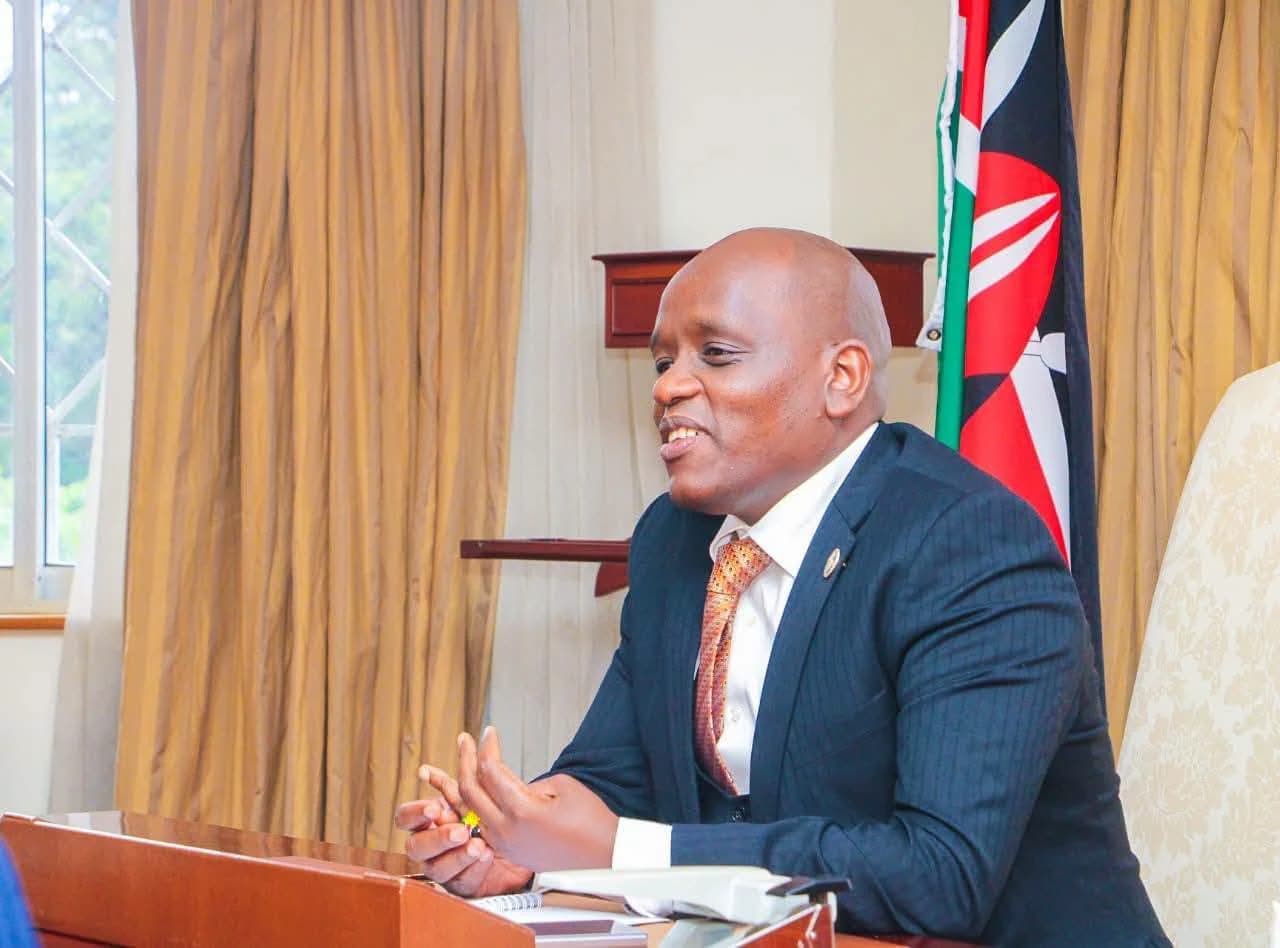
The allegations present an important test for the Teachers Service Commission under its new Chief Executive Officer, Cheptumo Ayabei.
Teachers expect the Commission to ensure that professional qualifications, experience, performance and merit determine workplace opportunities rather than ethnic connections. There are growing expectations for more effective complaint-handling mechanisms, particularly where allegations involve school heads or county-level officials who ordinarily participate in forwarding teachers' grievances.
TSC could strengthen confidence by ensuring that complaints are handled independently, investigations are conducted impartially and teachers who report misconduct are protected against victimisation. The Commission also has an opportunity to strengthen professional sensitisation programmes to remind teachers and administrators that ethnic discrimination, exclusion and intimidation have no place in public service.
Equally, teachers' unions, associations and social ventures should examine their own leadership and participation structures to demonstrate that their commitment to fairness goes beyond public statements.
Ultimately, a school should be a professional environment where teachers from every part of Kenya can work together without fear of discrimination, intimidation or exclusion. A teacher posted thousands of kilometres from home should not be made to feel like a stranger in an institution established to serve Kenyan children. Neither should an educator have to belong to a particular ethnic community to enjoy recognition, representation, leadership opportunities or access to professional benefits.
The question facing the education sector is no longer simply whether regulations against tribalism exist. It is whether the institutions entrusted with protecting teachers are prepared to enforce those regulations consistently, investigate complaints impartially and guarantee equal opportunities.
National unity must begin in the very institutions entrusted with shaping the country's future. Kenya's staffrooms should be centres of professional cooperation, not ethnic competition.









Reader Discussion (0)
Sign in to comment