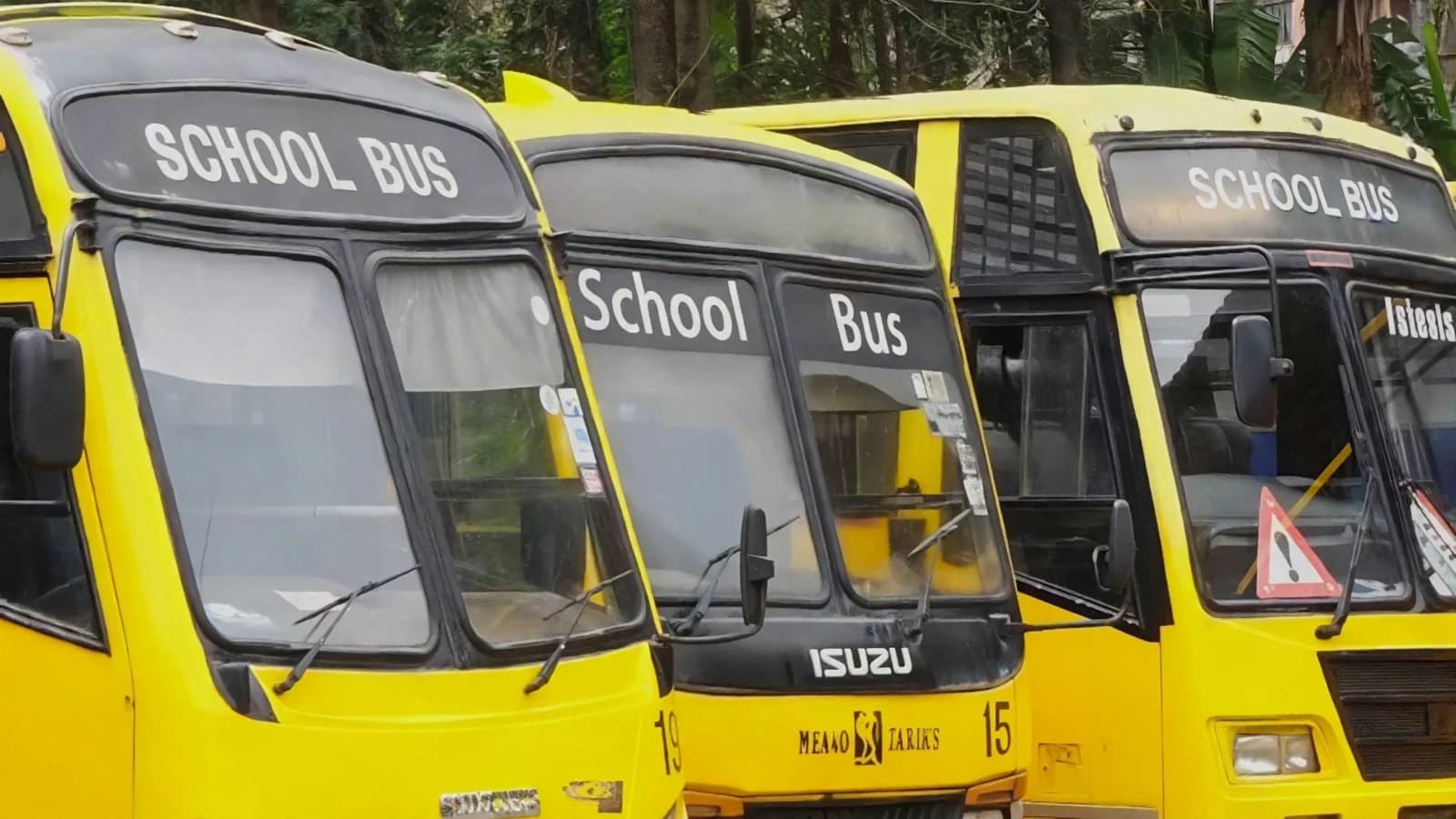
School bus drivers are the invisible engine of Kenya's education system. They rise before dawn to deliver learners, examination papers and sports teams, yet they remain among the most exploited workers in our schools.
Today, as the KCSE examinations and political campaigns peak, these drivers face an impossible dilemma: obey the principal, obey the politician, or obey the law.
The most dangerous trend is the growing misuse of buses bought by parents or donated by well-wishers to ferry political supporters to rallies. In some schools, principals and Boards of Management authorise such hires to earn extra cash or to please political patrons. In the process, they drag schools into partisan conflicts.
Political convoys are volatile. Buses get stoned, vandalised or impounded. Parents ultimately pay for repairs through extra levies, but it is the driver whose life is put at risk at roadblocks and in hostile crowds. A driver who refuses is labelled disobedient, while one who complies risks his life and licence.(Education News Kenya — https://educationnews.co.ke/news/school-buses-are-not-campaign-vehicles-lets-protect-our-drivers)
This practice directly violates the National Transport and Safety Authority (NTSA) guidelines, which require drivers to be medically fit and properly licensed with a PSV badge, vehicles to be roadworthy with functional speed limiters, and every child to be belted. How can a driver comply when ordered to overload a bus with chanting supporters, drive overnight without rest, or use panya routes to evade police?
The abuse does not end on the highway. In many schools, drivers are assigned personal errands such as carrying building materials, farm produce or family members. Some are forced to drive their bosses to odd places at odd hours and spend nights in lodgings under demeaning conditions. Reports of sexual harassment are said to be widespread but are silenced by fear of dismissal. In other cases, buses are deliberately grounded or sold to render a driver jobless without due process.
Most drivers work for years without contracts, earn below the minimum wage, lack insurance and medical cover, and operate poorly maintained vehicles. When disputes arise, they end up in the Employment and Labour Relations Court, where judgments have exposed underpayment, long working hours, exploitation, victimisation, unpaid overtime and unfair dismissal of school bus drivers.
The law is not lacking. The Employment Act, 2007, the Labour Institutions Act, the Basic Education Act, 2013, the Occupational Safety and Health Act and the Work Injury Benefits Act all protect workers. What is lacking is enforcement.
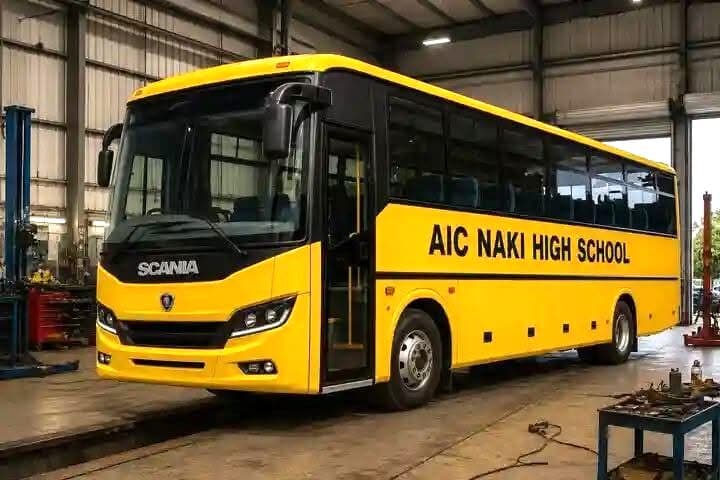
The Ministry of Education must act now. It should first ban the use of school buses for political rallies and private business, with clear sanctions for offending principals. A school bus is a classroom on wheels, not a campaign truck. It should then enforce written contracts, statutory minimum wages, overtime pay and protection against arbitrary deductions for vehicle damage. Finally, it should guarantee roadworthiness, insurance and NTSA compliance for all school transport, and ensure that drivers are assigned only duties within their job description.
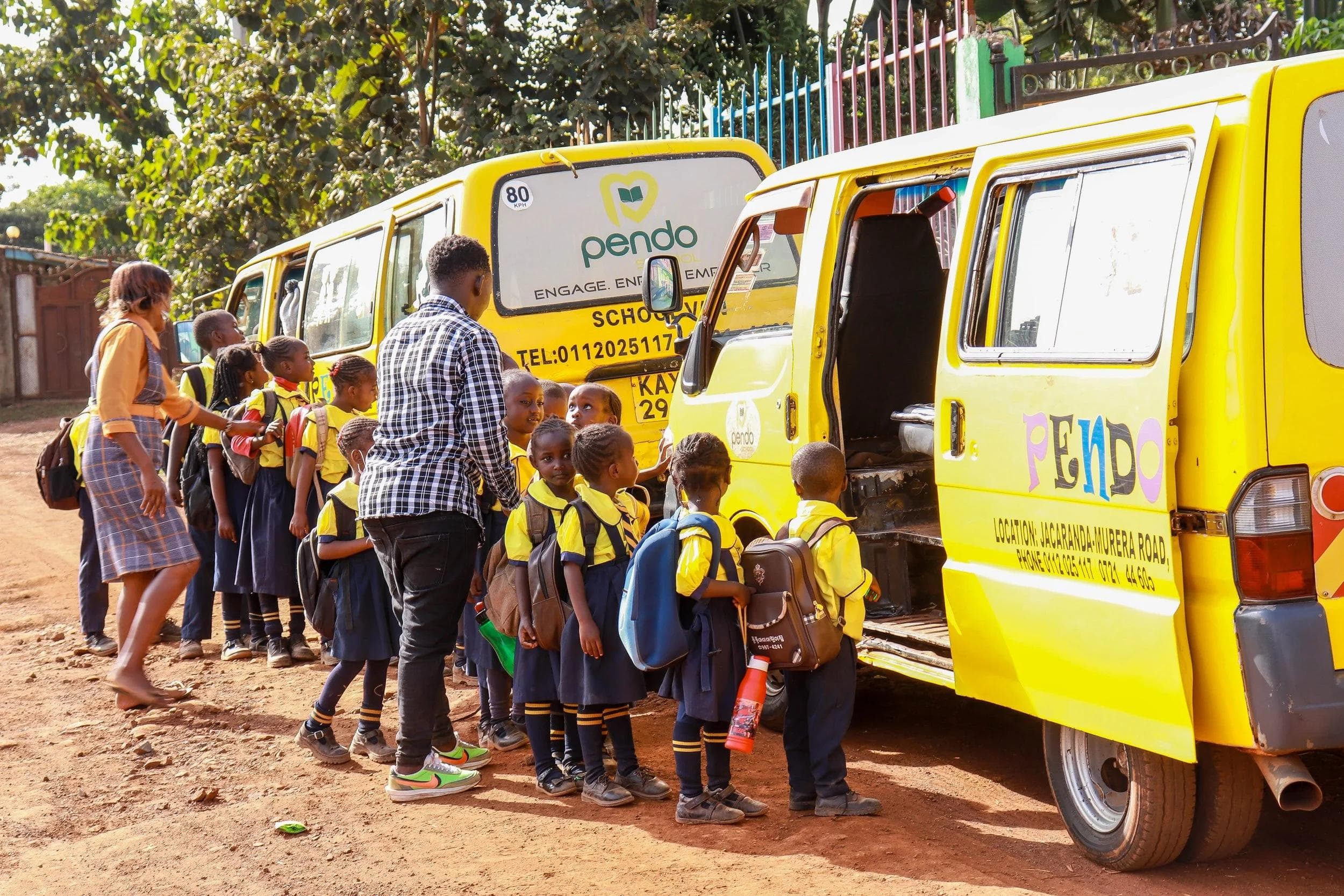
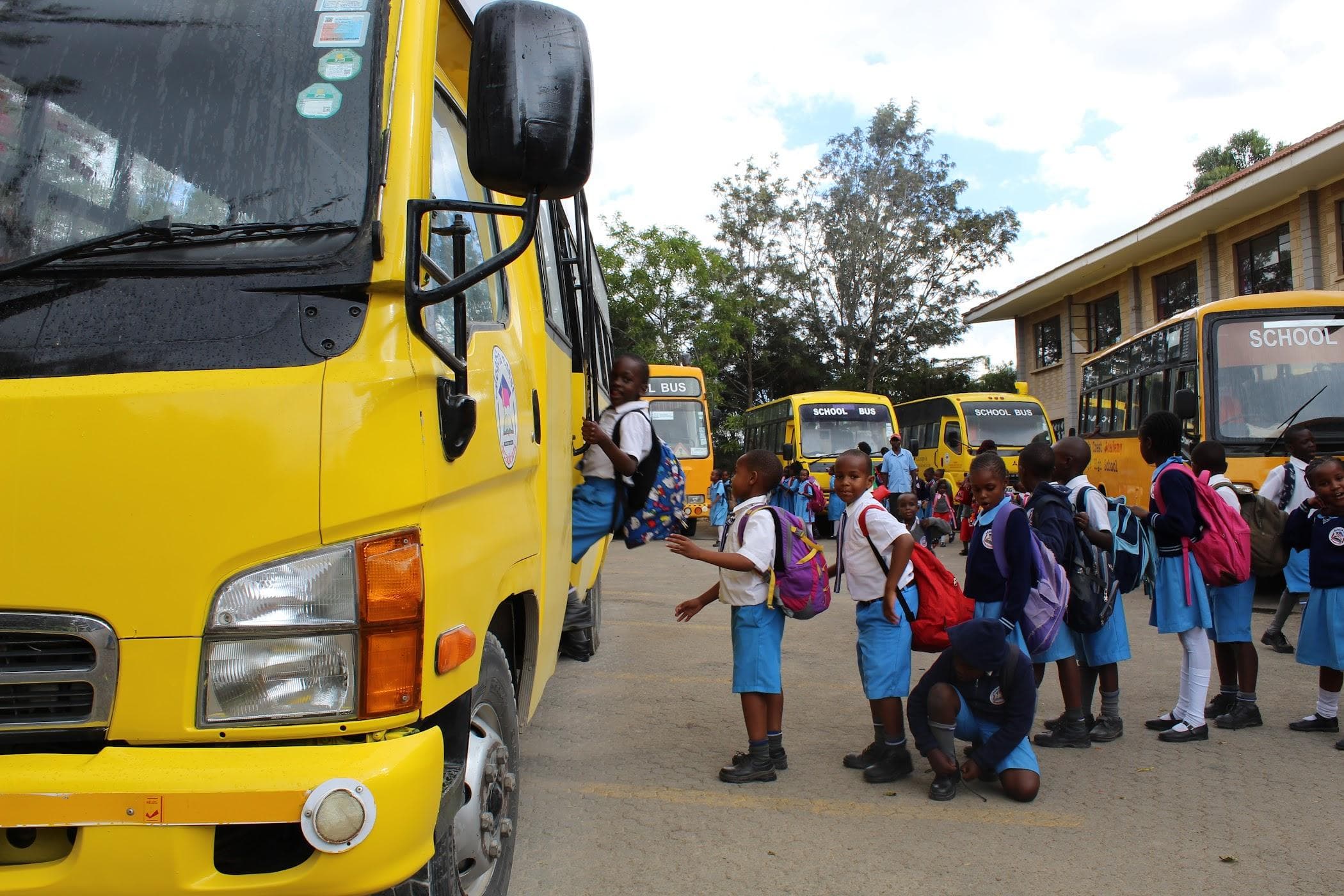
If we protect the driver, we protect the child. If we misuse the bus, we betray public trust and compromise the safety and neutrality of our schools. It is time to return school buses to their core mandate: the safe transportation of learners.
David Maina is the organising Secretary, Kenya Union of Secondary Schools Non-Teaching Staff (KUSSNTS)






Reader Discussion (0)
Sign in to comment