




But in Samburu East, traditional elders are now taking a different path, declaring their support for an alternative that preserves cultural identity without subjecting girls to cutting.
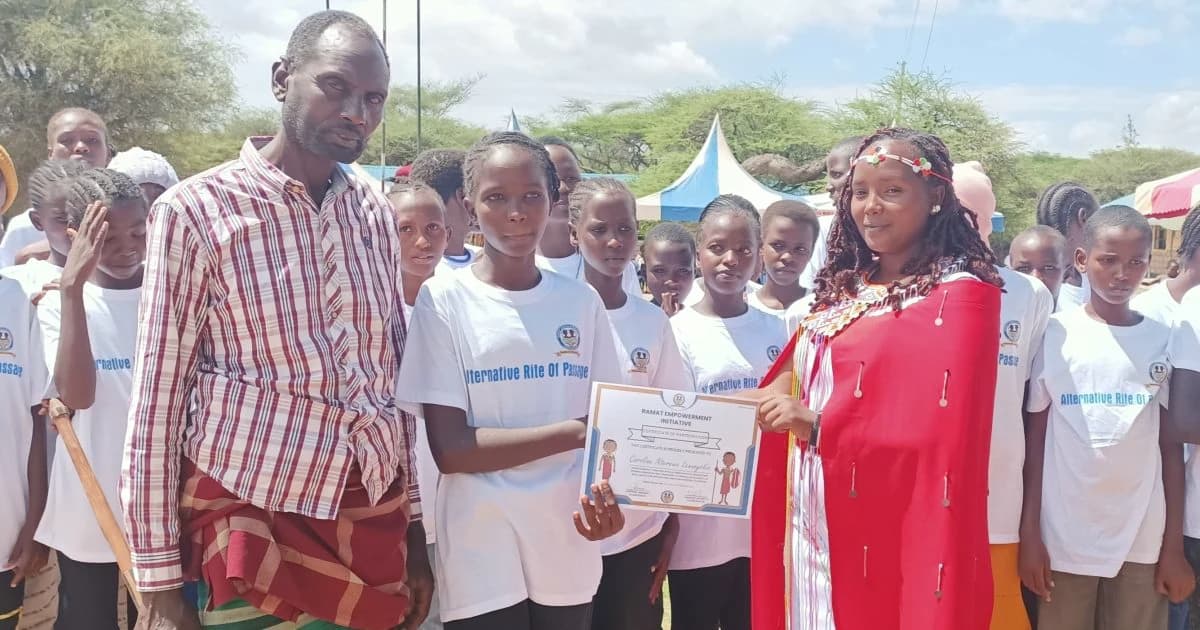
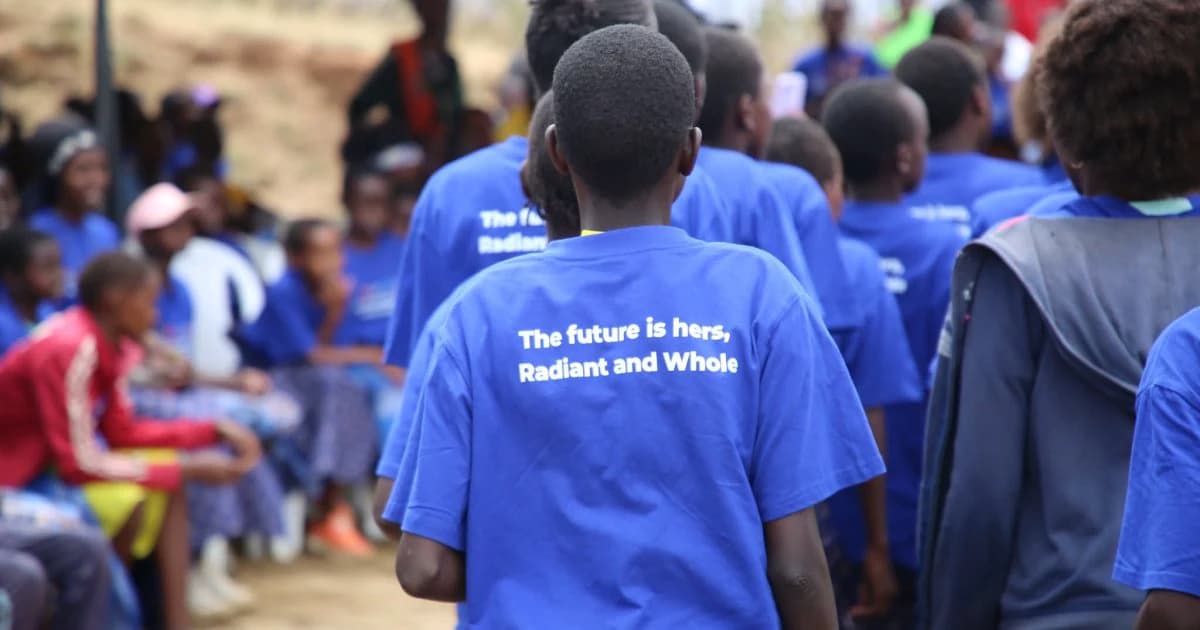
The commitment was demonstrated at Ntepes Primary School, where 93 girls graduated from the Alternative Rite of Passage (ARP) programme in a colourful celebration filled with traditional dances, drama and messages of hope.
At the centre of the declaration was Wamba Council of Elders chairman Daniel Letuai, who said the community had realised that protecting its cultural heritage did not require continuing harmful practices.
Letuai said years of community engagement and education on the dangers of FGM had gradually changed attitudes among elders, who eventually took the initiative to establish an alternative rite of passage.
“As elders, this is our programme, and we fully own it, and that is why we are having the fourth ARP in a row. We also decided that these girls will not be subjected to FGM. We are not abandoning our culture; we are protecting it by protecting our daughters,” he said.
His declaration attracted applause from parents, community leaders and development partners attending the ceremony.
According to Letuai, the programme gives girls an opportunity to embrace their cultural identity while acquiring knowledge and skills to support their development.
The one-week programme combines mentorship and training, culminating in the award of certificates. Elders then offer traditional blessings to recognise the cultural milestone.
Community support shapes alternative
For Josephine Naramat, Executive Director of Ramat Empowerment Initiative, the journey towards introducing ARP began with community conversations about the harmful effects of FGM.
She said the community initially challenged campaigners to provide a culturally acceptable alternative rather than simply calling for the abandonment of the practice.
“When we started, we were teaching about the negative effects of FGM, and the community challenged us to give an alternative, and that’s how we introduced ARP with the full support of the community,” she said.
Naramat described ARP as an educational and mentorship programme that celebrates girls’ growth without the physical harm associated with FGM.
Girls aged between 12 and 15 attend training camps where they receive lessons on education, life skills, sexual health, their legal rights and the dangers of early marriage.
The graduation ceremony is equally rooted in tradition. After receiving certificates, the girls are blessed by traditional elders and community leaders in a cultural prayer ceremony involving milk.
Naramat said the programme had gained acceptance among elders, whose involvement had been critical in encouraging families to embrace the alternative.
Keeping girls in school
According to the organisers, approximately 400 girls have graduated from the programme since its launch in 2025, with ceremonies held two to three times each year.
Naramat said the programme was beginning to demonstrate its impact through reduced cases of FGM and early pregnancies, as well as improved retention of girls in school.
“The ARP has resulted in the reduction of FGM, which is the basis of child marriage in Samburu County. There are also fewer early pregnancy cases, which has led to high retention of girls in schools,” Naramat said.
For the 93 graduates at Ntepes Primary School, the ceremony represented more than the completion of a training programme. It was an opportunity to celebrate their cultural identity without undergoing FGM.
Community leaders said the elders’ continued commitment would be crucial in ensuring that the alternative becomes firmly established among families in Samburu East and across Samburu County.


Reader Discussion (0)
Sign in to comment