





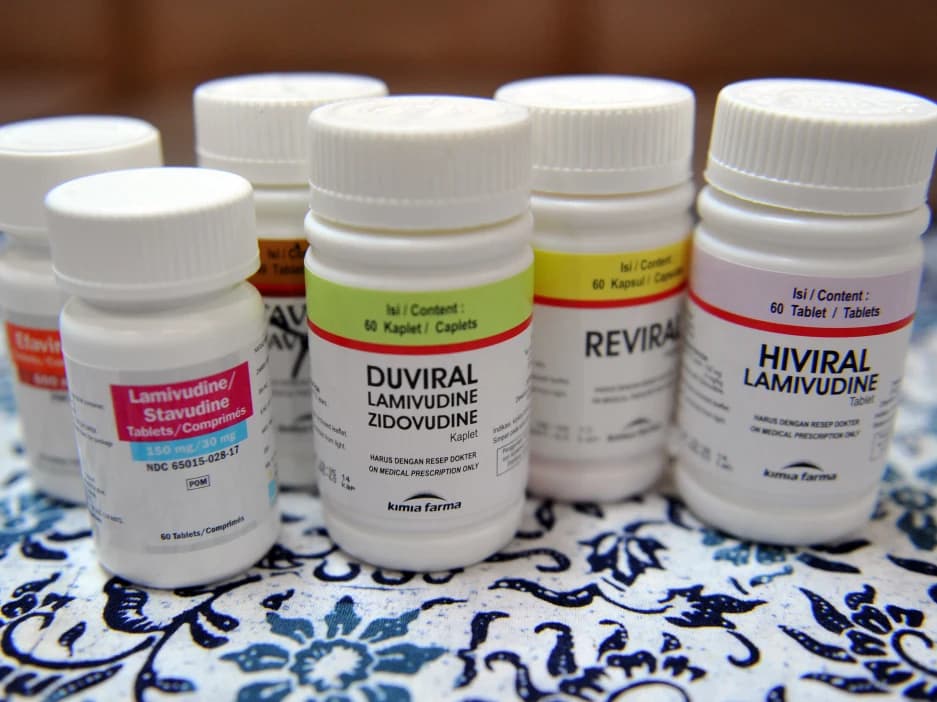
Kenya is spending up to Sh25 billion annually to provide life-saving HIV treatment to people living with the virus, raising concerns over the long-term sustainability of the programme as international funding declines.
The expenditure has renewed calls for stronger prevention measures to reduce new infections and ease pressure on the country’s healthcare financing system.
National Syndemic Diseases Control Council (NSDCC) Chief Executive Officer Douglas Bosire says the country spends between Sh15,000 and Sh20,000 annually to keep one person living with HIV on treatment.
With approximately 1.4 million Kenyans living with HIV, the country faces an enormous financial responsibility to ensure patients continue accessing antiretroviral drugs without interruption.
The challenge is compounded by Kenya’s reliance on external assistance. NSDCC reports have placed development partners’ contribution at about 66 per cent of national HIV expenditure, compared with 34 per cent from domestic sources.
The United States, a major external financier of Kenya’s HIV response, is progressively transferring financing responsibilities to the country, increasing the need for sustainable domestic funding.
Speaking in Nairobi during the launch of activities ahead of World AIDS Day 2026, Bosire warned that preventing new infections, particularly among children and young people, was essential to reducing future treatment costs.
Kenya recorded an estimated 13,936 new HIV infections in 2025. Compared with the cited baseline of 32,027 infections, this represents a decline of approximately 56.5 per cent.
However, the country also registered an estimated 19,434 AIDS-related deaths in 2025, underlining the continued impact of the epidemic.
Children and young people remain a priority
Children remain a major concern in the national response. The country recorded an estimated 3,396 new infections among children below 15 years in 2025.
According to Bosire, 72 per cent of these infections were associated with late attendance at antenatal clinics or interruptions in mothers’ treatment during pregnancy and breastfeeding.
Bosire called on men to take a more active role in supporting pregnant women to attend antenatal clinics and adhere to treatment.
He also raised concern over treatment outcomes among children already living with HIV, saying nearly half of those receiving medication had not achieved viral suppression.
Although children account for approximately 4.7 per cent of people living with HIV nationally, they contribute 11.5 per cent of AIDS-related deaths, he said.
The council further identified adolescents and young people aged between 15 and 24 as a priority group after an estimated 4,322 new infections were recorded in the age category in 2025.
Bosire said acquiring HIV at a young age means individuals require treatment over many decades, making prevention and access to accurate health information particularly important.
The funding challenge comes as Kenya seeks to protect gains made over several decades in HIV prevention, testing and treatment.
According to Bosire, about 87 per cent of people living with HIV in the country have achieved viral suppression, meaning treatment has reduced the amount of virus in their bodies to low levels.
The NSDCC chief said the country should not interpret declining infection rates as a reason to relax prevention efforts, warning that continued transmission would increase the number of people requiring lifelong medication.
He also called for stronger involvement of schools, religious institutions and community organisations in educating young people and encouraging responsible health-seeking behaviour.
World AIDS Day activities
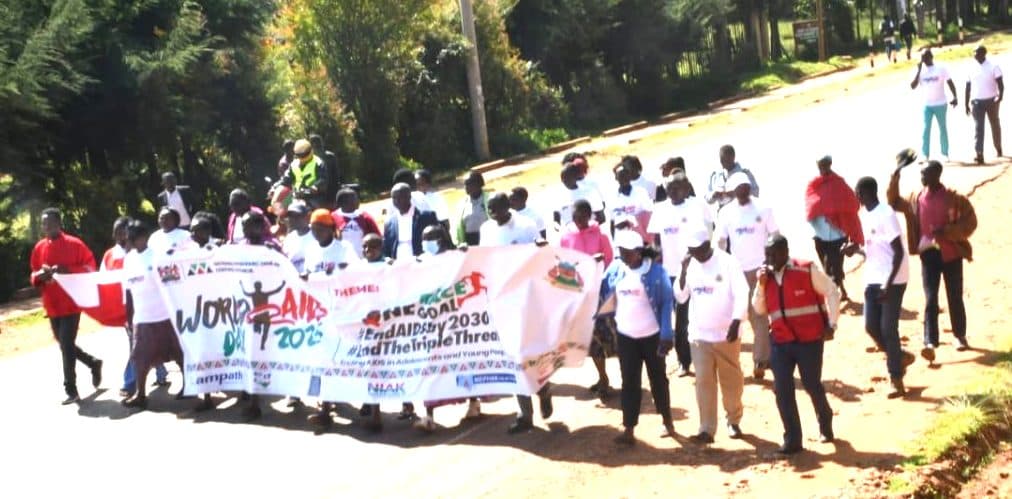
Kenya will join the world in marking World AIDS Day on December 1 under the global theme, “Ending AIDS starts with access”, which emphasises equitable access to prevention, testing, treatment and care.
Kenya’s national campaign carries the theme, “Protect, Prevent, Empower: Ending AIDS Among Children, Adolescents and Young People”.
The national commemoration programme will begin with a half-marathon at Nyayo National Stadium in Nairobi on November 29, featuring competitive and recreational races.
Activities will subsequently be held across all 47 counties on December 1, including community dialogues, public accountability forums and commemorative events.

Reader Discussion (0)
Sign in to comment