



As the world prepares to mark World AIDS Day on December 1, Kenya has reason to reflect on its progress in the fight against HIV. Although the country has made commendable strides in prevention, testing and treatment, the latest statistics reveal that the battle is far from over. Of particular concern is the disproportionate burden of new infections among women and the continuing vulnerability of children and young people.
According to the 2026 HIV estimates released by the National Syndemic Diseases Control Council (NSDCC), Kenya recorded an estimated 13,936 new HIV infections, compared with 19,991 in the preceding estimates. Women accounted for 9,044 cases, against 4,891 among men. These figures point to a persistent gender disparity that demands urgent national attention.
The situation among young people is equally concerning. Children aged 0 to 14 accounted for 3,396 new infections, while young people aged 15 to 24 recorded approximately 4,321. Together, these groups represented about 55 per cent of new infections.
What is happening to the girl child? Why do young women continue to bear a disproportionate burden of the epidemic? These figures call for an honest examination of the social, economic and behavioural circumstances placing them at risk.
We must resist the temptation to blame girls for these statistics. Instead, attention should turn to the factors driving their vulnerability, including transactional relationships, economic dependency, sexual exploitation, gender-based violence, intergenerational relationships and limited negotiating power. Poverty can push vulnerable girls into exploitative relationships, while inadequate family guidance leaves many without the confidence to make informed decisions or seek protection.
Our changing social environment also deserves scrutiny. Social media has become a powerful influence on young people's behaviour, relationships and perceptions of success. Although digital platforms provide opportunities for learning and connection, they can also expose adolescents to harmful content, sexual exploitation and unhealthy social pressures. Parents and guardians must become more deliberate in guiding their children through an increasingly complicated digital environment.
Awareness campaigns alone are no longer sufficient. We need sustained engagement, honest conversations and deliberate investment in the wellbeing of young people.
The family must reclaim its responsibility. Parents cannot outsource the moral and social development of their children to teachers, religious institutions or the internet. Parenting requires open communication, supervision, mentorship and the courage to discuss difficult subjects without embarrassment. Our daughters and sons need to understand personal boundaries, consent, responsible relationships and the consequences of risky sexual behaviour.
Religious institutions also have an important role. Churches, mosques and other faith-based organisations should use their influence to promote self-discipline, compassion, responsible living and respect for human dignity. Moral guidance should not be reduced to condemnation. Young people living with HIV need acceptance, counselling and support rather than stigma and rejection.
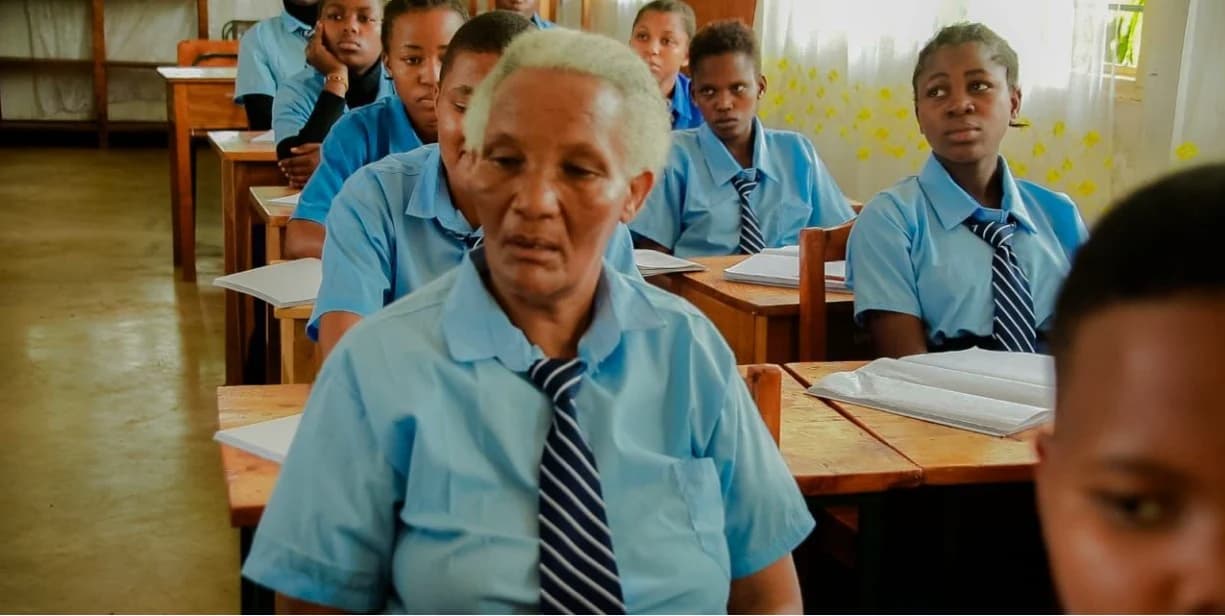
The worrying statistics also raise an important question about our education system. Now that the Competency-Based Education (CBE) curriculum places considerable emphasis on values such as responsibility, integrity, respect and self-discipline, are we doing enough to equip learners with the knowledge and life skills necessary to protect themselves?
Human sexuality education is already mainstreamed within the CBE curriculum. However, the government, through the Kenya Institute of Curriculum Development (KICD), should review its implementation to establish whether learners are adequately prepared to navigate the challenges of adolescence.
This is a sensitive subject that may generate considerable debate among parents, religious institutions and cultural stakeholders. Nevertheless, discomfort should not prevent constructive engagement. Rather than introducing a standalone subject, Kenya should strengthen age-appropriate content within the existing curriculum.
Younger learners need to understand body safety, personal boundaries and how to report inappropriate behaviour. Older learners require progressively deeper knowledge of puberty, reproductive health, HIV prevention, sexually transmitted infections, consent and responsible relationships. Such education should be scientifically accurate, culturally sensitive and firmly anchored in values. Parents must be involved, while teachers should receive appropriate preparation to handle the subject professionally.
Education must go beyond academic achievement. It should prepare learners to make responsible decisions and protect themselves from preventable risks. Values education and scientific knowledge should complement rather than contradict each other.
The Ministry of Health, through the National AIDS and STI Control Programme (NASCOP), the NSDCC and county governments, must intensify targeted prevention interventions. Young people need accessible, confidential and youth-friendly health services, including HIV testing, counselling, condoms and information on pre-exposure prophylaxis (PrEP).
Awareness of post-exposure prophylaxis (PEP) must also be strengthened. According to World Health Organization (WHO) guidance, PEP should be initiated as soon as possible and no later than 72 hours after possible exposure. The WHO advocates a comprehensive approach combining prevention, testing, treatment and people-centred healthcare. Kenya should translate these recommendations into accessible services, particularly for vulnerable adolescents and young women.
Economic empowerment, school retention and protection against sexual exploitation must also feature prominently in prevention programmes. Law enforcement agencies should act decisively against sexual abuse, coercion and exploitation, particularly involving minors.
Equally important is the involvement of boys and young men. HIV prevention cannot become a campaign directed at girls alone. Young men must be encouraged to undergo testing, respect consent, practise responsible relationships and take responsibility for protecting their partners. Gender inequality in HIV vulnerability cannot be addressed without engaging both sexes.
Kenya's progress in preventing mother-to-child transmission demonstrates the value of sustained investment in healthcare. Nevertheless, the 2026 estimates report prevention-of-mother-to-child-transmission coverage of 91.1 per cent and a transmission rate of 8 per cent, including breastfeeding. This remains above the global elimination target of below 5 per cent.
The government must strengthen antenatal HIV testing, timely treatment for expectant mothers living with HIV, continuity of medication during breastfeeding and early testing of exposed infants. No child should acquire HIV when effective preventive interventions are available.
We must also confront the treatment gap among children already living with HIV. The latest estimates indicate that only 79 per cent know their HIV status, 60 per cent are receiving treatment and 52 per cent have achieved viral suppression. These figures call for stronger early diagnosis, treatment access and follow-up to ensure that no child is left behind.
County governments must use local HIV data to identify vulnerable populations, direct resources appropriately and measure the effectiveness of prevention programmes. Health facilities, schools, families, civil society organisations and religious institutions must work collaboratively.
This year's World AIDS Day theme, "Protect, Prevent, Empower: Ending AIDS Among Children, Adolescents and Young People", is a timely reminder that the future of the HIV response depends on how well we protect and empower the next generation.
The decline in new infections is encouraging, but the remaining disparities remind us that our work is unfinished. We must replace silence with informed conversations, stigma with compassion and occasional campaigns with sustained action.
Our children deserve more than awareness messages; they deserve protection, guidance, opportunity and a future free from preventable HIV infections. Protecting the girl child is protecting the future of the nation.
Reader Discussion (0)
Sign in to comment