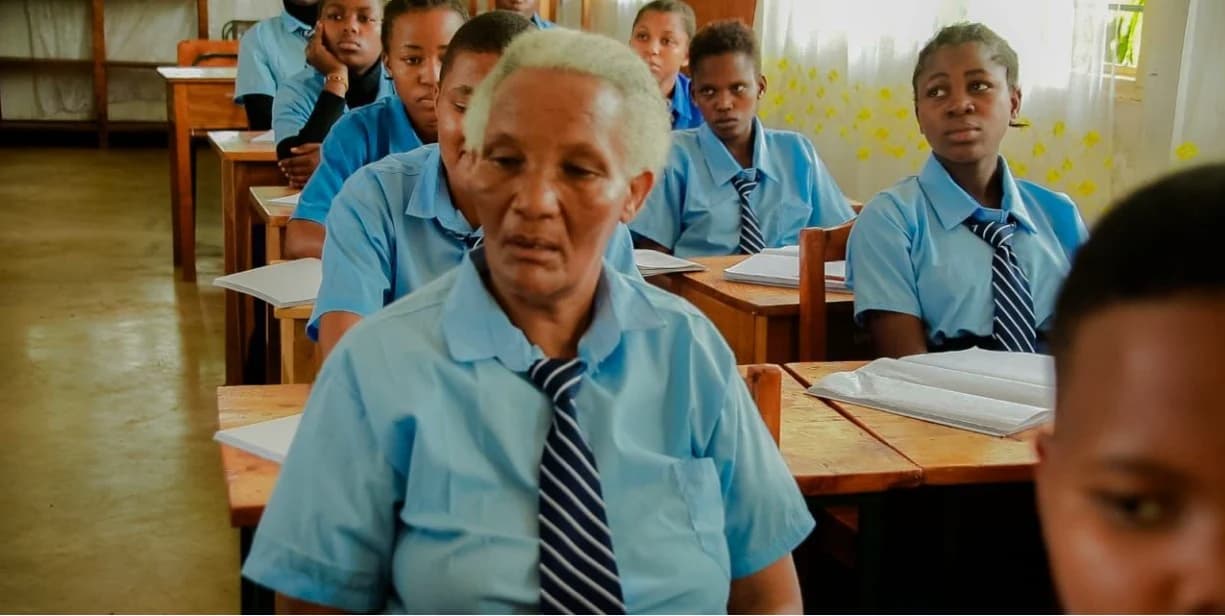
A 61-year-old Tanzanian grandmother, Felista Akunai, has gone back to the classroom more than four decades after her schooling was cut short, in pursuit of a childhood dream of becoming a teacher.
A mother of six and grandmother of 11, Akunai is at an age when many people contemplate retirement. Her return to education is about reclaiming an interrupted ambition, confronting social expectations and showing that personal change remains possible at every stage of life.
Akunai's schooling ended early. After completing Standard Seven in 1982, she could not proceed to secondary school following the death of her parents. She was raised by her grandparents, whose circumstances could not provide the opportunity she needed to advance her education.
For decades, the dream of becoming a teacher stayed alive, even as life brought other responsibilities, including raising a family.
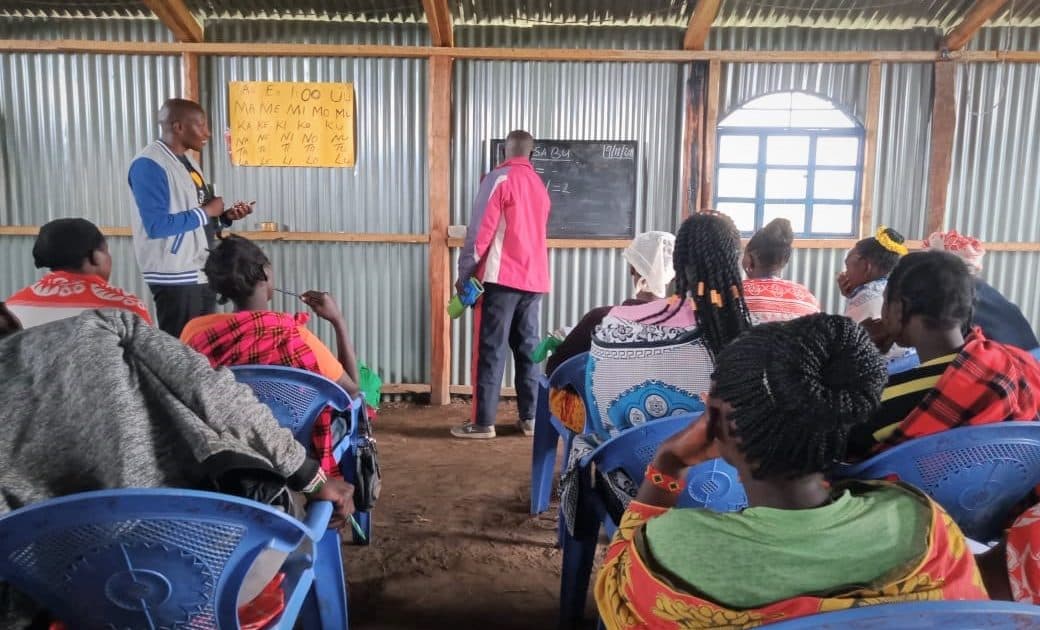
In 2025, at 60, she enrolled in an adult education programme at Chief Sarwat Secondary School in Tanzania's Manyara Region. She sat her Form Two examinations and passed, which she says gave her renewed confidence to continue. She progressed to Forms Three and Four in 2026, and her Form Four results were still pending at the time of the November 2026 report.(Education News Kenya — https://educationnews.co.ke/news/at-61-tanzanian-grandmother-returns-to-school-to-pursue-her-dream-of-becoming-a-teacher)
She did not wait for them. On November 9, 2026, Akunai enrolled at Neema Montessori College in the Kilimanjaro Region to gain additional knowledge and practical skills in child development and care.
The college, owned by the Sisters of the Evangelical Lutheran Church in Tanzania, facilitated her admission after learning of her story. Its head, Christina Nakey, commended her resolve.
Her return to school has not been without social and emotional challenges. Initially, she kept her decision secret because she feared people might discourage her on account of her age. When she eventually told her children, they were surprised and found it hard to believe their mother had decided to become a student again.
Her experience also points to the stigma that can surround older people who choose to pursue formal education. Wearing a school uniform alongside much younger learners can attract unnecessary attention or ridicule. Akunai has refused to let such perceptions define her choices. She takes part in classroom learning and college activities, including sports.
She regards education as the light of life and believes learning should never be confined to a particular age group. In her words, education never ends, while money can run out.
There is a deeper social message in her journey. Education is frequently celebrated as the foundation of economic opportunity, social mobility and personal dignity. Yet societies sometimes overlook adults whose educational opportunities were interrupted by poverty, bereavement, family responsibilities, displacement or other circumstances beyond their control. A person who left school decades ago should still be able to return, acquire new competencies and pursue a meaningful professional ambition.
Her story also deserves attention from education policymakers in Kenya, where adult and continuing education remain important instruments for expanding access to learning. The country's commitment to lifelong learning must go beyond policy declarations and translate into accessible institutions, flexible programmes, appropriate financing and credible progression pathways.
Adult education should not be treated as a peripheral undertaking or a second-rate alternative to conventional schooling. It is an essential component of an inclusive education system. Learners returning to school later in life need flexible timetables, affordable learning opportunities, recognition of prior learning and guidance on how to progress towards professional qualifications.
There is also a lesson for families and communities. Older people should not be discouraged from pursuing education simply because they have already raised children or reached an age traditionally associated with retirement. Encouragement and institutional support can help turn ambitions that might otherwise remain unfulfilled into reality.
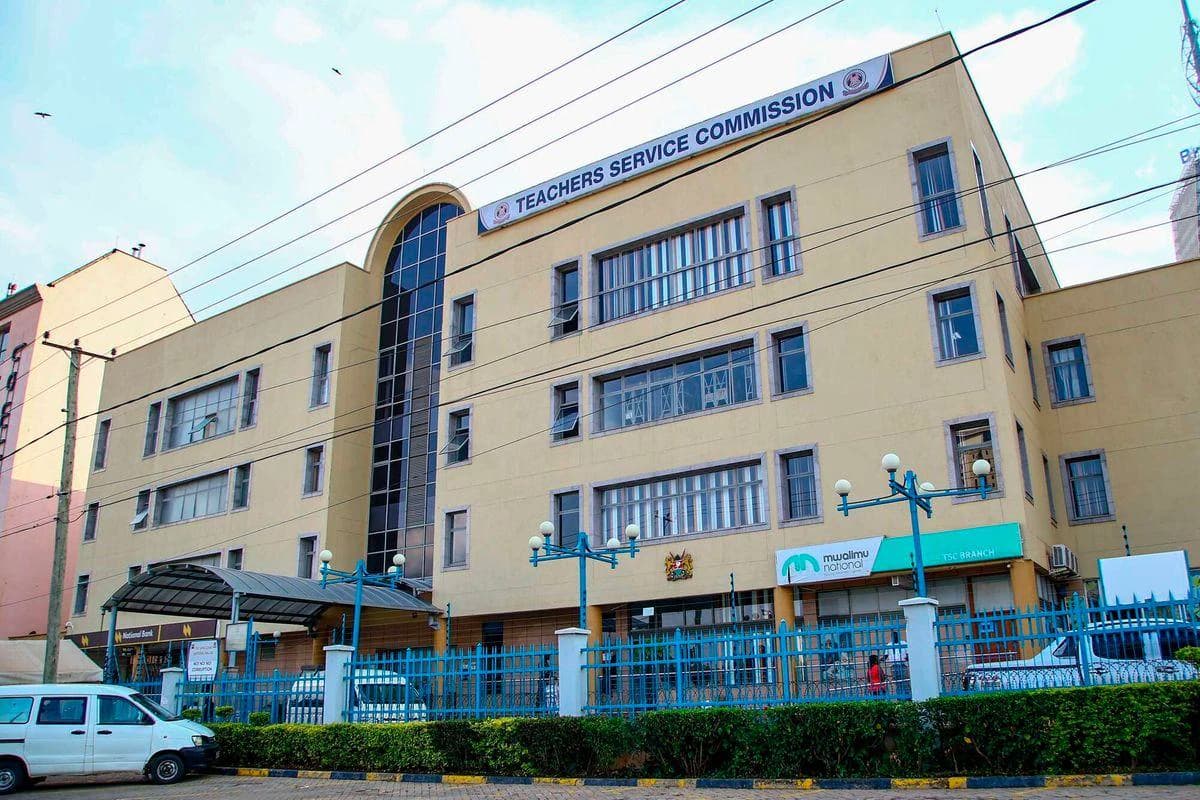
Akunai's aspiration to become a teacher must, however, be distinguished from professional qualification. Her enrolment at the college is an important step towards acquiring relevant knowledge and skills, but her eventual eligibility for formal teaching employment will depend on meeting the applicable academic, professional and regulatory requirements. She is not asking for standards to be lowered because of her age; she is showing a willingness to learn, sit examinations and acquire the necessary competencies.
At 61, Akunai has made the classroom a symbol of personal renewal. The years she spent outside it did not extinguish her ambition; instead, they gave her another reason to return.
The measure of an education system should not only be how effectively it prepares children for the future, but also how generously it provides opportunities for those whose past denied them a fair beginning. Her story carries a message beyond Tanzania: it is never too late to learn, to rebuild a dream or to redefine one's destiny.




Reader Discussion (0)
Sign in to comment